Solon Borglum portréja

A 13 legnevesebbebb Solon Borglum festmény, mindegyik egyedistens

Frissítve: november 2026 · rangsorolva népszerűségi pontszámunk alapján (minden mű keresései, látogatásai és megrendelései alapján) · 13 mű Solon Borglum alkotása a katalógusunkban

Röviden

The teacher of sciences\n\nThe teacher of sciences (1900) az a Solon Borglum festmény, amely a legtöbb tekintetet felvonja; az eredeti mű a Museum of the Man of the Northeast gyűjteményében található, Recife. Ezután a tekintet Lassoing Wild Horses (1902) és Saint John the Baptist baptizing on the banks of the river\n\nSaint John the Baptist baptizing on the banks of the river (1900) elemre irányul. A Solon Borglum 13 műve közül a katalógusunkban megtalálható 13 legnépesebb alkotás, melyeket az év, a múzeum és az örökévalóságának okai kísérnek.

1868 – 1922, Ogden American realism A legtöbb mű: Museum of the Man of the Northeast

A galéria szemével: Solon Borglum legjobb 10 festménye

2
Lassoing Wild Horses (1902) (1889) -ja Solon Borglum

Lassoing Wild Horses

1902 · Bronze · Amon Carter Museum of American Art, Fort Worth

Lassoing Wild Horses is a bronze sculpture by Solon Borglum. The artist, who lived from 1868 to 1922, captured this specific scene in 1898. The work was later cast in 1902. It remains a significant piece of American Realism, focusing on the rugged realities of the frontier.

4
A lovakat leszúr a cowboy (1889) -ja Solon Borglum

A lovakat leszúr a cowboy

Solon Hannibal de la Mothe Borglum’s “Lassoing Wild Horses” is more than just a bronze sculpture; it's a vibrant snapshot of the American West, imbued with the rugged spirit and pioneering energy of that era. Born in Ogden, Utah, in 1868, Borglum, though often overshadowed by his famous brother Gutzon, carved out a distinct artistic legacy deeply rooted in realism and a profound understanding of frontier life. This particular piece,…

Solon Borglum híres festményei, 11 és 13 között

A témák, amelyek Solon Borglum figyelmét meghúzták

A négy leggyakorobban előforduló téma ebben az eredeti művekben, mindegyik a legkiválóbb példájával.

A műemlékek, amelyek Solon Borglum eredeti műveit őrzik

A 6 olyan múzeum, amely a legtöbb ezen az oldalon szereplő festményet őrzi.

Múzeum Város Solon Borglum művei Ebből a listából származó festmények
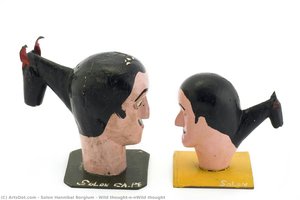
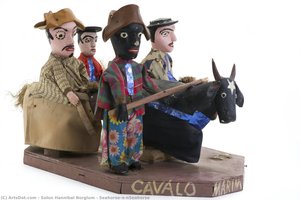
Museum of the Man of the Northeast, RecifeMuseum of the Man of the Northeast Recife 4 The teacher of sciences\n\nThe teacher of sciences, Saint John the Baptist baptizing on the banks of the river\n\nSaint John the Baptist baptizing on the banks of the river, Wild thought\n\nWild thought
New Britain Museum of American Art, New BritainNew Britain Museum of American Art New Britain 3 Distant Hills (Clouds over Black Mountain), Sheep Near Madam Modjeska's Forest of Arden, The Horse's Head
National Cowboy - Western Heritage Museum, Oklahoma CityNational Cowboy - Western Heritage Museum Oklahoma City 2 A lovakat leszúr a cowboy, One in a Thousand
Smithsonian American Art Museum, Washington, D.C.Smithsonian American Art Museum Washington, D.C. 2 Plant Study, Cow
Amon Carter Museum of American Art, Fort WorthAmon Carter Museum of American Art Fort Worth 1 Lassoing Wild Horses
Denver Art Museum, DenverDenver Art Museum Denver 1 Lassoing Wild Horses

Solon Borglum évtizedek folyamán: az egyedi eredetiek

13 év különbség van Solon Borglum itt látható első és utolsó dátumú eredeti művei között, 1890 és 1902: az egyes éveknek a következő sorrendben van helye.

Művek évszáma szerint

Váasszon egy évet az eredetiek megtekintéséhez.

Solon Borglum festményei: kérdések a galériának

Mi a leghíresebb műve Solon Borglumnek?Fedje fel a választ

The teacher of sciences\n\nThe teacher of sciences (1900), Museum of the Man of the Northeast, Recife. Ezután Lassoing Wild Horses (1902) és Saint John the Baptist baptizing on the banks of the river\n\nSaint John the Baptist baptizing on the banks of the river (1900) következik.

Milyen életkorában alkotta meg Solon Borglum a(z) The teacher of sciences\n\nThe teacher of sciences műszt?Fedje fel a választ

32 éves: The teacher of sciences\n\nThe teacher of sciences 1900-ből származik, Solon Borglum pedig 1868-ben született.

Melyik tíz festménye Solon Borglum a leghíresebb?Fedje fel a választ

The teacher of sciences\n\nThe teacher of sciences, Lassoing Wild Horses, Saint John the Baptist baptizing on the banks of the river\n\nSaint John the Baptist baptizing on the banks of the river, A lovakat leszúr a cowboy, Distant Hills (Clouds over Black Mountain), Plant Study, Sheep Near Madam Modjeska's Forest of Arden, The Horse's Head, Wild thought\n\nWild thought és Lassoing Wild Horses. A fenti rangsor a művek évszamarát és a múzeumát jelzi.

Hány mű alkotása ismert Solon Borglum nevében?Fedje fel a választ

Katalógusunkban 13 mű található Solon Borglum alkotótól, 1890 és 1902 év közötti időszakból.

Hol tekinthetők meg a leghíresebb Solon Borglum eredetijeit?Fedje fel a választ

Leginkább Museum of the Man of the Northeast (Recife), New Britain Museum of American Art (New Britain) és National Cowboy - Western Heritage Museum (Oklahoma City) található. A fenti múzeumi táblázatban mindegyik felsorolásra került.

Melyik időszakban alkotta Solon Borglum a leghíresebb festményeit?Fedje fel a választ

1900 alatt: a jelen laphonon található 13 műből 4 készült ebben az időszakban, köztük The teacher of sciences\n\nThe teacher of sciences.

Melyik híres Solon Borglum festmény a legkorábbi, és melyik a legutóbb készült?Fedje fel a választ

Ezen az oldalon a leghitelesebb Distant Hills (Clouds over Black Mountain) (1890), a legutóbbi pedig Lassoing Wild Horses (1902).

Milyen témakörket kedvelt Solon Borglum?Fedje fel a választ

Sculpture (3), Cowboy (3) és Man (2), a jelen oldalon található 13 műművészeti alkotás között.

Milyen anyagokkal festett leggyakrabban Solon Borglum?Fedje fel a választ

Bronze, a jelen oldalon található 13 műből 2 darab esetén.

Mely művészeti irányba tartozik Solon Borglum műve?Fedje fel a választ

American realism, ezen az oldalon található eredetiek alapján.

Milyen Solon Borglum eredeti műveket láthatok a Museum of the Man of the Northeast kiállításaiban?Fedje fel a választ

The teacher of sciences\n\nThe teacher of sciences, Saint John the Baptist baptizing on the banks of the river\n\nSaint John the Baptist baptizing on the banks of the river és Wild thought\n\nWild thought: a Museum of the Man of the Northeast, Recife 4 művet őrzi ezen az oldalon.
Solon Borglum: a művész portréja

A Sculptor of the American West: The Life and Art of Solon Hannibal Borglum

Solon Hannibal de la Mothe Borglum, born December 22, 1868, in Ogden, Utah, was a sculptor whose work became inextricably linked with the spirit and landscape of the American West. Though often overshadowed by his more famous brother, Gutzon Borglum – creator of Mount Rushmore – Solon carved out a distinct artistic identity, one deeply rooted in realism and imbued with a sensitive portrayal of frontier life. His story is one of familial complexity, artistic dedication, and a profound connection to the evolving narrative of a nation forging its identity. The early years of his life were marked by an unconventional family dynamic; his father, James Borglum, a Danish immigrant and Mormon polygamist, was married to two sisters, Ida and Christina Mikkelsen. This arrangement led to a fractured childhood for Solon, particularly after his mother, Christina, left the family when he was young – a subject discouraged from discussion within the household. He spent formative years on the Nebraska prairie where his father practiced medicine, developing an intimate understanding of the land and its inhabitants. Initially drawn to the life of a cowboy-rancher, it was his brother Gutzon who recognized and nurtured Solon’s artistic inclinations, encouraging him to pursue formal training.

From Paris to the Prairie: Artistic Development and Style

Solon's artistic journey led him first to the Cincinnati Art Academy from 1895 to 1897, where he began to hone his skills. However, it was his subsequent studies in Paris at the Académie Julian under Emmanuel Fremiet that truly shaped his aesthetic vision. There, he gained recognition as “le sculpteur de la prairie” – the sculptor of the prairie – a testament to the unique perspective he brought to European artistic circles. His time in Paris exposed him to classical traditions and refined sculpting techniques, yet he remained steadfastly committed to depicting the scenes and subjects that resonated with his American experience. Borglum’s style is characterized by meticulous realism, an acute understanding of anatomy and movement, and a narrative depth that breathes life into his creations. He didn't merely represent figures; he captured moments, emotions, and the essence of a disappearing way of life. His work focused primarily on depicting life in the American West, particularly scenes involving cowboys, Native Americans, and the vast, untamed landscapes that defined the era. Notable sculptures include “Saint John the Baptist baptizing on the banks of the river” (1900), now housed in Recife, Brazil, a piece demonstrating his mastery of Baroque realism and dramatic composition, and drawings like "Cow" at the Smithsonian American Art Museum, showcasing his ability to capture the raw power and beauty of animal life.

War, Teaching, and a Lasting Legacy

The outbreak of World War I saw Solon shift his focus from artistic creation to service. He worked with the YMCA, contributing to Les Foyers du Soldat service clubs in France, providing respite and support for soldiers on the front lines. His dedication was recognized with the Croix de Guerre, a testament to his selfless contributions during wartime. Following the war, Borglum returned to the United States and founded the School of American Sculpture in New York City. Driven by a desire to pass on his knowledge and expertise, he mentored aspiring artists, developing a textbook titled *Sound Construction* as a guide for his students. This pedagogical endeavor reflects his commitment to fostering a new generation of sculptors grounded in both technical skill and artistic vision. Tragically, Solon Borglum’s life was cut short on January 31, 1922, following an appendectomy. However, his legacy endured through the dedication of his wife, Emma Vignal, and later through his daughter Monica and her husband, who diligently preserved and exhibited his work, ensuring that his artistic contributions would not be forgotten.

A Bridge Between Eras: Historical Significance

Solon Borglum’s impact on American sculpture lies in his ability to bridge the gap between realism and iconic representations of frontier life. He didn't romanticize the West; he depicted it with honesty, sensitivity, and a deep understanding of its complexities. His sympathetic portrayal of Native Americans was particularly noteworthy, challenging prevailing stereotypes and offering a more nuanced perspective on their culture and experiences. Borglum’s teachings and artistic style influenced numerous artists, including Paul Manship, who studied under him and went on to become a prominent sculptor in his own right. Today, the New Britain Museum of American Art houses a significant collection of Borglum's sculptures and related materials, safeguarding his art for future generations. His work provides invaluable insights into the cultural landscape of the late 19th and early 20th centuries, reflecting both the romantic allure and the harsh realities of life in the American West. Through his remarkable sculptures and drawings, Solon Hannibal Borglum continues to inspire artists and art enthusiasts alike, reminding us of a pivotal era in American history and the enduring power of artistic expression. His legacy is not merely one of sculpted forms but of stories told in bronze and stone, capturing the heart and soul of a nation.