Sidney Nolan portréja

A 64 legnevesebbebb Sidney Nolan festmény, mindegyik egyedistens

Frissítve: november 2026 · rangsorolva népszerűségi pontszámunk alapján (minden mű keresései, látogatásai és megrendelései alapján) · 64 mű Sidney Nolan alkotása a katalógusunkban

Röviden

Kelly and Sergeant Kennedy az a Sidney Nolan festmény, amely a legtöbb tekintetet felvonja; az eredeti mű a Canberra Museum and Gallery gyűjteményében található, Canberra. Ezután a tekintet Durack Ranges (1950) és Glenrowan elemre irányul. A Sidney Nolan 64 műve közül a katalógusunkban megtalálható 64 legnépesebb alkotás, melyeket az év, a múzeum és az örökévalóságának okai kísérnek.

1917 – 1992, Melbourne Modernist landscape painting A legtöbb mű: Canberra Museum and Gallery

A galéria szemével: Sidney Nolan legjobb 10 festménye

1
Kelly and Sergeant Kennedy (1889) -ja Sidney Nolan

Kelly and Sergeant Kennedy

Painting · Canberra Museum and Gallery, Canberra

In the hauntingly evocative masterpiece Kelly and Sergeant Kennedy, Sir Sidney Robert Nolan invites us into one of the most tension-filled moments in Australian folklore. This work stands as a seminal entry in his legendary Kelly series, capturing the fateful encounter at Stringybark Creek with a raw, psychological intensity that transcends mere historical documentation. The composition is masterfully anchored by a towering tree trunk that slices through the center of…

2
Durack Ranges (1950) (1889) -ja Sidney Nolan

Durack Ranges

1950 · Oil On Board · National Gallery of Victoria, Melbourne

Durack Ranges - A Landscape of Myth and Memory The painting “Durack Ranges” by Sir Sidney Robert Nolan is more than just a depiction of the Australian Outback; it’s an embodiment of Nolan's profound engagement with Aboriginal mythology and his exploration of Australia’s scarred landscape as a reflection of its history. Created in 1950, during Nolan’s formative years as a painter, this monumental canvas exemplifies his signature style—a bold simplification…

3
Glenrowan (1889) -ja Sidney Nolan

Glenrowan

Painting · Canberra Museum and Gallery, Canberra

In the vast, evocative landscape of Australian mythology, few images resonate with as much haunting intensity as Sir Sidney Robert Nolan’s Glenrowan. This early masterpiece serves as a profound window into the artist's ability to weave historical tragedy with surrealist dreamscapes. The painting captures a pivotal moment in the saga of the Ned Kelly gang, focusing on the site where the legendary bushranger met his ultimate fate. Rather than a…

4
The Trial (1947) (1889) -ja Sidney Nolan

The Trial

1947 · Enamel · National Gallery of Australia, Canberra

In the annals of Australian modernism, few works possess the unsettling psychological depth of Sir Sidney Nolan’s 1947 masterpiece, The Trial. This is not merely a depiction of a courtroom; it is a fever dream rendered in enamel, a profound meditation on the crushing weight of legal scrutiny and the fragility of human identity. As one gazes upon this composition, they are immediately thrust into a theatrical stage of anxiety,…

5
Antarctica (1964) (1889) -ja Sidney Nolan

Antarctica

1964 · Oil On Canvas · Tate Modern, London

The mountains rise as jagged shadows against a bruised sky. In 1964, thick layers of oil paint were pressed onto the canvas, creating a surface of heavy ridges and valleys. This impasto technique captures the raw movement of a polar storm. Deep indigo and pale cerulean collide in the sea below, where dark, choppy waves reflect the weight of the peaks above. A single diagonal thrust of white and grey…

6
Camel és Figura (1966) (1889) -ja Sidney Nolan

Camel és Figura

1966 · Olajfestmény vászonon · Tate Modern, London

Sidney Robert Nolan (1917-1992), ausztrál művészettörténész és származású festő, a 20. századi ausztrália egyik meghatározó alakja volt. Utánozó művészi képzés helyett egy robbanásszerű megjelenés következett meg Melbourne utcáiban, majd egy színvonalas művészi világ felé, amely folyamatos kísérletezéssel és kreativitással járt el.

7
Ned Kelly (1889) -ja Sidney Nolan

Ned Kelly

Oil On Canvas · Canberra Museum and Gallery, Canberra

To gaze upon this depiction of Ned Kelly is to step directly into the rugged, myth-laden heart of colonial Australia. It is more than a mere portrait; it is an encapsulation of rebellion, defiance, and the volatile spirit of a time when law and outlaw blurred into one dramatic narrative. Sir Sidney Robert Nolan, the master chronicler of the Australian psyche, has captured not just a man, but an archetype—the…

9
Central Australia (1949) (1889) -ja Sidney Nolan

Central Australia

1949 · Oil On Board · National Gallery of Victoria, Melbourne

In the vast, sun-drenched expanse of the Australian interior, where the horizon blurs between earth and sky, Sir Sidney Robert Nolan captured a reality that transcends mere topography. Central Australia is not simply a landscape painting; it is a profound meditation on pattern, perception, and the mythic quality of the outback. Created in 1949, this masterpiece invites the viewer to experience the desert not as a static scene, but as…

10
Maurice Frere (1889) -ja Sidney Nolan

Maurice Frere

Viaszkréta · Canberra Museum and Gallery, Canberra

Sidney Robert Nolan és Maurice Frere – Egy Ausztrália Szellemének Megközelítése A szír Sidney Robert Nolan (1917–1992) ausztrál modernista művész volt, aki a 20. század egyik legnagyobb alakja lett. Széles körben használt különböző anyagokat és technikákat alkalmazva alkotásai között jelentős változatosság és mennyiség szerepel. Legismeretesebb eredménye pedig az ausztrália története és tájvilága által inspirált Ned Kelly szériája, mely Ausztráliában ikonikus helyet foglal el Nolan művészi világában. Kelly páncélos ábrázolása vált…

Sidney Nolan híres festményei, 11 és 64 között

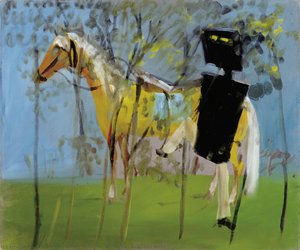
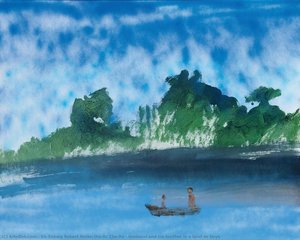
11Kelly (1889) -ja Sidney NolanKellyCanberra Museum and Gallery 12Desert Storm (1955) (1889) -ja Sidney NolanDesert Storm1955 · Tate Modern 13Kelly in bush (1889) -ja Sidney NolanKelly in bushCanberra Museum and Gallery 14Kelly and horse (1889) -ja Sidney NolanKelly and horseCanberra Museum and Gallery 15Shooting of Rimbaud by Verlaine (1889) -ja Sidney NolanShooting of Rimbaud by VerlaineCanberra Museum and Gallery 16Rimbaud (1889) -ja Sidney NolanRimbaudCanberra Museum and Gallery 17Madame Rimbaud in hospital (1889) -ja Sidney NolanMadame Rimbaud in hospitalCanberra Museum and Gallery 18Ern Malley (1973) (1889) -ja Sidney NolanErn Malley1973 · Art Gallery of South Australia 19Return to Glenrowan (1889) -ja Sidney NolanReturn to GlenrowanCanberra Museum and Gallery 20Kelly and horse (1889) -ja Sidney NolanKelly and horseCanberra Museum and Gallery 21Rimbaud and his brother in a boat as boys (1889) -ja Sidney NolanRimbaud and his brother in a boat as boysCanberra Museum and Gallery 22Young Rimbaud (1889) -ja Sidney NolanYoung RimbaudCanberra Museum and Gallery 23Centrális Ausztrália (1889) -ja Sidney NolanCentrális AusztráliaCanberra Museum and Gallery 24Sir Richard and Lady Devine (1889) -ja Sidney NolanSir Richard and Lady DevineCanberra Museum and Gallery 25Untitled (1889) -ja Sidney NolanUntitledCanberra Museum and Gallery 26Moor-hen (1889) -ja Sidney NolanMoor-henCanberra Museum and Gallery 27Pretty Polly Mine (1948) (1889) -ja Sidney NolanPretty Polly Mine1948 · Art Gallery of New South Wales 28Carron Plains (1948) (1889) -ja Sidney NolanCarron Plains1948 · Art Gallery of New South Wales 29Under the pier (1889) -ja Sidney NolanUnder the pierCanberra Museum and Gallery 30Dry jungle (1949) (1889) -ja Sidney NolanDry jungle1949 · Art Gallery of New South Wales 31Desert (1950) (1889) -ja Sidney NolanDesert1950 · National Gallery of Victoria 32Bather and Bird (1958) (1889) -ja Sidney NolanBather and Bird1958 · Metropolitan Művészeti Múzeum 33Death of Captain Fraser (1889) -ja Sidney NolanDeath of Captain FraserCanberra Museum and Gallery 34Steve Hart (1889) -ja Sidney NolanSteve HartCanberra Museum and Gallery 35The bridle (1889) -ja Sidney NolanThe bridleCanberra Museum and Gallery 36Dawn gallop at Harar (1889) -ja Sidney NolanDawn gallop at HararCanberra Museum and Gallery 37Untitled (1889) -ja Sidney NolanUntitledCanberra Museum and Gallery 38Luna Park in the moonlight (1889) -ja Sidney NolanLuna Park in the moonlightNational Gallery of Victoria 39Rufus Dawes picking up Sylvia (1889) -ja Sidney NolanRufus Dawes picking up SylviaCanberra Museum and Gallery 40The rose (1889) -ja Sidney NolanThe roseCanberra Museum and Gallery 41The mutiny (1889) -ja Sidney NolanThe mutinyCanberra Museum and Gallery 42The burning of the (1889) -ja Sidney NolanThe burning of theCanberra Museum and Gallery 43(Rufus Dawes and Sarah Purfoy) ascribed title (1889) -ja Sidney Nolan(Rufus Dawes and Sarah Purfoy) ascribed titleCanberra Museum and Gallery 44(Gabbett the convict) ascribed title (1889) -ja Sidney Nolan(Gabbett the convict) ascribed titleCanberra Museum and Gallery 45Untitled (1889) -ja Sidney NolanUntitledCanberra Museum and Gallery 46Untitled (1889) -ja Sidney NolanUntitledCanberra Museum and Gallery 47Untitled (1889) -ja Sidney NolanUntitledCanberra Museum and Gallery 48Untitled (1889) -ja Sidney NolanUntitledCanberra Museum and Gallery 49Untitled (1889) -ja Sidney NolanUntitledCanberra Museum and Gallery 50Untitled (1889) -ja Sidney NolanUntitledCanberra Museum and Gallery 51Untitled (1889) -ja Sidney NolanUntitledCanberra Museum and Gallery 52Untitled (1889) -ja Sidney NolanUntitledCanberra Museum and Gallery 53Untitled (1889) -ja Sidney NolanUntitledCanberra Museum and Gallery 54Untitled (1889) -ja Sidney NolanUntitledCanberra Museum and Gallery 55Untitled (1889) -ja Sidney NolanUntitledCanberra Museum and Gallery 56Rimbaud on his litter (1889) -ja Sidney NolanRimbaud on his litterCanberra Museum and Gallery 57Untitled (1889) -ja Sidney NolanUntitledCanberra Museum and Gallery 58The flogging triangle (1889) -ja Sidney NolanThe flogging triangleCanberra Museum and Gallery 59Bird (1889) -ja Sidney NolanBirdCanberra Museum and Gallery 60Isobel and Rimbaud in hospital (1889) -ja Sidney NolanIsobel and Rimbaud in hospitalCanberra Museum and Gallery 61Untitled (1889) -ja Sidney NolanUntitledCanberra Museum and Gallery 62Untitled (1889) -ja Sidney NolanUntitledCanberra Museum and Gallery 63Untitled (1889) -ja Sidney NolanUntitledCanberra Museum and Gallery 64Snake (1970) (1889) -ja Sidney NolanSnake1970

Sidney Nolan híres festményei, korszakonként

A témák, amelyek Sidney Nolan figyelmét meghúzták

A négy leggyakorobban előforduló téma ebben az eredeti művekben, mindegyik a legkiválóbb példájával.

A műemlékek, amelyek Sidney Nolan eredeti műveit őrzik

A 7 olyan múzeum, amely a legtöbb ezen az oldalon szereplő festményet őrzi.

Múzeum Város Sidney Nolan művei Ebből a listából származó festmények
Canberra Museum and Gallery, CanberraCanberra Museum and Gallery Canberra 50 Kelly and Sergeant Kennedy, Glenrowan, Ned Kelly
National Gallery of Victoria, MelbourneNational Gallery of Victoria Melbourne 4 Durack Ranges, Central Australia, Desert
Tate Modern, LondonTate Modern London 3 Antarctica, Camel és Figura, Desert Storm
Art Gallery of New South Wales, SydneyArt Gallery of New South Wales Sydney 3 Pretty Polly Mine, Carron Plains, Dry jungle
National Gallery of Australia, CanberraNational Gallery of Australia Canberra 1 The Trial
Art Gallery of South Australia, AdelaideArt Gallery of South Australia Adelaide 1 Ern Malley
Metropolitan Művészeti Múzeum, New YorkMetropolitan Művészeti Múzeum New York 1 Bather and Bird

Sidney Nolan évtizedekig: egy egyedi eredeti mű minden évtizedben

Művek évtizedenként

Váassz ki egy évtizedet, hogy megnézhesd az azt meghatározó eredetiműveket.

Sidney Nolan festményei: kérdések a galériának

Mi a leghíresebb műve Sidney Nolannek?Fedje fel a választ

Kelly and Sergeant Kennedy, Canberra Museum and Gallery, Canberra. Ezután Durack Ranges (1950) és Glenrowan következik.

Melyik tíz festménye Sidney Nolan a leghíresebb?Fedje fel a választ

Kelly and Sergeant Kennedy, Durack Ranges, Glenrowan, The Trial, Antarctica, Camel és Figura, Ned Kelly, Policeman in wombat hole, Central Australia és Maurice Frere. A fenti rangsor a művek évszamarát és a múzeumát jelzi.

Hány mű alkotása ismert Sidney Nolan nevében?Fedje fel a választ

Katalógusunkban 64 mű található Sidney Nolan alkotótól, 1947 és 1973 év közötti időszakból.

Hol tekinthetők meg a leghíresebb Sidney Nolan eredetijeit?Fedje fel a választ

Leginkább Canberra Museum and Gallery (Canberra), National Gallery of Victoria (Melbourne) és Tate Modern (London) található. A fenti múzeumi táblázatban mindegyik felsorolásra került.

Melyik időszakban alkotta Sidney Nolan a leghíresebb festményeit?Fedje fel a választ

1940s alatt: a jelen laphonon található 64 műből 5 készült ebben az időszakban, köztük The Trial.

Melyik híres Sidney Nolan festmény a legkorábbi, és melyik a legutóbb készült?Fedje fel a választ

Ezen az oldalon a leghitelesebb The Trial (1947), a legutóbbi pedig Ern Malley (1973).

Milyen témakörket kedvelt Sidney Nolan?Fedje fel a választ

Ned kelly (7), Australian history (7) és Australian art (7), a jelen oldalon található 64 műművészeti alkotás között.

Milyen anyagokkal festett leggyakrabban Sidney Nolan?Fedje fel a választ

Oil On Canvas, a jelen oldalon található 64 műből 6 darab esetén.

Mely művészeti irányba tartozik Sidney Nolan műve?Fedje fel a választ

Modernist landscape painting, ezen az oldalon található eredetiek alapján.

Milyen Sidney Nolan eredeti műveket láthatok a Canberra Museum and Gallery kiállításaiban?Fedje fel a választ

Kelly and Sergeant Kennedy, Glenrowan és Ned Kelly: a Canberra Museum and Gallery, Canberra 50 művet őrzi ezen az oldalon.

Sidney Nolan: a művész portréja

A Life Painted in Myth and Landscape

Sir Sidney Robert Nolan, born in Melbourne in 1917, stands as a monumental figure in 20th-century Australian art. His journey was not one of conventional artistic training but rather an explosive emergence from the working-class streets of St Kilda into a world of vibrant imagination and relentless experimentation. Nolan wasn’t simply a painter; he was a visual storyteller, a mythmaker who wrestled with Australia's history, its landscapes, and its very identity. From his early days as a runner for an illegal betting ring to his eventual acclaim on the international stage, Nolan’s life was marked by a restless energy and a refusal to be confined by artistic norms. He absorbed influences from diverse sources – the poetry of Rimbaud, the spatial innovations of Cézanne, the raw emotion of Danila Vassilieff – yet forged a style uniquely his own, one that resonated with a distinctly Australian sensibility. His early exposure to the harsh realities of Melbourne life and the allure of its underbelly would profoundly shape his artistic vision, imbuing his work with a sense of both defiance and vulnerability.

Early Life and Influences

Nolan’s formative years were steeped in intellectual ferment. The Heide Circle, centered around patrons John and Sunday Reed, proved pivotal. This haven for artists and writers fostered a spirit of radical experimentation and provided Nolan with crucial support during his developing phase. It was at Heide that he encountered kindred spirits – Albert Tucker, Joy Hester, Arthur Boyd – all grappling with the challenge of creating a distinctly Australian modernism. The influence of modernist literature, particularly the Symbolist poets, cannot be overstated. Rimbaud’s call for a “systematic derangement of the senses” became a guiding principle for Nolan, liberating him from representational constraints and encouraging him to explore the emotional power of color, form, and symbolism. His early works demonstrate this influence, often featuring fragmented figures and dreamlike landscapes that hint at deeper psychological truths. He wasn’t interested in merely depicting reality; he sought to capture its essence, its underlying emotions, and its hidden narratives. This period also saw Nolan experimenting with various media, from stage design for the Ballet Russes to commercial art, each experience contributing to his growing technical prowess and artistic vocabulary. He was particularly drawn to Klee’s approach in art—Klee intentionally undermined the accepted boundaries of art by experimentation and a range of techniques, media and juxtaposition of subject matter.

The Heide Circle and Artistic Development

Nolan's engagement with the Heide Circle solidified his belief that art should transcend mere imitation of nature. He recognized the importance of conveying emotion and psychological insight—a conviction that would permeate his entire oeuvre. Tucker, Hester and Boyd shared Nolan’s desire to forge a new artistic path, rejecting academic conventions in favor of intuitive expression. They embraced techniques like collage and assemblage, reflecting the broader modernist preoccupation with disrupting established forms. This collaborative spirit nurtured Nolan's creativity and propelled him toward groundbreaking innovations. His early paintings reflect his study of artists such as Pablo Picasso, Joan Miro, Wassily Kandinsky, Max Ernst and Paul Klee. He was particularly captivated by Klee’s exploration of childlike spontaneity and the rejection of rational order—values that resonated deeply with Nolan’s artistic sensibilities.

The Iconoclasm of Ned Kelly

Nolan's most enduring achievement is undoubtedly his series of paintings depicting Ned Kelly, the infamous Australian bushranger. This wasn’t simply a historical retelling; it was a profound exploration of Australian identity, lawlessness, and the romanticized figure of the outlaw. Nolan stripped away the conventional heroic imagery associated with Kelly, presenting him as an enigmatic, almost spectral presence encased in iconic armor. The flattened planes of color, the stark contrasts, and the simplified forms create a powerful visual statement that transcends mere representation. The Ned Kelly series became a defining moment in Australian art, transforming the bushranger from a historical figure into a national symbol. It sparked debate, challenged conventional narratives, and forced Australians to confront their complex relationship with their past. Nolan’s stylistic depiction of Kelly's armor—a deliberate rejection of photographic realism—became instantly recognizable as an emblem of defiance and resilience. He employed bold brushwork and expressive color palettes to convey the psychological intensity of his subject matter, capturing both the grandeur and vulnerability of Kelly’s persona.

A Legacy of Visionary Art

Nolan's prolific output spanned painting, sculpture, ceramics, stage design, and even opera sets—demonstrating an unparalleled artistic versatility. He traveled extensively throughout his life – Europe, Africa, America – each journey informing his art with new perspectives and influences. His later works often reflect a more introspective mood, grappling with themes of mortality, memory, and the search for meaning. Despite achieving international recognition, Nolan remained deeply connected to Australia, viewing his art as a means of understanding and interpreting its unique character. He received numerous accolades throughout his career, including appointments as an Officer of the Order of Merit (OM), a Companion of the Order of Australia (AC), and a Commander of the Order of the British Empire (CBE). His paintings continue to inspire artists today, cementing his place as one of Australia’s most influential modernist masters.