


1


Frissítve: november 2026 · rangsorolva népszerűségi pontszámunk alapján (minden mű keresései, látogatásai és megrendelései alapján) · 15 mű Samuel Schwarz alkotása a katalógusunkban
Röviden
A galéria szerint Samuel Schwarz leghíresebb festménye a Harbor in Mallorca (1914), amelynek eredeti példája a Stedelijk Museum múzeumában található, Alkmaar városában. A Farm in Bergen (1916) és Mallorca (1914) kiegészítik azt a triót, amelyet minden szem felismer. A katalógusunkban szereplő 15 művész Samuel Schwarz alkotásából a galéria az alábbi 6 leghíresebbet mutatja be, amelyek mind egyedi originális művek, a készítés évszámával, a múzeum megnevezésével és a különlegességük leírásával.
A 2 olyan múzeum, amely a legtöbb ezen az oldalon szereplő festményet őrzi.
| Múzeum | Város | Samuel Schwarz művei | Ebből a listából származó festmények |
|---|---|---|---|
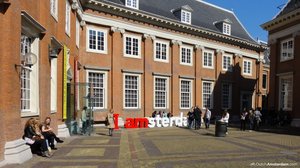 Amszteri Históriai Múzeum |
Amsterdam | 4 | Mallorca, Dorpsstraat in the Sun, Still Life |
 Stedelijk Museum |
Alkmaar | 2 | Harbor in Mallorca, A Farm in Bergen |
Samuel Schwarz pályaművei ezen az oldalon 14 éves múltat mutatnak, 1912től 1925ig: az egyes évek legnevezesebb eredeti alkotásaival jelennek meg.
Váasszon egy évet az eredetiek megtekintéséhez.


Harbor in Mallorca (1914), Stedelijk Museum, Alkmaar. Ezután A Farm in Bergen (1916) és Mallorca (1914) következik.
38 éves: Harbor in Mallorca 1914-ből származik, Samuel Schwarz pedig 1876-ben született.
Katalógusunkban 15 mű található Samuel Schwarz alkotótól, 1912 és 1925 év közötti időszakból.
Leginkább Amszteri Históriai Múzeum (Amsterdam) és Stedelijk Museum (Alkmaar) található. A fenti múzeumi táblázatban mindegyik felsorolásra került.
1914 alatt: a jelen laphonon található 6 műből 2 készült ebben az időszakban, köztük Harbor in Mallorca.
Ezen az oldalon a leghitelesebb Dorpsstraat in the Sun (1912), a legutóbbi pedig Still Life on a Set Table (1925).
Mallorca, Dorpsstraat in the Sun és Still Life: a Amszteri Históriai Múzeum, Amsterdam 4 művet őrzi ezen az oldalon.
Born in Zutphen, Netherlands, Samuel Leser Schwarz lived through a period of profound transformation in the European landscape. Known to many by the name Mommie Schwarz, he moved through the early twentieth century with a spirit that embraced the shifting boundaries of modern expression. His path was not one of quiet tradition, but rather an engagement with the bold, experimental currents of his era.
His existence spanned the turn of the century into the dark years of the 1940s, a time when the very foundations of society were being reshaped by conflict. As a painter and graphic artist, he sought to capture the essence of a changing world through the lens of new movements. His work reflects the tension between the seen and the felt.
In his studio, Schwarz found a way to communicate through the raw energy of the Avant-garde and Expressionism. He did not merely record scenes; he interpreted them. One might look at his oil on canvas works, such as Dorpsstraat in de zon from 1912, to see how he handled light and atmosphere. The brushstrokes carry a weight that speaks of the artist's internal response to the subject matter.
His technical approach allowed for a certain fluidity of thought. By working within the realms of both painting and graphic arts, he explored different textures and depths. This versatility helped him navigate the complex artistic dialogues of the early 1900s.
Though his life reached its end in Germany in 1942, the traces of his vision remain held within significant collections. His contributions to the visual record are found in places such as the Jewish Museum in the Netherlands, where pieces of his history are kept safe from the passage of time.
The importance of his work lies in its connection to the broader movements of his age. He remains a figure whose hand helped shape the experimental spirit of the early twentieth century, leaving behind works that continue to be studied for their unique perspective on the world around him.
