Robert Herdman portréja

Robert Herdman festményei: A 52 leghíresebb alkotás, egy galéria szemével

Frissítve: október 2026 · rangsorolva népszerűségi pontszámunk alapján (minden mű keresései, látogatásai és megrendelései alapján) · 52 mű Robert Herdman alkotása a katalógusunkban

Röviden

A galéria szerint Robert Herdman leghíresebb festménye a John Campbell Shairp (1819–1885), LLD (1886). The young seamstress (1860) és The Arrochar Gleaner (1862) kiegészítik azt a triót, amelyet minden szem felismer. A katalógusunkban szereplő 52 művész Robert Herdman alkotásából a galéria az alábbi 52 leghíresebbet mutatja be, amelyek mind egyedi originális művek, a készítés évszámával, a múzeum megnevezésével és a különlegességük leírásával.

1829 – 1888 Romanticism A legtöbb mű: Scottish National Portrait Gallery

A galéria top 10 Robert Herdman festménye

7
Morning (1861) szerzője Robert Herdman

Morning

1861

The painting "Morning" by Robert Inerarity Herdman is a beautiful and captivating piece of art that showcases the artist's skill and attention to detail. Created in 1861, this oil on panel painting measures 31 x 23 cm and is currently displayed at the Glasgow Museums Resource Centre in the United Kingdom. Painting Description The painting features a young child wearing a blue hat with a bow on it, holding a…

Robert Herdman festményei, 11. helyezéstől 52. helyezésig

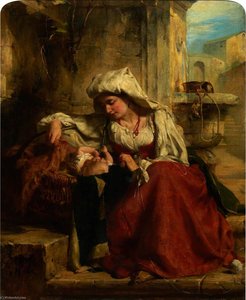
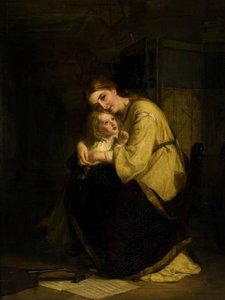
11Evening (1862) szerzője Robert HerdmanEvening1862 12'Who still in dreams can hear the heavenly harps' (1862) szerzője Robert Herdman'Who still in dreams can hear the heavenly harps'1862 13Fern Gatherer (1866) szerzője Robert HerdmanFern Gatherer1866 14After the Battle (1870) szerzője Robert HerdmanAfter the Battle1870 · Scottish National Gallery 15Sir Joseph Noel Paton (1821–1901) (1870) szerzője Robert HerdmanSir Joseph Noel Paton (1821–1901)1870 16Aeneas Ranald McDonell (1820–1897) (1868) szerzője Robert HerdmanAeneas Ranald McDonell (1820–1897)1868 17David Octavius Hill (1802–1870), RSA (1870) szerzője Robert HerdmanDavid Octavius Hill (1802–1870), RSA1870 · Royal Scottish Academy of Art - Architecture 18A Fountain Group, South Italy (1868) szerzője Robert HerdmanA Fountain Group, South Italy1868 19Mary, Queen of Scots The Farewell to France (1867) szerzője Robert HerdmanMary, Queen of Scots The Farewell to France1867 20Emily Merelina Meymott (1830–1911), Baroness Shand (1867) szerzője Robert HerdmanEmily Merelina Meymott (1830–1911), Baroness Shand1867 · Scottish National Gallery 21Execution of Mary, Queen of Scots (1867) szerzője Robert HerdmanExecution of Mary, Queen of Scots1867 22Evening Thoughts (1864) szerzője Robert HerdmanEvening Thoughts1864 · Scottish National Gallery 23La culla – Study in Italy (1864) szerzője Robert HerdmanLa culla – Study in Italy1864 · Royal Scottish Academy of Art - Architecture 24Charles Shaw Lefevre (1794–1888), 1st Viscount Eversley, in the Uniform of the Hampshire Carabiniers (1875) szerzője Robert HerdmanCharles Shaw Lefevre (1794–1888), 1st Viscount Eversley, in the Uniform of the Hampshire Carabiniers1875 25Sir James Falshaw (1810–1889), Bt, Lord Provost of Edinburgh (1874–1877) (1877) szerzője Robert HerdmanSir James Falshaw (1810–1889), Bt, Lord Provost of Edinburgh (1874–1877)1877 26C. G. Shaw (1878) szerzője Robert HerdmanC. G. Shaw1878 · County Buildings 27Sir George Harvey (1806–1876), Artist (1874) szerzője Robert HerdmanSir George Harvey (1806–1876), Artist1874 · Scottish National Portrait Gallery 28Sir James David Marwick (1826–1908), Town Clerk of Glasgow (1873–1903) (1873) szerzője Robert HerdmanSir James David Marwick (1826–1908), Town Clerk of Glasgow (1873–1903)1873 29Sir George Harvey (1806–1876), PRSA (1874) szerzője Robert HerdmanSir George Harvey (1806–1876), PRSA1874 · Royal Scottish Academy of Art - Architecture 30Thomas Carlyle (1876) szerzője Robert HerdmanThomas Carlyle1876 · The National Trust For Scotland 31Pleasures of Hope (1877) szerzője Robert HerdmanPleasures of Hope1877 32Lochiel's Warning (1878) szerzője Robert HerdmanLochiel's Warning1878 33David Laing (1793–1878), Antiquary (1874) szerzője Robert HerdmanDavid Laing (1793–1878), Antiquary1874 · Scottish National Portrait Gallery 34A Conventicle Preacher before the Justices (1876) szerzője Robert HerdmanA Conventicle Preacher before the Justices1876 · Royal Scottish Academy of Art - Architecture 35Sir Theodore Martin (1876) szerzője Robert HerdmanSir Theodore Martin1876 · National Portrait Gallery 36Thomas Carlyle (1795–1881) (1875) szerzője Robert HerdmanThomas Carlyle (1795–1881)1875 · Dumfries Museum And Camera Obscura 37The Conference between Mary, Queen of Scots and John Knox at Holyrood Palace, 1561 (1875) szerzője Robert HerdmanThe Conference between Mary, Queen of Scots and John Knox at Holyrood Palace, 15611875 38George Rough (1801–1888), Provost of Dundee (1853–1856) (1882) szerzője Robert HerdmanGeorge Rough (1801–1888), Provost of Dundee (1853–1856)1882 39Wae's Me (1879) szerzője Robert HerdmanWae's Me1879 40Alexander Laing, LLD, Newburgh (1885) szerzője Robert HerdmanAlexander Laing, LLD, Newburgh1885 41Self Portrait (1883) szerzője Robert HerdmanSelf Portrait1883 42Peter Clouston, Lord Provost of Glasgow (1860–1863) (1883) szerzője Robert HerdmanPeter Clouston, Lord Provost of Glasgow (1860–1863)1883 43Reverend George S. Burns, Minister of Glasgow Cathedral (1881) szerzője Robert HerdmanReverend George S. Burns, Minister of Glasgow Cathedral1881 44Sir William Collins (1817–1895), Lord Provost of Glasgow (1877–1880) (1881) szerzője Robert HerdmanSir William Collins (1817–1895), Lord Provost of Glasgow (1877–1880)1881 45Sir James Watson (1801–1889), Lord Provost of Glasgow (1871–1874) (1882) szerzője Robert HerdmanSir James Watson (1801–1889), Lord Provost of Glasgow (1871–1874)1882 46Bouverie Francis Primrose (1813–1898), Secretary to the Board of Trustees for Manufactures and Fisheries (1883) szerzője Robert HerdmanBouverie Francis Primrose (1813–1898), Secretary to the Board of Trustees for Manufactures and Fisheries1883 · Scottish National Portrait Gallery 47A Sprig of Arran Heather szerzője Robert HerdmanA Sprig of Arran Heather 48A Pilot szerzője Robert HerdmanA Pilot 49Saint Columba Rescuing a Captive (1883) szerzője Robert HerdmanSaint Columba Rescuing a Captive1883 50Corrie, a Crofter's Harvest szerzője Robert HerdmanCorrie, a Crofter's Harvest 51Sleep szerzője Robert HerdmanSleepLeeds Art Gallery 52Sir Joseph Noel Paton (1821–1901), RSA szerzője Robert HerdmanSir Joseph Noel Paton (1821–1901), RSARoyal Scottish Academy of Art - Architecture

A témák, amelyek Robert Herdman figyelmét meghúzták

A négy leggyakorobban előforduló téma ebben az eredeti művekben, mindegyik a legkiválóbb példájával.

A műemlékek, amelyek Robert Herdman eredeti műveit őrzik

A 8 olyan múzeum, amely a legtöbb ezen az oldalon szereplő festményet őrzi.

Múzeumok Város Robert Herdman művei Ebből a listából származó festmények
Scottish National Portrait Gallery, EdinburghScottish National Portrait Gallery Edinburgh 5 Thomas Carlyle (1795–1881), Historian and Essayist, Reverend John Tulloch (1823–1886), Theologian and Principal of St Andrews University, Sir George Harvey (1806–1876), Artist
Royal Scottish Academy of Art - Architecture, EdinburghRoyal Scottish Academy of Art - Architecture Edinburgh 5 David Octavius Hill (1802–1870), RSA, La culla – Study in Italy, Sir George Harvey (1806–1876), PRSA
Scottish National Gallery, EdinburghScottish National Gallery Edinburgh 3 After the Battle, Emily Merelina Meymott (1830–1911), Baroness Shand, Evening Thoughts
County Buildings, AyrCounty Buildings Ayr 1 C. G. Shaw
The National Trust For Scotland, EcclesburnThe National Trust For Scotland Ecclesburn 1 Thomas Carlyle
National Portrait Gallery, LondonNational Portrait Gallery London 1 Sir Theodore Martin
Dumfries Museum And Camera Obscura, DumfriesDumfries Museum And Camera Obscura Dumfries 1 Thomas Carlyle (1795–1881)
Leeds Art Gallery, LeedsLeeds Art Gallery Leeds 1 Sleep

Robert Herdman, egy aláírott festmény évtizedenként

Művek évtizedenként

Váassz ki egy évtizedet, hogy megnézhesd az azt meghatározó eredetiműveket.

Robert Herdman festményei: a galéria válaszai

Melyik Robert Herdman festmény a leghíresebb?Fedje fel a választ

John Campbell Shairp (1819–1885), LLD (1886). Ezt követi The young seamstress (1860) és The Arrochar Gleaner (1862).

Hány éves volt Robert Herdman, amikor elkészítette a(t): John Campbell Shairp (1819–1885), LLD?Fedje fel a választ

57 éves: John Campbell Shairp (1819–1885), LLD 1886-ből származik, Robert Herdman pedig 1829-ben született.

Melyek Robert Herdman top 10 festménye?Fedje fel a választ

John Campbell Shairp (1819–1885), LLD, The young seamstress, The Arrochar Gleaner, Thomas Carlyle (1795–1881), Historian and Essayist, John Tulloch (1823–1886), Reverend John Tulloch (1823–1886), Theologian and Principal of St Andrews University, Morning, The Time of Primroses, Bonny Bell és The Gleaner. A fenti rangsor a művek évszamarát és a múzeumát jelzi.

Hány műve született Robert Herdman nevére?Fedje fel a választ

Katalógusunkban 52 mű található Robert Herdman alkotótól, 1854 és 1886 év közötti időszakból.

Hol találhatóak Robert Herdman leghíresebb eredeti művei?Fedje fel a választ

Leginkább Scottish National Portrait Gallery (Edinburgh), Royal Scottish Academy of Art - Architecture (Edinburgh) és Scottish National Gallery (Edinburgh) található. A fenti múzeumi táblázatban mindegyik felsorolásra került.

Mikor festette Robert Herdman le leghíresebb műveit?Fedje fel a választ

1870s alatt: a jelen laphonon található 52 műből 19 készült ebben az időszakban, köztük Thomas Carlyle (1795–1881), Historian and Essayist.

Melyek Robert Herdman legkorábbi és legutóbbi híres művei?Fedje fel a választ

Ezen az oldalon a leghitelesebb The Time of Primroses (1854), a legutóbbi pedig John Campbell Shairp (1819–1885), LLD (1886).

Mely témakörökkel foglaltaszkodott a legtöbbször Robert Herdman?Fedje fel a választ

Victorian era (3), Portraiture (2) és Elderly man (2), a jelen oldalon található 52 műművészeti alkotás között.

Mely művészeti irányhoz tartozik Robert Herdman?Fedje fel a választ

Romanticism, ezen az oldalon található eredetiek alapján.

Mely Robert Herdman eredeti műveit őrzi a Scottish National Portrait Gallery?Fedje fel a választ

Thomas Carlyle (1795–1881), Historian and Essayist, Reverend John Tulloch (1823–1886), Theologian and Principal of St Andrews University és Sir George Harvey (1806–1876), Artist: a Scottish National Portrait Gallery, Edinburgh 5 művet őrzi ezen az oldalon.

Robert Herdman: a művész

A Victorian Visionary: The Life and Legacy of Robert Inerarity Herdman

Robert Inerarity Herdman (1829–1888) stands as a luminous figure within the landscape of nineteenth-century Scottish art, a painter whose brush captured not merely the physical likeness of his subjects but the very soul of the Celtic Revival. Born in the quiet beauty of Rattray, near Blairgowrie, Perthshire, Herdman’s early life was marked by a profound intellectual depth. Though he initially turned his studies toward theology at St Andrews University, the calling of the canvas proved irresistible. This transition from the spiritual study of divinity to the visual exploration of light and form would define his career, allowing him to infuse his later works with a sense of sacredness and mythic resonance that few of his contemporaries could replicate. By 1847, Herdman had migrated to Edinburgh, seeking the mentorship of the era's most distinguished masters, Robert Scott Lauder and John Ballantyne. Under their rigorous tutelage, he developed a meticulous technique characterized by an extraordinary command over oil painting. His training was not merely technical but deeply philosophical; through his friendship with Professor John Stuart Blackie, Herdman became intimately acquainted with the richness of Celtic mythology and folklore. This influence acted as a guiding star for his artistic development, steering him away from mere academic realism toward a more evocative, narrative style that celebrated the pastoral beauty and spiritual heritage of Scotland.

Mastery of Portraiture and the Pastoral Ideal

Herdman’s professional ascent was marked by significant institutional recognition, including his election as an Associate of the Royal Scottish Academy in 1861 and his subsequent elevation to Fellow in 1863. His reputation as a premier portraitist was solidified through prestigious commissions from various Scottish city councils, where he captured the dignity, character, and gravitas of the nation's most prominent figures. In these works, one observes a masterful use of chiaroscuro, where light and shadow dance across the features of his subjects to reveal layers of psychological depth. His portrait of Thomas Carlyle in 1875 remains a hauntingly beautiful study, utilizing heavy impasto and somber tones to embody the intellectual intensity of the great historian. Yet, while his portraits commanded respect in the halls of power, it is perhaps his more intimate, idyllic scenes that have secured his place in the hearts of art lovers. Herdman possessed a unique ability to weave storytelling into the landscape, most notably through his celebrated series of paintings featuring young girls amidst picturesque, folkloric settings. In works such as "Morning", created in 1861, he presents a serene world where a child in a blue hat holds a musical instrument against a backdrop of tranquil mountains and water. These compositions are more than mere depictions of childhood; they are windows into a romanticized, pastoral Eden, reflecting a deep-seated nostalgia for a vanishing way of life.

Historical Significance and Artistic Endurance

The breadth of Herdman’s impact is evidenced by the enduring presence of his work in some of the world's most esteemed collections. From the National Portrait Gallery in London to the Royal Scottish Academy, his canvases continue to serve as vital touchstones for understanding the Victorian era's aesthetic and cultural shifts. His ability to bridge the gap between formal, high-society portraiture and the emotive, myth-driven landscapes of the Celtic movement allowed him to speak to a wide audience, from the political elite to the romantic dreamer. As we reflect on his life, several key elements define his enduring historical importance:
  • The Synthesis of Traditions: His unique ability to blend the rigorous academic training of Edinburgh with the burgeoning spirit of the Celtic Revival.
  • Narrative Depth: The use of landscape not just as a setting, but as a vessel for folklore, emotion, and spiritual contemplation.
  • Technical Versatility: A mastery that spanned from the somber, realistic studies of historical figures to the bright, delicate textures of his pastoral scenes.
Though he passed away in 1888, the vision of Robert Inerarity Herdman remains undimmed. His work continues to resonate as a testament to a period when art sought to reconcile the burgeoning modern world with the ancient, enchanting echoes of the Scottish past.