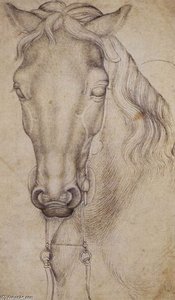
Pisanello portréja

Pisanello festményei: A 30 leghíresebb alkotás, egy galéria szemével

Frissítve: november 2026 · rangsorolva népszerűségi pontszámunk alapján (minden mű keresései, látogatásai és megrendelései alapján) · 31 mű Pisanello alkotása a katalógusunkban

Röviden

A galéria szerint Pisanello leghíresebb festménye a Sigismondo Pandolfo Malatesta, Lord of Rimini (1445), amelynek eredeti példája a Calouste Gulbenkian Foundation múzeumában található, Lisabon városában. Alfonso V of Aragon, King of Naples and Sicily (1449) és Apes (from The Artist S Sketchbook). Drawing. Louvre Museum, Paris (1430) kiegészítik azt a triót, amelyet minden szem felismer. A katalógusunkban szereplő 31 művész Pisanello alkotásából a galéria az alábbi 30 leghíresebbet mutatja be, amelyek mind egyedi originális művek, a készítés évszámával, a múzeum megnevezésével és a különlegességük leírásával.

1395 – 1455, Pisa International gothic A legtöbb mű: Calouste Gulbenkian Foundation

A galéria top 10 Pisanello festménye

1
Sigismondo Pandolfo Malatesta, Lord of Rimini (1445) (1889) -ja Pisanello

Sigismondo Pandolfo Malatesta, Lord of Rimini

1445 · Bronze · Calouste Gulbenkian Foundation, Lisabon

A Portrait of Regal Dignity: Pisanello's Coin Depiction of Sigismondo Malatesta The bronze coin bearing the portrait of Sigismondo Pandolfo Malatesta, Lord of Rimini, stands as a testament to Antonio di Puccio Pisano’s extraordinary artistic vision—a figure who bridged the gap between the opulent International Gothic style and the nascent Renaissance. More than just a depiction of a nobleman, this miniature masterpiece encapsulates the spirit of its time, reflecting the…

2
Alfonso V of Aragon, King of Naples and Sicily (1449) (1889) -ja Pisanello

Alfonso V of Aragon, King of Naples and Sicily

1449 · Bronze · Calouste Gulbenkian Foundation, Lisabon

The bronze surface holds the likeness of Alfonso V of Aragon, King of Naples and Sicily, as he appears in a moment of quiet, regal authority. Created about 1449, this portrait by Pisanello captures the sovereign in profile, a style that echoes the ancient coins of a bygone era. The king wears a crown that rests firmly upon his head, signaling his dominion over his realms. His features are rendered…

3
Apes (from The Artist S Sketchbook). Drawing. Louvre Museum, Paris (1430) (1889) -ja Pisanello

Apes (from The Artist S Sketchbook). Drawing. Louvre Museum, Paris

1430 · Ink On Paper

Apes (from The Artist S Sketchbook). Drawing. Louvre Museum, Paris is a study of three monkeys executed by the artist Pisanello. Created about 1430, this work originates from the artist's extensive repertoire of naturalistic observations. The drawing functions as a focused anatomical investigation of primate forms.

4
Vittorino Rambaldoni, called Da Feltre, humanist and teacher (1446) (1889) -ja Pisanello

Vittorino Rambaldoni, called Da Feltre, humanist and teacher

1446 · Bronze · Calouste Gulbenkian Foundation, Lisabon

A single bronze coin holds the weight of a man’s gaze. Within its circular edge, the face of Vittorino Rambaldoni emerges from the metal, etched with the precision of a late Gothic hand. He wears a plain hat and a simple robe, his features marked by a lean, grizzled texture. A faint, bemused smile rests upon his lips, caught in the permanent stillness of cast copper alloy. The artist used…

5
Sketches of the Emperor John VIII Palaeologus, a Monk, and a Scabbard (1438) (1889) -ja Pisanello

Sketches of the Emperor John VIII Palaeologus, a Monk, and a Scabbard

1438 · Ink On Paper

In the delicate dance of pen and ink, we find a profound moment frozen in time from the year 1438. Pisanello, a master who stood at the threshold between the ornate elegance of the International Gothic style and the burgeoning humanism of the Renaissance, presents us with his Sketches of the Empero John VIII Palaeologus, a Monk, and a Scabbard. This work is not merely a drawing; it is a…

7
Study Of Horse Heads. Pen On Paper. 29 X 19 Cm. Louvre Museum, Paris (1433) (1889) -ja Pisanello

Study Of Horse Heads. Pen On Paper. 29 X 19 Cm. Louvre Museum, Paris

1433 · Ink On Paper

Study Of Horse Heads. Pen On Paper. 29 X 19 Cm. Louvre Museum, Paris by Pisanello, created about 1433, presents a detailed study of equine anatomy and tack. The composition is vertically oriented, organizing the page into two distinct sections. These two horse head studies are layered one above the other to allow for comparative observation.

8
The Luxury. Drawing. Graphische Sammlung Albertina, Vienna, Austria (1420) (1889) -ja Pisanello

The Luxury. Drawing. Graphische Sammlung Albertina, Vienna, Austria

1420 · Drawing

The Luxury. Drawing. Graphische Sammlung Albertina, Vienna, Austria by Pisanello, created about 1420, presents a central female figure set against a minimalistic, plain background. The woman is depicted in a seated, relaxed pose. One of her arms rests upon her thigh, while her other arm is draped over her knee. She wears an elaborate headdress adorned with foliage or flowers. Her hair is long and curly, cascading down her back.…

9
Portrait of the Emperor Sigismund, parchm (1433) (1889) -ja Pisanello

Portrait of the Emperor Sigismund, parchm

1433 · Tempera On Panel

The Portrait of the Emperor Sigismund, parchm by Pisanello presents a striking encounter with a ruler of immense gravity. The subject of this work is Emperor Sigismund, who lived from 1369 to 1437. In this depiction, the emperor gazes out from the past, his presence defined by a long, flowing beard and a distinctive red hat that rests upon his head. The artist, Pisanello, captures a sense of regal authority…

10
Portrait Of Emperor Sigismund Of Luxembourg. Tempera On Vellum Stuck On Wood. 64 X 49 Cm. Kunsthistorisches Museum, Vienna, Austria (1433) (1889) -ja Pisanello

Portrait Of Emperor Sigismund Of Luxembourg. Tempera On Vellum Stuck On Wood. 64 X 49 Cm. Kunsthistorisches Museum, Vienna, Austria

1433

Portrait Of Emperor Sigismund Of Luxembourg. Tempera On Vellum Stuck On Wood. 64 X 49 Cm. Kunsthistorisches Museum, Vienna, Austria by Pisanello represents a significant example of early 15th-century portraiture. Created about 1433, the work utilizes tempera on vellum applied to a wooden support. The subject is depicted with a beard and mustache, wearing a red hat that defines the upper composition. His gaze is directed into the distance, capturing…

Pisanello festményei, 11. helyezéstől 30. helyezésig

Pisanello híres festményei, korszakonként

A témák, amelyek Pisanello figyelmét meghúzták

A négy leggyakorobban előforduló téma ebben az eredeti művekben, mindegyik a legkiválóbb példájával.

A műemlékek, amelyek Pisanello eredeti műveit őrzik

A 8 olyan múzeum, amely a legtöbb ezen az oldalon szereplő festményet őrzi.

Múzeum Város Pisanello művei Ebből a listából származó festmények
Calouste Gulbenkian Foundation, LisabonCalouste Gulbenkian Foundation Lisabon 6 Sigismondo Pandolfo Malatesta, Lord of Rimini, Alfonso V of Aragon, King of Naples and Sicily, Vittorino Rambaldoni, called Da Feltre, humanist and teacher
Kupferstichkabinett, BerlinKupferstichkabinett Berlin 2 A Boar Hunt with Hounds and Two Naked Men, Two male figure studies and St Peter
National Gallery, LondonNational Gallery London 2 The vision of Saint Eustace, NG London, Apparition Of The Virgin To Sts Anthony Abbot And George. Panel. 47 X 29 Cm. National Gallery, London, Uk
Albertina, BécsAlbertina Bécs 1 Allegory of Luxuria (recto), c. 1426
Museo Arqueológico Nacional, MadridMuseo Arqueológico Nacional Madrid 1 Medal of Filippo Maria Visconti, 3rd Duke of Milan\n\nObverse
Accademia Carrara, BergamoAccademia Carrara Bergamo 1 Portrait Of Leonello D Este. Tempera On Wood. 28 X 19 Cm. Accademia Carrara, Bergamo, Italy
Castelvecchio Museum, VeronaCastelvecchio Museum Verona 1 Madone_a_la_caille
Palazzo Ducale, MantovaPalazzo Ducale Mantova 1 Trophy scene

Pisanello, egy aláírott festmény évtizedenként

Művek évtizedenként

Váassz ki egy évtizedet, hogy megnézhesd az azt meghatározó eredetiműveket.

Pisanello festményei: a galéria válaszai

Melyik Pisanello festmény a leghíresebb?Fedje fel a választ

Sigismondo Pandolfo Malatesta, Lord of Rimini (1445), Calouste Gulbenkian Foundation, Lisabon. Ezután Alfonso V of Aragon, King of Naples and Sicily (1449) és Apes (from The Artist S Sketchbook). Drawing. Louvre Museum, Paris (1430) következik.

Hány éves volt Pisanello, amikor elkészítette a(t): Sigismondo Pandolfo Malatesta, Lord of Rimini?Fedje fel a választ

50 éves: Sigismondo Pandolfo Malatesta, Lord of Rimini 1445-ből származik, Pisanello pedig 1395-ben született.

Melyek Pisanello top 10 festménye?Fedje fel a választ

Sigismondo Pandolfo Malatesta, Lord of Rimini, Alfonso V of Aragon, King of Naples and Sicily, Apes (from The Artist S Sketchbook). Drawing. Louvre Museum, Paris, Vittorino Rambaldoni, called Da Feltre, humanist and teacher, Sketches of the Emperor John VIII Palaeologus, a Monk, and a Scabbard, Horses. Pen On Paper. 20 X 16.5 Cm. Louvre Museum, Paris, Study Of Horse Heads. Pen On Paper. 29 X 19 Cm. Louvre Museum, Paris, The Luxury. Drawing. Graphische Sammlung Albertina, Vienna, Austria, Portrait of the Emperor Sigismund, parchm és Portrait Of Emperor Sigismund Of Luxembourg. Tempera On Vellum Stuck On Wood. 64 X 49 Cm. Kunsthistorisches Museum, Vienna, Austria. A fenti rangsor a művek évszamarát és a múzeumát jelzi.

Hány műve született Pisanello nevére?Fedje fel a választ

Katalógusunkban 31 mű található Pisanello alkotótól, 1420 és 1449 év közötti időszakból.

Hol találhatóak Pisanello leghíresebb eredeti művei?Fedje fel a választ

Leginkább Calouste Gulbenkian Foundation (Lisabon), Kupferstichkabinett (Berlin) és National Gallery (London) található. A fenti múzeumi táblázatban mindegyik felsorolásra került.

Mikor festette Pisanello le leghíresebb műveit?Fedje fel a választ

1430s alatt: a jelen laphonon található 30 műből 13 készült ebben az időszakban, köztük Apes (from The Artist S Sketchbook). Drawing. Louvre Museum, Paris.

Melyek Pisanello legkorábbi és legutóbbi híres művei?Fedje fel a választ

Ezen az oldalon a leghitelesebb The Luxury. Drawing. Graphische Sammlung Albertina, Vienna, Austria (1420), a legutóbbi pedig Alfonso V of Aragon, King of Naples and Sicily (1449).

Mely témakörökkel foglaltaszkodott a legtöbbször Pisanello?Fedje fel a választ

Renaissance (6), Portrait (6) és Medal (4), a jelen oldalon található 30 műművészeti alkotás között.

Melyik technikával foglalt leginkább Pisanello?Fedje fel a választ

Bronze, a jelen oldalon található 30 műből 6 darab esetén.

Mely művészeti irányhoz tartozik Pisanello?Fedje fel a választ

International gothic, ezen az oldalon található eredetiek alapján.

Mely Pisanello eredeti műveit őrzi a Calouste Gulbenkian Foundation?Fedje fel a választ

Sigismondo Pandolfo Malatesta, Lord of Rimini, Alfonso V of Aragon, King of Naples and Sicily és Vittorino Rambaldoni, called Da Feltre, humanist and teacher: a Calouste Gulbenkian Foundation, Lisabon 6 művet őrzi ezen az oldalon.

Pisanello: a művész

Pisanello (1395–1455): Bridging Gothic Splendor and Renaissance Innovation

  • Early Life & Training
  • The Venetian Years & Artistic Flourishing
  • Notable Paintings & Frescoes
  • Drawing & Medal Engraving: A Pioneer’s Legacy
  • Influence & Historical Significance

Early Life & Training

Antonio di Puccio Pisano, known universally as Pisanello, emerged from the artistic crucible of Pisa around 1395—a pivotal figure marking the cusp between the opulent International Gothic style and the burgeoning Renaissance. Precise biographical details remain elusive, obscured by fragmentary records and scholarly debate. However, what is undeniable is his formative immersion in Veronese painting traditions, a foundation that would indelibly shape his artistic sensibilities and technical prowess. His early years were spent absorbing the refined aesthetics of Gentile da Fabriano’s workshop—a crucible where meticulous observation and masterful draftsmanship took root. This apprenticeship instilled within him not merely stylistic conventions but also an appreciation for luxurious fabrics and shimmering surfaces, characteristics that would permeate his subsequent oeuvre. The influence of Stefano da Verona likely contributed to his formative artistic development, grounding him in the Veronese tradition.

The Venetian Years & Artistic Flourishing

Around 1415-1420, Pisanello embarked on a crucial partnership with Gentile da Fabriano, solidifying his trajectory toward artistic excellence. From Gentile, he inherited not only technical mastery but also a discerning eye for precious materials—a hallmark of Venetian art during this period—and an unwavering commitment to meticulous detail. This collaboration yielded masterpieces such as *Saint George and the Princess of Trebizond*, a fresco adorning the Pellegrini Chapel in Verona’s Church of Sant’Anastasia, which embodies the harmonious blend of Gothic refinement and Renaissance naturalism. His involvement with Andrea del Castagno further enriched his artistic repertoire, fostering an understanding of humanist ideals and contributing to the stylistic evolution of Venetian painting. He served as court painter for Ludovico Gonzaga—the young Marchese of Mantua—demonstrating his versatility and securing commissions that showcased his ability to capture likeness and convey status.

Notable Paintings & Frescoes

Pisanello’s artistic output, though fragmented by loss and misattribution, reveals a remarkably diverse talent. His *Madonna of the Quail*, signed “Antonius Pisanus,” exemplifies this mastery—a testament to his ability to synthesize disparate influences into a singularly personal artistic vision. Beyond these celebrated works, he completed frescoes begun by Gentile da Fabriano at the Basilica of St John Lateran in Rome after his mentor’s untimely death—a poignant demonstration of his dedication and technical skill. His magnum opus remains *Saint George and the Princess*, a fresco that transcends mere depiction; it's a vibrant tapestry woven with courtly life, exotic animals, and intricate details that transport the viewer to a fantastical realm. The meticulous draftsmanship evident in these paintings underscores Pisanello’s profound understanding of artistic principles—a legacy that continues to inspire admiration centuries later.

Drawing & Medal Engraving: A Pioneer’s Legacy

However, Pisanello's contribution extends far beyond monumental frescoes; his drawings stand as independent works of art—studies of fauna, flora, and human figures imbued with an unparalleled sensitivity to form and texture. These drawings reveal not merely preparatory sketches but explorations of artistic concepts—a testament to his intellectual curiosity and creative spirit. Notably, Pisanello pioneered the genre of portrait medals—effectively initiating this innovative medium and influencing generations of artists to come. His medals capture likeness with remarkable accuracy while simultaneously conveying status and commemorating significant events—a stylistic hallmark that distinguishes him from his contemporaries.

Influence & Historical Significance

Pisanello’s place in art history is secure as a transformative figure who bridged the gap between Gothic splendor and Renaissance innovation. He stands as a precursor to humanist portraiture, anticipating the stylistic trends of subsequent artists—including Leonardo da Vinci—and establishing a new standard for artistic excellence. His meticulous draftsmanship, his unwavering attention to detail, and his pioneering use of portrait medals cemented his reputation as one of the most influential painters of his era—a legacy that continues to resonate through the centuries. Despite the paucity of surviving paintings, Pisanello’s drawings and medals endure as symbols of artistic genius—inspiring awe and admiration for their beauty and sophistication.