Pedro Figari portréja

A 56 legnevesebbebb Pedro Figari festmény, mindegyik egyedistens

Frissítve: november 2026 · rangsorolva népszerűségi pontszámunk alapján (minden mű keresései, látogatásai és megrendelései alapján) · 56 mű Pedro Figari alkotása a katalógusunkban

Röviden

Tertulia at the inn before eating. The inn (1919) az a Pedro Figari festmény, amely a legtöbb tekintetet felvonja; az eredeti mű a Nemzeti Szépművészeti Múzeum gyűjteményében található, Buenos Aires. Ezután a tekintet Candombe carnival (1932) és Lavanderas En Los Medanos O Los Amigos elemre irányul. A Pedro Figari 56 műve közül a katalógusunkban megtalálható 56 legnépesebb alkotás, melyeket az év, a múzeum és az örökévalóságának okai kísérnek.

1861 – 1938, Montevideo Impressionism A legtöbb mű: Nemzeti Szépművészeti Múzeum

A galéria szemével: Pedro Figari legjobb 10 festménye

1
Tertulia at the inn before eating. The inn (1919) (1889) -ja Pedro Figari

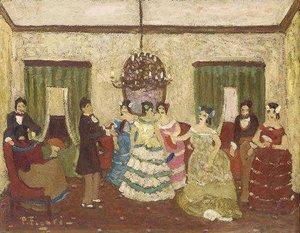
Tertulia at the inn before eating. The inn

1919 · Oil · Nemzeti Szépművészeti Múzeum, Buenos Aires

In "Tertulia at the inn before eating. The inn" by Pedro Figari, a social gathering unfolds within a crowded indoor setting. The scene captures a moment of conviviality, where a group of figures gathers in a shared space. These people are arranged across the foreground and the middle ground, creating a dense atmosphere that pulls the viewer into the center of the communal experience. The composition feels packed, as if…

2
Candombe carnival (1932) (1889) -ja Pedro Figari

Candombe carnival

1932 · Oil On Canvas · Nemzeti Szépművészeti Múzeum, Buenos Aires

In Candombe carnival, Pedro Figari captures a rhythmic pulse of movement. The scene focuses on the celebrations of the local black community, a subject rooted in the traditions of Uruguay. This work, created about 1932, distills the energy of a dance that emerged from the descendants of liberated African slaves. The figures move through a crowded space, their forms defined by the spirit of the ritual rather than strict anatomical…

3
Lavanderas En Los Medanos O Los Amigos (1889) -ja Pedro Figari

Lavanderas En Los Medanos O Los Amigos

Oil On Canvas · Nemzeti Szépművészeti Múzeum, Buenos Aires

In Lavanderas En Los Medanos O Los Amigos, Pedro Figari captures a quiet moment of companionship. Two figures stand near the water, their presence anchored by the weight of red and brown garments. A small black cat rests upon the earth, while a white horse bows its head toward the river. This scene of rural life is a fragment of memory, a reconstruction of the world as it was felt…

4
El Beso (1889) -ja Pedro Figari

El Beso

Oil On Canvas · Nemzeti Szépművészeti Múzeum, Buenos Aires

El Beso is an oil painting on canvas by Pedro Figari. Born in Montevideo in 1861, the artist lived until 1938, a period that saw him transition from a career in law and politics to a dedicated practice in the visual arts. His later years were defined by a shift toward a unique, intuitive approach to painting, often reconstructing scenes from memory rather than direct observation.

Pedro Figari híres festményei, 11 és 56 között

11La Vida (1889) -ja Pedro FigariLa Vida 12El Requiebro (1889) -ja Pedro FigariEl Requiebro 13El Patio O Patio Unitario (1889) -ja Pedro FigariEl Patio O Patio UnitarioNemzeti Szépművészeti Múzeum 14El Gaucho Candioti (1889) -ja Pedro FigariEl Gaucho CandiotiNemzeti Szépművészeti Múzeum 15Negras En La Puerta O Negras En Zaguán (1889) -ja Pedro FigariNegras En La Puerta O Negras En ZaguánNemzeti Szépművészeti Múzeum 16The Dance (Bailongo) (1925) (1889) -ja Pedro FigariThe Dance (Bailongo)1925 17Creole Dance (1925) (1889) -ja Pedro FigariCreole Dance1925 18Peeling the pava (1925) (1889) -ja Pedro FigariPeeling the pava1925 · Nemzeti Szépművészeti Múzeum 19Off for the Honeymoon (1925) (1889) -ja Pedro FigariOff for the Honeymoon1925 20Double Wedding (1930) (1889) -ja Pedro FigariDouble Wedding1930 21Idilio campero (1935) (1889) -ja Pedro FigariIdilio campero1935 · Inter-American Development Bank 22Nocturne (1918) (1889) -ja Pedro FigariNocturne1918 · Colección de Arte Amalia Lacroze de Fortabat 23A Request to Rosas (1889) -ja Pedro FigariA Request to Rosas 24Mass departure (1889) -ja Pedro FigariMass departureNemzeti Szépművészeti Múzeum 25The pampas or return of the dance (1889) -ja Pedro FigariThe pampas or return of the danceNemzeti Szépművészeti Múzeum 26Injuria (1889) -ja Pedro FigariInjuria 27La Diligancia (1889) -ja Pedro FigariLa Diligancia 28Damas Antiguas (1889) -ja Pedro FigariDamas Antiguas 29Rincón De Negros (1889) -ja Pedro FigariRincón De Negros 30Las Visitas (1889) -ja Pedro FigariLas Visitas 31La Media Caña (1889) -ja Pedro FigariLa Media Caña 32Pericón - (1889) -ja Pedro FigariPericón -Nemzeti Szépművészeti Múzeum 33Jardín Bajo La Luna O Quietud En La Quinta (1889) -ja Pedro FigariJardín Bajo La Luna O Quietud En La QuintaNemzeti Szépművészeti Múzeum 34El Pericón (1889) -ja Pedro FigariEl Pericón 35Negros Y Mulatas (1889) -ja Pedro FigariNegros Y Mulatas 36Patio (1889) -ja Pedro FigariPatioNemzeti Szépművészeti Múzeum 37Cuestión De Razas (1889) -ja Pedro FigariCuestión De Razas 38Alevosía (1889) -ja Pedro FigariAlevosía 39Works Of Pedro Figari (1889) -ja Pedro FigariWorks Of Pedro Figari 40Los miriñaques (1889) -ja Pedro FigariLos miriñaques 41Reunión Colonial (1889) -ja Pedro FigariReunión Colonial 42Pampa (1889) -ja Pedro FigariPampaNemzeti Szépművészeti Múzeum 43Deliberando (1889) -ja Pedro FigariDeliberando 44Hacia La Fiesta (1889) -ja Pedro FigariHacia La Fiesta 45Cuarteleras (1889) -ja Pedro FigariCuartelerasNemzeti Szépművészeti Múzeum 46Confidencia (1889) -ja Pedro FigariConfidenciaNemzeti Szépművészeti Múzeum 47Camelias Blancas (1889) -ja Pedro FigariCamelias Blancas 48Las Vecinas (1889) -ja Pedro FigariLas VecinasNemzeti Szépművészeti Múzeum 49Candombe (1889) -ja Pedro FigariCandombeNemzeti Szépművészeti Múzeum 50Candombe O Candombe Bajo La Luna (1889) -ja Pedro FigariCandombe O Candombe Bajo La LunaNemzeti Szépművészeti Múzeum 51Lamento (1889) -ja Pedro FigariLamentoNemzeti Szépművészeti Múzeum 52Cancha De Bochas (1889) -ja Pedro FigariCancha De BochasNemzeti Szépművészeti Múzeum 53Pericón (1889) -ja Pedro FigariPericónNemzeti Szépművészeti Múzeum 54Baile En El Rancho (1889) -ja Pedro FigariBaile En El RanchoNemzeti Szépművészeti Múzeum 55Una Diligencia (1889) -ja Pedro FigariUna DiligenciaNemzeti Szépművészeti Múzeum 56Tertulia (1889) -ja Pedro FigariTertuliaNemzeti Szépművészeti Múzeum

Pedro Figari híres festményei, korszakonként

A témák, amelyek Pedro Figari figyelmét meghúzták

A négy leggyakorobban előforduló téma ebben az eredeti művekben, mindegyik a legkiválóbb példájával.

A műemlékek, amelyek Pedro Figari eredeti műveit őrzik

A 3 olyan múzeum, amely a legtöbb ezen az oldalon szereplő festményet őrzi.

Múzeum Város Pedro Figari művei Ebből a listából származó festmények
Nemzeti Szépművészeti Múzeum, Buenos AiresNemzeti Szépművészeti Múzeum Buenos Aires 25 Tertulia at the inn before eating. The inn, Candombe carnival, Lavanderas En Los Medanos O Los Amigos
Inter-American Development Bank, Washington, D.C.Inter-American Development Bank Washington, D.C. 1 Idilio campero
Colección de Arte Amalia Lacroze de Fortabat, Buenos AiresColección de Arte Amalia Lacroze de Fortabat Buenos Aires 1 Nocturne

Pedro Figari évtizedekig: egy egyedi eredeti mű minden évtizedben

Művek évtizedenként

Váassz ki egy évtizedet, hogy megnézhesd az azt meghatározó eredetiműveket.

Pedro Figari festményei: kérdések a galériának

Mi a leghíresebb műve Pedro Figarinek?Fedje fel a választ

Tertulia at the inn before eating. The inn (1919), Nemzeti Szépművészeti Múzeum, Buenos Aires. Ezután Candombe carnival (1932) és Lavanderas En Los Medanos O Los Amigos következik.

Milyen életkorában alkotta meg Pedro Figari a(z) Tertulia at the inn before eating. The inn műszt?Fedje fel a választ

58 éves: Tertulia at the inn before eating. The inn 1919-ből származik, Pedro Figari pedig 1861-ben született.

Melyik tíz festménye Pedro Figari a leghíresebb?Fedje fel a választ

Tertulia at the inn before eating. The inn, Candombe carnival, Lavanderas En Los Medanos O Los Amigos, El Beso, While the Ball Rolls, El Maturrango, Encuentro En El Camino, Carreta, La Amita és Preparando El Candombe. A fenti rangsor a művek évszamarát és a múzeumát jelzi.

Hány mű alkotása ismert Pedro Figari nevében?Fedje fel a választ

Katalógusunkban 56 mű található Pedro Figari alkotótól, 1918 és 1935 év közötti időszakból.

Hol tekinthetők meg a leghíresebb Pedro Figari eredetijeit?Fedje fel a választ

Leginkább Nemzeti Szépművészeti Múzeum (Buenos Aires), Inter-American Development Bank (Washington, D.C.) és Colección de Arte Amalia Lacroze de Fortabat (Buenos Aires) található. A fenti múzeumi táblázatban mindegyik felsorolásra került.

Melyik időszakban alkotta Pedro Figari a leghíresebb festményeit?Fedje fel a választ

1920s alatt: a jelen laphonon található 56 műből 4 készült ebben az időszakban, köztük The Dance (Bailongo).

Melyik híres Pedro Figari festmény a legkorábbi, és melyik a legutóbb készült?Fedje fel a választ

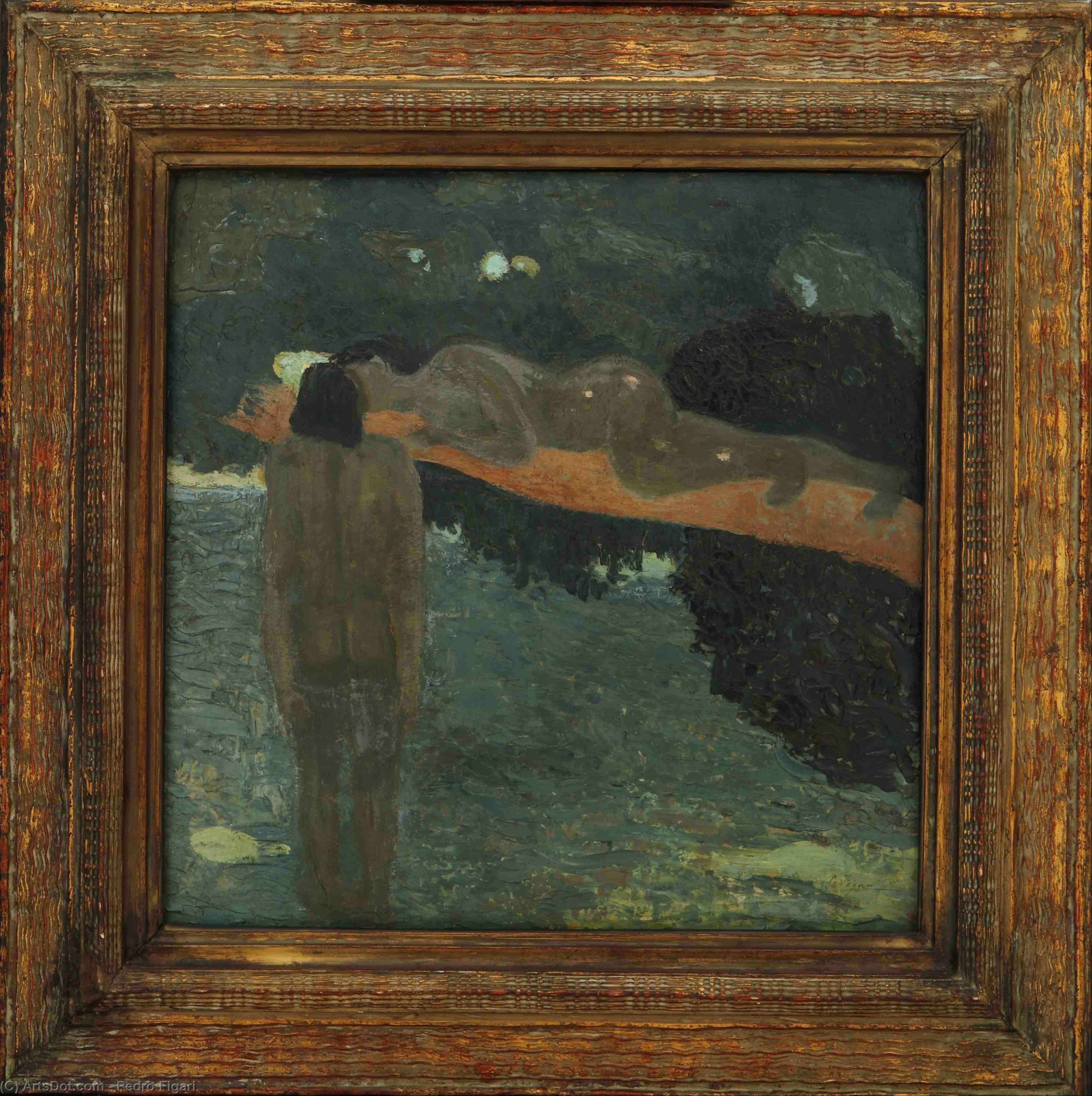
Ezen az oldalon a leghitelesebb Nocturne (1918), a legutóbbi pedig Idilio campero (1935).

Milyen témakörket kedvelt Pedro Figari?Fedje fel a választ

People (4), Social gathering (4) és Uruguayan culture (3), a jelen oldalon található 56 műművészeti alkotás között.

Milyen anyagokkal festett leggyakrabban Pedro Figari?Fedje fel a választ

Oil On Canvas, a jelen oldalon található 56 műből 3 darab esetén.

Mely művészeti irányba tartozik Pedro Figari műve?Fedje fel a választ

Impressionism és Modernism, ezen az oldalon található eredetiek alapján.

Milyen Pedro Figari eredeti műveket láthatok a Nemzeti Szépművészeti Múzeum kiállításaiban?Fedje fel a választ

Tertulia at the inn before eating. The inn, Candombe carnival és Lavanderas En Los Medanos O Los Amigos: a Nemzeti Szépművészeti Múzeum, Buenos Aires 25 művet őrzi ezen az oldalon.

Pedro Figari: a művész portréja

A Life Imbued with Uruguayan Essence

Pedro Figari, a name inextricably linked to the vibrant heart of Uruguay, was far more than simply a painter; he was a profound cultural observer and a pivotal figure in the blossoming of Latin American modernism. Born in Montevideo in 1861, his life unfolded as a rich tapestry woven with threads of law, politics, literature, and ultimately, an unparalleled artistic vision. Initially pursuing a career in law – a profession that instilled within him a keen understanding of social dynamics and justice – Figari’s path took an unexpected turn when he began to channel the raw realities he witnessed into his art. His early legal work defending the marginalized exposed him to the struggles of everyday people, experiences that would later fuel the emotional core of his paintings. A marriage in 1886 brought him to France, a pivotal moment where he encountered the revolutionary currents of post-impressionism – an encounter that subtly shaped his artistic sensibilities without fundamentally altering his unique perspective. However, it was in 1921, at the remarkable age of sixty, that Figari truly embraced painting as his primary vocation, unleashing a torrent of creativity that would forever alter the landscape of Latin American art.

From Legal Chambers to Artistic Visions

For decades prior to this transformative shift, Figari had maintained a remarkably diverse and intellectually stimulating life. He was deeply involved in Uruguayan public affairs, serving as a respected member of Parliament, directing the Escuela Nacional de Artes y Oficios (National School of Arts and Crafts), and contributing significantly to intellectual discourse through his writings on law, education, aesthetics, and even utopian ideals. This multifaceted engagement wasn’t a distraction from his artistic aspirations; rather, it profoundly enriched them. His legal training cultivated an acute observational skill and a sensitivity to the complexities of human relationships, while his literary pursuits honed his ability to articulate complex ideas with remarkable clarity and nuance. The move to Buenos Aires in 1921 proved to be a catalyst for this final transformation. It was there that he shed the constraints imposed by earlier, more academically-influenced styles and began to forge a truly distinctive artistic voice – one rooted firmly in the memory of his homeland. He deliberately abandoned meticulous realism, opting instead for a more intuitive approach, prioritizing feeling and essence over strict adherence to photographic accuracy. This deliberate shift reflected a desire to capture not just *what* he saw, but *how* he remembered—a process that imbued his work with an intensely personal and nostalgic quality.

A Pioneer’s Palette: Style and Subject Matter

Figari's artistic style is immediately recognizable for its bold color palettes, dynamic brushstrokes, and seemingly naïve simplicity. He wasn’t interested in creating illusions of depth or photographic realism; instead, he treated his canvases as vibrant studies in color and form, reconstructing scenes from the fragmented recollections of his past. His subjects were drawn almost exclusively from the world he knew intimately – the gauchos (cowboys) roaming the vast pampas grasslands, lively carnival celebrations brimming with energy and color, the solemn rituals and daily life of Montevideo’s black community, and the quiet intimacy of colonial patios bathed in golden light. These weren't merely picturesque depictions; they were poignant reflections on Uruguayan identity, social customs, and a disappearing way of life – a subject he felt compelled to document before it was lost forever. He captured fleeting moments—a dance in progress, a gathering of friends sharing stories, a street scene teeming with activity—with an immediacy that felt both timeless and deeply rooted in place. His technique, often employing *impasto* (thickly applied paint) with visible brushstrokes, further emphasized the expressive power of color and texture, creating paintings that pulsated with energy and emotion. The deliberate roughness of his application was a key element of his style, conveying a sense of immediacy and unfiltered experience.

Breaking with Tradition: A Latin American Voice

Pedro Figari emerged during a crucial period in Latin American art history – the early 20th century – a time when artists were actively seeking to break free from the dominance of European artistic traditions and forge their own unique aesthetic identities. Traditional academic painting, often focused on historical or religious subjects and prioritizing technical skill over genuine emotional expression, was increasingly being challenged. Figari boldly defied this convention by embracing a more direct, unpretentious style that allowed him to subtly critique social norms and celebrate the vibrant diversity of Uruguayan culture. He believed in the power of art to connect with the everyday experiences of ordinary people, rejecting elitism in favor of authenticity. His work resonated deeply with a growing sense of national pride and a desire to reclaim indigenous roots – a sentiment particularly relevant in a period marked by social and political upheaval. He wasn’t alone in this endeavor; artists like Diego Rivera and Tarsila do Amaral were also pioneering new paths, but Figari's unique blend of memory, color, and social commentary established him as a truly distinctive and influential figure in the development of Latin American modernism. He anticipated later modernist developments with his expressive brushwork and rejection of mechanistic representation, prioritizing feeling over strict adherence to photographic realism.

Legacy and Enduring Influence

Pedro Figari’s legacy extends far beyond his individual artistic achievements. He is remembered as one of the first Latin American painters to successfully forge a distinctly regional style, prioritizing feeling and essence over strict realism. His work continues to inspire artists and art lovers alike with its vibrant energy, emotional depth, and unwavering commitment to capturing the spirit of Uruguay. He demonstrated that true modernity wasn’t about imitating European trends but about finding one's own voice – a lesson that resonated throughout Latin America and beyond. Figari died in 1938, leaving behind a remarkable body of work—a testament to his artistic vision, intellectual curiosity, and enduring love for his homeland. His paintings are not merely representations of Uruguayan life; they *are* Uruguay—its colors, its rhythms, its soul—preserved on canvas for generations to come.