John Phillip portréja

A 100 legnevesebbebb John Phillip festmény, mindegyik egyedistens

Frissítve: november 2026 · rangsorolva népszerűségi pontszámunk alapján (minden mű keresései, látogatásai és megrendelései alapján) · 101 mű John Phillip alkotása a katalógusunkban

Röviden

Mary MacKay Caird, later Mrs James Glen (1847 - 1940) (1866) az a John Phillip festmény, amely a legtöbb tekintetet felvonja; az eredeti mű a Scottish National Gallery gyűjteményében található, Edinburgh. Ezután a tekintet William Borthwick Johnstone (1804 - 1868) (1865) és Gonzalo de Vilches, 1st Earl of Vilches (?) (1850) elemre irányul. A John Phillip 101 műve közül a katalógusunkban megtalálható 100 legnépesebb alkotás, melyeket az év, a múzeum és az örökévalóságának okai kísérnek.

1817 – 1867, Aberdeen Academic realism A legtöbb mű: Royal Collection

A galéria szemével: John Phillip legjobb 10 festménye

1
Mary MacKay Caird, later Mrs James Glen (1847 - 1940) (1866) (1889) -ja John Phillip

Mary MacKay Caird, later Mrs James Glen (1847 - 1940)

1866 · Oil On Canvas · Scottish National Gallery, Edinburgh

A young woman is presented in a medium shot, her presence defined by a quiet, formal elegance. She holds a small dog, a detail that anchors the composition in a sense of domestic intimacy. The subject is positioned against a dark, textured background of foliage, which recedes into a distant, twilight landscape. Light enters from the upper left, casting a soft glow upon her face and chest, while the deep…

2
William Borthwick Johnstone (1804 - 1868) (1865) (1889) -ja John Phillip

William Borthwick Johnstone (1804 - 1868)

1865 · Oil On Canvas · Scottish National Gallery, Edinburgh

An elderly man gazes toward the right, his expression marked by quiet introspection and a sense of wisdom. This bust-length portrait utilizes a low-key, dramatic atmosphere to establish a somber tone. The subject's weathered skin and the subtle textures of his clothing are rendered through visible brushstrokes, suggesting the tactile reality of a life lived. Lighting originates from the upper left, casting soft shadows across the right side of the…

3
Gonzalo de Vilches, 1st Earl of Vilches (?) (1850) (1889) -ja John Phillip

Gonzalo de Vilches, 1st Earl of Vilches (?)

1850 · Oil On Canvas · Museo del Prado, Madrid

A young man occupies the center of this intimate space, his body turned in a three-quarter view that suggests a sudden, quiet movement. He gazes toward the left, his eyes fixed on something unseen beyond the frame, lending the scene a sense of suspended animation. A heavy, dark mantle drapes over his shoulders, its deep shadows swallowing the light, while a crisp white collar breaks the darkness with a sharp,…

4
Ellen Brown, Mrs William Borthwick Johnstone (1861) (1889) -ja John Phillip

Ellen Brown, Mrs William Borthwick Johnstone

1861 · Oil On Canvas · Scottish National Gallery, Edinburgh

The portrait titled Ellen Brown, Mrs William Borthwick Johnstone emerges from the canvas as a quiet study of a woman in her prime. Painted by John Phillip in 1861, the work captures Ellen Brown, the daughter of J. C. Brown, ARSA. She sits with a composed grace that suggests a life of refinement and settled purpose. There is a stillness in her gaze that invites the viewer into her private…

5
Rev. Alexander Dyce Davidson, 1807 - 1872. Free Church minister (1850) (1889) -ja John Phillip

Rev. Alexander Dyce Davidson, 1807 - 1872. Free Church minister

1850 · Oil On Canvas · Scottish National Portrait Gallery, Edinburgh

This oil on canvas portrait is titled Rev. Alexander Dyce Davidson, 1807 - 1872. Free Church minister. The work was executed by the artist John Phillip about 1850. It depicts the subject, Rev. Alexander Dyce Davidson, in a formal bust-length composition. The sitter is positioned slightly off-center, facing toward the viewer's right while his gaze meets the observer directly. He is shown wearing a dark clerical garment and a white…

6
Ann Allan (1831) (1889) -ja John Phillip

Ann Allan

1831 · Oil On Canvas

A somber, dignified portrait of an elderly woman emerges from a dark, indistinct background. The composition is centered and bust-length, creating an intimate sense of gravity. A soft, directional light enters from the upper left, illuminating the subject's face and the delicate texture of her white bonnet while casting the rest of her form into heavy shadow. This chiaroscuro effect provides a sense of three-dimensionality, pulling the figure forward from…

7
James Blaikie of Craigiebuckler, Provost of Aberdeen (1833-1835) (1835) (1889) -ja John Phillip

James Blaikie of Craigiebuckler, Provost of Aberdeen (1833-1835)

1835 · Oil On Canvas

The man sits anchored in a sea of deep umber and charcoal. He is James Blaikie, a figure of weight and stillness, caught in the quiet gravity of his office. A single, focused light strikes the pale planes of his face and the crisp white of his cravat, carving his features out of the surrounding gloom. He holds a parchment, a document of law or governance, gripped by hands that…

8
Sketch after Rubens (1838) (1889) -ja John Phillip

Sketch after Rubens

1838 · Oil

This monochromatic sketch, executed in 1838, captures a moment of heavy repose. Two muscular, semi-nude male figures occupy a central position within a landscape, framed by the dark, vertical silhouettes of trees. The composition relies on a dramatic chiaroscuro effect, where light enters from the upper left to carve out the anatomical contours of the subjects against deep, umber shadows. The figure on the left leans forward with a weary…

9
Oil painting (1844) (1889) -ja John Phillip

Oil painting

1844 · Tyntesfield

The composition relies on a delicate balance of light and shadow to define the man's character. This is a work of precision, where the sharp lines of the collar and the organic curves of the face meet in a silent dialogue. The monochromatic quality of the scene focuses the eye entirely on the interplay of tones, from the deepest blacks of the shadows to the brilliant whites of the linen.…

10
Antony Gibbs (1841 - 1907), aged 3 (1844) (1889) -ja John Phillip

Antony Gibbs (1841 - 1907), aged 3

1844 · Oil · Tyntesfield

This formal portrait, rendered in a classical realist style, captures the bust and head of a young child named Antony Gibbs. The subject, aged three, is presented in a circular tondo composition against a soft, atmospheric background. The color palette is defined by warm, fleshy tones in the subject's skin, accented by rosy pinks on the cheeks and lips, which contrast against a muted, pale blue and cream background. The…

John Phillip híres festményei, 11 és 100 között

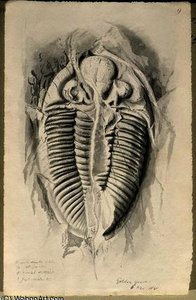
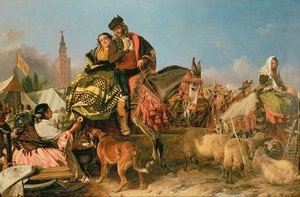
11Dorothea Harriet Gibbs (1840 -1914), as a child (1844) (1889) -ja John PhillipDorothea Harriet Gibbs (1840 -1914), as a child1844 · Tyntesfield 12Provost George Henry (1850-1853) (1845) (1889) -ja John PhillipProvost George Henry (1850-1853)1845 13Disgorging the Fly (1841) (1889) -ja John PhillipDisgorging the Fly1841 14The Highland Home (1845) (1889) -ja John PhillipThe Highland Home1845 15Tasso in Disguise Relating his Persecutions to his Sister (1840) (1889) -ja John PhillipTasso in Disguise Relating his Persecutions to his Sister1840 16Self Portrait (1840) (1889) -ja John PhillipSelf Portrait1840 17Mrs Jean Chalmers (1840) (1889) -ja John PhillipMrs Jean Chalmers1840 18A Scotch Fair (1848) (1889) -ja John PhillipA Scotch Fair1848 19The Orange Girl (1854) (1889) -ja John PhillipThe Orange Girl1854 · Birmingham Museum and Art Gallery 20A Spanish Gipsy Mother (1852) (1889) -ja John PhillipA Spanish Gipsy Mother1852 · Royal Collection 21El Paseo (1854) (1889) -ja John PhillipEl Paseo1854 · Royal Collection 22Princess Feodora of Hohenlohe-Langenburg (1839-1872) (1852) (1889) -ja John PhillipPrincess Feodora of Hohenlohe-Langenburg (1839-1872)1852 · Royal Collection 23Princess Charlotte of Belgium (1840-1927) (1852) (1889) -ja John PhillipPrincess Charlotte of Belgium (1840-1927)1852 · Royal Collection 24Collecting the Offering in a Scottish Kirk (1855) (1889) -ja John PhillipCollecting the Offering in a Scottish Kirk1855 · York Art Gallery 25La Perla de Triana (1852) (1889) -ja John PhillipLa Perla de Triana1852 26William Brodie RSA, sculptor (1850) (1889) -ja John PhillipWilliam Brodie RSA, sculptor1850 27John Innes (1850) (1889) -ja John PhillipJohn Innes1850 28Gypsy Musicians of Spain (Spanish Minstrels) (1855) (1889) -ja John PhillipGypsy Musicians of Spain (Spanish Minstrels)1855 29Sketch for "Drawing For The Militia" (1849) (1889) -ja John PhillipSketch for "Drawing For The Militia"1849 30The Marriage of the Princess Victoria Adelaide, Princess Royal (1840-1901) later Empress of Prussia, to Crown Prince Frederick William of Prussia (1831-1888) later Emperor Frederick III, Emperor of G (1858) (1889) -ja John PhillipThe Marriage of the Princess Victoria Adelaide, Princess Royal (1840-1901) later Empress of Prussia, to Crown Prince Frederick William of Prussia (1831-1888) later Emperor Frederick III, Emperor of G1858 31The Promenade (1859) (1889) -ja John PhillipThe Promenade1859 32The Antonia (1863) (1889) -ja John PhillipThe Antonia1863 33The Prison Window (1857) (1889) -ja John PhillipThe Prison Window1857 34Princess Beatrice (1857-1944) later Princess Henry of Battenberg (1860) (1889) -ja John PhillipPrincess Beatrice (1857-1944) later Princess Henry of Battenberg1860 · Royal Collection 35Spanish Boys Playing at Bull-fighting (1860) (1889) -ja John PhillipSpanish Boys Playing at Bull-fighting1860 · Scottish National Gallery 36John Phillip, 1817 - 1867. Artist (Self-portrait) (1863) (1889) -ja John PhillipJohn Phillip, 1817 - 1867. Artist (Self-portrait)1863 37William Borthwick Johnstone, 1804 - 1868. Artist (1861) (1889) -ja John PhillipWilliam Borthwick Johnstone, 1804 - 1868. Artist1861 · Scottish National Portrait Gallery 38Samuel Bough, 1822 - 1878. Landscape painter (1856) (1889) -ja John PhillipSamuel Bough, 1822 - 1878. Landscape painter1856 · Scottish National Portrait Gallery 39Spanish peasants at the well (1859) (1889) -ja John PhillipSpanish peasants at the well1859 40Albert (1819–1861), Prince Consort (1859) (1889) -ja John PhillipAlbert (1819–1861), Prince Consort1859 41La Loteria Nacional (1860) (1889) -ja John PhillipLa Loteria Nacional1860 42House of Commons - Study for 'At The House of Commons' (1860) (1889) -ja John PhillipHouse of Commons - Study for 'At The House of Commons'1860 43Kate Nickleby (1862) (1889) -ja John PhillipKate Nickleby1862 44Miss Jean Isabella Ross (1856) (1889) -ja John PhillipMiss Jean Isabella Ross1856 45Sketch for "The Marriage of the Princess Royal" (1858) (1889) -ja John PhillipSketch for "The Marriage of the Princess Royal"1858 46Agua-Bendita - A Church Scene (1861) (1889) -ja John PhillipAgua-Bendita - A Church Scene1861 47The Artist's Spanish Guide (1856) (1889) -ja John PhillipThe Artist's Spanish Guide1856 48The Pride of Seville (1858) (1889) -ja John PhillipThe Pride of Seville1858 49La Bomba (1863) (1889) -ja John PhillipLa Bomba1863 50O Nannie, Wilt Thou Gang Wi'me (1859) (1889) -ja John PhillipO Nannie, Wilt Thou Gang Wi'me1859 51Dolores, A Spanish Widow (1862) (1889) -ja John PhillipDolores, A Spanish Widow1862 52Una Maja Bonita (1856) (1889) -ja John PhillipUna Maja Bonita1856 53Spanish Peasants - The Wayside in Andalucia (1863) (1889) -ja John PhillipSpanish Peasants - The Wayside in Andalucia1863 54'La Gloria': A Spanish Wake (1864) (1889) -ja John Phillip'La Gloria': A Spanish Wake1864 · Scottish National Gallery 55Donald Kennedy of Drumashie, Inverness (1865) (1889) -ja John PhillipDonald Kennedy of Drumashie, Inverness1865 56The Spanish Flower Seller (1864) (1889) -ja John PhillipThe Spanish Flower Seller1864 57The Fortune Teller (1889) -ja John PhillipThe Fortune Teller 58First steps (1889) -ja John PhillipFirst steps 59Self-portrait (1889) -ja John PhillipSelf-portraitScottish National Gallery 60The Brig 'Manly' (1834) (1889) -ja John PhillipThe Brig 'Manly'1834 61Sketch for 'A Scotch Fair' (1848) (1889) -ja John PhillipSketch for 'A Scotch Fair'1848 62Spanish Carnival (1889) -ja John PhillipSpanish CarnivalFitzwilliam Museum 63A Highland Piper (1889) -ja John PhillipA Highland PiperRoyal Collection 64Two Boys: Study after 'Spanish Boys Playing at Bull-fighting' (NG 534) (1889) -ja John PhillipTwo Boys: Study after 'Spanish Boys Playing at Bull-fighting' (NG 534)Scottish National Gallery 65Sir Thomas Blaikie, Provost of Aberdeen 1839-47, 1853-56 (1889) -ja John PhillipSir Thomas Blaikie, Provost of Aberdeen 1839-47, 1853-56 66John Smith, First City Architect to Aberdeen (1889) -ja John PhillipJohn Smith, First City Architect to Aberdeen 67Bal Masque (1889) -ja John PhillipBal Masque 68Nude Bather - after Rubens (1889) -ja John PhillipNude Bather - after Rubens 69Gathering The Offerings (1889) -ja John PhillipGathering The Offerings 70Highland Lassie (1889) -ja John PhillipHighland Lassie 71Self Portrait (1889) -ja John PhillipSelf Portrait 72Portrait of a Lady (1889) -ja John PhillipPortrait of a Lady 73James Hardie (1889) -ja John PhillipJames Hardie 74Cornelius van der Geest - after Van Dyck (1889) -ja John PhillipCornelius van der Geest - after Van Dyck 75The Artist and his Wife (1889) -ja John PhillipThe Artist and his Wife 76Self Portrait (1889) -ja John PhillipSelf Portrait 77Lady Gordon and her Child (1889) -ja John PhillipLady Gordon and her Child 78The Bohemian Woman (1889) -ja John PhillipThe Bohemian Woman 79Charity (1889) -ja John PhillipCharity 80Scotch Washing (1889) -ja John PhillipScotch Washing 81Presbyterian catechising (1889) -ja John PhillipPresbyterian catechisingScottish National Gallery 82Faith (1864) (1889) -ja John PhillipFaith1864 · London Múzeum 83Trilobite from Golden Grove (1889) -ja John PhillipTrilobite from Golden Grove 84In The Garden, Seville (1889) -ja John PhillipIn The Garden, Seville 85At the Opera (1889) -ja John PhillipAt the Opera 86Spanish Industry (1889) -ja John PhillipSpanish Industry 87Fiesta Time (1889) -ja John PhillipFiesta Time 88Fair At Seville (1889) -ja John PhillipFair At Seville 89Life Among The Gypsies, Seville (1889) -ja John PhillipLife Among The Gypsies, Seville 90A scottish fair (1889) -ja John PhillipA scottish fair 91A Scottish Christening (1889) -ja John PhillipA Scottish Christening 92A Gypsy Water-Carrier of Seville (1889) -ja John PhillipA Gypsy Water-Carrier of Seville 93The orange seller (1889) -ja John PhillipThe orange seller 94Lord Palmerston Addressing the House of Commons (1889) -ja John PhillipLord Palmerston Addressing the House of Commons 95A Scotch Roadside Inn (1889) -ja John PhillipA Scotch Roadside Inn 96Lady Playing The Mandolin (1889) -ja John PhillipLady Playing The MandolinWolverhampton Art Gallery 97The Evil Eye (1889) -ja John PhillipThe Evil Eye 98The Dying Contrabandista (1858) (1889) -ja John PhillipThe Dying Contrabandista1858 · Royal Collection 99The Marriage of Victoria, Princess Royal, 25 January 1858 (1860) (1889) -ja John PhillipThe Marriage of Victoria, Princess Royal, 25 January 18581860 · Royal Collection 100The Letter-Writer of Seville (1854) (1889) -ja John PhillipThe Letter-Writer of Seville1854 · Royal Collection

John Phillip híres festményei, korszakonként

A témák, amelyek John Phillip figyelmét meghúzták

A négy leggyakorobban előforduló téma ebben az eredeti művekben, mindegyik a legkiválóbb példájával.

A műemlékek, amelyek John Phillip eredeti műveit őrzik

A 8 olyan múzeum, amely a legtöbb ezen az oldalon szereplő festményet őrzi.

Múzeum Város John Phillip művei Ebből a listából származó festmények
Royal Collection, LondonRoyal Collection London 9 A Spanish Gipsy Mother, El Paseo, Princess Feodora of Hohenlohe-Langenburg (1839-1872)
Scottish National Gallery, EdinburghScottish National Gallery Edinburgh 8 Mary MacKay Caird, later Mrs James Glen (1847 - 1940), William Borthwick Johnstone (1804 - 1868), Ellen Brown, Mrs William Borthwick Johnstone
Scottish National Portrait Gallery, EdinburghScottish National Portrait Gallery Edinburgh 3 Rev. Alexander Dyce Davidson, 1807 - 1872. Free Church minister, William Borthwick Johnstone, 1804 - 1868. Artist, Samuel Bough, 1822 - 1878. Landscape painter
TyntesfieldTyntesfield 3 Oil painting, Antony Gibbs (1841 - 1907), aged 3, Dorothea Harriet Gibbs (1840 -1914), as a child
Museo del Prado, MadridMuseo del Prado Madrid 1 Gonzalo de Vilches, 1st Earl of Vilches (?)
Birmingham Museum and Art Gallery, BirminghamBirmingham Museum and Art Gallery Birmingham 1 The Orange Girl
York Art Gallery, YorkYork Art Gallery York 1 Collecting the Offering in a Scottish Kirk
Fitzwilliam MuseumFitzwilliam Museum 1 Spanish Carnival

John Phillip évtizedekig: egy egyedi eredeti mű minden évtizedben

Művek évtizedenként

Váassz ki egy évtizedet, hogy megnézhesd az azt meghatározó eredetiműveket.

John Phillip festményei: kérdések a galériának

Mi a leghíresebb műve John Phillipnek?Fedje fel a választ

Mary MacKay Caird, later Mrs James Glen (1847 - 1940) (1866), Scottish National Gallery, Edinburgh. Ezután William Borthwick Johnstone (1804 - 1868) (1865) és Gonzalo de Vilches, 1st Earl of Vilches (?) (1850) következik.

Milyen életkorában alkotta meg John Phillip a(z) Mary MacKay Caird, later Mrs James Glen (1847 - 1940) műszt?Fedje fel a választ

49 éves: Mary MacKay Caird, later Mrs James Glen (1847 - 1940) 1866-ből származik, John Phillip pedig 1817-ben született.

Melyik tíz festménye John Phillip a leghíresebb?Fedje fel a választ

Mary MacKay Caird, later Mrs James Glen (1847 - 1940), William Borthwick Johnstone (1804 - 1868), Gonzalo de Vilches, 1st Earl of Vilches (?), Ellen Brown, Mrs William Borthwick Johnstone, Rev. Alexander Dyce Davidson, 1807 - 1872. Free Church minister, Ann Allan, James Blaikie of Craigiebuckler, Provost of Aberdeen (1833-1835), Sketch after Rubens, Oil painting és Antony Gibbs (1841 - 1907), aged 3. A fenti rangsor a művek évszamarát és a múzeumát jelzi.

Hány mű alkotása ismert John Phillip nevében?Fedje fel a választ

Katalógusunkban 101 mű található John Phillip alkotótól, 1831 és 1866 év közötti időszakból.

Hol tekinthetők meg a leghíresebb John Phillip eredetijeit?Fedje fel a választ

Leginkább Royal Collection (London), Scottish National Gallery (Edinburgh) és Scottish National Portrait Gallery (Edinburgh) található. A fenti múzeumi táblázatban mindegyik felsorolásra került.

Melyik időszakban alkotta John Phillip a leghíresebb festményeit?Fedje fel a választ

1850s alatt: a jelen laphonon található 100 műből 26 készült ebben az időszakban, köztük Gonzalo de Vilches, 1st Earl of Vilches (?).

Melyik híres John Phillip festmény a legkorábbi, és melyik a legutóbb készült?Fedje fel a választ

Ezen az oldalon a leghitelesebb Ann Allan (1831), a legutóbbi pedig Mary MacKay Caird, later Mrs James Glen (1847 - 1940) (1866).

Milyen témakörket kedvelt John Phillip?Fedje fel a választ

Woman (30), Man (26) és Dark background (15), a jelen oldalon található 100 műművészeti alkotás között.

Milyen anyagokkal festett leggyakrabban John Phillip?Fedje fel a választ

Oil On Canvas, a jelen oldalon található 100 műből 41 darab esetén.

Mely művészeti irányba tartozik John Phillip műve?Fedje fel a választ

Academic realism, ezen az oldalon található eredetiek alapján.

Milyen John Phillip eredeti műveket láthatok a Royal Collection kiállításaiban?Fedje fel a választ

A Spanish Gipsy Mother, El Paseo és Princess Feodora of Hohenlohe-Langenburg (1839-1872): a Royal Collection, London 9 művet őrzi ezen az oldalon.

John Phillip: a művész portréja

A spanyol álmok festője: John Phillip élete és öröksége

Skótország, Aberdeen rideg tájai között született 1817-ben, John Phillip végül meghaladt szerény kezdetein, hogy a viktoriánus kor egyik legmeghatváróbb hangjává váljon. Kedvesen „spanyol Phillipként” is ismert művész útja a mély átalakulás története volt: a skót vidéki élet apró részleteit ábrázoló, komoly hangvételű alkotásoktól dél-európai, napsütötte és vibráló vásznalakig terjedt. Fiatal éveit az a fejlődő tehetség jellemezte, amely felkeltette az erényes megbízók figyelmét, legfőképpen Lord Panmureét, akinek j উদারmítása biztosította azt a nélkülözhetetlen hidat, amelyen keresztül Phillip 1836-ban elérte a londoni Royal Academy of Arts akadémiáját. E prestigiós intézményben találta meg művészéti törzsét, csatlakozva a The Clique néven ismert, befolyásos csoporthoz. A különbséges Richard Dadd vezetése alatt ez a művészi kör mély reverenciával tartotta fogán William Hogarth narratív realizmusát és David Wilkie drámai tájait, những alapelvek, amelyek a Phillip korai művészeti remekműveit és technikai tudásának alapját képeztek.

Fiatal korában Phillip ecsetje a skót nép méltóságának és megpróbáltálódásának szentelte. A crofterek csendes, gyakran kimerítő létezését olyan precizitással örökítette meg, amely a hazája lelkéhez szólt. Ezeket az early műveket a részletekre való apróligos figyelmük és a vallásos otthoniasság érzése jellemezte, tükrözve a késő viktoriánus Skótország kulturális áramlatait. Azonban 1851-ben egy döntő fordulat következett be, amelyet az egészségre vonatkozó orvosi tanács váltott ki: melegebb éghajlatot kellett keresnie. Ez a spanyolországi zarájódlás nem csupán gyógyító utazás volt, hanem művészeti újjászületés. Ahogy Sevilló és Madrid utcáin kószált, Skótország árnyai helyét az Andalousia ragyogó fénye vette át. A spanyol mesterek, Bartolom Tamayo, Bartolomé Esteban Murillo és Diego Velázquez hatása kezdte beárasztani műveit, alapjaiban változtatva a színelemét és a formákhoz való viszonyulását.

A fény és a technika átalakulása

A részletgazdag, szinte dokumentarista stílusról a skót korszakból egy sokkal tágasabb, festőibb technikára való átállás jelenti Phillip pályájának leglenyűgözőbb fejlődését. Bár kezdetben ellenállt a fejlődő Pre-Raphaelite mozgalomnak, későbbi művei, mint például a The Letter Writer, Seville, már finoman felfordultak ezen fényes minőségek iránt. Ahogy utazásai mélyítették kapcsolatát a spanyol szellemmel, ecsetvonala magabiztosabbá és kifejezővé vált, tükrözve olyan kortársai későbbi fejlődését, mint John Everett Millais. Elszállt a merev körvonalaidtól, és a textúra és az atmoszféra felfedezésére irányult, az impasto technikáját alkalmazva, hogy megörökítse a spanyol táj hőségét és porát.

Ez a stílusbeli érés a 1860-as években érte el csúcspontját, amikor kompozíciói nagyszerűbbé és érzelmileg hatásosabbá váltak. Képes volt az alábbi elemeket egyetlen egésggé szőni, ami meghatározta érett korszakát:

  • Dramatikus Chiaroscuro: Mély árnyékok és éles fények használata a teatrerális mozgás érzetének megteremtésére.
  • Kulturális elmerülés: A puszta megfigyelés mögé megy, hogy megörökítse a spanyol utcai élet és a vallásos devóció lényegét.
  • Narratív mélység: Olyan jelenetek megalkotása, amelyek egy nagyobb, folyamatosan kibomló történet fagyasztott pillanatainak tűntek, hasonlóan ihletőjei, Murillóhoz és Velázquezhez.

A The Early Career of Murillo (1864) és a La Gloria (1865) című művek olyan jelentős alkotások, amelyek ezen mesteri korszak tanúbizonyságai. Ezekben a művekben Phillip nemcsak tárgyakat festett; maga is a művészet történetét festette, tisztelegve a mesterek előtt, akik saját metamorfózisát meghökkentették. Öröksége a hidak építőjeké maradt — a skót művészeti műfajok komoly hagyományai és a mediterrán vibráló, fénnyel teli romantikája között. Bár élete 1867-ben időcsennyén véget ért, John Phillip egy olyan művészeti örökséget hagyott maga után, amely ma is elvarázsolja a nézőket, meghívva őket, hogy lépjenek ki Észak szürke ködéből, és merüljenjenek el spanyol álmai örök, aranyos fényében.