John Phillip portréja

A 100 legnevesebbebb John Phillip festmény, mindegyik egyedistens

Frissítve: október 2026 · rangsorolva népszerűségi pontszámunk alapján (minden mű keresései, látogatásai és megrendelései alapján) · 101 mű John Phillip alkotása a katalógusunkban

Röviden

Mary MacKay Caird, later Mrs James Glen (1847 - 1940) (1866) az a John Phillip festmény, amely a legtöbb tekintetet felvonja; az eredeti mű a Scottish National Gallery gyűjteményében található, Edinburgh. Ezután a tekintet William Borthwick Johnstone (1804 - 1868) (1865) és Gonzalo de Vilches, 1st Earl of Vilches (?) (1850) elemre irányul. A John Phillip 101 műve közül a katalógusunkban megtalálható 100 legnépesebb alkotás, melyeket az év, a múzeum és az örökévalóságának okai kísérnek.

1817 – 1867, Aberdeen Academic realism A legtöbb mű: Royal Collection

A galéria szemével: John Phillip legjobb 10 festménye

1
Mary MacKay Caird, later Mrs James Glen (1847 - 1940) (1866) (1889) -ja John Phillip

Mary MacKay Caird, later Mrs James Glen (1847 - 1940)

1866 · Oil On Canvas · Scottish National Gallery, Edinburgh

A young woman is presented in a medium shot, her presence defined by a quiet, formal elegance. She holds a small dog, a detail that anchors the composition in a sense of domestic intimacy. The subject is positioned against a dark, textured background of foliage, which recedes into a distant, twilight landscape. Light enters from the upper left, casting a soft glow upon her face and chest, while the deep…

2
William Borthwick Johnstone (1804 - 1868) (1865) (1889) -ja John Phillip

William Borthwick Johnstone (1804 - 1868)

1865 · Oil On Canvas · Scottish National Gallery, Edinburgh

An elderly man gazes toward the right, his expression marked by quiet introspection and a sense of wisdom. This bust-length portrait utilizes a low-key, dramatic atmosphere to establish a somber tone. The subject's weathered skin and the subtle textures of his clothing are rendered through visible brushstrokes, suggesting the tactile reality of a life lived. Lighting originates from the upper left, casting soft shadows across the right side of the…

3
Gonzalo de Vilches, 1st Earl of Vilches (?) (1850) (1889) -ja John Phillip

Gonzalo de Vilches, 1st Earl of Vilches (?)

1850 · Oil On Canvas · Museo del Prado, Madrid

A young man occupies the center of this intimate space, his body turned in a three-quarter view that suggests a sudden, quiet movement. He gazes toward the left, his eyes fixed on something unseen beyond the frame, lending the scene a sense of suspended animation. A heavy, dark mantle drapes over his shoulders, its deep shadows swallowing the light, while a crisp white collar breaks the darkness with a sharp,…

4
Ellen Brown, Mrs William Borthwick Johnstone (1861) (1889) -ja John Phillip

Ellen Brown, Mrs William Borthwick Johnstone

1861 · Oil On Canvas · Scottish National Gallery, Edinburgh

The portrait titled Ellen Brown, Mrs William Borthwick Johnstone emerges from the canvas as a quiet study of a woman in her prime. Painted by John Phillip in 1861, the work captures Ellen Brown, the daughter of J. C. Brown, ARSA. She sits with a composed grace that suggests a life of refinement and settled purpose. There is a stillness in her gaze that invites the viewer into her private…

5
Rev. Alexander Dyce Davidson, 1807 - 1872. Free Church minister (1850) (1889) -ja John Phillip

Rev. Alexander Dyce Davidson, 1807 - 1872. Free Church minister

1850 · Oil On Canvas · Scottish National Portrait Gallery, Edinburgh

This oil on canvas portrait is titled Rev. Alexander Dyce Davidson, 1807 - 1872. Free Church minister. The work was executed by the artist John Phillip about 1850. It depicts the subject, Rev. Alexander Dyce Davidson, in a formal bust-length composition. The sitter is positioned slightly off-center, facing toward the viewer's right while his gaze meets the observer directly. He is shown wearing a dark clerical garment and a white…

John Phillip híres festményei, 11 és 100 között

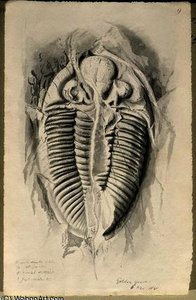
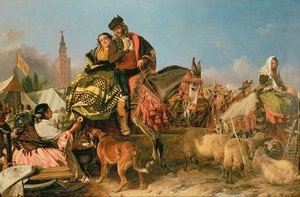
11Dorothea Harriet Gibbs (1840 -1914), as a child (1844) (1889) -ja John PhillipDorothea Harriet Gibbs (1840 -1914), as a child1844 · Tyntesfield 12Provost George Henry (1850-1853) (1845) (1889) -ja John PhillipProvost George Henry (1850-1853)1845 13Disgorging the Fly (1841) (1889) -ja John PhillipDisgorging the Fly1841 14The Highland Home (1845) (1889) -ja John PhillipThe Highland Home1845 15Tasso in Disguise Relating his Persecutions to his Sister (1840) (1889) -ja John PhillipTasso in Disguise Relating his Persecutions to his Sister1840 16Self Portrait (1840) (1889) -ja John PhillipSelf Portrait1840 17Mrs Jean Chalmers (1840) (1889) -ja John PhillipMrs Jean Chalmers1840 18A Scotch Fair (1848) (1889) -ja John PhillipA Scotch Fair1848 19The Orange Girl (1854) (1889) -ja John PhillipThe Orange Girl1854 · Birmingham Museum and Art Gallery 20A Spanish Gipsy Mother (1852) (1889) -ja John PhillipA Spanish Gipsy Mother1852 · Royal Collection 21El Paseo (1854) (1889) -ja John PhillipEl Paseo1854 · Royal Collection 22Princess Feodora of Hohenlohe-Langenburg (1839-1872) (1852) (1889) -ja John PhillipPrincess Feodora of Hohenlohe-Langenburg (1839-1872)1852 · Royal Collection 23Princess Charlotte of Belgium (1840-1927) (1852) (1889) -ja John PhillipPrincess Charlotte of Belgium (1840-1927)1852 · Royal Collection 24Collecting the Offering in a Scottish Kirk (1855) (1889) -ja John PhillipCollecting the Offering in a Scottish Kirk1855 · York Art Gallery 25La Perla de Triana (1852) (1889) -ja John PhillipLa Perla de Triana1852 26William Brodie RSA, sculptor (1850) (1889) -ja John PhillipWilliam Brodie RSA, sculptor1850 27John Innes (1850) (1889) -ja John PhillipJohn Innes1850 28Gypsy Musicians of Spain (Spanish Minstrels) (1855) (1889) -ja John PhillipGypsy Musicians of Spain (Spanish Minstrels)1855 29Sketch for "Drawing For The Militia" (1849) (1889) -ja John PhillipSketch for "Drawing For The Militia"1849 30The Marriage of the Princess Victoria Adelaide, Princess Royal (1840-1901) later Empress of Prussia, to Crown Prince Frederick William of Prussia (1831-1888) later Emperor Frederick III, Emperor of G (1858) (1889) -ja John PhillipThe Marriage of the Princess Victoria Adelaide, Princess Royal (1840-1901) later Empress of Prussia, to Crown Prince Frederick William of Prussia (1831-1888) later Emperor Frederick III, Emperor of G1858 31The Promenade (1859) (1889) -ja John PhillipThe Promenade1859 32The Antonia (1863) (1889) -ja John PhillipThe Antonia1863 33The Prison Window (1857) (1889) -ja John PhillipThe Prison Window1857 34Princess Beatrice (1857-1944) later Princess Henry of Battenberg (1860) (1889) -ja John PhillipPrincess Beatrice (1857-1944) later Princess Henry of Battenberg1860 · Royal Collection 35Spanish Boys Playing at Bull-fighting (1860) (1889) -ja John PhillipSpanish Boys Playing at Bull-fighting1860 · Scottish National Gallery 36John Phillip, 1817 - 1867. Artist (Self-portrait) (1863) (1889) -ja John PhillipJohn Phillip, 1817 - 1867. Artist (Self-portrait)1863 37William Borthwick Johnstone, 1804 - 1868. Artist (1861) (1889) -ja John PhillipWilliam Borthwick Johnstone, 1804 - 1868. Artist1861 · Scottish National Portrait Gallery 38Samuel Bough, 1822 - 1878. Landscape painter (1856) (1889) -ja John PhillipSamuel Bough, 1822 - 1878. Landscape painter1856 · Scottish National Portrait Gallery 39Spanish peasants at the well (1859) (1889) -ja John PhillipSpanish peasants at the well1859 40Albert (1819–1861), Prince Consort (1859) (1889) -ja John PhillipAlbert (1819–1861), Prince Consort1859 41La Loteria Nacional (1860) (1889) -ja John PhillipLa Loteria Nacional1860 42House of Commons - Study for 'At The House of Commons' (1860) (1889) -ja John PhillipHouse of Commons - Study for 'At The House of Commons'1860 43Kate Nickleby (1862) (1889) -ja John PhillipKate Nickleby1862 44Miss Jean Isabella Ross (1856) (1889) -ja John PhillipMiss Jean Isabella Ross1856 45Sketch for "The Marriage of the Princess Royal" (1858) (1889) -ja John PhillipSketch for "The Marriage of the Princess Royal"1858 46Agua-Bendita - A Church Scene (1861) (1889) -ja John PhillipAgua-Bendita - A Church Scene1861 47The Artist's Spanish Guide (1856) (1889) -ja John PhillipThe Artist's Spanish Guide1856 48The Pride of Seville (1858) (1889) -ja John PhillipThe Pride of Seville1858 49La Bomba (1863) (1889) -ja John PhillipLa Bomba1863 50O Nannie, Wilt Thou Gang Wi'me (1859) (1889) -ja John PhillipO Nannie, Wilt Thou Gang Wi'me1859 51Dolores, A Spanish Widow (1862) (1889) -ja John PhillipDolores, A Spanish Widow1862 52Una Maja Bonita (1856) (1889) -ja John PhillipUna Maja Bonita1856 53Spanish Peasants - The Wayside in Andalucia (1863) (1889) -ja John PhillipSpanish Peasants - The Wayside in Andalucia1863 54'La Gloria': A Spanish Wake (1864) (1889) -ja John Phillip'La Gloria': A Spanish Wake1864 · Scottish National Gallery 55Donald Kennedy of Drumashie, Inverness (1865) (1889) -ja John PhillipDonald Kennedy of Drumashie, Inverness1865 56The Spanish Flower Seller (1864) (1889) -ja John PhillipThe Spanish Flower Seller1864 57The Fortune Teller (1889) -ja John PhillipThe Fortune Teller 58First steps (1889) -ja John PhillipFirst steps 59Self-portrait (1889) -ja John PhillipSelf-portraitScottish National Gallery 60The Brig 'Manly' (1834) (1889) -ja John PhillipThe Brig 'Manly'1834 61Sketch for 'A Scotch Fair' (1848) (1889) -ja John PhillipSketch for 'A Scotch Fair'1848 62Spanish Carnival (1889) -ja John PhillipSpanish CarnivalFitzwilliam Museum 63A Highland Piper (1889) -ja John PhillipA Highland PiperRoyal Collection 64Two Boys: Study after 'Spanish Boys Playing at Bull-fighting' (NG 534) (1889) -ja John PhillipTwo Boys: Study after 'Spanish Boys Playing at Bull-fighting' (NG 534)Scottish National Gallery 65Sir Thomas Blaikie, Provost of Aberdeen 1839-47, 1853-56 (1889) -ja John PhillipSir Thomas Blaikie, Provost of Aberdeen 1839-47, 1853-56 66John Smith, First City Architect to Aberdeen (1889) -ja John PhillipJohn Smith, First City Architect to Aberdeen 67Bal Masque (1889) -ja John PhillipBal Masque 68Nude Bather - after Rubens (1889) -ja John PhillipNude Bather - after Rubens 69Gathering The Offerings (1889) -ja John PhillipGathering The Offerings 70Highland Lassie (1889) -ja John PhillipHighland Lassie 71Self Portrait (1889) -ja John PhillipSelf Portrait 72Portrait of a Lady (1889) -ja John PhillipPortrait of a Lady 73James Hardie (1889) -ja John PhillipJames Hardie 74Cornelius van der Geest - after Van Dyck (1889) -ja John PhillipCornelius van der Geest - after Van Dyck 75The Artist and his Wife (1889) -ja John PhillipThe Artist and his Wife 76Self Portrait (1889) -ja John PhillipSelf Portrait 77Lady Gordon and her Child (1889) -ja John PhillipLady Gordon and her Child 78The Bohemian Woman (1889) -ja John PhillipThe Bohemian Woman 79Charity (1889) -ja John PhillipCharity 80Scotch Washing (1889) -ja John PhillipScotch Washing 81Presbyterian catechising (1889) -ja John PhillipPresbyterian catechisingScottish National Gallery 82Faith (1864) (1889) -ja John PhillipFaith1864 · London Múzeum 83Trilobite from Golden Grove (1889) -ja John PhillipTrilobite from Golden Grove 84In The Garden, Seville (1889) -ja John PhillipIn The Garden, Seville 85At the Opera (1889) -ja John PhillipAt the Opera 86Spanish Industry (1889) -ja John PhillipSpanish Industry 87Fiesta Time (1889) -ja John PhillipFiesta Time 88Fair At Seville (1889) -ja John PhillipFair At Seville 89Life Among The Gypsies, Seville (1889) -ja John PhillipLife Among The Gypsies, Seville 90A scottish fair (1889) -ja John PhillipA scottish fair 91A Scottish Christening (1889) -ja John PhillipA Scottish Christening 92A Gypsy Water-Carrier of Seville (1889) -ja John PhillipA Gypsy Water-Carrier of Seville 93The orange seller (1889) -ja John PhillipThe orange seller 94Lord Palmerston Addressing the House of Commons (1889) -ja John PhillipLord Palmerston Addressing the House of Commons 95A Scotch Roadside Inn (1889) -ja John PhillipA Scotch Roadside Inn 96Lady Playing The Mandolin (1889) -ja John PhillipLady Playing The MandolinWolverhampton Art Gallery 97The Evil Eye (1889) -ja John PhillipThe Evil Eye 98The Dying Contrabandista (1858) (1889) -ja John PhillipThe Dying Contrabandista1858 · Royal Collection 99The Marriage of Victoria, Princess Royal, 25 January 1858 (1860) (1889) -ja John PhillipThe Marriage of Victoria, Princess Royal, 25 January 18581860 · Royal Collection 100The Letter-Writer of Seville (1854) (1889) -ja John PhillipThe Letter-Writer of Seville1854 · Royal Collection

A témák, amelyek John Phillip figyelmét meghúzták

A négy leggyakorobban előforduló téma ebben az eredeti művekben, mindegyik a legkiválóbb példájával.

A műemlékek, amelyek John Phillip eredeti műveit őrzik

A 8 olyan múzeum, amely a legtöbb ezen az oldalon szereplő festményet őrzi.

Múzeum Város John Phillip művei Ebből a listából származó festmények
Royal Collection, LondonRoyal Collection London 9 A Spanish Gipsy Mother, El Paseo, Princess Feodora of Hohenlohe-Langenburg (1839-1872)
Scottish National Gallery, EdinburghScottish National Gallery Edinburgh 8 Mary MacKay Caird, later Mrs James Glen (1847 - 1940), William Borthwick Johnstone (1804 - 1868), Ellen Brown, Mrs William Borthwick Johnstone
Scottish National Portrait Gallery, EdinburghScottish National Portrait Gallery Edinburgh 3 Rev. Alexander Dyce Davidson, 1807 - 1872. Free Church minister, William Borthwick Johnstone, 1804 - 1868. Artist, Samuel Bough, 1822 - 1878. Landscape painter
TyntesfieldTyntesfield 3 Oil painting, Antony Gibbs (1841 - 1907), aged 3, Dorothea Harriet Gibbs (1840 -1914), as a child
Museo del Prado, MadridMuseo del Prado Madrid 1 Gonzalo de Vilches, 1st Earl of Vilches (?)
Birmingham Museum and Art Gallery, BirminghamBirmingham Museum and Art Gallery Birmingham 1 The Orange Girl
York Art Gallery, YorkYork Art Gallery York 1 Collecting the Offering in a Scottish Kirk
Fitzwilliam MuseumFitzwilliam Museum 1 Spanish Carnival

John Phillip évtizedekig: egy egyedi eredeti mű minden évtizedben

Művek évtizedenként

Váassz ki egy évtizedet, hogy megnézhesd az azt meghatározó eredetiműveket.

John Phillip festményei: kérdések a galériának

Mi a leghíresebb műve John Phillipnek?Fedje fel a választ

Mary MacKay Caird, later Mrs James Glen (1847 - 1940) (1866), Scottish National Gallery, Edinburgh. Ezután William Borthwick Johnstone (1804 - 1868) (1865) és Gonzalo de Vilches, 1st Earl of Vilches (?) (1850) következik.

Milyen életkorában alkotta meg John Phillip a(z) Mary MacKay Caird, later Mrs James Glen (1847 - 1940) műszt?Fedje fel a választ

49 éves: Mary MacKay Caird, later Mrs James Glen (1847 - 1940) 1866-ből származik, John Phillip pedig 1817-ben született.

Melyik tíz festménye John Phillip a leghíresebb?Fedje fel a választ

Mary MacKay Caird, later Mrs James Glen (1847 - 1940), William Borthwick Johnstone (1804 - 1868), Gonzalo de Vilches, 1st Earl of Vilches (?), Ellen Brown, Mrs William Borthwick Johnstone, Rev. Alexander Dyce Davidson, 1807 - 1872. Free Church minister, Ann Allan, James Blaikie of Craigiebuckler, Provost of Aberdeen (1833-1835), Sketch after Rubens, Oil painting és Antony Gibbs (1841 - 1907), aged 3. A fenti rangsor a művek évszamarát és a múzeumát jelzi.

Hány mű alkotása ismert John Phillip nevében?Fedje fel a választ

Katalógusunkban 101 mű található John Phillip alkotótól, 1831 és 1866 év közötti időszakból.

Hol tekinthetők meg a leghíresebb John Phillip eredetijeit?Fedje fel a választ

Leginkább Royal Collection (London), Scottish National Gallery (Edinburgh) és Scottish National Portrait Gallery (Edinburgh) található. A fenti múzeumi táblázatban mindegyik felsorolásra került.

Melyik időszakban alkotta John Phillip a leghíresebb festményeit?Fedje fel a választ

1850s alatt: a jelen laphonon található 100 műből 26 készült ebben az időszakban, köztük Gonzalo de Vilches, 1st Earl of Vilches (?).

Melyik híres John Phillip festmény a legkorábbi, és melyik a legutóbb készült?Fedje fel a választ

Ezen az oldalon a leghitelesebb Ann Allan (1831), a legutóbbi pedig Mary MacKay Caird, later Mrs James Glen (1847 - 1940) (1866).

Milyen témakörket kedvelt John Phillip?Fedje fel a választ

Man (4), Woman (3) és Portrait (3), a jelen oldalon található 100 műművészeti alkotás között.

Milyen anyagokkal festett leggyakrabban John Phillip?Fedje fel a választ

Oil On Canvas, a jelen oldalon található 100 műből 6 darab esetén.

Mely művészeti irányba tartozik John Phillip műve?Fedje fel a választ

Academic realism, ezen az oldalon található eredetiek alapján.

Milyen John Phillip eredeti műveket láthatok a Royal Collection kiállításaiban?Fedje fel a választ

A Spanish Gipsy Mother, El Paseo és Princess Feodora of Hohenlohe-Langenburg (1839-1872): a Royal Collection, London 9 művet őrzi ezen az oldalon.

John Phillip: a művész portréja

A spanyol álmok festője: John Phillip élete és öröksége

Skótország, Aberdeen rideg tájai között született 1817-ben, John Phillip végül meghaladt szerény kezdetein, hogy a viktoriánus kor egyik legmeghatváróbb hangjává váljon. Kedvesen „spanyol Phillipként” is ismert művész útja a mély átalakulás története volt: a skót vidéki élet apró részleteit ábrázoló, komoly hangvételű alkotásoktól dél-európai, napsütötte és vibráló vásznalakig terjedt. Fiatal éveit az a fejlődő tehetség jellemezte, amely felkeltette az erényes megbízók figyelmét, legfőképpen Lord Panmureét, akinek j উদারmítása biztosította azt a nélkülözhetetlen hidat, amelyen keresztül Phillip 1836-ban elérte a londoni Royal Academy of Arts akadémiáját. E prestigiós intézményben találta meg művészéti törzsét, csatlakozva a The Clique néven ismert, befolyásos csoporthoz. A különbséges Richard Dadd vezetése alatt ez a művészi kör mély reverenciával tartotta fogán William Hogarth narratív realizmusát és David Wilkie drámai tájait, những alapelvek, amelyek a Phillip korai művészeti remekműveit és technikai tudásának alapját képeztek.

Fiatal korában Phillip ecsetje a skót nép méltóságának és megpróbáltálódásának szentelte. A crofterek csendes, gyakran kimerítő létezését olyan precizitással örökítette meg, amely a hazája lelkéhez szólt. Ezeket az early műveket a részletekre való apróligos figyelmük és a vallásos otthoniasság érzése jellemezte, tükrözve a késő viktoriánus Skótország kulturális áramlatait. Azonban 1851-ben egy döntő fordulat következett be, amelyet az egészségre vonatkozó orvosi tanács váltott ki: melegebb éghajlatot kellett keresnie. Ez a spanyolországi zarájódlás nem csupán gyógyító utazás volt, hanem művészeti újjászületés. Ahogy Sevilló és Madrid utcáin kószált, Skótország árnyai helyét az Andalousia ragyogó fénye vette át. A spanyol mesterek, Bartolom Tamayo, Bartolomé Esteban Murillo és Diego Velázquez hatása kezdte beárasztani műveit, alapjaiban változtatva a színelemét és a formákhoz való viszonyulását.

A fény és a technika átalakulása

A részletgazdag, szinte dokumentarista stílusról a skót korszakból egy sokkal tágasabb, festőibb technikára való átállás jelenti Phillip pályájának leglenyűgözőbb fejlődését. Bár kezdetben ellenállt a fejlődő Pre-Raphaelite mozgalomnak, későbbi művei, mint például a The Letter Writer, Seville, már finoman felfordultak ezen fényes minőségek iránt. Ahogy utazásai mélyítették kapcsolatát a spanyol szellemmel, ecsetvonala magabiztosabbá és kifejezővé vált, tükrözve olyan kortársai későbbi fejlődését, mint John Everett Millais. Elszállt a merev körvonalaidtól, és a textúra és az atmoszféra felfedezésére irányult, az impasto technikáját alkalmazva, hogy megörökítse a spanyol táj hőségét és porát.

Ez a stílusbeli érés a 1860-as években érte el csúcspontját, amikor kompozíciói nagyszerűbbé és érzelmileg hatásosabbá váltak. Képes volt az alábbi elemeket egyetlen egésggé szőni, ami meghatározta érett korszakát:

  • Dramatikus Chiaroscuro: Mély árnyékok és éles fények használata a teatrerális mozgás érzetének megteremtésére.
  • Kulturális elmerülés: A puszta megfigyelés mögé megy, hogy megörökítse a spanyol utcai élet és a vallásos devóció lényegét.
  • Narratív mélység: Olyan jelenetek megalkotása, amelyek egy nagyobb, folyamatosan kibomló történet fagyasztott pillanatainak tűntek, hasonlóan ihletőjei, Murillóhoz és Velázquezhez.

A The Early Career of Murillo (1864) és a La Gloria (1865) című művek olyan jelentős alkotások, amelyek ezen mesteri korszak tanúbizonyságai. Ezekben a művekben Phillip nemcsak tárgyakat festett; maga is a művészet történetét festette, tisztelegve a mesterek előtt, akik saját metamorfózisát meghökkentették. Öröksége a hidak építőjeké maradt — a skót művészeti műfajok komoly hagyományai és a mediterrán vibráló, fénnyel teli romantikája között. Bár élete 1867-ben időcsennyén véget ért, John Phillip egy olyan művészeti örökséget hagyott maga után, amely ma is elvarázsolja a nézőket, meghívva őket, hogy lépjenek ki Észak szürke ködéből, és merüljenjenek el spanyol álmai örök, aranyos fényében.