John Bauer portréja

John Bauer festményei: A 9 leghíresebb alkotás, egy galéria szemével

Frissítve: november 2026 · rangsorolva népszerűségi pontszámunk alapján (minden mű keresései, látogatásai és megrendelései alapján) · 10 mű John Bauer alkotása a katalógusunkban

Röviden

A galéria szerint John Bauer leghíresebb festménye a Brother St. Martin and the Three Trolls (1913), amelynek eredeti példája a Nationalmuseum múzeumában található, Stockholm városában. Joseph Bauer (1849-1921), The Artist's Father, 1909 (1900) és A Forest Troll (1909) kiegészítik azt a triót, amelyet minden szem felismer. A katalógusunkban szereplő 10 művész John Bauer alkotásából a galéria az alábbi 9 leghíresebbet mutatja be, amelyek mind egyedi originális művek, a készítés évszámával, a múzeum megnevezésével és a különlegességük leírásával.

1882 – 1918, Jönköping A legtöbb mű: Nationalmuseum

A galéria top 10 John Bauer festménye

1
Brother St. Martin and the Three Trolls (1913) (1889) -ja John Bauer

Brother St. Martin and the Three Trolls

1913 · Watercolor · Nationalmuseum, Stockholm

In this 1913 watercolor, we find ourselves within the quiet, heavy atmosphere of a Swedish forest. The scene depicts a hooded monk, Brother St. Martin, encountering three small, gnome-like trolls at the base of a massive, pale tree. There is a palpable sense of stillness here, as if the woods have held their breath to witness this encounter. The composition is asymmetrical, anchored by the verticality of the tree trunk…

2
Joseph Bauer (1849-1921), The Artist's Father, 1909 (1900) (1889) -ja John Bauer

Joseph Bauer (1849-1921), The Artist's Father, 1909

1900 · Watercolor · Nationalmuseum, Stockholm

An elderly man turns his face away, caught in a quiet profile. He is Joseph Bauer, the father of the artist, rendered in the soft, translucent layers of watercolor. His skin carries the warmth of sienna and ochre, etched with the rugged lines of a life lived. A white collar stands stark against the darker tones of his garment, while a cool blue cap rests upon his head. He does…

3
A Forest Troll (1909) (1889) -ja John Bauer

A Forest Troll

1909 · Watercolor · Nationalmuseum, Stockholm

A Forest Troll is an artwork by the Swedish painter and illustrator John Bauer. Created about 1909, the piece emerged during a period when Bauer was establishing his unique visual language within the landscape of Nordic mythology. The work reflects the artist's deep connection to the mystical textures of his homeland, a focus that would define his professional output until his death in 1918.

5
Lena Dances with the Knight (1915) (1889) -ja John Bauer

Lena Dances with the Knight

1915 · Watercolor

In Lena Dances with the Knight, John Bauer presents a scene of quiet movement and grace. Created about 1915, this beautifully rendered watercolor painting captures a woman in a white dress as she dances with a man dressed as a knight. A red coat adorns the woman, while the knight wears a red cape, providing a subtle contrast against the natural surroundings. They stand together beneath a tree, their figures…

6
Swedish Nej, sicken liten puttefnasker ropade trollet (1912) (1889) -ja John Bauer

Swedish Nej, sicken liten puttefnasker ropade trollet

1912 · Watercolor

In this 1912 work, we find ourselves drawn into the quiet, dim interior of a cave. The scene is centered around a creature of legend, a troll-like figure with long, weathered hair, seated amidst the rugged textures of its stony dwelling. There is a palpable sense of stillness here, as if the air itself has grown heavy with the weight of the creature's presence. A bird and a snake rest…

7
Title in Swedish: Prinsessan och trollen (En kväll vid midsommartid gingo de med Bianca Maria djupt in i skogen) (1913) (1889) -ja John Bauer

Title in Swedish: Prinsessan och trollen (En kväll vid midsommartid gingo de med Bianca Maria djupt in i skogen)

1913 · Acrylic On Canvas · Nationalmuseum, Stockholm

A Vision of Nordic Folklore: John Bauer’s “The Princess and the Trolls” John Bauer's "The Princess and the Trolls," painted in 1913, transcends mere illustration; it embodies a pivotal moment in Swedish artistic expression—a masterful distillation of Art Nouveau aesthetics interwoven with the timeless narratives of Scandinavian folklore. This captivating image, destined for Helena Nyblom’s fairytale anthology “Bland tomtar och troll,” showcases Bauer's unparalleled ability to translate myth into visual…

A témák, amelyek John Bauer figyelmét meghúzták

A négy leggyakorobban előforduló téma ebben az eredeti művekben, mindegyik a legkiválóbb példájával.

A műemlékek, amelyek John Bauer eredeti műveit őrzik

A múzeum, amely ezen az oldalon szereplő festmények többségét őrzi.

Múzeum Város John Bauer művei Ebből a listából származó festmények
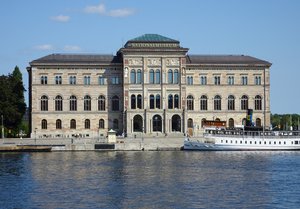
Nationalmuseum, StockholmNationalmuseum Stockholm 5 Brother St. Martin and the Three Trolls, Joseph Bauer (1849-1921), The Artist's Father, 1909, A Forest Troll

John Bauer, az év meghatározó festményei

16 év John Bauer művészetéből, 1900-től 1915-ig: a galéria év év után év követi őket, a legnevesültebb eredeti alkotásokon keresztül.

Művek évszáma szerint

Váasszon egy évet az eredetiek megtekintéséhez.

John Bauer festményei: a galéria válaszai

Melyik John Bauer festmény a leghíresebb?Fedje fel a választ

Brother St. Martin and the Three Trolls (1913), Nationalmuseum, Stockholm. Ezután Joseph Bauer (1849-1921), The Artist's Father, 1909 (1900) és A Forest Troll (1909) következik.

Hány éves volt John Bauer, amikor elkészítette a(t): Brother St. Martin and the Three Trolls?Fedje fel a választ

31 éves: Brother St. Martin and the Three Trolls 1913-ből származik, John Bauer pedig 1882-ben született.

Hány műve született John Bauer nevére?Fedje fel a választ

Katalógusunkban 10 mű található John Bauer alkotótól, 1900 és 1915 év közötti időszakból.

Hol találhatóak John Bauer leghíresebb eredeti művei?Fedje fel a választ

Leginkább Nationalmuseum (Stockholm) található. A fenti múzeumi táblázatban mindegyik felsorolásra került.

Mikor festette John Bauer le leghíresebb műveit?Fedje fel a választ

1913 alatt: a jelen laphonon található 9 műből 3 készült ebben az időszakban, köztük Brother St. Martin and the Three Trolls.

Melyek John Bauer legkorábbi és legutóbbi híres művei?Fedje fel a választ

Ezen az oldalon a leghitelesebb Joseph Bauer (1849-1921), The Artist's Father, 1909 (1900), a legutóbbi pedig Lena Dances with the Knight (1915).

Mely témakörökkel foglaltaszkodott a legtöbbször John Bauer?Fedje fel a választ

Tree (2), Forest (2) és Profile (2), a jelen oldalon található 9 műművészeti alkotás között.

Melyik technikával foglalt leginkább John Bauer?Fedje fel a választ

Watercolor, a jelen oldalon található 9 műből 5 darab esetén.

Mely John Bauer eredeti műveit őrzi a Nationalmuseum?Fedje fel a választ

Brother St. Martin and the Three Trolls, Joseph Bauer (1849-1921), The Artist's Father, 1909 és A Forest Troll: a Nationalmuseum, Stockholm 5 művet őrzi ezen az oldalon.

John Bauer: a művész

The Enchanting Visionary of Swedish Folklore

John Albert Bauer stands as a singular figure in the annals of Swedish art history, a painter and illustrator whose evocative landscapes and fantastical imagery captured the very soul of Nordic mythology. Born in Jönköping, Sweden, in 1882, Bauer’s artistic journey was defined by a profound connection to the mystical textures of his homeland. His early years were marked by a move to Stockholm at the age of sixteen, where he entered the prestigious Royal Swedish Academy of Arts. It was within these hallowed halls that he honed his technical mastery, absorbing the flowing lines and organic elegance of the Art Nouveau movement while developing a style that would eventually become synonymous with the magic of the Scandinavian wilderness.

Bauer’s work is characterized by a seamless blend of realism and imaginative embellishment. He possessed a rare ability to render the natural world—its dense forests, misty lakes, and rugged terrains—with such meticulous detail that they felt tangibly real, yet he infused these scenes with an ethereal light that suggested something far more ancient and supernatural. His palette often utilized soft, atmospheric tones that evoked the quiet mystery of a twilight forest, creating a sense of wonder that drew viewers into realms of myth and legend. This mastery of atmosphere allowed him to bridge the gap between the physical landscape of Sweden and the spiritual landscape of its folklore.

A Legacy of Gnomes and Trolls

The most enduring and beloved contribution to Swedish cultural heritage remains Bauer’s mesmerizing illustrations for Bland Tomtar och Troll (Among Gnomes and Trolls). This anthology of Swedish folklore, compiled by Sven Hedin, found its perfect visual voice through Bauer’s pen. He did not merely draw creatures; he breathed life into them. His depictions of gnomes, trolls, and elves were rendered with a palpable sense of character and weight, making these beings feel like integral inhabitants of the Swedish woods rather than mere fairy-tale abstractions. Through his work, the creatures of legend became recognizable symbols of national identity, deeply embedded in the collective imagination of the Swedish people.

Beyond his legendary illustrations, Bauer’s artistic development was enriched by his travels through Lappland, Germany, and Italy. These journeys exposed him to a diverse array of cultural aesthetics, from the rugged beauty of Sami traditions to the classical influences of the Renaissance. This eclectic background allowed him to infuse his Romantic Nationalist style with a depth that transcended simple illustration. His work often explored themes of human emotion and the relationship between humanity and the untamed natural world, occasionally venturing into portraiture that captured the quiet dignity and introspection of his subjects.

A Life Cut Short, A Legend Sustained

Tragically, the brilliance of John Albert Bauer was extinguished far too soon. His life was cut short in 1918 by a shipwreck, leaving behind a body of work that, while relatively small due to his brief career, remains immensely impactful. Despite the suddenness of his passing, his influence did not fade; instead, it solidified into a lasting legacy that continues to inspire artists, scholars, and dreamers alike. His ability to capture the essence of Romantic Nationalism through the lens of the supernatural ensured that his vision would remain a cornerstone of Scandinavian art.

Today, Bauer’s work is celebrated not just as historical illustration, but as a profound exploration of the human psyche's connection to myth. His ability to weave together the tangible and the fantastic continues to resonate in contemporary art, serving as a reminder of the power of storytelling through imagery. The enchantment he brought to the page remains as potent today as it was over a century ago, ensuring that the gnomes, trolls, and misty landscapes of his imagination will forever haunt and delight the hearts of those who seek the magic within the mundane.