Joan Mitchell portréja

A 12 legnevezesebb Joan Mitchell festmény, egy galériaválaszték

Frissítve: november 2026 · rangsorolva népszerűségi pontszámunk alapján (minden mű keresései, látogatásai és megrendelései alapján) · 14 mű Joan Mitchell alkotása a katalógusunkban

Röviden

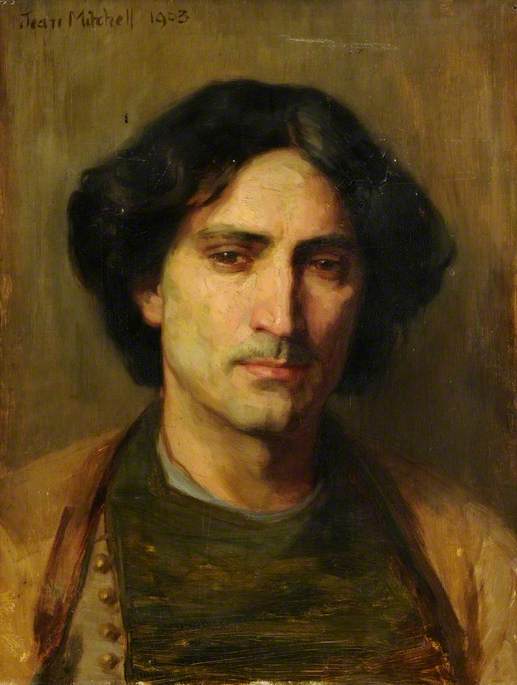
Joan Mitchell hagyatékából a leghíresebb alkotás Joseph Law (d.1897), MD, Honorary Secretary to Sheffield Medical Society (1842–1852) (1892), amely a Sheffield városi Royal Hallamshire Hospital gyűjteményében található. Röviddel ezután követik őket Dr Arthur Jackson (1890) és Portrait of a Man (1903). Katalógusunkban 14 mű található Joan Mitchell alkotótól; a galéria megőrizte a világ által leginkább csodált 12 darabot, melyeket a dátummal, a múzeummal és a történetükkel együtt mutatunk be.

1925 – 1992, Chicago A legtöbb mű: Royal Hallamshire Hospital

Joan Mitchell legjobb 10 festménye: a galéria válogatása

A Joan Mitchell válogatás folytatódik: 11 – 12

A témák, amelyek Joan Mitchell figyelmét meghúzták

A négy leggyakorobban előforduló téma ebben az eredeti művekben, mindegyik a legkiválóbb példájával.

A műemlékek, amelyek Joan Mitchell eredeti műveit őrzik

A 6 olyan múzeum, amely a legtöbb ezen az oldalon szereplő festményet őrzi.

Múzeum Város Joan Mitchell művei Ebből a listából származó festmények
Royal Hallamshire Hospital, SheffieldRoyal Hallamshire Hospital Sheffield 1 Joseph Law (d.1897), MD, Honorary Secretary to Sheffield Medical Society (1842–1852)
Sheffield Archives, SheffieldSheffield Archives Sheffield 1 Dr Arthur Jackson
Whitney Múzeum, Új-YorkWhitney Múzeum Új-York 1 Hemlock
Cleveland Museum of Art, ClevelandCleveland Museum of Art Cleveland 1 Metro
Metropolitan Művészeti Múzeum, New YorkMetropolitan Művészeti Múzeum New York 1 Sunflowers
Detroit Institute of Arts, DetroitDetroit Institute of Arts Detroit 1 Before, Again II

Joan Mitchell évtizede folgtva: az eredeti művek, amelyek meghatározzák az egyes korzakot

Művek évtizedenként

Váassz ki egy évtizedet, hogy megnézhesd az azt meghatározó eredetiműveket.

Gyűjtői kérdések Joan Mitchell festményeivel kapcsolatban

Melyik művel a(z) Joan Mitchell a leghíresebb?Fedje fel a választ

Joseph Law (d.1897), MD, Honorary Secretary to Sheffield Medical Society (1842–1852) (1892), Royal Hallamshire Hospital, Sheffield. Ezután Dr Arthur Jackson (1890) és Portrait of a Man (1903) következik.

Melyek a tíz leghíresebb Joan Mitchell festmény?Fedje fel a választ

Joseph Law (d.1897), MD, Honorary Secretary to Sheffield Medical Society (1842–1852), Dr Arthur Jackson, Portrait of a Man, The Deaconess, Hemlock, Metro, Blueberry, Sunflowers, Tilleul és Edrita Fried. A fenti rangsor a művek évszamarát és a múzeumát jelzi.

Hány festményet hagyott hátra Joan Mitchell?Fedje fel a választ

Katalógusunkban 14 mű található Joan Mitchell alkotótól, 1956 és 1985 év közötti időszakból.

Mely múzeumokban állnak Joan Mitchell remekművei?Fedje fel a választ

Leginkább Royal Hallamshire Hospital (Sheffield), Sheffield Archives (Sheffield) és Whitney Múzeum (Új-York) található. A fenti múzeumi táblázatban mindegyik felsorolásra került.

Mely években festette Joan Mitchell leghíresebb műveit?Fedje fel a választ

1950s alatt: a jelen laphonon található 12 műből 2 készült ebben az időszakban, köztük Hemlock.

Mikszétek az első és az utolsó híres eredeti műve a(z) Joan Mitchell alkotótól?Fedje fel a választ

Ezen az oldalon a leghitelesebb Hemlock (1956), a legutóbbi pedig Before, Again II (1985).

Milyen témaköröket választott leggyakrabban Joan Mitchell?Fedje fel a választ

Portrait (2) és Elderly woman (2), a jelen oldalon található 12 műművészeti alkotás között.

Joan Mitchell: életmű és életút

Early Life and Artistic Beginnings

Jean Mitchell, born in Chicago in 1961, emerged as a compelling figure whose artistic journey, though initially overshadowed, now resonates with increasing recognition for its unique blend of realism and subtle emotional depth. Unlike the explosive energy often associated with Abstract Expressionism—a movement she is sometimes linked to—Mitchell’s early work was firmly rooted in representational painting, specifically portraiture. Growing up in a culturally rich environment, she developed an appreciation for art through family visits to museums and concerts, fostering a sensitivity that would later inform her nuanced depictions of the human form. Her formal training at the Sheffield School of Art provided a solid foundation in traditional techniques, which she skillfully employed in works like “The Deaconess” and “An Old Italian,” paintings characterized by meticulous detail and a quiet dignity. These early pieces reveal a fascination with capturing character and atmosphere, hinting at an underlying psychological depth that would become more pronounced as her style evolved.

A Shift Towards Abstraction and Mosaic Influences

While Mitchell began her career firmly within the bounds of realism, her artistic path took an intriguing turn towards abstraction in the mid-20th century. This wasn’t a sudden abandonment of form but rather a gradual exploration of color, texture, and composition as means to convey emotion and experience. A key element in this transition was her fascination with mosaic art—a technique that allowed for the fragmentation and reassembly of visual elements, creating dynamic patterns and evocative surfaces. This influence is evident in many of her later paintings, where brushstrokes are often broken into smaller, jewel-like components, suggesting a sense of movement and shimmering light. It’s as if she sought to capture not just *what* she saw but also the feeling of seeing—the way light plays on surfaces, the fleeting impressions of color, and the emotional resonance of a particular moment in time.

Key Works and Artistic Style

Mitchell's oeuvre, though relatively small, is marked by a consistent pursuit of expressive power through unconventional means. “The Deaconess,” painted in her early style, showcases her mastery of portraiture—a serene depiction of a nun rendered with remarkable sensitivity and attention to detail. In contrast, works from her later period demonstrate a more abstract sensibility, characterized by bold color palettes and dynamic compositions. Her landscapes, while not strictly representational, often evoke specific places and memories, imbued with a sense of personal history and emotional resonance. She wasn’t interested in simply replicating the external world but rather in translating its essence onto canvas—capturing the feeling of being *in* a place, the quality of light, the scent of the air. Her technique involved layering colors and textures, creating surfaces that are both visually rich and emotionally complex.

Historical Context and Legacy

Jean Mitchell’s work occupies an interesting space within the broader narrative of 20th-century art. While she shared some affinities with the Abstract Expressionists—particularly in her emphasis on emotional expression—her style remained distinctly her own, characterized by a unique blend of realism, abstraction, and mosaic influences. For many years, her contributions were largely overlooked, overshadowed by the more prominent figures of the movement. However, recent scholarship has begun to recognize her as an important voice in American art, one who challenged conventional boundaries and forged her own path. Her paintings offer a compelling alternative to the dominant narratives of Abstract Expressionism—a quieter, more introspective approach that emphasizes personal experience and emotional depth. Her legacy lies not only in the beauty and originality of her work but also in her willingness to defy categorization and pursue her artistic vision with unwavering conviction.

Rediscovery and Contemporary Appreciation

The recent resurgence of interest in Jean Mitchell’s art is a testament to its enduring power and relevance. Her paintings, once largely forgotten, are now attracting attention from collectors, critics, and scholars alike. Exhibitions of her work have revealed the breadth and depth of her artistic vision—showcasing not only her well-known portraits but also her lesser-known landscapes and abstract compositions. This rediscovery has prompted a reassessment of her place within the history of American art, recognizing her as an important figure in the development of Abstract Expressionism and beyond. Her work continues to resonate with audiences today—offering a compelling blend of beauty, emotion, and intellectual depth that transcends stylistic boundaries. Jean Mitchell’s paintings are not simply objects to be admired but rather invitations to experience the world in new and meaningful ways.