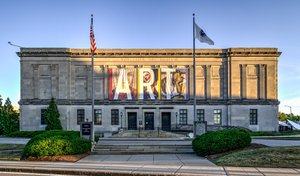
Jan Cossiers portréja

A 50 legnevezesebb Jan Cossiers festmény, egy galériaválaszték

Frissítve: november 2026 · rangsorolva népszerűségi pontszámunk alapján (minden mű keresései, látogatásai és megrendelései alapján) · 51 mű Jan Cossiers alkotása a katalógusunkban

Röviden

Jan Cossiers hagyatékából a leghíresebb alkotás The Adoration of the Shepherds (1657) (1657), amely a Minneapolis városi Minneapolis Institute of Art gyűjteményében található. Röviddel ezután követik őket Concert (1655) és Portrait of a Man (1635). Katalógusunkban 51 mű található Jan Cossiers alkotótól; a galéria megőrizte a világ által leginkább csodált 50 darabot, melyeket a dátummal, a múzeummal és a történetükkel együtt mutatunk be.

1600 – 1671, Antwerpen Baroque A legtöbb mű: Antwerpeni Királyi Szépművészeti Múzeum

Jan Cossiers legjobb 10 festménye: a galéria válogatása

1
The Adoration of the Shepherds (1657) (1657) (1889) -ja Jan Cossiers

The Adoration of the Shepherds (1657)

1657 · Oil · Minneapolis Institute of Art, Minneapolis

In the quiet, shadowed space of a stable, The Adoration of the Shepherds (1657) by Jan Cossiers unfolds as a moment of profound stillness and sudden revelation. The scene captures the biblical arrival of the infant Jesus, resting within a simple manger. Mary kneels in prayer, her posture a quiet reflection of devotion, while Joseph remains close by. Around them, the air feels heavy with the presence of the divine,…

2
Concert (1655) (1889) -ja Jan Cossiers

Concert

1655 · Oil On Canvas · Hermitaeus-múzeum, Szentpétervár

The oil on canvas painting titled Concert was executed by the Flemish artist Jan Cossiers in 1655. This work originates from the mid-seventeenth century, a period during which the artist was active in the artistic centers of Europe. The composition focuses on a musical gathering, capturing a specific moment of interaction between several figures.

3
Portrait of a Man (1635) (1889) -ja Jan Cossiers

Portrait of a Man

1635 · Oil On Canvas · Bavári Állami Festırménygyűjtemények, Munchen

In Jan Cossiers' Portrait of a Man, the composition utilizes a close-up, three-quarter view of the subject's head and shoulders. Positioned slightly off-center, the single male figure is defined by a mustache and prominent eyes that convey a contemplative or serious emotion. The perspective is set at eye-level, establishing an intimate connection with the viewer. This arrangement is characteristic of 17th-century Flemish portraiture, focusing the viewer's attention entirely on the…

5
Portrait of a Man (1635) (1889) -ja Jan Cossiers

Portrait of a Man

1635 · Oil On Panel · Worcester Art Museum, Worcester

The work titled Portrait of a Man is an oil on panel painting created by the artist Jan Cossiers. This portrait depicts a single male subject and is part of the collection at the Worcester Art Museum. The physical dimensions of the panel measure 62.2 cm in height and 48.3 cm in width.

6
Self-portrait (1625) (1889) -ja Jan Cossiers

Self-portrait

1625 · Oil On Canvas

In this medium close-up, Jan Cossiers presents a self-representation of the painter, positioned slightly off-center to create a sense of movement. The subject looks directly at the viewer, establishing an immediate connection. He holds a palette and brush, identifying his profession through these specific tools. The composition focuses on the artist's face and hands, using the tools of his trade to anchor his identity within the frame.

7
David and Abigail (1624) (1889) -ja Jan Cossiers

David and Abigail

1624 · Oil On Canvas

The oil on canvas depicts a scene from the Old Testament, specifically the narrative found in 1 Samuel 25. Within a shallow, crowded space, a woman named Abigail approaches David. She is positioned in a posture of humility, bent low toward the earth, while David stands as a central figure of authority. The composition is dense with figures, creating a sense of immediate physical presence. Light falls heavily upon the…

8
The fortuneteller (1647) (1889) -ja Jan Cossiers

The fortuneteller

1647 · Oil On Canvas · Staatliche Kunsthalle Karlsruhe, Karlsruhe

The artwork titled The fortuneteller is an oil painting by the Flemish artist Jan Cossiers. This specific composition depicts a scene of fortune-telling involving several figures gathered in an atmospheric, dimly lit setting. The figures interact within a space characterized by deep shadows and a focused light source that illuminates their faces and hands.

A Jan Cossiers válogatás folytatódik: 11 – 50

11Satyr as a Guest of the Peasant (1650) (1889) -ja Jan CossiersSatyr as a Guest of the Peasant1650 · Armenia Nemzeti Galériája 12The Prodigal Son (1650) (1889) -ja Jan CossiersThe Prodigal Son1650 · Finnish National Gallery 13The Holy Family (1650) (1889) -ja Jan CossiersThe Holy Family1650 · Musée Calvet 14The Marriage of the Virgin (1650) (1889) -ja Jan CossiersThe Marriage of the Virgin1650 · Musée des Beaux-Arts de Quimper 15Portrait of a gentleman, said to be Adriaen Brouwer (1650) (1889) -ja Jan CossiersPortrait of a gentleman, said to be Adriaen Brouwer1650 16Man holding a pewter charger with a chicken (1650) (1889) -ja Jan CossiersMan holding a pewter charger with a chicken1650 17Young musician with a traverse flute (1650) (1889) -ja Jan CossiersYoung musician with a traverse flute1650 18St Rumbold Blesses St Libertus (1660) (1889) -ja Jan CossiersSt Rumbold Blesses St Libertus1660 19The Death of Hyacint (1889) -ja Jan CossiersThe Death of Hyacint 20Bacchanal (1889) -ja Jan CossiersBacchanalNational Gallery of Ireland 21The Adoration of the Shepherds (1889) -ja Jan CossiersThe Adoration of the ShepherdsAntwerpeni Királyi Szépművészeti Múzeum 22The Adoration of the Shepherds (1889) -ja Jan CossiersThe Adoration of the ShepherdsAntwerpeni Királyi Szépművészeti Múzeum 23Young Man with Long Hair (1889) -ja Jan CossiersYoung Man with Long HairNationalmuseum 24Allegory of luxury (1889) -ja Jan CossiersAllegory of luxury 25A Young Musician (1889) -ja Jan CossiersA Young Musician 26Self Portrait (1889) -ja Jan CossiersSelf Portrait 27Merry company (1889) -ja Jan CossiersMerry companyBavári Állami Festırménygyűjtemények 28St Nicolas rescuing captives or St Nicolas halting the arms of an executioner about to behead a captive (1889) -ja Jan CossiersSt Nicolas rescuing captives or St Nicolas halting the arms of an executioner about to behead a captivePalais des Beaux-Arts de Lille 29Portrait de jeune homme (1889) -ja Jan CossiersPortrait de jeune homme 30La diseuse de bonne aventure (1889) -ja Jan CossiersLa diseuse de bonne aventure 31Jupiter and Lycaon (1889) -ja Jan CossiersJupiter and LycaonMuseo del Prado 32Fortune Teller (1640) (1889) -ja Jan CossiersFortune Teller1640 · Hermitaeus-múzeum 33Ecce homo (1889) -ja Jan CossiersEcce homo 34Prometheus Carrying Fire (1889) -ja Jan CossiersPrometheus Carrying Fire 35The family flamen (1889) -ja Jan CossiersThe family flamen 36The Parable of the Prodigal Son (1889) -ja Jan CossiersThe Parable of the Prodigal Son 37Jesus appears to Mary Magdalene (1889) -ja Jan CossiersJesus appears to Mary Magdalene 38The Supper at Emmaus (1889) -ja Jan CossiersThe Supper at EmmausRhode Island School of Design Museum of Art 39Portrait of a physician (1889) -ja Jan CossiersPortrait of a physicianAntwerpeni Királyi Szépművészeti Múzeum 40The Flagellation of Christ (1889) -ja Jan CossiersThe Flagellation of ChristAntwerpeni Királyi Szépművészeti Múzeum 41Jesus blesses the water (1889) -ja Jan CossiersJesus blesses the water 42The smoker (1889) -ja Jan CossiersThe smokerAntwerpeni Királyi Szépművészeti Múzeum 43Funny Society while drinking and playing music in the garden. (1889) -ja Jan CossiersFunny Society while drinking and playing music in the garden. 44Portrait of a gentleman, half-length, in a black coat and lace collar (1889) -ja Jan CossiersPortrait of a gentleman, half-length, in a black coat and lace collar 45Merry company. (1889) -ja Jan CossiersMerry company. 46Mary magdalene (1889) -ja Jan CossiersMary magdaleneWalters Art Museum 47A man looking into his empty tankard (1889) -ja Jan CossiersA man looking into his empty tankard 48Narcissus (1889) -ja Jan CossiersNarcissusMuseo del Prado 49ECCE HOMO ou PILATE PRESENTANT LE CHRIST AU PEUPLE (1889) -ja Jan CossiersECCE HOMO ou PILATE PRESENTANT LE CHRIST AU PEUPLELouvre Múzeum 50Prometheus (1889) -ja Jan CossiersPrometheusMuseo del Prado

Jan Cossiers híres festményei, korszakonként

A témák, amelyek Jan Cossiers figyelmét meghúzták

A négy leggyakorobban előforduló téma ebben az eredeti művekben, mindegyik a legkiválóbb példájával.

A műemlékek, amelyek Jan Cossiers eredeti műveit őrzik

A 8 olyan múzeum, amely a legtöbb ezen az oldalon szereplő festményet őrzi.

Múzeum Város Jan Cossiers művei Ebből a listából származó festmények
Antwerpeni Királyi Szépművészeti Múzeum, AntwerpenAntwerpeni Királyi Szépművészeti Múzeum Antwerpen 5 The Adoration of the Shepherds, The Adoration of the Shepherds, Portrait of a physician
Bavári Állami Festırménygyűjtemények, MunchenBavári Állami Festırménygyűjtemények Munchen 3 Portrait of a Man, The Fortune Teller, Merry company
Museo del Prado, MadridMuseo del Prado Madrid 3 Jupiter and Lycaon, Narcissus, Prometheus
Hermitaeus-múzeum, SzentpétervárHermitaeus-múzeum Szentpétervár 2 Concert, Fortune Teller
Minneapolis Institute of Art, MinneapolisMinneapolis Institute of Art Minneapolis 1 The Adoration of the Shepherds (1657)
Detroit Institute of Arts, DetroitDetroit Institute of Arts Detroit 1 Young Man
Worcester Art Museum, WorcesterWorcester Art Museum Worcester 1 Portrait of a Man
Staatliche Kunsthalle Karlsruhe, KarlsruheStaatliche Kunsthalle Karlsruhe Karlsruhe 1 The fortuneteller

Jan Cossiers évtizede folgtva: az eredeti művek, amelyek meghatározzák az egyes korzakot

Művek évtizedenként

Váassz ki egy évtizedet, hogy megnézhesd az azt meghatározó eredetiműveket.

Gyűjtői kérdések Jan Cossiers festményeivel kapcsolatban

Melyik művel a(z) Jan Cossiers a leghíresebb?Fedje fel a választ

The Adoration of the Shepherds (1657) (1657), Minneapolis Institute of Art, Minneapolis. Ezután Concert (1655) és Portrait of a Man (1635) következik.

Hány éves volt Jan Cossiers, amikor a The Adoration of the Shepherds (1657) készült?Fedje fel a választ

57 éves: The Adoration of the Shepherds (1657) 1657-ből származik, Jan Cossiers pedig 1600-ben született.

Melyek a tíz leghíresebb Jan Cossiers festmény?Fedje fel a választ

The Adoration of the Shepherds (1657), Concert, Portrait of a Man, Young Man, Portrait of a Man, Self-portrait, David and Abigail, The fortuneteller, The Martyrdom of Saint Catherine és The Fortune Teller. A fenti rangsor a művek évszamarát és a múzeumát jelzi.

Hány festményet hagyott hátra Jan Cossiers?Fedje fel a választ

Katalógusunkban 51 mű található Jan Cossiers alkotótól, 1624 és 1660 év közötti időszakból.

Mely múzeumokban állnak Jan Cossiers remekművei?Fedje fel a választ

Leginkább Antwerpeni Királyi Szépművészeti Múzeum (Antwerpen), Bavári Állami Festırménygyűjtemények (Munchen) és Museo del Prado (Madrid) található. A fenti múzeumi táblázatban mindegyik felsorolásra került.

Mely években festette Jan Cossiers leghíresebb műveit?Fedje fel a választ

1650s alatt: a jelen laphonon található 50 műből 11 készült ebben az időszakban, köztük The Adoration of the Shepherds (1657).

Mikszétek az első és az utolsó híres eredeti műve a(z) Jan Cossiers alkotótól?Fedje fel a választ

Ezen az oldalon a leghitelesebb David and Abigail (1624), a legutóbbi pedig St Rumbold Blesses St Libertus (1660).

Milyen témaköröket választott leggyakrabban Jan Cossiers?Fedje fel a választ

Man (19), Woman (10) és People (7), a jelen oldalon található 50 műművészeti alkotás között.

Melyik technikát alkalmazta leggyakrabban Jan Cossiers?Fedje fel a választ

Oil On Canvas, a jelen oldalon található 50 műből 25 darab esetén.

Mely művészeti irányba tartozik Jan Cossiers?Fedje fel a választ

Baroque, ezen az oldalon található eredetiek alapján.

Mely Jan Cossiers művei láthatóak a Antwerpeni Királyi Szépművészeti Múzeum falán?Fedje fel a választ

The Adoration of the Shepherds, The Adoration of the Shepherds és Portrait of a physician: a Antwerpeni Királyi Szépművészeti Múzeum, Antwerpen 5 művet őrzi ezen az oldalon.

Jan Cossiers: életmű és életút

The Radiant Shadow: The Life and Legacy of Jan Cossiers

In the heart of the 17th-century Antwerp art scene, few names resonate with as much stylistic versatility as Jan Cossiers. Born on July 15, 1600, in the vibrant Flemish city of Antwerp, Cossiers was destined for a life immersed in the brushstrokes of greatness. He descended from an artistic lineage, being the son of the watercolorist Antoine Cossiers, a fact that provided him with an early and intimate understanding of color and form. His formative years were shaped by the rigorous training of Cornelius de Vos, whose mastery of portraiture laid the groundwork for Cossiers’ ability to capture the human essence. However, it was his restless spirit and pursuit of the avant-garde that would truly define his trajectory, leading him away from the familiar comforts of Flanders toward the sun-drenched landscapes of France and the dramatic shadows of Italy.

The evolution of Cossiers’ style is a captivating journey through the shifting tides of the Baroque era. His travels to Aix-en-Provence in 1623 allowed him to absorb the dynamic energy of Dutch influences, but it was his pilgrimage to Rome in 1624 that fundamentally altered his artistic DNA. There, he encountered the revolutionary tenebrism of Caravaggio—a technique defined by an intense, theatrical interplay between profound darkness and piercing light. This encounter breathed a new, dramatic life into his work. His early repertoire was characterized by Caravaggesque genre scenes, often depicting "low life" subjects with a gritty, unvarnistic realism. These works, such as the evocative Fortune Teller (1640), utilized masterful chiaroscuro to transform mundane moments of contemplation or social interaction into profound psychological studies.

From Genre Scenes to Grand Narratives

As his career matured, Cossiers transitioned from the intimate, often earthy depictions of everyday life toward the more prestigious realms of history and religious painting. This shift was not merely a change in subject matter but an expansion of his emotional and technical vocabulary. His connection to the legendary Peter Paul Rubens played a pivotal role in this ascension; by working within Rubens’ esteemed workshop, Cossiers refined his ability to handle large-scale compositions and complex, multi-figure narratives. The influence of Rubens is evident in the increased dynamism and opulent detail found in his later works, where the stark shadows of his youth began to mingle with a more sophisticated use of color and movement.

His religious canvases stand as testaments to his ability to convey spiritual fervor through physical drama. In masterpieces such as The Martyrdom of Saint Catherine (1647) and Jesus appears to Mary Magdalene, Cossiers utilizes the dramatic tension learned in Rome to evoke deep piety and suffering. His work Saint Nicholas Delivrant des Captifs further demonstrates his command over the Baroque epic, blending intense emotion with a dynamic composition that guides the viewer's eye through a sea of biblical struggle. Even in his more quiet moments, such as his meticulous Self Portrait, one can sense the dignity and technical precision that earned him high standing within the Antwerp artistic community.

A Pillar of the Antwerp School

Beyond the canvas, Jan Cossiers was a central figure in the institutional fabric of Flemish art. His ascent to the position of Dean of Saint Luke's Guild in 1640 signifies not only his technical mastery but also his profound respect among his peers. He lived through a period of immense cultural transition, acting as a bridge between the raw, dramatic energy of early Caravaggism and the more refined, classical sensibilities that would follow. His life was a tapestry of professional triumph and personal complexity, marked by significant connections to intellectuals like Nicolas Claude Fabri de Peiresc and the prestigious circles of the Antwerp elite.

The historical significance of Jan Cossiers lies in his ability to synthesize diverse influences into a singular, recognizable voice. He took the shadows of Italy, the dynamism of the Netherlands, and the grandeur of Rubens' Flanders to create an oeuvre that was both deeply personal and broadly representative of the Baroque spirit. Today, he is remembered not just as a follower of great masters, but as a pioneer who helped shape the visual language of the 17th century, leaving behind a legacy of light, shadow, and enduring human emotion.