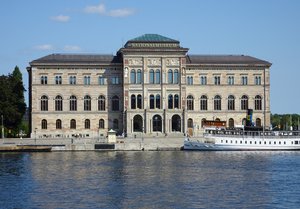
Jacob Van Es portréja

Jacob Van Es festményei: A 44 leghíresebb alkotás, egy galéria szemével

Frissítve: november 2026 · rangsorolva népszerűségi pontszámunk alapján (minden mű keresései, látogatásai és megrendelései alapján) · 46 mű Jacob Van Es alkotása a katalógusunkban

Röviden

A galéria szerint Jacob Van Es leghíresebb festménye a Still-Life with Fruit, amelynek eredeti példája a Groeninge Museum múzeumában található, Brügge városában. Nature morte au pichet és Still Life with Oysters, Fruit and Pastry (1619) kiegészítik azt a triót, amelyet minden szem felismer. A katalógusunkban szereplő 46 művész Jacob Van Es alkotásából a galéria az alábbi 44 leghíresebbet mutatja be, amelyek mind egyedi originális művek, a készítés évszámával, a múzeum megnevezésével és a különlegességük leírásával.

1596 – 1666, Antal Baroque A legtöbb mű: Groeninge Museum

A galéria top 10 Jacob Van Es festménye

1
Still-Life with Fruit (1889) -ja Jacob Van Es

Still-Life with Fruit

Oil On Panel · Groeninge Museum, Brügge

Jacob van Es presents Still-Life with Fruit, an oil on panel that captures a quiet arrangement of nature. The work measures 224 x 34 cm. It resides within the Groeninge Museum in Brugge, Belgium. The surface holds the weight of the fruit in a steady, silent presence.

2
Nature morte au pichet (1889) -ja Jacob Van Es

Nature morte au pichet

Oil On Canvas

A single lemon rests upon a dark velvet surface, its peel curling away in a waxy spiral. Beside it, a silver pitcher catches a soft, unseen light, casting a gentle glow across the scene. The composition is a study in stillness, where the heavy weight of the metal meets the delicate, organic curves of a rose. Shadows pool deeply in the folds of the fabric, creating a sense of immediate,…

3
Still Life with Oysters, Fruit and Pastry (1619) (1889) -ja Jacob Van Es

Still Life with Oysters, Fruit and Pastry

1619 · Oil On Canvas · Ghent Művészeti Múzeum (MSK), Ghent

In Still Life with Oysters, Fruit and Pastry, Jacob van Es organizes a dense, horizontal arrangement of luxury items across a wooden tabletop. The composition utilizes a pyramidal structure to guide the eye through a collection of oysters, grapes, peaches, plums, pastries, and ornate metal vessels. This arrangement creates a sense of immediate presence through a direct, eye-level view. Depth is achieved through the strategic overlapping of objects and a…

4
stillife (1621) (1889) -ja Jacob Van Es

stillife

1621 · Oil

Shadows stretch across a draped tabletop, claiming the spaces between objects in a dance of light and dark. In this monochrome world, the air feels heavy with the scent of salt and citrus. An open oyster shell rests in the foreground, its pearlescent interior catching a sharp, directional light that seems to emerge from the upper left. Nearby, a lemon lies partially peeled, its curling rind frozen in a moment…

5
Floral still life of three roses in a glass vase surrounded by three butterflies, a beetle and a caterpillar (1621) (1889) -ja Jacob Van Es

Floral still life of three roses in a glass vase surrounded by three butterflies, a beetle and a caterpillar

1621 · Oil On Panel · Musée Des Beaux, Strasbourg

A glass vase containing three large roses occupies the center of this 1621 oil on panel painting. The blooms appear in shades of white, pink, and deep red, positioned against a dark, near-black background. Light enters from the upper left, casting soft highlights on the petals and creating depth through shadows within the layers of the flowers. The vase sits upon a surface where a small caterpillar crawls along the…

6
Still Life (1631) (1889) -ja Jacob Van Es

Still Life

1631 · Oil On Panel · Bavári Állami Festırménygyűjtemények, Munchen

A horizontal arrangement of food items rests upon a dark, flat surface, emerging from a deep, shadowy background. The composition centers on a loaf of bread, a peeled citrus fruit, and a whole citrus fruit, accompanied by a small round fruit and a plate containing shrimp and a piece of broken fruit. In the background, a glass containing liquid catches the light. Directional lighting from the upper left defines the…

7
Still Life with Fruit and Ham (1627) (1889) -ja Jacob Van Es

Still Life with Fruit and Ham

1627 · Oil On Panel

A heavy piece of ham rests upon a platter, its surface catching a sharp, singular light. Around it, the table is crowded with the weight of a harvest. Grapes hang in clusters, their skins taut and translucent, while peaches and melons sit in a pyramidal arrangement. The scene is set against a dark, atmospheric background that pushes the objects forward into the viewer's space. Every texture is a tactile encounter,…

8
Breakfast Piece with Cheese and Goblet (1634) (1889) -ja Jacob Van Es

Breakfast Piece with Cheese and Goblet

1634 · Oil On Canvas · Nationalmuseum, Stockholm

A heavy wooden tabletop anchors this 1634 composition, supporting a collection of breakfast items that emerge from a dark, indeterminate background. The arrangement is defined by a sharp chiaroscuro, where light enters from the upper left to sculpt the volume of each object. A large wedge of cheese, characterized by its porous texture, sits near a ceramic jug and ornate silver vessels. Sliced meat and citrus fruit provide deep reds…

9
Still Life with Fish on a Vending Counter (1637) (1889) -ja Jacob Van Es

Still Life with Fish on a Vending Counter

1637 · Oil On Canvas · Städel Múzeum, Frankfurt

Still Life with Fish on a Vending Counter is a work by Jacob van Es, a prominent figure in the first generation of Flemish still-life painters. Born in Antwerp, Belgium, in 1596, Van Es established himself within the city's competitive artistic ecosystem. By 1617, he had achieved the status of master within the Antwerp Guild of Saint Luke. This professional standing allowed him to contribute to the development of the…

10
Still Life (1640) (1889) -ja Jacob Van Es

Still Life

1640 · Oil On Canvas · Antwerpeni Királyi Szépművészeti Múzeum, Antwerpen

The painting titled Still Life is a work by Jacob van Es. It emerged from the artist's brush around 1640. This composition captures a quiet abundance of food, arranged with a focus on the tactile reality of the objects. A lobster, oysters, and fruit rest upon a dark surface, their forms defined by a sharp, directional light.

Jacob Van Es festményei, 11. helyezéstől 44. helyezésig

11Still life with fish, kitchenware, crabs and onions (1641) (1889) -ja Jacob Van EsStill life with fish, kitchenware, crabs and onions1641 · Staatliches Museum Schwerin 12Flower Stilllife (1640) (1889) -ja Jacob Van EsFlower Stilllife1640 · Niedersächsisches Landesmuseum 13Still life of bread, plate with olives, lemon and glassware (1640) (1889) -ja Jacob Van EsStill life of bread, plate with olives, lemon and glassware1640 · Staatliche Kunsthalle Karlsruhe 14Still life with a basket of fruit and a squirrel, glasses, and a cut melon on a tabletop (1650) (1889) -ja Jacob Van EsStill life with a basket of fruit and a squirrel, glasses, and a cut melon on a tabletop1650 15Still life with oysters, a jug and a wine glass (1650) (1889) -ja Jacob Van EsStill life with oysters, a jug and a wine glass1650 16Still life with fruit, artichokes, and a columbine cup (1650) (1889) -ja Jacob Van EsStill life with fruit, artichokes, and a columbine cup1650 17Plums in a Chinese dish (1650) (1889) -ja Jacob Van EsPlums in a Chinese dish1650 18Plums in a Chinese dish (1650) (1889) -ja Jacob Van EsPlums in a Chinese dish1650 · Thyssen-Bornemisza Múzeum 19Breakfast with Oysters (1645) (1889) -ja Jacob Van EsBreakfast with Oysters1645 · Hermitaeus-múzeum 20APPRETS D'UN REPAS (1889) -ja Jacob Van EsAPPRETS D'UN REPASLouvre Múzeum 21Oysters and lemons (1889) -ja Jacob Van EsOysters and lemonsMuseo del Prado 22Still life with pitcher (1889) -ja Jacob Van EsStill life with pitcher 23HUITRES ET FRUITS (1889) -ja Jacob Van EsHUITRES ET FRUITS 24Still life of blue and white grapes, together with wild strawberries, all in a basked on a wooden ledge (1889) -ja Jacob Van EsStill life of blue and white grapes, together with wild strawberries, all in a basked on a wooden ledge 25Untitled (767) (1889) -ja Jacob Van EsUntitled (767) 26Still life with bacon (1889) -ja Jacob Van EsStill life with baconMusée des Beaux-Arts de Valenciennes 27Still life with squirrel (1889) -ja Jacob Van EsStill life with squirrel 28Peaches, pears, nuts and a vase of carnations on a table top (1889) -ja Jacob Van EsPeaches, pears, nuts and a vase of carnations on a table top 29Nancy lunch (1889) -ja Jacob Van EsNancy lunchNancy Szépművészeti Múzeum 30Still Life with lobster and oysters (1889) -ja Jacob Van EsStill Life with lobster and oysters 31Still-Life (1889) -ja Jacob Van EsStill-Life 32Nature morte au jambon (1889) -ja Jacob Van EsNature morte au jambon 33Le Déjeuner de hareng Nature morte au hareng (1889) -ja Jacob Van EsLe Déjeuner de hareng Nature morte au hareng 34Nature morte aux fruits dans des porcelaines (1889) -ja Jacob Van EsNature morte aux fruits dans des porcelaines 35Still Life with Meat Pies, a Roast Fowl, Olives, Capers and Strawberries (1889) -ja Jacob Van EsStill Life with Meat Pies, a Roast Fowl, Olives, Capers and Strawberries 36Still life with peaches, grapes and nuts on an entablature (1889) -ja Jacob Van EsStill life with peaches, grapes and nuts on an entablature 37Grapes with a Half Walnut (1889) -ja Jacob Van EsGrapes with a Half Walnut 38Still life with a salt cellar. (1889) -ja Jacob Van EsStill life with a salt cellar. 39Nature morte à l'écureuil (1889) -ja Jacob Van EsNature morte à l'écureuilMusée des Beaux-Arts 40Still-Life of Grapes, Plums and Apples (1889) -ja Jacob Van EsStill-Life of Grapes, Plums and Apples 41Grape with Walnut (1889) -ja Jacob Van EsGrape with WalnutNárodní galerie Praha 42An Iris and Three Roses in an Earthenware Pot (1889) -ja Jacob Van EsAn Iris and Three Roses in an Earthenware PotFondation Custodia 43Still life with a squirrel and a parrot (detail) (1889) -ja Jacob Van EsStill life with a squirrel and a parrot (detail) 44Still life with a fish on a terracotta plate, bunches of asparagus, artichokes and cherries in a scalloped dish, together with half a cheese in a basket, bread rolls, fraises de bois, lemons, oranges and crabs all arranged on a table top (1889) -ja Jacob Van EsStill life with a fish on a terracotta plate, bunches of asparagus, artichokes and cherries in a scalloped dish, together with half a cheese in a basket, bread rolls, fraises de bois, lemons, oranges and crabs all arranged on a table top

Jacob Van Es híres festményei, korszakonként

A témák, amelyek Jacob Van Es figyelmét meghúzták

A négy leggyakorobban előforduló téma ebben az eredeti művekben, mindegyik a legkiválóbb példájával.

A műemlékek, amelyek Jacob Van Es eredeti műveit őrzik

A 8 olyan múzeum, amely a legtöbb ezen az oldalon szereplő festményet őrzi.

Múzeum Város Jacob Van Es művei Ebből a listából származó festmények
Groeninge Museum, BrüggeGroeninge Museum Brügge 1 Still-Life with Fruit
Ghent Művészeti Múzeum (MSK), GhentGhent Művészeti Múzeum (MSK) Ghent 1 Still Life with Oysters, Fruit and Pastry
Musée Des Beaux, StrasbourgMusée Des Beaux Strasbourg 1 Floral still life of three roses in a glass vase surrounded by three butterflies, a beetle and a caterpillar
Bavári Állami Festırménygyűjtemények, MunchenBavári Állami Festırménygyűjtemények Munchen 1 Still Life
Nationalmuseum, StockholmNationalmuseum Stockholm 1 Breakfast Piece with Cheese and Goblet
Städel Múzeum, FrankfurtStädel Múzeum Frankfurt 1 Still Life with Fish on a Vending Counter
Antwerpeni Királyi Szépművészeti Múzeum, AntwerpenAntwerpeni Királyi Szépművészeti Múzeum Antwerpen 1 Still Life
Staatliches Museum Schwerin, SchwerinStaatliches Museum Schwerin Schwerin 1 Still life with fish, kitchenware, crabs and onions

Jacob Van Es, egy aláírott festmény évtizedenként

Művek évtizedenként

Váassz ki egy évtizedet, hogy megnézhesd az azt meghatározó eredetiműveket.

Jacob Van Es festményei: a galéria válaszai

Melyik Jacob Van Es festmény a leghíresebb?Fedje fel a választ

Still-Life with Fruit, Groeninge Museum, Brügge. Ezután Nature morte au pichet és Still Life with Oysters, Fruit and Pastry (1619) következik.

Melyek Jacob Van Es top 10 festménye?Fedje fel a választ

Still-Life with Fruit, Nature morte au pichet, Still Life with Oysters, Fruit and Pastry, stillife, Floral still life of three roses in a glass vase surrounded by three butterflies, a beetle and a caterpillar, Still Life, Still Life with Fruit and Ham, Breakfast Piece with Cheese and Goblet, Still Life with Fish on a Vending Counter és Still Life. A fenti rangsor a művek évszamarát és a múzeumát jelzi.

Hány műve született Jacob Van Es nevére?Fedje fel a választ

Katalógusunkban 46 mű található Jacob Van Es alkotótól, 1619 és 1650 év közötti időszakból.

Hol találhatóak Jacob Van Es leghíresebb eredeti művei?Fedje fel a választ

Leginkább Groeninge Museum (Brügge), Ghent Művészeti Múzeum (MSK) (Ghent) és Musée Des Beaux (Strasbourg) található. A fenti múzeumi táblázatban mindegyik felsorolásra került.

Mikor festette Jacob Van Es le leghíresebb műveit?Fedje fel a választ

1640s alatt: a jelen laphonon található 44 műből 5 készült ebben az időszakban, köztük Still Life.

Melyek Jacob Van Es legkorábbi és legutóbbi híres művei?Fedje fel a választ

Ezen az oldalon a leghitelesebb Still Life with Oysters, Fruit and Pastry (1619), a legutóbbi pedig Still life with a basket of fruit and a squirrel, glasses, and a cut melon on a tabletop (1650).

Mely témakörökkel foglaltaszkodott a legtöbbször Jacob Van Es?Fedje fel a választ

Fruit (12), Bread (9) és Grapes (8), a jelen oldalon található 44 műművészeti alkotás között.

Melyik technikával foglalt leginkább Jacob Van Es?Fedje fel a választ

Oil On Panel, a jelen oldalon található 44 műből 15 darab esetén.

Mely művészeti irányhoz tartozik Jacob Van Es?Fedje fel a választ

Baroque, ezen az oldalon található eredetiek alapján.

Jacob Van Es: a művész

The Quiet Splendor of Jacob Foppens van Es

In the golden age of Flemish Baroque painting, few artists captured the ephemeral beauty of the material world with as much understated grace as Jacob Foppens van Es. A master of the still life, Van Es occupied a pivotal position in the first generation of Flemish painters who elevated the depiction of food, flora, and everyday objects into a profound sensory experience. While his contemporaries often leaned toward the dramatic or the overtly opulent, Van Es cultivated an aesthetic of refined elegance. His works, characterized by a meticulous devotion to texture and light, do not merely present objects; they invite the viewer into a silent, contemplative dialogue with nature’s bounty.

Though the biographical details of his early life remain somewhat shrouded in the mists of the seventeenth century, we know that Van Es was deeply rooted in the vibrant artistic ecosystem of Antwerp. Estimates suggest he was born around 1596, likely into a prosperous merchant family. This background of stability may have provided the foundation for his disciplined approach to art. By 1617, he had achieved the prestigious status of master within the Antwerp Guild of Saint Luke. Interestingly, the lack of records showing him as a pupil within the guild suggests that his formative training might have taken place elsewhere, perhaps absorbing the stylistic nuances of masters like Adam van Noort or Maerten de Vos before returning to establish his legacy in his home city.

A Symphony of Texture and Light

The true genius of Van Es lies in his ability to breathe life into the inanimate. His compositions are masterclasses in the chiaroscuro technique, where subtle shifts in light and shadow create a palpable sense of volume and presence. When observing one of his fruit pieces, such as his celebrated depictions of peaches, grapes, and nuts, one is struck by the way the light clings to the velvety skin of a peach or glints off the translucent surface of a grape. He possessed an uncanny ability to render the tactile—the ruggedness of an oyster shell, the crispness of a leaf, or the heavy weight of an entablature.

His technical repertoire extended beyond simple food studies into the delicate realm of floral arrangements and even collaborative garland paintings. In these works, he worked alongside other masters to create intricate wreaths of blossoms that framed central religious or portrait subjects. This collaborative spirit highlights his integration into the broader Flemish tradition, standing alongside luminaries such as Osias Beert and Clara Peeters. His brushwork was never ostentatious; instead, it served a higher purpose: to honor the intricate details of the natural world, ensuring that every crumb, droplet, and petal felt anchored in reality.

Legacy and Historical Significance

The success of Jacob Foppens van Es was not merely a local phenomenon but a recognized standard of excellence throughout the seventeenth-century art market. The enduring value of his work is evidenced by its presence in the most esteemed collections of his era. Most notably, the legendary Peter Paul Rubens included two of Van Es’s works in his personal inventory, a testament to the respect even the giants of the Baroque era held for his skill. His social standing was equally significant; the fact that prominent artists like Jacob Jordaens served as godfathers to his children suggests he moved within the highest circles of Antwerp's intellectual and artistic elite.

As we look back upon his oeuvre, we see more than just historical artifacts; we see a bridge between the Renaissance focus on observation and the Baroque passion for drama. Van Es’s contribution to the Dutch and Flemish still-life tradition remains foundational. He helped define a genre that celebrated the beauty of the mundane, turning a simple breakfast or a bowl of fruit into a meditation on abundance, mortality, and the fleeting nature of time. His legacy lives on in every painting that seeks to find the extraordinary within the ordinary.