Thomas Bewick: A természet részleteinek csendes mestere
Thomas Bewick 1853. augusztus 11-én született Oxfordshire, Burfordban, és élete a megfigyelés erejének és az elkötelezettségnek volt a bizonyítéka. Korai éveket személyes tragédiák kísértették – szüles ereje még nem elérte, amikor mindkét szülőjét elvesztette –, ami olyan gyermekléthez vezetett, amelyet nagybátyja, egy ügyvéd irányítása határozott. Ő vetette bele a tanulás szeretetébe és a munka módszeres megkövetelésébe. Bár kezdetben jogi karrierre tervezték, Bewick művészeti hajlama teljesen más utat nyitott számára, végül Anglia egyik legünnepeltebb fahengyszerű metszőművészének és természettörténeti ábrázolójának állította fenn.
Bewick hivatalos képzése a londoni Royal Academy Schools-ban kezdődött, ahol Johan Zoffany, a bonyolult kompozícióiról ismert neves festő tanítása alatt csiszolta készségeit. Bewick azonban gyorsan kialakította saját, egyedi stílusát, amelyet rendkívüli részletgazdag odafigyelés és a tárgyai – elsősorban az állatok és növények – lényegének lenyűgöző pontossággal való megörökítése jellemzett. Kezdetben különféle kereskedelmi megbízásokat vállalt, beleértve az evőeszközök gravírozását és hirdetésekhez készült fahengerek készítését, így értékes tapasztalatot szerzett a mesterségben, mielőtt teljesen az ábrázolásnak szentelte magát.
- Korai karrier és Newcastle: Bewick korai pályafolyamán Newcastle upon Tyne városában dolgozott egy gravírozó vállalkozás partnereként. Ez az időszak döntő fontosságú volt technikai készségeinek fejlesztésében és hírnevének megszerzésében a grafikusi közösségen belül. मद्देन
- A brit madarak története: Áttörése az A History of British Birds (1797) című művével érkezett, amely monumentális alkotásként mutatta be fahengyszerű metszés mesteri tudását. A apró, éles szemmel készült ábrázolások, amelyeket „záróképekként” ismertek, hatalmas népszerűségre tettek magukat, és új standardot állítottak a természettörténeti ábrázolásban.
- 서Aesopus fábulái és túlmutatva: Bewick életén át folytatta az Aesopus fábulái illustrációját, demonstrálva sokoldalúságát és a mesterség iránti elkötelezettségét. Számos más művet is alkotott, beleértve a gyermekkönyvek illusztrációit és a kiterjedt A History of British Birds, II. kötet (1804) című munkáját is.
Bewick művészeti filozófiája mélyen gyökerezett a megfigyelésben és a gondos tanulmányozásban. Számtalan órát töltött állatok skiccelésével természetes élőhelyeiken, apránnyira pontosan dokumentálva viselkedésüket és megjelenésüket. A realizmus iránti elkötelezettség egyértelménűen látható ábrázolásaiban, amelyek hihetetlenül élethűek és közvetlenség érzésével teltek meg. Az akkori uralkodó trendekkel ellentétben Bewick elvetette a sok művész által kedvelt idealizált ábrázolásokat; helyette úgy döntött, hogy a természetet úgy mutatja be, ahogy azt látta – minden hibájával és árnyalatával együtt. Munkássága nem csupán dekoratív volt; a természet világának mélyreható felfedezése volt.
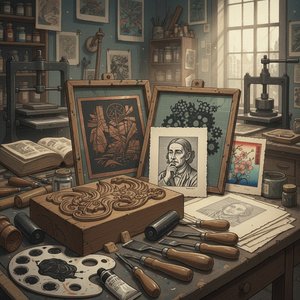
Bewick hozzájárulása a grafikához messze túlmutat egyedi ábrázolásain. Úttörője volt a fahengyszerű metszés alkalmazásának a kiváló minőségű ábrázoláshoz, olyan technikákat fejlesztve ki, amelyek nagyobb részletgazdagságot és tartósságot mutattak, mint a hagyományos fahengerek. Módszere a kemény japán körtej (boxwood) szálanti mettezését envolvezta fém-gravírozó eszközökkel, olyan nyomtatási blokkokat létrehozva, amelyek zökkenőmentesen integrálhatóak voltak a fémbetűkkel – ami ebben a korban forradalmi megközelítés volt. Ez a technika lehetővé tette számára, hogy lenyűgözően részletes ábrákat készítsen viszonylag alacsony költségen, így azok szélesebb közönség számára is elérhetővé váltak.
Továbbá, Bewick munkássága mélyrehatóan befolyásolta a későbbi generációk gravírozóit és ábrázolóit is. Aprólékos figyelme a részletekre, a realizmus iránti elkövetkezése és innovatív technikái új standardot állítottak a mesterségnek. Gyakran nevezik a „fahengyszerű metszés atyjának”, mivel egyedül alakította át ezt a egyszerű dekoratív technikát a művészeti kifejezés és a tudományos dokumentáció erőteljes médiumává. Öröksége ma is inspirálja a művészeket, emlékeztetve minket arra a szépségre és csodára, amely a természet világának apró részleteiben rejlik.
Bewick örökségének hatása
Thomas Bewick hatása messze túlmutatott saját élettartamán. Az ábrázoláshoz alkalmazott precíz megközelítése, különösen a fahengyszerű metszés használata, alapvetően megváltoztatta a képek előállításának és terjesztésének módját. Bewick előtt az illusztrációkat gyakran külön nyomták a szövegtől, ami egy nehézkes folyamat volt, amely korlátozta azok minőségét és elérhetőségét. Bewick módszere, amely egyesítette a metszeteket a betűkkel, forradalmat hozott a könyvgyártásban, lehetővé téve a részletesebb és vizuálisan vonzóbb kiadványok létrehozását.
- A természethistorikus útmutatók felemelkedése: Az A History of British Birds széles körben az első modern természethistorikus útmutatónak tekinthető, példát példázva a későbbi ábrázolások számára. Könnyen érthető nyelvezete és Bewick lenyűgöző képei együtt tették a madarászatot szélesebb közönség számára is élvezhetővé.
- Hatás a grafikai technikákra: Bewick innovációi a fahengyszerű metszés terén számtalan utódját befolyásolták. Technikáit Európa-szerte felvették és alkalmazták a művészek, hozzájárulva a modern grafikai gyakorlatok fejlődéséhez.
- Hatás az ábrázolási stílusokra: Bewick realizmusra és részletekre való összpontosítása tartós hatást gyakorolt az ábrázolási stílusokra, különösen a természettudományokban. Munkássága modellként szolgált olyan generációk számára, akik törekedtek tárgyaik lényegének pontos és művészi megörökítésére.
Technikai innovációin túlmutatva, Bewick öröksége szorosan kapcsolódik a természethez érzéséhez. Ábrázolásai nem csupán állatok és növények reprezentációi; tele vannak a természet világ iránti csodálattal és tisztelettel. A művészet egy megfigyelésre alapozottabb megközelítését népesítette fel, arra ösztönözve a nézőket, hogy kapcsolódjanak környezetükhöz, és értékeljék körülöttük lévő szépséget. Thomas Bewick 1828. november 8-án hunyt el, hátrahagyva olyan lenyűgöző művészi örökséget, amely ma is magával ragadja és inspirálja a közönséget.
Kérdések és válaszok
Megvizsgálhatom Henri Pierre Danloux színhasználatát az összes művében?
Henri Pierre Danloux műveleteinek színprofilja a művész Paletta Genom oldalán tekinthető meg.
Kereshetem Henri Pierre Danloux műveit kulcsszavak alapján is?
Henri Pierre Danloux Kulcsszavak szerint oldala a művész alkotásait kulcsszavak alapján csoportosítja.
Henri Pierre Danloux műveit színek alapján is böngészhetem?
Henri Pierre Danloux műveinek keresése egy adott színpalettában a művész Színpaletták alapján oldalán lehetséges.