Menü
INGYENES MŰVÉSZETI TANÁCSADÁS

Kasebieri Gertrudé

1852 - 1934

Rövid összefoglaló

  • Emotional tone: békés
  • Also known as:
    • Stanton Gertrudé
    • Stanton Gertrudé Kasebier
  • Movements:
    • pictorialism
    • pictorialist photography
  • Copyright status: Public domain
  • Nationality: Egyetem városának állam
  • Creative periods: mature period
  • Works on APS: 17
  • Corpus themes: gender roles
  • Born: 1852, Des Moines, Egyetem városának állam
  • Top 3 works:
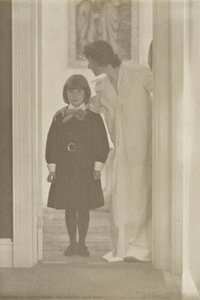
    • Blessed Art Thou Among Women
    • A Pope család kertben Hill-Steadön
    • Blessed Art Thou among Women
  • Topics explored:
    • photography
    • portraiture
    • motherhood
    • domesticity
    • victorian era
  • További adatok…
  • Died: 1934
  • Vibe:
    • békés
    • elegáns
  • Room fit: nappali
  • Color intensity: egyensúlyban lévő
  • Mediums: akril vászonon
  • Museums on APS:
    • Boca Raton Museum of Art
    • Amon Carter Museum of American Art
    • Amon Carter Museum of American Art
    • Amon Carter Museum of American Art
    • Amon Carter Museum of American Art
  • Gift suitability: other-none
  • Top-ranked work: Blessed Art Thou Among Women
  • Lifespan: 82 years
  • Art period: 19. század
  • Best occasions: akcentus

Művészeti kvíz

Minden kérdésre csak egy helyes válasz létezik.

Kérdés 1:
Mik az amerikai fotográfus Gertrude Kasebier születési helye?
Kérdés 2:
Mely művészi mozgalomhoz tartozott Gertrude Kasebier?
Kérdés 3:
Ki volt Alfred Stieglitz?
Kérdés 4:
Milyen témákat foglalt el Gertrude Kasebier?
Kérdés 5:
Gertrude Kasebier milyen technikával dolgozott?

Gertrude Käsebier – Pioneering American Photographer

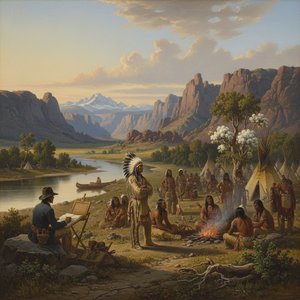
Gertrude Kasebier (1852-1934) stands as a monumental figure in the history of American photography, recognized for her profound empathy and artistic vision. Her journey to renown was marked by resilience—a childhood shaped by hardship followed by an unwavering determination to forge her own path within the burgeoning art world. Born Gertrude Stanton in Fort Des Moines (now Des Moines), Iowa, she defied societal expectations for women during her time, embarking on a transformative artistic odyssey that would reshape perceptions of photographic expression. ### Early Life and Influences Gertrude’s formative years instilled in her an inner strength that would permeate her subsequent endeavors. Her father's entrepreneurial spirit—transporting a sawmill to Colorado during the Gold Rush and serving as the first mayor of Golden —provided her with a foundational understanding of ambition and innovation. Simultaneously, her mother bravely supported the family by establishing a boarding house, demonstrating unwavering fortitude. Marriage at 22 brought three children but also introduced profound unhappiness into her life—a melancholy that subtly infused some of her most poignant portraits. Notably, she enrolled at Pratt Institute of Art and Design in Brooklyn at age 37, absorbing the theories of Friedrich Fröbel alongside principles from the Arts and Crafts movement. This intellectual grounding profoundly impacted her aesthetic sensibilities. ### Embracing Photography and Pictorialism A pivotal moment arrived when Gertrude encountered Arthur Wesley Dow, a prominent artist championing the interconnectedness of art, education, and motherhood—themes that would become central to her photographic worldview. Dow’s influence encouraged her to explore photography as more than mere documentation; it demanded artistic consideration. She diligently studied chemical processes in Germany and honed her skills under Samuel H. Lifshey, mastering studio management and printing techniques. Her dedication culminated in establishing her own studio in 1897, specializing in portraits of women and children—a deliberate choice reflecting her commitment to capturing human emotion with sensitivity. ### Major Achievements and Artistic Style Kasebier’s photographic output was remarkably diverse yet consistently characterized by a deep appreciation for beauty and social commentary. She gained recognition as one of the founders of the Photo-Secession group alongside Alfred Stieglitz, Alvin Langdon Coburn, Clarence H White and others—a collective dedicated to elevating photography to the status of fine art. Her collaboration with Stieglitz solidified her position within the avant-garde movement, resulting in appearances in *Camera Work*, where she championed the use of soft focus, textured printing, and hand-painting techniques. These methods aimed to emulate painting or etching, prioritizing artistic expression over strict realism—a deliberate rejection of prevailing photographic conventions. Her groundbreaking project documenting Native Americans, inspired by her childhood memories of Colorado and facilitated by her connection with William "Buffalo Bill" Cody, produced images that challenged stereotypes and celebrated Indigenous identity. Works like “Chief Iron Tail” and “Chief Flying Hawk” exemplify her commitment to dignified portraits imbued with respect and empathy. ### Legacy and Enduring Influence Gertrude Käsebier’s legacy extends far beyond her artistic accomplishments. She bravely confronted gender norms by advocating for photography as a viable career path for women—a courageous stance that paved the way for future generations of female photographers. Her leadership in the Women's Federation of the Professional Photographers Association of America and other organizations disseminated her ideas to a wide audience. Today, Käsebier’s photographs continue to resonate with viewers worldwide, offering glimpses into a bygone era while simultaneously exploring universal themes of love, loss, and cultural identity—a testament to her enduring artistic vision. Her influence can be seen in the work of countless photographers who followed, cementing her place as one of America's most important early artists.