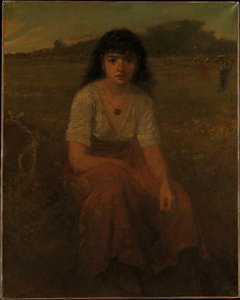
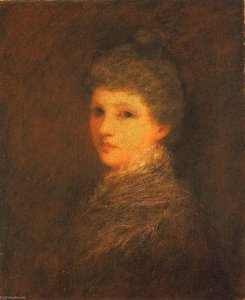
George Fuller portréja

George Fuller festményei: A 32 leghíresebb alkotás, egy galéria szemével

Frissítve: november 2026 · rangsorolva népszerűségi pontszámunk alapján (minden mű keresései, látogatásai és megrendelései alapján) · 35 mű George Fuller alkotása a katalógusunkban

Röviden

A galéria szerint George Fuller leghíresebb festménye a John Quincy Adams Ward (1868), amelynek eredeti példája a National Portrait Gallery múzeumában található, Washington, D.C. városában. Self Portrait (1840) és George Fuller Self-Portrait (1860) kiegészítik azt a triót, amelyet minden szem felismer. A katalógusunkban szereplő 35 művész George Fuller alkotásából a galéria az alábbi 32 leghíresebbet mutatja be, amelyek mind egyedi originális művek, a készítés évszámával, a múzeum megnevezésével és a különlegességük leírásával.

1822 – 1884, Deerfield A legtöbb mű: The Phillips Collection

A galéria top 10 George Fuller festménye

1
John Quincy Adams Ward (1868) (1889) -ja George Fuller

John Quincy Adams Ward

1868 · Oil On Canvas · National Portrait Gallery, Washington, D.C.

In this 1868 oil portrait, we find ourselves in a quiet, intimate space with John Quincy Adams Ward. The composition is a bust-length study, positioning the subject centrally as he gazes slightly toward the viewer's right. There is a profound sense of stillness here, a moment of introspection captured through a dramatic use of chiaroscuro. The light, appearing to descend from the upper left, brushes against his forehead and cheek,…

2
Self Portrait (1840) (1889) -ja George Fuller

Self Portrait

1840 · Oil On Canvas · Detroit Institute of Arts, Detroit

A man sits in the quiet weight of a dim room, his presence filling the space with a heavy, contemplative stillness. He looks directly at us, his steady gaze meeting the viewer with an intensity that feels both intimate and distant. The light catches the side of his face in a warm, yellowish glow, carving his features out of the surrounding darkness. This chiaroscuro effect leaves much of his form…

3
George Fuller Self-Portrait (1860) (1889) -ja George Fuller

George Fuller Self-Portrait

1860 · Oil On Canvas · National Portrait Gallery, Washington, D.C.

In this 1840 oil-on-canvas, we find George Fuller looking back at us from a position of profound introspection. It is a three-quarter view, a composition that places the subject slightly off-center, creating an immediate sense of psychological presence. He does not offer a public mask; instead, he presents a man caught in a private moment of contemplation. The lighting is handled with a deliberate chiaroscuro, where a soft light source…

4
Head of a Boy (1867) (1889) -ja George Fuller

Head of a Boy

1867 · Oil On Canvas · Cleveland Museum of Art, Cleveland

The oil on canvas titled Head of a Boy is an idealized portrait of a young boy by the American artist George Fuller. Painted in 1867, the work captures a quiet, still presence. The subject is presented with a sense of dignity and classical restraint, his gaze meeting the viewer from a position of stillness. This portrait exists as a study of form and light, stripped of the distractions of…

5
Ideal Head of a Boy (George Spencer Fuller) (1867) (1889) -ja George Fuller

Ideal Head of a Boy (George Spencer Fuller)

1867 · Oil On Canvas · Metropolitan Művészeti Múzeum, New York

The oil on canvas titled Ideal Head of a Boy (George Spencer Fuller) captures a quiet moment of youth. George Fuller rendered this portrait about 1867. The subject is a young boy, presented with a sense of dignity and classical restraint. His gaze is direct, meeting the viewer from a position of stillness. It is a study of form and light, stripped of the distractions of a detailed setting.

6
By the Wayside (1877) (1889) -ja George Fuller

By the Wayside

1877 · Oil On Canvas · Művészeti Múzeum, Boston, Boston

In this oil on canvas, titled By the Wayside, the artist George Fuller presents a quiet moment from the late nineteenth century. Created about 1877, the work reflects a period of significant development in the artist's career, following his return to painting as a primary livelihood after years of managing a farm in Massachusetts. The piece captures a sense of stillness through its specific choice of subject and medium.

7
Ideal Head (1876) (1889) -ja George Fuller

Ideal Head

1876 · Oil On Canvas · Művészeti Múzeum, Boston, Boston

In this oil on canvas work, titled Ideal Head, George Fuller presents a quiet study of youth. Painted in 1876, the portrait focuses on a single youthful figure, captured in a close-up bust composition. The subject possesses wavy hair and a neutral, somewhat melancholic expression that invites a moment of stillness. It is a work of subtle presence, where the figure emerges from a dark, undifferentiated background.

8
Henry Ware Sr. (1764-1845), after James Frothingham (1786-1864) (1877) (1889) -ja George Fuller

Henry Ware Sr. (1764-1845), after James Frothingham (1786-1864)

1877 · Oil On Canvas · Harvard Art Museums, Cambridge

This formal, somber oil portrait depicts Henry Ware Sr. in a three-quarter length composition. The subject is positioned slightly off-center, facing towards the viewer's left while looking directly forward. He is shown in clerical attire, including a white clerical collar, and appears to be holding a book or papers. The lighting is dramatic, utilizing a chiaroscuro effect where light falls primarily on the man's face, his white collar, and his…

9
Agnes Gordon Cochran Higginson (Mrs. Stephen Higginson) (1876) (1889) -ja George Fuller

Agnes Gordon Cochran Higginson (Mrs. Stephen Higginson)

1876 · Oil On Canvas · National Gallery of Art, Washington

In this 1876 portrait, we find ourselves in an intimate encounter with Agnes Gordon Cochran Higginson. The composition is centered and direct, presenting the subject in a frontal view that feels both formal and deeply personal. There is a certain stillness here, a quietude that suggests the painting may have been intended as a commemorative piece. The light, soft and diffused, seems to descend from an unseen source above, casting…

10
And She Was a Witch (1877) (1889) -ja George Fuller

And She Was a Witch

1877 · Oil On Canvas · Metropolitan Művészeti Múzeum, New York

The scene unfolds through the oil on canvas titled And She Was a Witch. This work emerges from the brush of George Fuller, an American painter who brought a singular vision to the canvas. Created about 1877, the painting captures a moment of profound tension and mystery. The artist, George Fuller, was born in Deerfield, United States, and his connection to the landscape and its quiet, often heavy emotions, remains…

George Fuller festményei, 11. helyezéstől 32. helyezésig

George Fuller híres festményei, korszakonként

A témák, amelyek George Fuller figyelmét meghúzták

A négy leggyakorobban előforduló téma ebben az eredeti művekben, mindegyik a legkiválóbb példájával.

A műemlékek, amelyek George Fuller eredeti műveit őrzik

A 8 olyan múzeum, amely a legtöbb ezen az oldalon szereplő festményet őrzi.

Múzeum Város George Fuller művei Ebből a listából származó festmények
The Phillips Collection, Washington, D.C.The Phillips Collection Washington, D.C. 6 Afterglow, Portrait of Mrs. Aaron Fuller, Boy Fishing
Művészeti Múzeum, Boston, BostonMűvészeti Múzeum, Boston Boston 5 By the Wayside, Ideal Head, Ethel Reynolds Clarke
Metropolitan Művészeti Múzeum, New YorkMetropolitan Művészeti Múzeum New York 4 Ideal Head of a Boy (George Spencer Fuller), And She Was a Witch, Nydia
National Gallery of Art, WashingtonNational Gallery of Art Washington 3 Agnes Gordon Cochran Higginson (Mrs. Stephen Higginson), Agnes Gordon Higginson Fuller (Mrs. George Fuller), Violet
National Portrait Gallery, Washington, D.C.National Portrait Gallery Washington, D.C. 2 John Quincy Adams Ward, George Fuller Self-Portrait
Smithsonian American Art Museum, Washington, D.C.Smithsonian American Art Museum Washington, D.C. 2 Fedalma, Ideal Head
Detroit Institute of Arts, DetroitDetroit Institute of Arts Detroit 1 Self Portrait
Cleveland Museum of Art, ClevelandCleveland Museum of Art Cleveland 1 Head of a Boy

George Fuller, egy aláírott festmény évtizedenként

Művek évtizedenként

Váassz ki egy évtizedet, hogy megnézhesd az azt meghatározó eredetiműveket.

George Fuller festményei: a galéria válaszai

Melyik George Fuller festmény a leghíresebb?Fedje fel a választ

John Quincy Adams Ward (1868), National Portrait Gallery, Washington, D.C.. Ezután Self Portrait (1840) és George Fuller Self-Portrait (1860) következik.

Hány éves volt George Fuller, amikor elkészítette a(t): John Quincy Adams Ward?Fedje fel a választ

46 éves: John Quincy Adams Ward 1868-ből származik, George Fuller pedig 1822-ben született.

Melyek George Fuller top 10 festménye?Fedje fel a választ

John Quincy Adams Ward, Self Portrait, George Fuller Self-Portrait, Head of a Boy, Ideal Head of a Boy (George Spencer Fuller), By the Wayside, Ideal Head, Henry Ware Sr. (1764-1845), after James Frothingham (1786-1864), Agnes Gordon Cochran Higginson (Mrs. Stephen Higginson) és And She Was a Witch. A fenti rangsor a művek évszamarát és a múzeumát jelzi.

Hány műve született George Fuller nevére?Fedje fel a választ

Katalógusunkban 35 mű található George Fuller alkotótól, 1840 és 1884 év közötti időszakból.

Hol találhatóak George Fuller leghíresebb eredeti művei?Fedje fel a választ

Leginkább The Phillips Collection (Washington, D.C.), Művészeti Múzeum, Boston (Boston) és Metropolitan Művészeti Múzeum (New York) található. A fenti múzeumi táblázatban mindegyik felsorolásra került.

Mikor festette George Fuller le leghíresebb műveit?Fedje fel a választ

1880s alatt: a jelen laphonon található 32 műből 11 készült ebben az időszakban, köztük Afterglow.

Melyek George Fuller legkorábbi és legutóbbi híres művei?Fedje fel a választ

Ezen az oldalon a leghitelesebb Self Portrait (1840), a legutóbbi pedig Girl with Turkeys (1884).

Mely témakörökkel foglaltaszkodott a legtöbbször George Fuller?Fedje fel a választ

Portrait (6), Face (5) és Man (4), a jelen oldalon található 32 műművészeti alkotás között.

Melyik technikával foglalt leginkább George Fuller?Fedje fel a választ

Oil On Canvas, a jelen oldalon található 32 műből 13 darab esetén.

Mely George Fuller eredeti műveit őrzi a The Phillips Collection?Fedje fel a választ

Afterglow, Portrait of Mrs. Aaron Fuller és Boy Fishing: a The Phillips Collection, Washington, D.C. 6 művet őrzi ezen az oldalon.

George Fuller: a művész

George Fuller: Weaver of Dreams in American Painting

George Fuller (1822-1884) wasn’t a name that immediately resonates within the halls of art history, yet his canvases hold a peculiar and enduring power. He was an American painter who carved out a distinctive niche for himself—a master of evocative portraits and scenes steeped in the quiet beauty of rural America, often imbued with a haunting sense of melancholy and the ethereal quality of dreams. His work, largely overlooked during his lifetime, now reveals itself as a significant contribution to 19th-century American art, particularly within the Boston Art Club and the broader context of Victorian sensibilities.

Born in Deerfield, Massachusetts, Fuller’s early life was marked by familial resistance to his artistic aspirations. His parents, farmers with traditional values, viewed painting as a frivolous pursuit. Despite this opposition, he pursued his passion relentlessly, beginning with formal training under Henry Kirke Brown in Boston and later honing his skills within the rigorous environment of the National Academy of Design in New York City. This period exposed him to established artistic conventions while simultaneously fueling his desire to develop a unique visual language.

Fuller’s career began as an itinerant portraitist, a common path for artists seeking recognition and sustenance. He traveled extensively throughout New England and the Midwest, capturing the likenesses of prominent figures – merchants, lawyers, and members of the local elite. These early portraits established his technical proficiency but hinted at a deeper yearning to explore broader themes and landscapes. Crucially, he also spent time in Illinois working on the construction of the railroad, an experience that profoundly shaped his perspective on the American frontier and its evolving relationship with nature.

The Rural Vision: Themes and Techniques

Fuller’s most celebrated work centers around scenes of rural life—not the idealized pastoralism often depicted by his contemporaries, but a more nuanced and introspective portrayal. He frequently featured solitary figures – women gathering herbs, children playing in fields, or men resting after a day's labor – set against expansive landscapes rendered with a delicate sensitivity to light and atmosphere. These weren’t simply depictions of daily routines; they were imbued with a profound sense of loneliness, contemplation, and the passage of time.

His technique was characterized by a loose, expressive brushstroke—a hallmark of the Hudson River School painters but tempered by a distinctly personal style. Fuller favored muted color palettes – browns, greens, grays, and blues – to create a sense of atmospheric depth and mood. He skillfully employed light and shadow to evoke a dreamlike quality, blurring the boundaries between reality and imagination. His compositions often featured asymmetrical arrangements and unconventional perspectives, further contributing to the paintings’ unsettling yet captivating allure.

Notable works like *The Gatherer of Simples* (1878-83) exemplify this approach. The painting depicts a woman collecting herbs in a misty field, her face partially obscured by shadow, creating an aura of mystery and solitude. Similarly, *Head*, painted in 1880, is a study in psychological depth, capturing the subject’s inner thoughts and emotions through subtle shifts in expression and gesture.

Influences and Context

Fuller's artistic development was shaped by a confluence of influences. The Hudson River School, with its emphasis on landscape painting and romantic ideals, undoubtedly played a role. However, he also drew inspiration from the Symbolist movement emerging in Europe—particularly the use of symbolism to convey deeper meanings and emotions. Furthermore, his time spent traveling through the American West exposed him to Native American cultures and landscapes, which subtly informed his artistic vision.

His work resonated within the Boston Art Club, a prominent institution that fostered a vibrant community of artists during the late 19th century. Fuller’s paintings were regularly exhibited at the club's annual shows, gaining him recognition among his peers and attracting the attention of collectors. The Victorian era, with its fascination with spirituality, melancholy, and the supernatural, provided fertile ground for Fuller’s introspective themes.

Legacy and Significance

Despite not achieving widespread fame during his lifetime, George Fuller's work has gained increasing recognition in recent decades. His paintings are now appreciated for their evocative atmosphere, psychological depth, and subtle commentary on the human condition. He stands as a significant figure in American art history—a painter who captured the quiet beauty of rural America with a unique blend of technical skill and emotional sensitivity.

Fuller’s legacy extends beyond his individual paintings. His exploration of themes such as loneliness, contemplation, and the relationship between humanity and nature continues to resonate with contemporary viewers. His work serves as a poignant reminder of the power of art to evoke profound emotions and invite us to contemplate the mysteries of life.