


1


Frissítve: november 2026 · rangsorolva népszerűségi pontszámunk alapján (minden mű keresései, látogatásai és megrendelései alapján) · 25 mű Frederick Walker alkotása a katalógusunkban
Röviden
A galéria szerint Frederick Walker leghíresebb festménye a The Old Gate (1868), amelynek eredeti példája a Birmingham Museum and Art Gallery múzeumában található, Birmingham városában. The Gondola (1868) és Mother with a baby and a nursemaid (1866) kiegészítik azt a triót, amelyet minden szem felismer. A katalógusunkban szereplő 25 művész Frederick Walker alkotásából a galéria az alábbi 25 leghíresebbet mutatja be, amelyek mind egyedi originális művek, a készítés évszámával, a múzeum megnevezésével és a különlegességük leírásával.


Frederick Walker’s depiction, "The Old Farm Garden," invites us into a scene steeped in the quiet poetry of everyday life. It is more than just a garden; it is a carefully curated moment where human activity intersects with natural beauty. The composition centers around an elegant woman, whose gentle focus—perhaps on her knitting or simply observing the bloom before her—creates an immediate sense of peaceful contemplation for the viewer. Walker…
A négy leggyakorobban előforduló téma ebben az eredeti művekben, mindegyik a legkiválóbb példájával.
A 5 olyan múzeum, amely a legtöbb ezen az oldalon szereplő festményet őrzi.
| Múzeum | Város | Frederick Walker művei | Ebből a listából származó festmények |
|---|---|---|---|
 Birmingham Museum and Art Gallery |
Birmingham | 2 | The Old Gate, The Gondola |
 Fitzwilliam Museum |
1 | Mother with a baby and a nursemaid | |
 Tate Britain |
London | 1 | The Vagrants |
 National Gallery of Victoria |
Melbourne | 1 | The right of way |
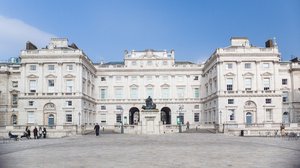 Courtauld Gallery |
London | 1 | The Old Farm Garden |
Tíz év, 1866től 1875ig, elegendő volt Frederick Walker-nek: a galéria év év után évon keresztül végigvezeti velünk ezeket, egy híres eredetitől a következőig.
Váasszon egy évet az eredetiek megtekintéséhez.
Frederick Walker’s depiction, "The Old Farm Garden," invites us into a scene steeped in the quiet poetry of everyday life. It is more than just a garden; it is a carefully curated moment where human activity intersects with natural beauty. The composition centers around an elegant woman, whose gentle focus—perhaps on her knitting or simply observing the bloom before her—creates an immediate sense of peaceful contemplation for the viewer. Walker…
The Old Gate (1868), Birmingham Museum and Art Gallery, Birmingham. Ezután The Gondola (1868) és Mother with a baby and a nursemaid (1866) következik.
28 éves: The Old Gate 1868-ből származik, Frederick Walker pedig 1840-ben született.
The Old Gate, The Gondola, Mother with a baby and a nursemaid, The Old Gate, The Vagrants, The Harbour of Refuge, The right of way, Spring, Autumn és The Old Farm Garden. A fenti rangsor a művek évszamarát és a múzeumát jelzi.
Katalógusunkban 25 mű található Frederick Walker alkotótól, 1866 és 1875 év közötti időszakból.
Leginkább Birmingham Museum and Art Gallery (Birmingham), Fitzwilliam Museum és Tate Britain (London) található. A fenti múzeumi táblázatban mindegyik felsorolásra került.
1868 alatt: a jelen laphonon található 25 műből 3 készült ebben az időszakban, köztük The Old Gate.
Ezen az oldalon a leghitelesebb Mother with a baby and a nursemaid (1866), a legutóbbi pedig The right of way (1875).
Victorian era (3), Autumn (2) és Harbour (2), a jelen oldalon található 25 műművészeti alkotás között.
Realism, ezen az oldalon található eredetiek alapján.
The Old Gate és The Gondola: a Birmingham Museum and Art Gallery, Birmingham 2 művet őrzi ezen az oldalon.
In the vibrant, often turbulent landscape of mid-Victorian England, few artists captured the quiet dignity and poignant struggles of the common person as masterfully as Frederick Walker. A central figure in the social realist movement, Walker possessed a rare ability to transform the mundane details of everyday life into profound narratives of human emotion. Born in London in 1840, the son of a jeweler, Walker’s journey was one of self-driven passion and disciplined craftsmanship. His early years were marked by a precocious talent for mimicry, as he taught himself the intricacies of pen and ink by copying prints, often finding solace and inspiration within the halls of the British Museum. This foundational period of intense observation would later become the hallmark of his mature style, allowing him to render the textures of rural life and urban hardship with an almost tactile intimacy.
Walker’s professional ascent was characterized by a seamless blend of fine art and commercial illustration, a duality that defined much of the nineteenth-century British art scene. After brief forays into architecture and formal training at the Royal Academy and James Mathews Leigh's art school, he entered an apprenticeship as a wood engraver under Josiah Wood Whymper. It was within this rigorous environment of printmaking that Walker forged lasting bonds with contemporaries like George Pinwell and J.W. North, creating a creative circle that would influence the direction of British genre painting. His rise to prominence was accelerated by his prolific work for popular periodicals such as Cornhill Magazine and Once a Week. Through these much-read journals, Walker’s illustrations reached a vast audience, earning him the admiration of literary giants like William Thackeray, for whom he provided evocative drawings that breathed life into serialized fiction.
The brilliance of Walker’s work lies in his ability to weave complex emotional layers into seemingly simple scenes. Whether working in the delicate medium of watercolor or the robust depth of oils, his technique was always at the service of the story. He moved beyond mere illustration, elevating the status of "genre painting"—the depiction of everyday life—to a level of high art. His compositions often utilized a soft, atmospheric light that lent a sense of nostalgia and tenderness to his subjects, even when depicting scenes of poverty or loss. This mastery earned him the profound respect of his peers; indeed, Sir John Everett Millais famously described him as "the greatest artist of the century."
His thematic repertoire was vast, ranging from:
Though his life was tragically short, ending in 1875 at the age of only thirty-five, Frederick Walker left an indelible mark on the trajectory of British art. He bridged the gap between the meticulous detail of the Pre-Raphaelites and a more modern, emotive realism that focused on the social fabric of the era. His influence can be seen in the way subsequent generations of artists approached the dignity of the subject matter, moving away from idealized romanticism toward a more honest engagement with the human condition.
Today, Walker is remembered not merely as an illustrator for popular magazines, but as a profound chronicler of his age. His ability to find beauty in the humble and tragedy in the ordinary ensures that his work remains deeply resonant. To view a Walker painting is to step into a world where every shadow holds a secret and every face tells a story of endurance, making him a true master of the Victorian soul.


