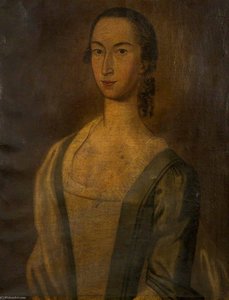
Cosmo Alexander portréja

A 42 legnevesebbebb Cosmo Alexander festmény, mindegyik egyedistens

Frissítve: november 2026 · rangsorolva népszerűségi pontszámunk alapján (minden mű keresései, látogatásai és megrendelései alapján) · 50 mű Cosmo Alexander alkotása a katalógusunkban

Röviden

Samuel Griffin (1770) az a Cosmo Alexander festmény, amely a legtöbb tekintetet felvonja; az eredeti mű a National Portrait Gallery gyűjteményében található, Washington, D.C.. Ezután a tekintet Alexander Grant (1770) és Reverend William Wilson of Airlie, Perth (1761) elemre irányul. A Cosmo Alexander 50 műve közül a katalógusunkban megtalálható 42 legnépesebb alkotás, melyeket az év, a múzeum és az örökévalóságának okai kísérnek.

1724 – 1772, Aberdeen Neoclassicism A legtöbb mű: Traquair House

A galéria szemével: Cosmo Alexander legjobb 10 festménye

1
Samuel Griffin (1770) (1889) -ja Cosmo Alexander

Samuel Griffin

1770 · Oil On Canvas · National Portrait Gallery, Washington, D.C.

The gaze of Samuel Griffin meets the viewer from across the decades, captured in a moment of quiet dignity. This portrait, painted by Cosmo Alexander in 1770, presents a man whose presence feels immediate and resolute. As a figure from the Revolutionary War era, Griffin carries the weight of his time within the stillness of this oil on canvas. He sits as a man of status, his likeness preserved through…

2
Alexander Grant (1770) (1889) -ja Cosmo Alexander

Alexander Grant

1770 · Oil On Canvas · Art Institute of Chicago, Chicago

In this 1770 portrait, we encounter Alexander Grant, a man who carries the quiet weight of his own status. He is presented in a three-quarter length view, positioned with a deliberate, off-center grace against a classical architectural backdrop. There is a certain stillness here, a sense of a moment captured in the middle of a thought. He wears a deep crimson coat and waistcoat, the fabric rendered with a precision…

3
Reverend William Wilson of Airlie, Perth (1761) (1889) -ja Cosmo Alexander

Reverend William Wilson of Airlie, Perth

1761 · Oil On Canvas

A formal portrait of Reverend William Wilson of Airlie, Perth, rendered in 1761, captures a man of significant social and religious standing. The subject is presented in a centered, intimate composition, framed by a dark, circular border that directs all attention to the face and upper torso. He is dressed in the traditional attire of his station, wearing a black robe and a crisp white collar, topped with a powdered…

4
Patrick Home (1757) (1889) -ja Cosmo Alexander

Patrick Home

1757 · Oil On Canvas

The oil painting depicts a man from the chest up, positioned centrally against a muted brown background. He is dressed in formal attire consisting of a dark coat and a waistcoat, with white lace visible at the cuffs. His expression is serious, and his gaze is directed toward the viewer. In his right hand, he holds a small, round object, appearing as a sphere or a globe. The lighting is…

5
Adrian Hope of Amsterdam (1709–1781) (1763) (1889) -ja Cosmo Alexander

Adrian Hope of Amsterdam (1709–1781)

1763 · Oil On Canvas · Scottish National Gallery, Edinburgh

An elderly gentleman stares from an oval frame, his gaze fixed and steady. He is Adrian Hope, a man whose life was measured in the movement of capital and the quiet gravity of Amsterdam. The portrait captures a face etched by time, where every line tells of a life lived within the high-stakes commerce of the eighteenth century. His skin is rendered with a soft, diffused light that settles upon…

6
The Honorable John Ross (1766) (1889) -ja Cosmo Alexander

The Honorable John Ross

1766 · Oil · Harvard Art Museums, Cambridge

The Honorable John Ross is a portrait by the Scottish painter Cosmo Alexander, executed in 1766. This work captures a specific moment in the mid-eighteenth century, a period when Alexander was establishing his presence within the colonial landscape. The sitter is presented with a quiet dignity that reflects the formal traditions of the era.

7
Catherine Ross Gurney (Mrs. Henry Gurney) (1766) (1889) -ja Cosmo Alexander

Catherine Ross Gurney (Mrs. Henry Gurney)

1766 · Oil On Canvas · Harvard Art Museums, Cambridge

A single shaft of light falls from the upper left, catching the crest of a cream-colored silk gown. Catherine Ross Gurney sits in a quiet, three-quarter pose, her presence anchored by the heavy weight of crimson drapery behind her. The fabric of her dress holds a lustrous sheen, a surface of satin and lace that catches the light in sharp, pale highlights. Beside her, the dark, muted wood of a…

8
John Robertson of Pitmillan and Foveran, Provost of Aberdeen (1889) -ja Cosmo Alexander

John Robertson of Pitmillan and Foveran, Provost of Aberdeen

Oil

A man sits framed by shadow and light. John Robertson of Pitmillan and Foveran, Provost of Aberdeen, meets the viewer's gaze with a quiet, sideways glance. His hair is the color of winter frost, a stark white that catches the light against the deep, earthen tones of the background. A dark suit wraps around his frame, anchored by a crisp white collar that separates the man from the darkness of…

9
George Keith, 5th Earl Marischal (1742) (1889) -ja Cosmo Alexander

George Keith, 5th Earl Marischal

1742 · Oil · University of Aberdeen, Amsterdam

In this portrait, the gaze of George Keith, 5th Earl Marischal, meets the viewer through the brush of Cosmo Alexander. Completed in 1742, the work captures the likeness of a man who held significant weight in the history of Scotland. As a prominent Scottish nobleman, he carried the title of Earl Marischal, a position he assumed on 7 October 1581. The painting presents him not as a distant figure of…
10
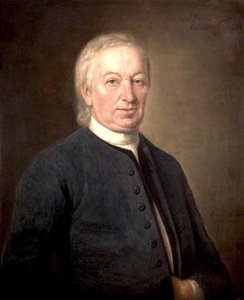
Portrait of a Man (1753) (1889) -ja Cosmo Alexander

Portrait of a Man

1753 · Oil · Birmingham Museum and Art Gallery, Birmingham

The artwork titled Portrait of a Man was painted by the artist Cosmo Alexander. This specific work dates to 1753. The subject is depicted in a formal manner, captured during a period when the artist was active in his career.

Cosmo Alexander híres festményei, 11 és 42 között

11John, 7th Earl of Galloway (1753) (1889) -ja Cosmo AlexanderJohn, 7th Earl of Galloway1753 · The National Trust For Scotland 12Major James Dalrymple (1748) (1889) -ja Cosmo AlexanderMajor James Dalrymple1748 · John Muir House 13John Carmichael, 3rd Earl of Hyndford (1750) (1889) -ja Cosmo AlexanderJohn Carmichael, 3rd Earl of Hyndford1750 · Government Art Collection 14Prince Henry Benedict Clement Stuart (1725–1807), Cardinal York (1749) (1889) -ja Cosmo AlexanderPrince Henry Benedict Clement Stuart (1725–1807), Cardinal York1749 · Sizergh Castle 15The Ladies Barbara and Margaret Stuart (1755) (1889) -ja Cosmo AlexanderThe Ladies Barbara and Margaret Stuart1755 · Traquair House 16Charles Edward Stuart (1720–1788) (1751) (1889) -ja Cosmo AlexanderCharles Edward Stuart (1720–1788)1751 · The Stirling Smith Art Gallery - Museum 17Prince Charles Edward Stuart (1720–1788), 'Bonnie Prince Charlie', 'The Young Pretender' (1749) (1889) -ja Cosmo AlexanderPrince Charles Edward Stuart (1720–1788), 'Bonnie Prince Charlie', 'The Young Pretender'1749 · Sizergh Castle 18The Earl of Findlater (1756) (1889) -ja Cosmo AlexanderThe Earl of Findlater1756 19The Countess of Findlater (1756) (1889) -ja Cosmo AlexanderThe Countess of Findlater1756 20Mary Ogilvie, Wife of Alexander Irvine, 17th Laird of Drum (1756) (1889) -ja Cosmo AlexanderMary Ogilvie, Wife of Alexander Irvine, 17th Laird of Drum1756 21James Irvine of Altamford (1756) (1889) -ja Cosmo AlexanderJames Irvine of Altamford1756 22Mary Ogilvie, Wife of Alexander Irvine, 17th Laird of Drum (1756) (1889) -ja Cosmo AlexanderMary Ogilvie, Wife of Alexander Irvine, 17th Laird of Drum1756 23Alexander Irvine (d.1761), 17th Laird of Drum (1756) (1889) -ja Cosmo AlexanderAlexander Irvine (d.1761), 17th Laird of Drum1756 24Alexander Irvine (possibly 10th, 11th or 12th Laird of Drum) (1757) (1889) -ja Cosmo AlexanderAlexander Irvine (possibly 10th, 11th or 12th Laird of Drum)1757 25Lady Lucy Stuart (1756) (1889) -ja Cosmo AlexanderLady Lucy Stuart1756 · Traquair House 26James Irvine of Altamford (1756) (1889) -ja Cosmo AlexanderJames Irvine of Altamford1756 27James Duff of Corsindae (1678–1762) (1760) (1889) -ja Cosmo AlexanderJames Duff of Corsindae (1678–1762)1760 · Scottish National Gallery 28Charles Irvine, Brother of Alexander Irvine, 16th Laird of Drum (1760) (1889) -ja Cosmo AlexanderCharles Irvine, Brother of Alexander Irvine, 16th Laird of Drum1760 29Mrs Thomas Hope (1763) (1889) -ja Cosmo AlexanderMrs Thomas Hope1763 · University of Nottingham Museum 30Lady Lucy Stuart (1756) (1889) -ja Cosmo AlexanderLady Lucy Stuart1756 · Traquair House 31James Duff Corsindae (1760) (1889) -ja Cosmo AlexanderJames Duff Corsindae1760 · Scottish National Gallery 32Self Portrait (1889) -ja Cosmo AlexanderSelf Portrait 33Elizabeth of York (1889) -ja Cosmo AlexanderElizabeth of York 34Mrs James Irvine of Altamford (1889) -ja Cosmo AlexanderMrs James Irvine of Altamford 35John Drummond, 2nd Duke of Perth (1889) -ja Cosmo AlexanderJohn Drummond, 2nd Duke of PerthTraquair House 36Elizabeth of York (1889) -ja Cosmo AlexanderElizabeth of York 37Mrs James Irvine of Altamford (1889) -ja Cosmo AlexanderMrs James Irvine of Altamford 38James Francis Edward Keith (1889) -ja Cosmo AlexanderJames Francis Edward Keith 39James Maitland, 7th Earl of Lauderdale (1889) -ja Cosmo AlexanderJames Maitland, 7th Earl of Lauderdale 40Portrait of a Woman (1889) -ja Cosmo AlexanderPortrait of a WomanHospitalfield Arts 41Portrait of a Woman and Child (1889) -ja Cosmo AlexanderPortrait of a Woman and ChildHospitalfield Arts 42James Maitland (1718–1789), 7th Earl of Lauderdale (1889) -ja Cosmo AlexanderJames Maitland (1718–1789), 7th Earl of Lauderdale

Cosmo Alexander híres festményei, korszakonként

A témák, amelyek Cosmo Alexander figyelmét meghúzták

A négy leggyakorobban előforduló téma ebben az eredeti művekben, mindegyik a legkiválóbb példájával.

A műemlékek, amelyek Cosmo Alexander eredeti műveit őrzik

A 8 olyan múzeum, amely a legtöbb ezen az oldalon szereplő festményet őrzi.

Múzeum Város Cosmo Alexander művei Ebből a listából származó festmények
Traquair House, InnerleithenTraquair House Innerleithen 4 The Ladies Barbara and Margaret Stuart, Lady Lucy Stuart, Lady Lucy Stuart
Scottish National Gallery, EdinburghScottish National Gallery Edinburgh 3 Adrian Hope of Amsterdam (1709–1781), James Duff of Corsindae (1678–1762), James Duff Corsindae
Harvard Art Museums, CambridgeHarvard Art Museums Cambridge 2 The Honorable John Ross, Catherine Ross Gurney (Mrs. Henry Gurney)
Sizergh Castle, KendalSizergh Castle Kendal 2 Prince Henry Benedict Clement Stuart (1725–1807), Cardinal York, Prince Charles Edward Stuart (1720–1788), 'Bonnie Prince Charlie', 'The Young Pretender'
Hospitalfield Arts, ArbroathHospitalfield Arts Arbroath 2 Portrait of a Woman, Portrait of a Woman and Child
National Portrait Gallery, Washington, D.C.National Portrait Gallery Washington, D.C. 1 Samuel Griffin
Art Institute of Chicago, ChicagoArt Institute of Chicago Chicago 1 Alexander Grant
University of Aberdeen, AmsterdamUniversity of Aberdeen Amsterdam 1 George Keith, 5th Earl Marischal

Cosmo Alexander évtizedekig: egy egyedi eredeti mű minden évtizedben

Művek évtizedenként

Váassz ki egy évtizedet, hogy megnézhesd az azt meghatározó eredetiműveket.

Cosmo Alexander festményei: kérdések a galériának

Mi a leghíresebb műve Cosmo Alexandernek?Fedje fel a választ

Samuel Griffin (1770), National Portrait Gallery, Washington, D.C.. Ezután Alexander Grant (1770) és Reverend William Wilson of Airlie, Perth (1761) következik.

Milyen életkorában alkotta meg Cosmo Alexander a(z) Samuel Griffin műszt?Fedje fel a választ

46 éves: Samuel Griffin 1770-ből származik, Cosmo Alexander pedig 1724-ben született.

Melyik tíz festménye Cosmo Alexander a leghíresebb?Fedje fel a választ

Samuel Griffin, Alexander Grant, Reverend William Wilson of Airlie, Perth, Patrick Home, Adrian Hope of Amsterdam (1709–1781), The Honorable John Ross, Catherine Ross Gurney (Mrs. Henry Gurney), John Robertson of Pitmillan and Foveran, Provost of Aberdeen, George Keith, 5th Earl Marischal és Portrait of a Man. A fenti rangsor a művek évszamarát és a múzeumát jelzi.

Hány mű alkotása ismert Cosmo Alexander nevében?Fedje fel a választ

Katalógusunkban 50 mű található Cosmo Alexander alkotótól, 1742 és 1770 év közötti időszakból.

Hol tekinthetők meg a leghíresebb Cosmo Alexander eredetijeit?Fedje fel a választ

Leginkább Traquair House (Innerleithen), Scottish National Gallery (Edinburgh) és Harvard Art Museums (Cambridge) található. A fenti múzeumi táblázatban mindegyik felsorolásra került.

Melyik időszakban alkotta Cosmo Alexander a leghíresebb festményeit?Fedje fel a választ

1750s alatt: a jelen laphonon található 42 műből 16 készült ebben az időszakban, köztük Patrick Home.

Melyik híres Cosmo Alexander festmény a legkorábbi, és melyik a legutóbb készült?Fedje fel a választ

Ezen az oldalon a leghitelesebb George Keith, 5th Earl Marischal (1742), a legutóbbi pedig Samuel Griffin (1770).

Milyen témakörket kedvelt Cosmo Alexander?Fedje fel a választ

Man (19), Woman (7) és Beard (7), a jelen oldalon található 42 műművészeti alkotás között.

Milyen anyagokkal festett leggyakrabban Cosmo Alexander?Fedje fel a választ

Oil On Canvas, a jelen oldalon található 42 műből 19 darab esetén.

Mely művészeti irányba tartozik Cosmo Alexander műve?Fedje fel a választ

Neoclassicism, ezen az oldalon található eredetiek alapján.

Milyen Cosmo Alexander eredeti műveket láthatok a Traquair House kiállításaiban?Fedje fel a választ

The Ladies Barbara and Margaret Stuart, Lady Lucy Stuart és Lady Lucy Stuart: a Traquair House, Innerleithen 4 művet őrzi ezen az oldalon.

Cosmo Alexander: a művész portréja

A Legacy of Portraiture and Pedagogy

The story of Cosmo Alexander is one of wandering brilliance and the profound influence of a master upon his pupil. Born in Scotland to the noted portrait painter John Alexander, Cosmo was destined for a life steeped in the traditions of fine art. Before his journey took him across the Atlantic, he refined his eye through extensive travels across Europe, documenting his presence in Italy between 1745 and 1751, including time in Rome. His artistic development continued in Holland, where he achieved professional recognition by joining the painters' guild at The Hague. These formative years in the great art centers of Europe provided him with a sophisticated foundation in classical techniques that would later define his work in the American colonies.

Though Alexander often referred to himself as a history painter, his enduring legacy resides in his mastery of the portrait. His style, which aligns closely with the Classical Realism later championed by John Singleton Copley, captured the essence of the Scottish community and the colonial elite with remarkable precision. As he moved through the American landscape between 1766 and 1772, his brush followed a path of significant historical importance. From the bustling streets of Philadelphia to the coastal elegance of Newport, Rhode Island, and even as far south as Charleston, South Carolina, Alexander sought to capture the likenesses of a burgeoning nation through a lens of European refinement.

The Teacher of a Master

Perhaps the most significant chapter in Alexander’s life was his role as a mentor. In Newport, Rhode Island, he encountered a young Gilbert Stuart, a meeting that would alter the course of American art history forever. Recognizing the potential in the fourteen-year-old, Alexander took Stuart on as an apprentice. This relationship was more than a mere professional arrangement; it was a passing of the torch from the Old World traditions to the New. The two traveled together through the colonies, eventually returning to Edinburgh in 1771, where the bond between master and student remained unbroken until Alexander’s sudden death.

Alexander's life was marked by both artistic triumph and personal hardship. Driven by financial debts that had forced him to leave London, he arrived in America with the hope of rebuilding his fortune through his craft. While his travels were frequent—visiting New York City, Boston, and Williamsburg—his ability to secure patrons remained a testament to his skill. In Burlington, New Jersey, he even resided within the governor's mansion, utilizing such high-profile connections to find sitters for his portraits. Though his life was cut short in Edinburgh, the impact of his work remains visible in the collections of prestigious institutions today.

  • Key Artistic Contributions: Known for over twenty-five identified American portraits that showcase his skill in portraiture and historical genre painting.
  • Notable Mentorship: Served as the primary teacher and mentor to the legendary American artist Gilbert Stuart.
  • Geographic Reach: His career spanned Scotland, Italy, Holland, England, and various American colonies including New York, Pennsylvania, and Rhode Island.