Röviden
Several Winter Evenings Delabole az a Carol Jackson festmény, amely a legtöbb tekintetet felvonja; az eredeti mű a New County Hall gyűjteményében található, Truro. Ezután a tekintet Greece (1997) és Crushing and Screening Plant (1998) elemre irányul. A Carol Jackson 10 műve közül a katalógusunkban megtalálható 9 legnépesebb alkotás, melyeket az év, a múzeum és az örökévalóságának okai kísérnek.
A galéria szemével: Carol Jackson legjobb 10 festménye
A műemlékek, amelyek Carol Jackson eredeti műveit őrzik
A 6 olyan múzeum, amely a legtöbb ezen az oldalon szereplő festményet őrzi.
| Múzeum | Város | Carol Jackson művei | Ebből a listából származó festmények |
|---|---|---|---|
| Exeter | 3 | Crushing and Screening Plant, Sun and Rain, Strong Winds, Drilling Carnsew Mine, Catch the Light | |
| Truro | 1 | Several Winter Evenings Delabole | |
| Bristol | 1 | Greece | |
| Penzance | 1 | Across to the Mount | |
| Oxford | 1 | Port Meadow, 30 Years On | |
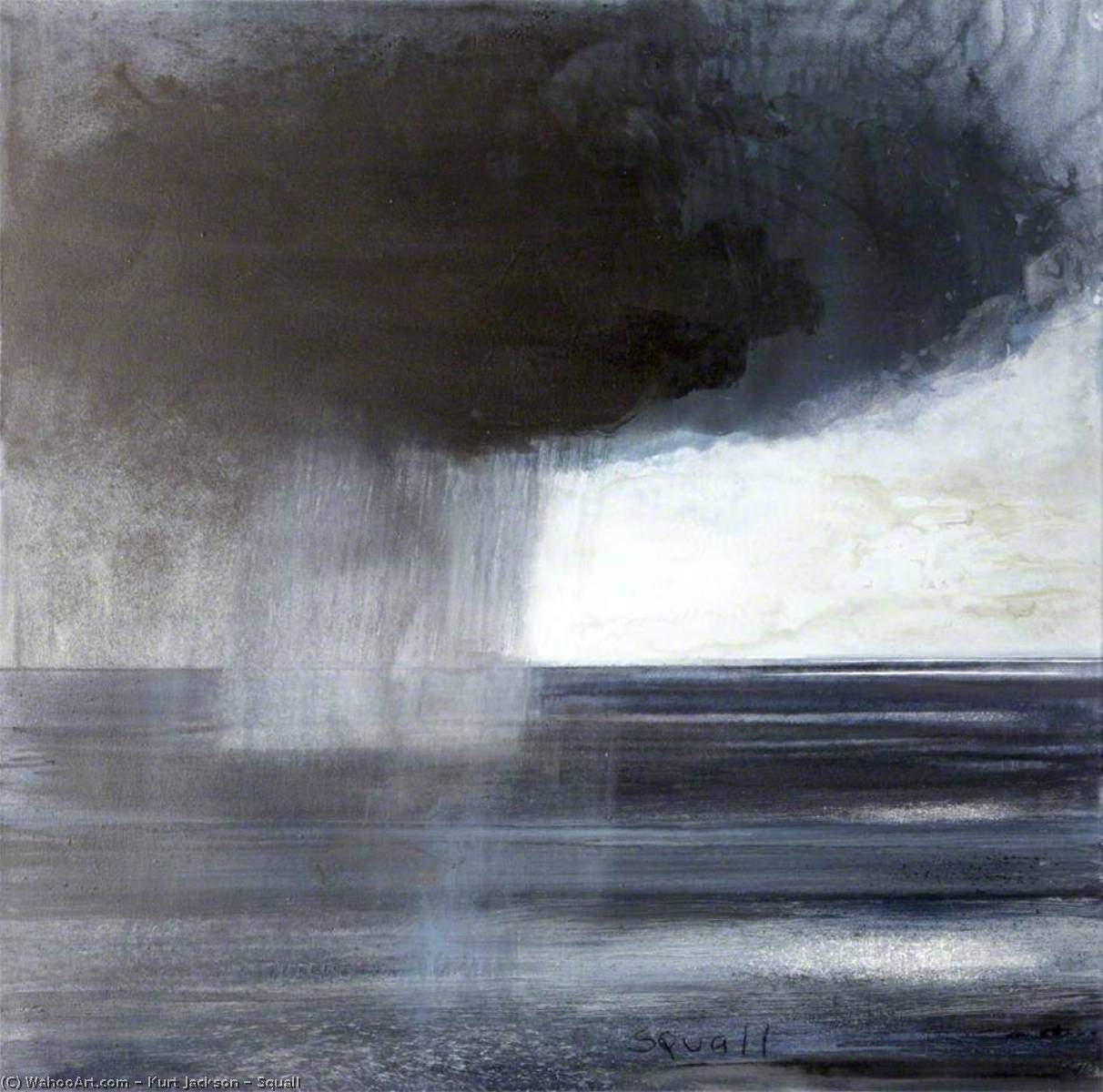
| Exeter | 1 | Squall |
Carol Jackson évtizedekig: egy egyedi eredeti mű minden évtizedben
Művek évtizedenként
Váassz ki egy évtizedet, hogy megnézhesd az azt meghatározó eredetiműveket.
Carol Jackson festményei: kérdések a galériának
Mi a leghíresebb műve Carol Jacksonnek?Fedje fel a választ
Several Winter Evenings Delabole, New County Hall, Truro. Ezután Greece (1997) és Crushing and Screening Plant (1998) következik.
Hány mű alkotása ismert Carol Jackson nevében?Fedje fel a választ
Katalógusunkban 10 mű található Carol Jackson alkotótól, 1997 és 2010 év közötti időszakból.
Hol tekinthetők meg a leghíresebb Carol Jackson eredetijeit?Fedje fel a választ
Leginkább University of Exeter (Exeter), New County Hall (Truro) és Royal West of England Academy (Bristol) található. A fenti múzeumi táblázatban mindegyik felsorolásra került.
Melyik időszakban alkotta Carol Jackson a leghíresebb festményeit?Fedje fel a választ
1990s alatt: a jelen laphonon található 9 műből 4 készült ebben az időszakban, köztük Greece.
Melyik híres Carol Jackson festmény a legkorábbi, és melyik a legutóbb készült?Fedje fel a választ
Ezen az oldalon a leghitelesebb Greece (1997), a legutóbbi pedig Port Meadow, 30 Years On (2010).
Mely művészeti irányba tartozik Carol Jackson műve?Fedje fel a választ
Impressionism, ezen az oldalon található eredetiek alapján.
Milyen Carol Jackson eredeti műveket láthatok a University of Exeter kiállításaiban?Fedje fel a választ
Crushing and Screening Plant, Sun and Rain, Strong Winds, Drilling Carnsew Mine és Catch the Light: a University of Exeter, Exeter 3 művet őrzi ezen az oldalon.
Carol Jackson: a művész portréja
Kurt Jackson: Bridging Abstract Expressionism and Landscape Impression
Kurt Jackson (b. 1961) stands as a distinctive voice within contemporary British art, blending the dynamism of Abstract Expressionism with the serene beauty of landscape painting. Born in Stoke-on-Trent, Staffordshire, his artistic journey began amidst the industrial heritage of the Potteries, fostering an early fascination with texture and materiality – influences that would permeate his subsequent work. Jackson’s distinctive style is characterized by bold color palettes juxtaposed against textured impasto surfaces, creating canvases brimming with emotion and capturing fleeting moments of natural grandeur.- Early Influences: Jackson's formative years were shaped by the gritty landscapes of Stoke-upon-Trent and a deep appreciation for the expressive techniques pioneered by artists like Willem de Kooning and Franz Kline. These encounters instilled in him a conviction that abstraction could serve as a conduit for conveying profound feelings about the natural world.
- Technique & Material Exploration: Jackson’s artistic process is marked by meticulous experimentation with various mediums, including watercolor, acrylics, oil paints, and mixed media. He frequently incorporates found objects – stones, driftwood, and even soil – into his paintings, elevating them beyond mere representation to become tactile explorations of form and texture.
- Notable Works: Among Jackson’s celebrated pieces are “Across to the Mount,” a monumental watercolor depicting coastal cliffs bathed in sunlight; “Sun and Rain, Strong Winds, Drilling Carnsew Mine,” a dramatic depiction of a Cornish mine site capturing industrial energy against atmospheric conditions; and “Greece,” an impressionistic landscape portraying rural Greece with evocative color harmonies.
- Critical Recognition: Jackson’s work has garnered considerable acclaim from critics and collectors alike. He was awarded the Turner Prize in 2003, cementing his position as one of Britain's most prominent artists of his generation.
The Legacy of Abstract Expressionism & Luminist Vision
Jackson’s artistic vision draws heavily from the principles of Abstract Expressionism, particularly the emphasis on spontaneous gesture and emotional intensity—a reaction against the formalism prevalent in earlier art movements. However, unlike many of his contemporaries who focused solely on internal psychological landscapes, Jackson consistently returns to external observation, channeling Luminist influences into his depictions of natural environments. This dual inspiration informs his approach, resulting in paintings that resonate with both visceral energy and contemplative stillness.- De Kooning & Kline Influence: The influence of Willem de Kooning’s gestural brushstrokes and Franz Kline's stark black-and-white compositions is palpable in Jackson’s canvases. He strives to capture the immediacy of experience, mirroring the expressive fervor characteristic of these seminal artists.
- Luminist Aesthetic: Drawing inspiration from Luminist painters like Frederic Church and Albert Bierstadt, Jackson seeks to convey a sense of grandeur and sublime beauty—emphasizing atmospheric perspective and capturing the emotional impact of landscapes on the human spirit.
Exploring Texture & Emotion Through Mixed Media
Jackson’s artistic signature lies in his masterful manipulation of texture and color, achieved through innovative mixed media techniques. He painstakingly builds up layers of paint—often incorporating sand, stone fragments, and other natural materials—creating surfaces that pulsate with physicality and inviting viewers to engage their senses. This tactile approach is complemented by a deliberate use of color palettes designed to evoke specific moods and sensations.- Impasto Technique: Jackson’s signature impasto technique – applying paint thickly onto the canvas – generates palpable surface relief, mirroring the ruggedness of his subjects and amplifying their emotional resonance.
- Color Harmony & Symbolism: He employs color harmonies that are both harmonious and dissonant, reflecting the complexities of human experience and subtly hinting at underlying symbolic meanings within his landscapes.