Anthon van Rappard portréja

Anthon van Rappard festményei: A 10 leghíresebb alkotás, egy galéria szemével

Frissítve: november 2026 · rangsorolva népszerűségi pontszámunk alapján (minden mű keresései, látogatásai és megrendelései alapján) · 10 mű Anthon van Rappard alkotása a katalógusunkban

Röviden

A galéria szerint Anthon van Rappard leghíresebb festménye a Weaver (1884), amelynek eredeti példája a Van Gogh Múzeum múzeumában található, Amszterdam városában. Portrait of a Girl (1884) és Woman at the Spinning Wheel (1891) kiegészítik azt a triót, amelyet minden szem felismer. A katalógusunkban szereplő 10 művész Anthon van Rappard alkotásából a galéria az alábbi 10 leghíresebbet mutatja be, amelyek mind egyedi originális művek, a készítés évszámával, a múzeum megnevezésével és a különlegességük leírásával.

1858 – 1892, Zeist A legtöbb mű: Museum Boijmans Van Beuningen

A galéria top 10 Anthon van Rappard festménye

1
Weaver (1884) (1889) -ja Anthon van Rappard

Weaver

1884 · Oil On Canvas · Van Gogh Múzeum, Amszterdam

In 1884, Anthon van Rappard turned his gaze toward the quiet, heavy shadows of Drenthe. The painting, Weaver, captures a man caught in the rhythmic, solitary labor of his craft. He sits within a small, dark house, dwarfed by the imposing wooden structure of a loom. The space is cramped and dim, a setting where the air feels thick with the dust of industry and the weight of poverty. It…

4
Old Drenthe Woman (1889) -ja Anthon van Rappard

Old Drenthe Woman

Oil · Van Gogh Múzeum, Amszterdam

Anthon van Rappard, born in Zeist, Netherlands, captured the quietude of a life lived in observation. In his work Old Drenthe Woman, the artist turns his gaze toward the weathered reality of the human form. This oil portrait focuses on an elderly subject, presenting a face marked by the passage of time. The subject sits in a moment of stillness, her presence anchored by the weight of her years and…

A műemlékek, amelyek Anthon van Rappard eredeti műveit őrzik

A 3 olyan múzeum, amely a legtöbb ezen az oldalon szereplő festményet őrzi.

Múzeum Város Anthon van Rappard művei Ebből a listából származó festmények
Museum Boijmans Van Beuningen, RotterdamMuseum Boijmans Van Beuningen Rotterdam 5 Portrait of a Girl, Woman at the Spinning Wheel, Landing-stage with boats
Centraal Museum, UtrechtCentraal Museum Utrecht 3 Two Female Workers, Tile Painters, Washing strands of Cotton
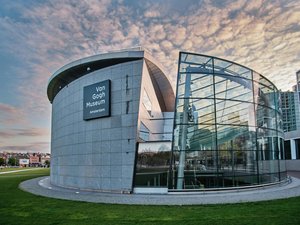
Van Gogh Múzeum, AmszterdamVan Gogh Múzeum Amszterdam 2 Weaver, Old Drenthe Woman

Anthon van Rappard, az év meghatározó festményei

Tíz év, 1882től 1891ig, elegendő volt Anthon van Rappard-nek: a galéria év év után évon keresztül végigvezeti velünk ezeket, egy híres eredetitől a következőig.

Művek évszáma szerint

Váasszon egy évet az eredetiek megtekintéséhez.

Anthon van Rappard festményei: a galéria válaszai

Melyik Anthon van Rappard festmény a leghíresebb?Fedje fel a választ

Weaver (1884), Van Gogh Múzeum, Amszterdam. Ezután Portrait of a Girl (1884) és Woman at the Spinning Wheel (1891) következik.

Hány éves volt Anthon van Rappard, amikor elkészítette a(t): Weaver?Fedje fel a választ

26 éves: Weaver 1884-ből származik, Anthon van Rappard pedig 1858-ben született.

Melyek Anthon van Rappard top 10 festménye?Fedje fel a választ

Weaver, Portrait of a Girl, Woman at the Spinning Wheel, Old Drenthe Woman, Two Female Workers, Tile Painters, Landing-stage with boats, Laborer in a brickworks, Cotton Weaver near his Machine és Washing strands of Cotton. A fenti rangsor a művek évszamarát és a múzeumát jelzi.

Hány műve született Anthon van Rappard nevére?Fedje fel a választ

Katalógusunkban 10 mű található Anthon van Rappard alkotótól, 1882 és 1891 év közötti időszakból.

Hol találhatóak Anthon van Rappard leghíresebb eredeti művei?Fedje fel a választ

Leginkább Museum Boijmans Van Beuningen (Rotterdam), Centraal Museum (Utrecht) és Van Gogh Múzeum (Amszterdam) található. A fenti múzeumi táblázatban mindegyik felsorolásra került.

Mikor festette Anthon van Rappard le leghíresebb műveit?Fedje fel a választ

1884 alatt: a jelen laphonon található 10 műből 3 készült ebben az időszakban, köztük Weaver.

Melyek Anthon van Rappard legkorábbi és legutóbbi híres művei?Fedje fel a választ

Ezen az oldalon a leghitelesebb Tile Painters (1882), a legutóbbi pedig Woman at the Spinning Wheel (1891).

Mely Anthon van Rappard eredeti műveit őrzi a Museum Boijmans Van Beuningen?Fedje fel a választ

Portrait of a Girl, Woman at the Spinning Wheel és Landing-stage with boats: a Museum Boijmans Van Beuningen, Rotterdam 5 művet őrzi ezen az oldalon.

Anthon van Rappard: a művész

A Life Near Utrecht

Anthon van Rappard lived through a period of quiet observation in the Netherlands. His life was closely tied to the city of Utrecht, where he found moments of deep connection with his surroundings. During the first half of the 1880s, he maintained a friendship and an exchange of letters with Vincent van Gogh. This connection placed him within a circle of individuals who were deeply engaged with the realities of their time.

His work often turned toward the lived experiences of those in his community. He spent time sketching at the Institute for the Blind in Utrecht, a place dedicated to teaching people how to earn a living through manual labor. In the autumn of 1882 and again around 1890, he returned to this setting to capture the steady rhythm of daily tasks.

The Art of Observation

Van Rappard had a way of looking at the small, focused movements of people at work. In his 1891 pastel, he documented three men engaged in the delicate process of making brushes. He watched as they fitted plant fibers into wooden handles with precise care. The scene included the simple tools of their trade, such as hammers and rolls of metal wire, laid out on a table.

There was a specific stillness in how he approached his subjects. In the same work, he depicted a bookkeeper at a tall desk, turned away from the craftsmen. This figure, wearing a faded black frock coat and spectacles, provided a quiet contrast to the physical labor occurring nearby. Through these sketches, Van Rappard recorded the atmosphere of an institution where people worked to find their place in society.