The Enduring Appeal of Private Art Collections: A Legacy of Taste
A private collection is a privately owned collection of works (usually artworks) or valuable items. In a museum or art gallery context, the term signifies that a certain work is not owned by that institution, but is on loan from an individual or org...
For centuries, the accumulation of art has been more than mere acquisition; it’s a testament to human aspiration, a chronicle of cultural values, and an intimate reflection of personal identity. From the cabinets of curiosities assembled by Renaissance princes to the grand galleries of 19th-century industrialists, private collections have shaped our understanding of beauty, history, and artistic innovation. The impulse to surround oneself with objects of aesthetic significance is deeply ingrained in the human psyche – a desire not simply to possess, but to commune with creativity across time. This tradition isn’t limited to the historically wealthy; it's about cultivating a visual world that resonates with one’s own sensibilities and intellectual pursuits. The modern iteration of this practice often centers around reproductions—not as substitutes for originals, but as accessible pathways to experiencing masterpieces and building a personal legacy of taste.
Historically, the very act of collecting was intertwined with patronage. Early collectors weren't simply acquiring finished works; they were commissioning them, fostering artistic talent, and influencing the direction of entire movements. Consider Anna Fridrica Wilhelmina von Hallwyl, whose remarkable assemblage in Stockholm—now the Hallwyl Museum—was born from a meticulous dedication to preserving European and East Asian fine and decorative arts. Her collection wasn’t merely displayed; it was a carefully constructed environment reflecting her family's history and social standing. This emphasis on context – understanding the story *behind* the art – remains crucial today, even when dealing with reproductions.
The Kinsey African American Art – History Collection exemplifies another facet of private collecting: its power to reclaim narratives and celebrate marginalized voices. This vital sanctuary in Los Angeles showcases over 10,000 artifacts, offering a powerful counterpoint to traditional art historical canons. It underscores the importance of intentionality—choosing works that speak to personal values and contribute to a broader cultural dialogue.
Beyond Replication: Elevating Reproductions to Museum-Quality Status
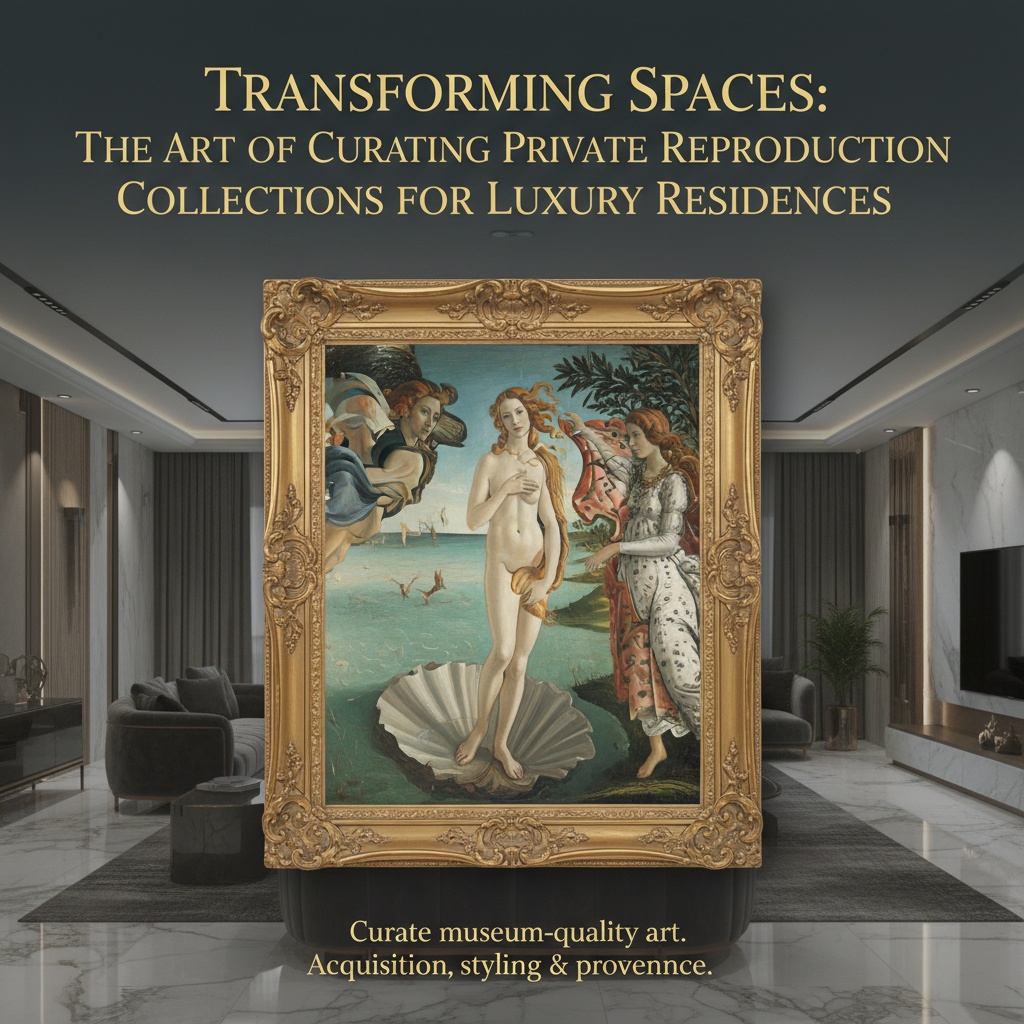
The perception of reproductions has undergone a dramatic transformation in recent decades. No longer relegated to mass-produced imitations, today’s reproductions—particularly those created through hand-painting techniques—can achieve astonishing levels of fidelity and artistic merit. This isn't about creating perfect copies; it’s about capturing the *essence* of the original work – the brushstrokes, the texture, the subtle nuances of color that convey the artist’s intent. Skilled artists dedicate weeks to meticulously recreating a masterpiece, employing techniques passed down through generations.
The key lies in understanding the materials and processes involved. A museum-quality reproduction begins with a high-resolution image of the original artwork, analyzed for its color palette, composition, and texture. The canvas itself is typically 100% cotton, primed to receive oil paints that are carefully mixed to match the original’s hues. Artists then painstakingly apply layer upon layer of paint, building up depth and dimension with each stroke. The result isn't simply a visual likeness; it’s a tangible connection to the artist’s vision.
Consider Henri Matisse’s “Spanish Still Life (Seville II).” A reproduction allows one to experience the vibrancy of his Fauvist palette, the expressive lines, and the decorative patterns that define his style—even without access to the original. The emotional impact remains potent, offering a daily source of inspiration and aesthetic pleasure.
Harmonizing Style & Space: Curating Collections for Architectural Context
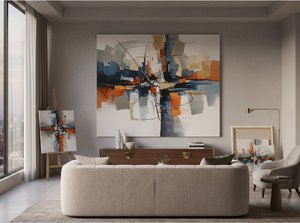
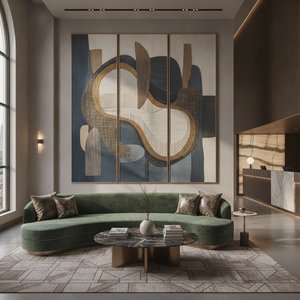
A truly successful art collection isn’t simply a random assortment of beautiful objects; it's a cohesive narrative that complements the architectural context of the space. The interplay between artwork, lighting, and interior design is paramount. A bold, colorful piece might thrive in a minimalist modern setting, while a more subdued landscape could find its home in a traditional drawing room.
Before acquiring any artwork—reproduction or original—it’s essential to consider the site's unique characteristics: its architecture, energy, and light. How does the space feel? What is its purpose? How do you want to experience art within it? These questions guide the selection process, ensuring that each piece contributes to a harmonious whole. Fresh Paint Art Advisors emphasize this listening approach, working closely with clients to understand their vision and translate it into a tangible reality.
For example, in a home with strong architectural lines, a stylized work like Louis-Maurice Boutet de Monvel’s “Jeanne D'arc. Arrested.” can add a touch of drama and historical intrigue. The graphic style and rich costumes complement the space’s structure, creating a visually compelling focal point.
Provenance and Personal Narrative: Building Meaningful Art Stories
While reproductions don’t possess the same provenance as originals, they can still be imbued with personal meaning and narrative significance. The story *behind* your collection—how you acquired each piece, what it represents to you—is just as important as the artwork itself. This is where customization comes into play.
Choosing a reproduction of a beloved painting from a childhood memory, or commissioning a portrait in the style of a favorite artist can transform a space into a deeply personal sanctuary. The act of selecting and arranging art becomes an expression of self—a visual autobiography that reflects your values, passions, and experiences.
Consider “Moraccan Garden” by Henri Matisse. Perhaps this painting evokes memories of travel or a particular period in your life. A reproduction allows you to relive those moments and share them with others, creating a conversation starter and a source of enduring joy.
Navigating the Acquisition Process: From Commissioning to Installation
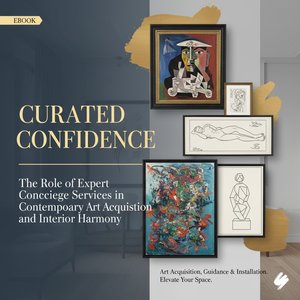
Acquiring art—even reproductions—should be a thoughtful and informed process. Begin by defining your budget, style preferences, and desired size and format. Do you prefer canvas or print? Framing or unframed? Once you have a clear vision, explore different options and consult with experts to ensure that you’re making the right choices.
Many art consultants offer in-person visits to galleries, allowing you to experience artworks firsthand and assess their impact in different lighting conditions. They can also arrange onsite meetings for personalized recommendations on artwork placements or loan pieces for a trial period. This hands-on approach is invaluable, especially when dealing with larger investments.
Installation is equally crucial. Professional framing protects the artwork and enhances its aesthetic appeal. Proper lighting highlights its colors and textures, creating a visually compelling focal point. Consider the sightlines within the space—where will you view the artwork from? How does it interact with other elements of the interior design?
The Future of Collecting: Trends in Bespoke Art Experiences
The art world is evolving, driven by a growing demand for personalized experiences and sustainable practices. Bespoke art curation—tailoring collections to individual tastes and architectural contexts—is becoming increasingly popular. This trend extends beyond residential spaces, with luxury hotels and commercial businesses seeking unique artworks that enhance their brand identity.
Digital art services are also gaining traction, offering innovative ways to explore and experience art. High-resolution images allow you to visualize artwork in your space before making a purchase, while virtual reality tours provide immersive previews of entire galleries. The integration of technology is expanding access to art and empowering collectors to make informed decisions.
Ultimately, the future of collecting lies in embracing creativity, fostering meaningful connections, and building visual worlds that reflect our individual passions and aspirations. OriginalUniqueArt.com provides a comprehensive platform for exploring this journey—offering museum-quality reproductions, custom artwork services, and expert guidance to help you curate the perfect collection for your space. From initial consultation to final installation, we are dedicated to transforming your environment into a personal sanctuary of beauty and inspiration.
- Free Art Consultation: Personalized guidance from art experts.
- Custom Reproductions: Handmade oil paintings or digital reproductions from any famous works.
- Photo-to-Painting Services: Transform personal photos into artworks.