Introduction
Impressionism and Expressionism are often confused due to their shared emphasis on visible brushwork and a departure from academic realism. However, they represent fundamentally different approaches to the canvas. Impressionism emerged in France during the 1860s and 1870s, focusing on the fleeting, naturalistic effects of light and atmosphere. In contrast, Expressionism arose in Germany and Northern Europe around 1905, prioritizing the artist's internal psyche and emotional state over the physical world.
While the former seeks to capture a momentary sensation in the eye, the latter utilizes distortion to convey psychological unrest. To understand these movements, one must look past the surface of the paint. This article examines the technical and philosophical distinctions between the two, guiding you through:
- The Impressionist focus on light, color, and modern leisure.
- The Expressionist use of jagged forms and symbolic, unnatural color.
- The core distinction between painting what is seen versus painting what is felt.
| Impressionism | Expressionism | |
|---|---|---|
| Dates | c. 1860s-1880s | c. 1905-mid-1920s |
| Where | France, Paris | Germany and Northern Europe |
| Key painters | Claude Monet, Edgar Degas, Berthe Morisot | Edvard Munch, Ernst Ludwig Kirchner, Franz Marc |
| Palette and light | Bright unmixed colors, colored shadows, high-keyed palette, shifting light | Harsh, unnatural, acid, or arbitrary colors |
| Typical subjects | Modern life, leisure, boating, cafes, gardens, and countryside | Alienation, sexuality, spiritual crisis, war, and urban life |
| Technique | Broken, visible brushstrokes, loose and rapid touch | Distorted forms, jagged shapes, thick outlines, rough brushwork |
| One key work | Impression, Sunrise (1872) by Claude Monet | The Scream (1893) by Edvard Munch |
The Sensation of Light and Modern Life
 Water Lilies (or Nympheas) - Claude Monet
 Dancers in Pink - Edgar Degas
 A Corner of the Rose Garden - Berthe Morisot
Impressionism emerged in France during the 1860s and 1870s as a direct challenge to the polished finish of academic art. These painters rejected the official Salon to capture the fleeting, naturalistic effects of light and movement. Rather than delineating fine details, they sought to record the momentary sensation in the eye, often resulting in compositions that resemble a snapshot with blurred boundaries between the subject and the background.
Technically, the movement is defined by a specific visual language. Artists utilized broken, visible brushstrokes and a high-keyed palette of bright, unmixed colors placed side by side. They frequently employed colored shadows and avoided the use of black, focusing instead on how light and atmosphere transform a scene. This approach is evident in the works of the movement's most prominent figures:
- Claude Monet: A master of capturing shifting light, seen in his 1872 work Impression, Sunrise, which depicts the port of Le Havre in a morning haze. His later series, such as the Water Lilies, demonstrate a lifelong fascination with the ephemeral qualities of reflection and atmosphere.
- Edgar Degas: Though he preferred the term realist, his work captures the energy of modern life. His 1874 piece The Dance Class and his 1875-76 depiction of L'Absinthe showcase his ability to observe dancers and café life with a focus on movement.
- Berthe Morisot: Known for a light, rapid touch, her work, such as The Cradle (1872) and A Corner of the Rose Garden (1885), captures intimate scenes of women and children bathed in soft, vibrant light.
The result is an optimistic, sunny mood that prioritizes the optical experience of the modern world.
The Language of Distortion and Inner Turmoil
 The Scream - Edvard Munch
 The Judgement of Paris - Ernst Ludwig Kirchner
 The Large Blue Horses - Franz Marc
Expressionism abandoned the objective lens to confront the turbulent landscapes of the human psyche. Rather than documenting the world as it appeared to the eye, these artists utilized a visual language of distortion to mirror internal states of anxiety, isolation, and spiritual longing. This was an artistic revolt against the polished, predictable standards of the previous century, favoring a visceral reaction to the pressures of modern urban life and societal upheaval.
The movement employed specific technical departures to achieve this psychological intensity:
- Jagged Shapes and Simplified Forms: Artists moved away from anatomical accuracy, opting for sharp, aggressive lines and simplified figures to convey tension.
- Unnatural Color Palettes: The use of acid or arbitrary colors served to express mood rather than mimic reality. For example, in The Large Blue Horses (1911), Franz Marc utilized deep blues and vivid reds to capture the spiritual essence of nature through symbolic color.
- Rough Brushwork and Heavy Contours: Thick outlines and coarse textures emphasized the raw, emotional energy of the subject matter.
Concrete examples of this psychological intensity are found in the works of the era's most significant figures. Edvard Munch’s The Scream (1893) remains a definitive study of internal turmoil, translating a psychological storm into a visual experience of overwhelming sensation. In Germany, Ernst Ludwig Kirchner utilized these techniques to depict the city as a nervous, alienating environment, notably in his Berlin street scenes from 1913-15. Whether through the spiritual symbolism of Der Blaue Reiter or the raw intensity of Die Brücke, Expressionism prioritized the heartbeat over the horizon, ensuring that the canvas became a vessel for the artist's subjective truth.
Outward Observation Versus Inward Feeling
The fundamental distinction between Impressionism and Expressionism lies in the direction of the artist's gaze. Impressionism is an outward movement; it seeks to record the momentary sensation in the eye. The artist acts as a witness to the fleeting effects of light and atmosphere. When Claude Monet painted Impression, Sunrise (1872) at the port of Le Havre, he was not concerned with photographic detail, but with the specific, shimmering quality of the morning haze. This objective focus on optical truth is seen in the works of Edgar Degas, such as The Dance Class (1874), which captures the spontaneous movement of dancers, and Berthe Morisot’s The Cradle (1872), which uses a light, rapid touch to document an intimate domestic moment. The Impressionist palette is high-keyed and optimistic, often using bright, unmixed colors and avoiding black to replicate how light actually hits the retina.
Expressionism, conversely, is an inward movement. It rejects the objective world to prioritize the artist's psyche. If Impressionism paints what we see, Expressionism paints what we feel. This movement uses the external world merely as a tool to convey internal states like anxiety, isolation, or spiritual longing. The visual language shifts from the flickering, naturalistic brushstrokes of the 1870s to deliberate distortion and harsh, unnatural color. Consider these shifts in intent:
- Subjectivity: While Impressionists captured the "sensation in the eye," Expressionists like Edvard Munch captured the "intensity of a heartbeat."
- Form: Impressionism uses loose brushwork to suggest movement; Expressionism uses jagged shapes and heavy contours to suggest tension.
- Color: Impressionists used color to reflect light; Expressionists, such as Franz Marc in The Large Blue Horses (1911), used symbolic, arbitrary colors to express spiritual essence.
Conclusion
When standing in a museum, the distinction between these two movements is clear if you know where to look. To identify an Impressionist work, look for the "sensation in the eye." You will see flickering, broken brushstrokes and a bright, high-keyed palette designed to capture the fleeting effects of light and atmosphere on a specific moment in time. If the painting feels like a sunny, outdoor snapshot of modern life, it is Impressionism.
Conversely, an Expressionist work prioritizes the "sensation in the soul." Look for deliberate distortion, jagged shapes, and harsh, unnatural colors. These artists are not interested in optical accuracy; they use the canvas to project internal states like anxiety, spiritual longing, or alienation. While their methods differ, both movements share a fundamental rebellion against the polished, rigid rules of academic art. They both broke from tradition to expand the boundaries of what a painting could communicate.
Explore these iconic styles on our website.
Frequently asked questions
How to tell Impressionism and Expressionism apart
Impressionism paints what we see, focusing on the fleeting effects of light and atmosphere on the eye. Expressionism paints what we feel, using distorted forms and unnatural colors to express internal emotions, anxiety, or spiritual longing rather than objective reality.
Famous Impressionist painters
Key figures of the Impressionist movement include Claude Monet, Edgar Degas, and Berthe Morisot. Monet is known for capturing shifting light on water and fields, Degas observed dancers and café life, and Morisot painted intimate scenes of women and children.
Famous Expressionist works
Notable works include Edvard Munch's The Scream, which translates an internal psychological storm, Ernst Ludwig Kirchner's Street, Dresden, and Franz Marc's The Large Blue Horses, which uses symbolic color to capture the spiritual essence of nature.
When did these movements occur
Impressionism took shape in France during the 1860s and 1870s. Expressionism emerged in Germany and Northern Europe around 1905 and lasted until approximately the mid-1920s.
Famous painters of Impressionism
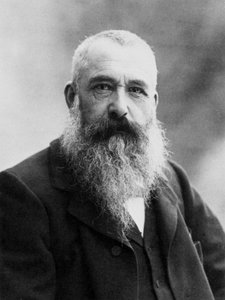
- 1840 – 1926Claude Monet
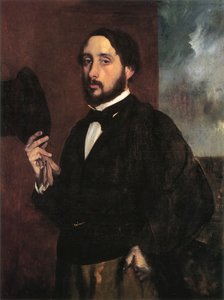
- 1834 – 1917Edgar Degas
- 1841 – 1895Berthe Morisot

Famous artworks of Impressionism
- Claude MonetWater Lilies (or Nympheas)
- Claude Monet · 1877Gare Saint Lazare, Pari
- Edgar Degas · 1885Dancers in Pink
- Edgar Degas · 1878Dancer with a bouquet of flowers (The Star of the ballet)
- Berthe Morisot · 1885A Corner of the Rose Garden
- Berthe Morisot · 1872The Cradle


Famous painters of Expressionism
- 1863 – 1944Edvard Munch
- 1880 – 1938Ernst Ludwig Kirchner
- 1880 – 1916Franz Marc



Famous artworks of Expressionism
- Edvard Munch · 1893The Scream
- Edvard Munch · 1894Melancholy
- Ernst Ludwig KirchnerThe Judgement of Paris
- Ernst Ludwig Kirchner · 1910Fränzi vor geschnitztem Stuhl
- Franz Marc · 1911The Large Blue Horses
- Franz Marc · 1914Tyrol