Romanticism
Wilson's arch, jerusalem, (William Simpson)
William Simpson (1823–1899) alkotása: Wilson's arch, jerusalem, A Romanticism irányzathoz tartozik. Oil On Canvas anyagból készült.
- Oil On Canvas

 Megtekintés

 Kézzel festett olajfestmény
 Küldés
 Megosztás
 Információs lap


 Letöltés
 Hasonló darabok
 X-ray felvétel
 Diavetítés
 Kérdések és válaszok

 Statisztika
Wilson's arch, jerusalem, röviden
- Cím
- Wilson's arch, jerusalem,
- Művész
- William Simpson (1823–1899)
- A művész születési helye
- Glasgow, Egyesült Királyság
- Műszaki adatok
- Oil On Canvas
- Mozgalom
- Romanticism
- Időszak
- 19th Century
- Téma
- tunnel, darkness, mining, figures, shadows, architecture
Mit ábrázol a Wilson's arch, jerusalem,?
The Shadows of the Underground
There is a profound sense of weight in this composition, a feeling of being enclosed within the very bones of the earth. The viewer is drawn into a cavernous, dimly lit tunnel where the architecture is defined by heavy, sweeping arches that curve overhead like the ribs of a great beast. This is a space of quiet, subterranean activity, where the air feels thick with the scent of damp stone and woodsmoke. The light is sparse, struggling against a pervasive darkness that clings to the irregular piles of debris and the textured surfaces of the tunnel walls. It is a scene of quiet industry and mystery, where the human presence feels small against the ancient, enduring scale of the masonry.
The atmosphere is shaped by a deliberate use of chiaroscuro, creating a dramatic tension between the deep, impenetrable shadows and the soft, flickering glow emanating from a small fire. This light source does more than illuminate; it carves out the forms of the figures scattered throughout the chamber, casting long, uncertain shadows that dance against the curved ceiling. The palette is restrained, relying on a somber range of browns, blacks, and muted greens to establish a mood of solemnity and age. One can almost feel the cool, stagnant air of the chamber through the visible, heavy brushstrokes that define the rough, uneven textures of the stone and the organic shapes of the gathered men.
A Study in Light and Form
The composition relies heavily on the interplay of geometry and shadow to guide the eye through the subterranean gloom. The structural elements of the space provide a rhythmic, almost musical quality to the visual experience:
- The dominant, sweeping curves of the arched ceiling that direct the gaze upward.
- The strong vertical lines of the masonry that emphasize the height and confinement of the tunnel.
- The irregular, organic shapes of the debris and human figures that break the rigid architectural lines.
- The atmospheric perspective that allows the distant reaches of the tunnel to fade into a dark, indistinct void.
The technique suggests a careful layering of oil on canvas, where the artist has used the medium to mimic the tactile reality of decay and history. The brushwork is not smooth; it is purposeful and textured, contributing to the sense of a space that has been weathered by time and heavy use. The figures, dressed in period clothing, are caught in moments of quiet observation or labor, their presence adding a layer of human narrative to the silent, stone environment. There is a sense of secrecy here, as if the tunnel holds stories that are only revealed to those who venture into its darkest corners.
The Weight of History
This work captures a specific, heavy stillness. It avoids the grandiosity often found in historical depictions, opting instead for a more intimate, almost claustrophobic perspective. The darkness is not merely an absence of light, but a presence in itself, suggesting the hidden, often forgotten layers of a city's history. By focusing on the textures of the stone and the subtle movements of the figures within the gloom, the piece invites a contemplation of the passage of time and the enduring nature of the structures we inhabit. It is a quiet, powerful observation of a space where the past feels physically present in every shadow.
Wilson's arch, jerusalem, nagy felbontású képei
Felfüggesztett szerzői jogok: a művész 1899-ben halt meg.
William Simpson, Wilson's arch, jerusalem,. Felfüggeszthető jogforrás
Wilson's arch, jerusalem, kapcsán felmerülő kérdések megválaszolva
Milyen anyagból készült a "Wilson's arch, jerusalem,"?
A „Wilson's arch, jerusalem,”, William Simpson alkotása technikája Oil On Canvas. A reprodukciók célja ezen technika megjelenítésének hiteles återadása.
Mit ábrázol a "Wilson's arch, jerusalem,"?
„Wilson's arch, jerusalem,”, William Simpson alkotása a következőket ábrázolja: tunnel, darkness, mining, figures, shadows, architecture, mystery, historical.
A „Wilson's arch, jerusalem,” művészeti alkotás mentes a szerzői jogoktól?
A „Wilson's arch, jerusalem,”, William Simpson alkotása szerzői jogi státusza: a mű közösségi tulajdon – a szerzői jog lejártt. Ez határozza meg, hogy a kép másolatai szabadon készíthetők-e.
Ki készítette a(t): "Wilson's arch, jerusalem,"?
A "Wilson's arch, jerusalem," alkotója William Simpson. A mű William Simpson nevére van katalógusozva.
Mely művészeti irányba tartozik a „Wilson's arch, jerusalem,”, William Simpson alkotása?
A "Wilson's arch, jerusalem," a Romanticism egyik alkotása. A művészeti irány meghatározza azt a művészeti hagyományt, amelybe a mű beágyazódik.
Hová sorolható a William Simpson pályájának mely szakaszába a "Wilson's arch, jerusalem,"?
A "Wilson's arch, jerusalem," William Simpson alkotói pályájának Mature Period szakaszát képviseli.
A William Simpson alkotása, a "Wilson's arch, jerusalem,", a jogi szabadhasználatban (public domain) áll-e, és miért?
A „Wilson's arch, jerusalem,”, William Simpson alkotása közösségi tulajdon – a szerzői jog lejártt állapotban van. A szerzői jogi védelem időtartama a művész halálától számítódik, amely 1899 évben történt.
Hogyan illeszkedik a "Wilson's arch, jerusalem," William Simpson témáiba és stílusába?
A "Wilson's arch, jerusalem," megosztja William Simpson többi művével a Romanticism stílust és a rögzített témákat: war correspondent style, detailed observation, illustrated london news, dramatic scenes, romantic drama, chiaroscuro mastery, historical painting, tunnel visions.
A "Wilson's arch, jerusalem," jellemző arra, amit William Simpson általában alkotott?
William Simpson dokumentált témái – war correspondent style, detailed observation, illustrated london news, dramatic scenes, romantic drama, chiaroscuro mastery, historical painting, tunnel visions – között a „Wilson's arch, jerusalem,” különös hangsúlyt fektet tunnel, darkness, mining, figures, shadows, architecture, mystery, historical-ra.
A művészről: William Simpson
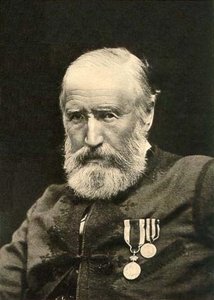
1823–1899, Egyesült Királyság
William Simpson
A Life Etched in Conflict and Culture William Simpson, a name forever intertwined with the stark realities of the Crimean War—often whispered as “Crimean Simpson”—was far more than merely a war artist. He was a visual chronicler, an intrepid observer who meticulously documented a 19th-century world undergoing profound transformation. Born into the grinding poverty of Glasgow in 1823, his journey from hardship to recognition stands as a testament not only to innate artistic talent but also to unwavering tenacity and a remarkable capacity for empathy. His early years were shadowed by a difficult family situation; an abusive and alcoholic father led him to seek refuge with his grandmother in Perth at the tender age of ten—a move that, while offering stability, curtailed formal schooling yet ignited within him a lifelong dedication to self-directed learning and a deep fascination with the world beyond Britain’s shores.
William Simpson részletesen William Simpson legkiemelkedőbb művei
William Simpson további művei
 Lama in a monastery working the prayer wheels1861
 The Bull Nandi in the courtyard of the Golden Temple, Benares1864
 View of the Kaiser Bagh in Lucknow1864
 The Temple of Poseidon, Sunium
Wilson's arch, jerusalem, témában esszék
 Masterpieces of the Wilderness: The Top 25 Thomas Cole ArtworksExplore the sublime Hudson River School through Thomas Cole's top 25 masterpieces. Discover the full collection online at OriginalUniqueArt…
 Visual Symphony: The Orchestration of Color and Form in Fine Art CompositionMaster the principles of visual rhythm, color, and form through the lens of art history. Explore the secrets of composition today.
 25 Iconic Vilhelm Hammershøi Paintings: A Journey Through Light and SilenceExplore 25 iconic Vilhelm Hammershøi paintings. Discover the light and silence of Danish Symbolism. Explore the full collection online.