De Stijl · 1931
Composition (Theo van Doesburg, 1931)
Composition is a work by Theo van Doesburg (1883–1931). It dates from 1931. It belongs to the De Stijl movement. It is made in Oil. It measures 31 × 24 cm.
- 1931
- Oil
- 31 × 24 cm

 Megtekintés

 Kézzel festett olajfestmény
 Küldés
 Megosztás
 Útmutató


 Letöltés
 Hasonló darabok
 X-ray felvétel
 Diavetítés
 Kérdések és válaszok

 Statisztika
Composition: the essentials
- Title
- Composition
- Artist
- Theo van Doesburg (1883–1931)
- Artist born in
- Utrecht, Hollandia
- Date
- 1931
- Medium
- Oil
- Dimensions
- 31 × 24 cm
- Movement
- De Stijl
- Period
- Modern
- Subject
- blue, white, black, circle, lines, geometric shapes
Looking at Composition
Identification of Composition by Theo van Doesburg
The painting titled Composition is a work by the artist Theo van Doesburg. Created in 1931, this piece occupies a small, intimate space of 31 x 24 cm. It exists as a quiet arrangement of form and color, captured within its rectangular boundaries.
Theo van Doesburg approached the canvas with a focus on the essential. In this 1931 work, the scale is modest, inviting a close gaze to the intersection of lines and shapes. The physical presence of the work is defined by its precise dimensions and the deliberate placement of its elements.
The surface holds a specific geometry. Each shape rests within the 31 x 24 cm frame, seeking a balance that feels both calculated and still. A single circle anchors the visual field. It is a silent, contained world.
Visual Elements and Abstract Composition
A large circle anchors the center of this abstract arrangement. It sits amidst a field of geometric shapes and intersecting lines. The palette remains restrained, relying on shades of blue, white, and black to define the space. Within the central sphere, curved lines slice through the form, carving it into distinct sections. These segments are not empty; they hold patterns of wavy lines and organic textures that suggest a quiet, internal movement.
The composition relies on the tension between these precise shapes and the fluid, rhythmic marks inside the circle. Black lines provide a sharp boundary against the white and blue areas. This interplay of geometry and pattern creates a sense of equilibrium. The work follows the principles of abstraction, stripping away the recognizable world to focus on the weight of color and the direction of a line. A single, steady pulse resides within the blue.
Related Works by Theo van Doesburg
The artist’s evolution moves through shifting geometries and the weight of color. Between 1917 and 1918, Dancers emerged, capturing a moment where form begins to dissolve. Later, Composition VIII (The Cow) appeared, a work that carries the weight of his developing visual language. These pieces act as anchors in a sea of changing lines.
The grid tightens and breathes in other years. In 1922, Study for Simultaneous Compositions XXII was created, exploring the tension of the plane. By 1923-1924, the work known as Composition 1923-1924 continued this investigation of equilibrium. The shapes become more deliberate, seeking a specific, quiet order.
A sense of balance persists even as the palette shifts. Counter composition XV was painted in 1925, utilizing primary colors against a stark white background. By 1928, Composition with half values arrived, testing the limits of light and shadow. Each work is a single, steady pulse.
Composition in high resolution
Theo van Doesburg, Composition (1931). Public domain.
A digital expert checks the colors against the original painting and retouches the file, faithful to the artist's brushwork.
Buy the high-resolution imageQuestions about Composition
Ismer-e más neveket a "Composition" alkotója, Theo van Doesburg?
Theo van Doesburg más néven is ismert: Christiaan Emil Maria Kupper, I. K. Bonset, Christiaan Emil Maria Kupper Doesburg, Christian Emil Marie Kupper, Theo Van Doesburg.
Milyen hangulatot árasztana egy szobában egy „Composition”, Theo van Doesburg alkotása reprodukció?
A „Composition”, Theo van Doesburg alkotása Minimalist hangulata tökéletesen illeszkedik a javasolt helyszínhez: egy Office.
Mire ajánlott használni a „Composition”, Theo van Doesburg alkotása reprodukcióját?
A „Composition”, Theo van Doesburg alkotása reprodukcióját Geometry célokra javasoljuk. Ez a javaslat a mű témájából, hangulatából és színeiből adódik.
Milyen az „Composition”, Theo van Doesburg alkotása általános hangulata?
A „Composition”, Theo van Doesburg alkotása hangulata Minimalist, ami segíthet a mű megfelelő környezetbe illesztésében.
Hány éves volt Theo van Doesburg, amikor megalkotta a "Composition" című alkotást?
Amikor a "Composition" alkotása 1931-ben készült, Theo van Doesburg – aki 1883-ben született – 48 éves volt.
„Composition”, Theo van Doesburg alkotása színei tel愈tek vagy fakók?
A „Composition”, Theo van Doesburg alkotása alkotás Subtle Color telítettségű színekkel készült.
Milyen típusú alkotás a "Composition"?
A "Composition" egy WallArt alkotás.
Mennyire erős a kontraszt a(z) „Composition”, Theo van Doesburg alkotása alkotásban?
A „Composition”, Theo van Doesburg alkotása Statement kontrasztot mutat a világos és sötét részek között.
Menny amountnyi fényt tűnik úgy vissza a "Composition" színei?
A "Composition" színei Gentle Luminance fényerőt mutatnak.
About the artist, Theo van Doesburg

1883–1931, Hollandia
Theo van Doesburg
The Architect of Abstraction: A Life in Geometric Harmony Theo van Doesburg, born Christian Emil Marie Küpper in 1883 in Utrecht, Netherlands, wasn’t merely a painter; he was a revolutionary force who fundamentally reshaped the very foundations of modern art. His journey began amidst the lingering echoes of Impressionism and Post-Impressionism, initially mirroring styles reminiscent of Vincent van Gogh – both in subject matter and emotional intensity. However, this early phase served as a crucial prelude, a necessary stepping stone toward the radical transformation that would define his enduring legacy. A pivotal moment arrived in 1913 with his encounter with Wassily Kandinsky’s *Rückblicke*.
Also by Theo van Doesburg
 Counter composition XV1925
 Rhythm of a Russian Dance
 Troelstra1910
 Study for Composition VIII (The Cow)1918
Essays around Composition
 A 10 legikonikusabb 'Espresso' tónusú festmény: művészettörténet a faladon – OriginalUniqueArt.comFedezze fel a 10 legikonikusabb 'espresso' tónusú festményt! Rembrandt, Caravaggio és más mesterek művészettörténeti remekművei. Olajfestmé…
 A Hollandi Barokk 10 Mesterműve: Festmények, Amelyek Megváltoztatták a Világot | OriginalUniqueArtFedezze fel a holland barokk 10 legikonikusabb műalkotását! Rembrandt, Vermeer és más mesterek festményeinek története, technikája és időtá…
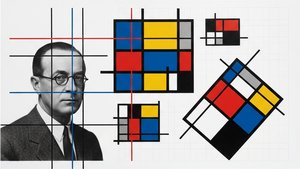 Theo van Doesburg: Pioneering De Stijl & the Evolution of Neo-PlasticismExplore the revolutionary De Stijl movement & Neo-Plasticism with our expert guide. Discover Piet Mondrian, Theo van Doesburg, and the last…