
 Előnézet
 Megosztás
 Megosztás
 Részletek

 Letöltés
 Hasonló alkotások
 X-ray felvétel
 Diavetítés
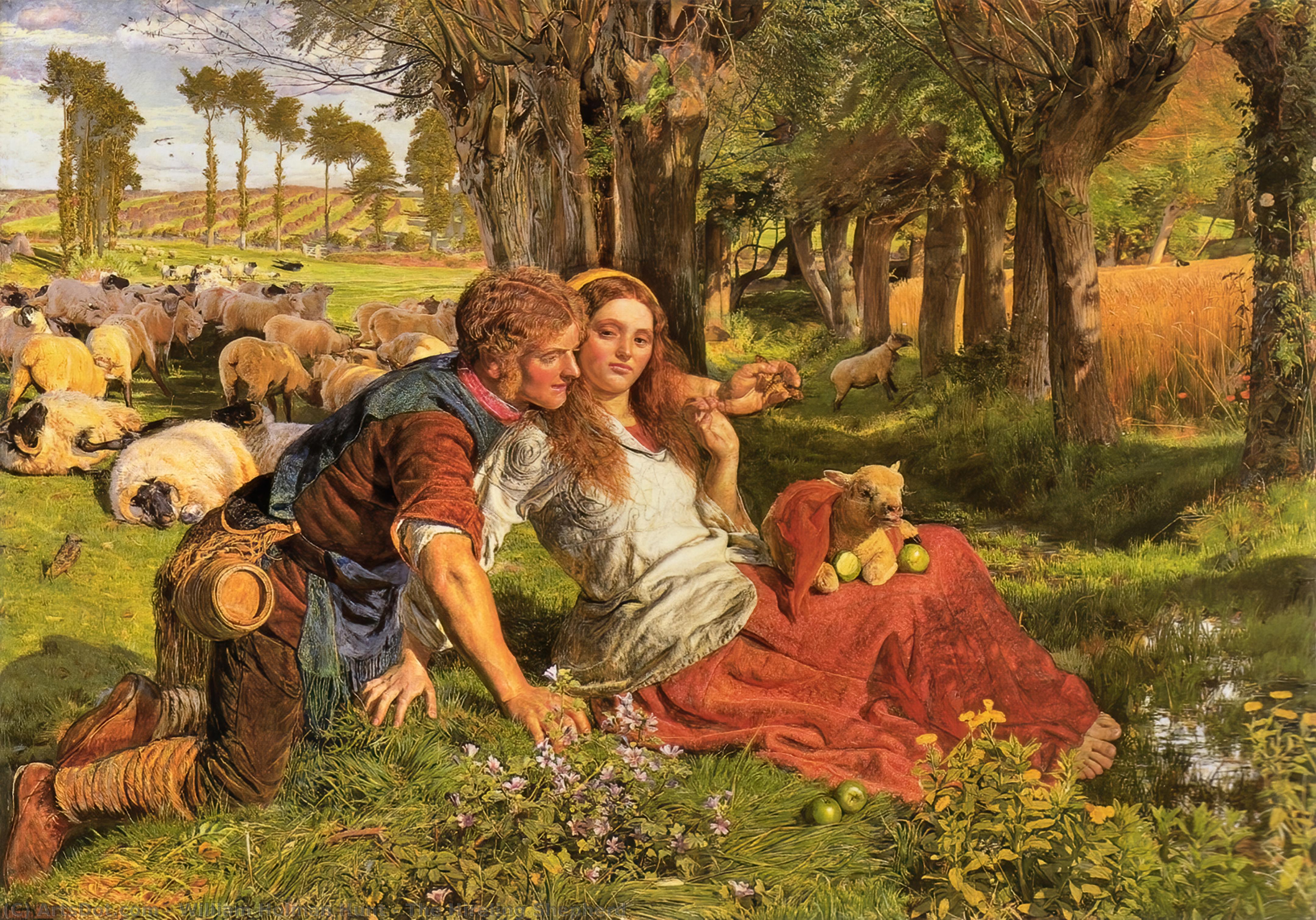
A Segítségkező Pasztor
 Olajfestmény vászonon
- Falfeliratok és faldekoráció
- Pre-Raphaelite Romanticism
 1851
1851- 19. század
 76.0 x 110.0 cm
 Manchester Art Gallery
 Tovább olvasom
Kézzel készített olajfestmény reprodukció
Kézzel festett olajvastú vászon, az Ön által választott méretben és keretben, művészeink készítik meglévőre. ( Váltás nyomtatványra Képváltás)




P118B $10

P118H $10

P118W $10

P438Z $10

P508JH $12

P508YH $12

P805H $10

P805Z $10

P919BZ $10

P919G $10

P919XJ $10

P959ZH $10

P968JZ $12

W106C $8

W218G $10

W218JH $8

W218Y $10

W307PJ $10

W316G $10

W316PJ $8

W316Y $10

W398PJ $8

W4111J $10

W500HY $15

W500JH $15

W692G $12

W849H $8

W940BG $15

W953PJ $8




Válasszon előre meghatározott méreteink közül, amelyek megfelelnek a műalkotás eredeti arányainak.

Ön megadhat saját méreteket egy adott kerethez vagy térhez igazításhoz. Ha a kiválasztott méret nem egyezik az eredeti kép arányával, akkor a műalkotást levágjuk, vagy további kézzel festett elemekkel meghosszabbítjuk a festményt. A gyártás megkezdése előtt küldünk Önnek egy digitális előnézetet jóváhagyásra.
Kérjük, vegye figyelembe, hogy a képernyőn megjelenő előnézet nem tükrözi a tényleges vágást vagy kiterjesztést. Csak az előnézet fog pontosan mutatni a végső kompozíciót.
Bár egyedi méretek állnak rendelkezésre, javasoljuk, hogy válasszon egy méretet az előre meghatározott listából az eredeti arányok megőrzése érdekében.
A rendelést követően a OriginalUniqueArt.com csapata e-mailt küld az ügyfélnek az instrukciókért, és biztosít egy előnézeti képet (mockup).
Világszerte elérhető szállítás () 3-4 hét alatt a szokásos 5 hét helyett. (10 augusztus). A minőség nem kérdőjelezhető.

Ingyenes globális expressz szállítás

Prémium minőségű len vászon

Teljes szállítási biztosítás

Vámvisszatérítési Garancia

Tökéletes színpontosság garancia

60 napos visszaküldési lehetőség (csak gyártási hibák esetén)

100%-os pénzvisszatérítési garancia

Kedvezmény több termény esetén
 Az üvegkeretes opció csak 110 cm alatti méretben érhető el

A Segítségkező Pasztor
Reprodukciós technika
A reprodukció mérete
-


Összesített ár
$ 325
A műalkotás leírása
A Megjórolt Pásztor: Egy Pre-Raphaelite Remekmű
Merüljön el William Holman Hunt „A Megjórolt Pásztor” című alkotásának varázslatos világában, amely egy olyan lenyűgöző mű, mely tökéletesen példázza a Pre-Raphaelite Testvériség természetközpontúság iránti elkötelezettségét és szimbolikus mélységét. Ez az 1851-es masterpiece meghívja a nézőt egy olyan pásztori jelenetbe, amely részletgazdag részletekkel, vibráló színekkel és mély narratív rétegekkel teli.
Egy Intrikákkal Teli Pásztori Szene
A festmény egy fiatal pásztort és egy lányt ábrázol egy buja vidéki környezetben. A pásztor, aki elhanyagolja a sürülegét, teljesen elmerülve mutatja a nőnek a halálfejű bagolymocsarak egyik példányát. Ez a látszólag ártatlan interakció vándorló juhok, egy búzaföld és egy derült táj hátterében zajlik, egy olyan harmóniát teremtve, amelyet finom feszültségek szakítanak meg.
Pre-Raphaelite Stílus és Technika
Hunt aprólékos részességre való figyelme és élénk színpalettája a Pre-Raphaelite stílus jellegzetességei. A zöld, barna és vörös földszínek zökkenőmentesen keverednek a kék és fehér gibi lágyabb árnyalatokkal, gazdag és texturált vizuális élményt nyárva. A sima, átmenetesen festett ecsetvonások élettel telivé teszik a alakokat és a természeti elemeket, bemutatva Hunt olajfestészeti mesterművészetét.
Történelmi Kontextus és Szimbolizmus
A Royal Academy akadémikus hagyományai elleni művészi lázadás idején készült „A Megjórolt Pásztor” tükrözi a Pre-Raphaeliták vágyát a középkori művészet tisztaságának és részletgazdagságának visszatérésére. A festmény szimbolikája sokrétű: a pásztor sürülegének elhanyagolása a spirituális rendszertelenség metaforájaként értelmezhető, míg a halálfejű bagolymocsarak a halandóságot vagy a kísértést képviselhetik. Hunt bibliai utalásai további jelentésrétegeket adnak hozzá, arra invitálva a nézőt, hogy gondolkodjon a felelősség és a morális vezetés mélyebb témáiról.
Érzelmi Hatás és Örökség
„A Megjórolt Pásztor” érzelmi rezonanciája abban rejlik, hogy képes megidézni a nyugalom és a romantika érzését, miközben finoman utal az alatta lévő feszültségekre. A pásztori idill egyszerre meghívó és gondolkodtató, így a művészbarátok és a gyűjtők számára egyaránt lenyűgöző alkotássá teszi. Hunt munkássága maradandót hagyott a művészet világában, inspirálva a művészek generációit, és tovább bírja a közönség lenyűgözését szépségével és mélységével.
Miért Válassza Ezt a Reprodukciót?
A belsőépítészek és a művészetkedvelők számára, akik egy kis Pre-Raphaelite eleganciát szeretnének vinni környezetükbe, „A Megjórolt Pásztor” minőségi reprodukciója a történelmi jelentőség és az esztétikai vonzerő kifogástlan ötvözete. A festmény gazdag színei és részletes kompozíciója kiemelő díszévé teszi bármely helyszínt, a hagyományos otthonoktól a kortárs galériákig.
Élvezze William Holman Hunt mesterművének időtlen báját, és vigye be a Pre-Raphaelite művészet egy darabját a saját világába ezzel a lenyűgöző reprodukcióval.
A művész életrajza
A Life Devoted to Vision
William Holman Hunt, born in Cheapside, London on April 2, 1827, was more than simply a painter; he was a philosophical and spiritual seeker who translated his deepest convictions onto canvas. His early life, though rooted in the bustling commercial world of his father’s warehouse business, held within it an artistic inclination that would ultimately defy expectations. Initially destined for a career mirroring his father's, Hunt found solace and purpose in art, beginning with surreptitious sketching and later, after some struggle, formal training at the Royal Academy Schools. This period of apprenticeship, however, proved restrictive. He yearned for an artistic expression that transcended prevailing academic conventions—a desire that would soon propel him toward revolutionary change. He felt stifled by what he perceived as the artificiality of contemporary art and sought a return to the sincerity and detail found in pre-Renaissance masters, a sentiment central to the formation of the Pre-Raphaelite Brotherhood. Hunt’s journey wasn't merely about aesthetics; it was a quest for truth, morality, and spiritual resonance within the realm of visual representation.The Genesis of a Revolutionary Brotherhood
In 1848, alongside Dante Gabriel Rossetti and John Everett Millais, Hunt established the Pre-Raphaelite Brotherhood (PRB). This collective wasn’t just an artistic movement; it was a rebellion against what they saw as the decline of art since Raphael. The PRB advocated for a return to meticulous detail, vibrant colors, and sincere subject matter characteristic of early Italian painting—before the perceived artificiality of High Renaissance ideals took hold. Hunt's commitment to this philosophy remained unwavering throughout his career. Early works like *The Hireling Shepherd*, painted in 1851, exemplify this dedication. The painting’s painstaking realism – from the texture of the sheep’s wool to each individual blade of grass – was revolutionary for its time. It wasn’t merely a depiction of rural life; it was an attempt to convey moral and symbolic meaning through precise observation of nature. *The Awakening Conscience*, also from this period, further solidified Hunt’s reputation for intensely naturalistic scenes imbued with psychological depth and moral weight. These paintings weren't just visually striking; they were statements about the artist's belief in art as a vehicle for truth and spiritual awakening. The Brotherhood sought to challenge the established norms of artistic production, rejecting what they perceived as formulaic academic painting in favor of a more direct and honest engagement with the world around them.A Pilgrimage of Faith and Symbolic Depth
Hunt’s artistic journey took an extraordinary turn with his travels to the Holy Land in the 1850s and 60s. Driven by a desire for historical and topographical accuracy, he embarked on a pilgrimage to Palestine and Syria, meticulously documenting landscapes, costumes, and customs. This dedication to authenticity profoundly influenced his later works, imbuing them with an unparalleled sense of realism and spiritual resonance. *The Shadow of Death*, painted during this period, stands as a powerful example. The painting depicts the scene of Christ’s sacrifice in a way that was both visually arresting and deeply symbolic, reflecting Hunt's profound religious convictions. His meticulous studies of ancient architecture, religious sites, and local life informed his artistic vision, resulting in works that captured not only the physical appearance but also the atmosphere and spirit of these sacred places. The experience profoundly shaped his understanding of faith and its representation within art.The Light of the World: A Masterpiece of Symbolism
Perhaps Hunt’s most iconic work, *The Light of the World*, begun in 1851 and completed in 1853, encapsulates this synthesis of faith and artistic skill. The image of Christ knocking at a door, offering salvation to those who open their hearts, became immensely popular and remains one of the most recognizable religious paintings of the Victorian era. The painting’s composition—the dark, shadowed room representing sin and temptation contrasted with the radiant light emanating from the doorway—is laden with symbolic meaning. Hunt meticulously researched medieval allegories and biblical narratives to ensure that every element of the scene contributed to the overall message of redemption. The figures within the painting are not merely portraits but embodiments of universal human experiences – doubt, despair, and ultimately, hope. *The Light of the World* is a testament to Hunt’s ability to translate complex theological concepts into a visually compelling and emotionally resonant work of art.Enduring Legacy and Later Years
Despite facing failing eyesight in his later years – a devastating blow for a painter so dedicated to detail – Hunt continued to create art, often relying on the assistance of his assistant, Edward Robert Hughes. He published an autobiography in 1905, offering invaluable insights into his artistic philosophy and personal life. His dedication was recognized with appointment to the Order of Merit by King Edward VII that same year. Hunt’s personal life was marked by both joy and sorrow; he married twice, first to Fanny Waugh, who served as a model for several of his works, and later to her sister Edith, after navigating legal complexities surrounding British laws regarding marriage to a deceased wife's sibling. He passed away on September 7, 1910, and was honored with burial in St Paul’s Cathedral—a testament to his significant contribution to British art and culture. William Holman Hunt’s legacy extends far beyond the beauty of his paintings. He revolutionized Victorian art by championing realism, symbolism, and spiritual depth, leaving an indelible mark on generations of artists and viewers alike. His works continue to inspire awe and contemplation, reminding us of the power of art to illuminate the human condition and explore the mysteries of faith.Key Influences & Themes
- Influences: John Ruskin’s writings on art and morality; Early Italian Renaissance painting (pre-Raphael); Biblical texts and medieval allegory.
- Major Themes: Religious faith, moral awakening, the beauty of nature, social commentary, symbolism. Hunt consistently explored themes of redemption, sacrifice, and the search for spiritual truth in his work.
- Key Dates: April 2, 1827: Born in Cheapside, London; 1851-1853: Painted *The Light of the World*; September 7, 1910: Passed away and buried in St Paul’s Cathedral, London.

Holman Hunt
1827 - 1910 , Egyesült Királyság
Rövid tények
- Artistic Movement Or Style: Előráphaeliták
- Artists Or Movements Influenced By This Artist: ['Előráphaeliták mozgalom']
- Artists Who Influenced This Artist:
- John Ruskin
- Korai olasz mesterek
- Date Of Birth: Ápril 2, 1827
- Date Of Death: Szeptember 7, 1910
- Full Name: William Holman Hunt
- Nationality: Angol
- Notable Artworks:
- A világ fénye
- Az ébredő tudat
- A halál árnyéka
- Place Of Birth: London, Anglia
Kapcsolódó cikkek

Dante Gabriel Rossetti 25 Mesterműve: Szépség és Lelkiség a Vásznon – OriginalUniqueArt
Fedezze fel Dante Gabriel Rossetti 25 legszebb művészeti alkotását! Ismerje meg a prerafaeliták titkait, a viktoriánus festészet szépségét és a romantikus szimbolizmus mélységeit. Prémium minőségű art reprodukciók a OriginalUniqueArt-on – inspiráció otthonába!

Sir John Everett Millais: Pre-Raphaelite Rebellion & Victorian Narrative Detail
Explore the revolutionary art of Sir John Everett Millais & the Pre-Raphaelite Brotherhood. Discover their radical realism, symbolic narratives, and lasting impact on Victorian aesthetics. A deep dive into 19th-century masterpieces.
The Pre-Raphaelite Brotherhood: Rebellion, Romance & Medieval Revival
Explore the captivating world of the Pre-Raphaelite Brotherhood! Discover their rebellious spirit, iconic masterpieces & lasting influence on art history. Learn about Rossetti, Millais & more.

Arthur Hughes: Pre-Raphaelite Visions of Beauty & Melancholy
Explore the captivating world of Arthur Hughes (1832-1915), a leading Pre-Raphaelite painter. Discover his dreamy landscapes, poetic narratives & iconic Victorian artworks. Learn about his life, style & collecting today.
John William Waterhouse: Pre-Raphaelite Mythmaker & Poetic Depictions of Female Identity
Explore the captivating world of John William Waterhouse, a master of Pre-Raphaelite painting. Discover his iconic depictions of mythology and female identity in this expert guide.



