

 Megtekintés
 Küldés
 Megosztás
 Részletek

 Letöltés
 Hasonló darabok
 X-ray felvétel
 Diavetítés
Manchester Beach
 Olajfestmény vászonon
- Falfeliratok és faldekoráció
- Hudson River School
 1865
1865 Thyssen-Bornemisza Múzeum
 Összes részlet megjelenítése
Kézzel készített olajfestmény reprodukció
Kézzel festett olajvastú vászon, az Ön által választott méretben és keretben, művészeink készítik meglévőre. ( Nyomat rendelése Kép letöltése)




P118B $10

P118H $10

P118W $10

P438Z $10

P508JH $12

P508YH $12

P805H $10

P805Z $10

P919BZ $10

P919G $10

P919XJ $10

P959ZH $10

P968JZ $12

W106C $8

W218G $10

W218JH $8

W218Y $10

W307PJ $10

W316G $10

W316PJ $8

W316Y $10

W398PJ $8

W4111J $10

W500HY $15

W500JH $15

W692G $12

W849H $8

W940BG $15

W953PJ $8




Válasszon előre meghatározott méreteink közül, amelyek megfelelnek a műalkotás eredeti arányainak.

Ön megadhat saját méreteket egy adott kerethez vagy térhez igazításhoz. Ha a kiválasztott méret nem egyezik az eredeti kép arányával, akkor a műalkotást levágjuk, vagy további kézzel festett elemekkel meghosszabbítjuk a festményt. A gyártás megkezdése előtt küldünk Önnek egy digitális előnézetet jóváhagyásra.
Kérjük, vegye figyelembe, hogy a képernyőn megjelenő előnézet nem tükrözi a tényleges vágást vagy kiterjesztést. Csak az előnézet fog pontosan mutatni a végső kompozíciót.
Bár egyedi méretek állnak rendelkezésre, javasoljuk, hogy válasszon egy méretet az előre meghatározott listából az eredeti arányok megőrzése érdekében.
A rendelést követően a OriginalUniqueArt.com csapata e-mailt küld az ügyfélnek az instrukciókért, és biztosít egy előnézeti képet (mockup).
Világszerte elérhető szállítás () 3-4 hét alatt a szokásos 5 hét helyett. (29 augusztus). A minőség nem kérdőjelezhető.

Ingyenes globális expressz szállítás

Prémium minőségű len vászon

Teljes körű szállítási biztosítás

Vámvisszatérítési Garancia

Hiteles színpontosság garancia

60 napos visszaküldési lehetőség (csak hibás termékek esetén)

100% pénzvisszatérítési garancia

Több darab vásárlása esetén kedvezmény
 Az üvegkeretes opció csak 110 cm alatti méretben érhető el

Manchester Beach
Reprodukciós technika
Reprodukció mérete
-


Összesített ár
$ 300
Manchester Beach – Egy Szellemű Nyugalom Érzeke
A Sanford Robinson Gifford által alkotott Manchester Beach egy lenyűgöző vízszintes tájépítés, mely 1865-ben született és amely azonnal megérdekeli minden művészet szerelmét. Az alkotás részét képező kép egy nyugodt napra sütött tengerparti jelenetet ábrázol Görögországban található Tivoli városában, és különösen nagy figyelmet követel meg az amerikai tájfestők hagyományos stílusának és technikájának ismeretében. Gifford művészét gyakran a Hudson River Szkolai Luminizmusnak nevezik el, ami egy olyan kifejezés nélküli fényhasználati módszer, mely célja nem elsősorban az épületek vagy növényzet részletes megjelenítése hanem az atmoszférában élő fény és árnyék játékának megközelítése. Ez a különleges megközelítés pedig igazán kiválóan tükrözi ki Gifford egyedi érzéke és képződési tudása.- Színészettörténelmi Kontextus: A tájfestészet nagy elődjeként az 1860-as évek távoli nyugati művészetében jelentős szerepet játszott a Luminizmus, mely egy olyan irányzat volt, amely nagy hangsúlyt helyezett el a fény és árnyék közötti harmonikus kapcsolatra. Gifford művének megjelenése pedig pontosan tükrözi ezt az időszak meghatározó jellegzetességét és hozzájárul az amerikai művészet történelemének megismeréséhez.
- Technika: Gifford művésze egy hagyományos olajfestési technikával dolgozott, mely során rétegezett festékréteg használata eredményezett. Ez a módszer lehetővé teszi számára, hogy pontosan átültesse az épületek és tájföldek fényét és árnyékát vászonra, ami különösen nagy figyelmet követel meg a művészek részéről.
- Szimbolizmus: Az alkotás nyugodt vízszintes vonala és színvilága egyaránt tükrözi ki az amerikai tájfestők által gyakran használt szimbolikus eszközöket. A tájföld színei és fényei nem csak azt mutatják meg, hogy milyen időjárási körülmények között található Tivoli városában a tájépítés, hanem egyben mélyebb érzelmeket és gondolatokat fejez kiék.
- Érzelmi Hatás: A Manchester Beach képe azon az átalakító erővel rendelkezik, hogy képes megközelíteni az embert és feldolgozni az érzéseit. Az alkotás nyugalmával és szépségével minden látójának megélihet egy igazán különleges és meghittató élményt.
A művész életrajza
Early Life and Artistic Beginnings
Sanford Robinson Gifford, a name synonymous with the serene beauty of American landscape painting, was born on July 10th, 1823, in Greenfield, New York – a small town nestled amidst the rolling hills of Saratoga County. His childhood unfolded in Hudson, a picturesque riverside community steeped in history and artistic tradition. Gifford’s upbringing wasn't one of formal academic training initially; instead, his early fascination with art blossomed through observation and imitation, fueled by the legacy of Thomas Cole, a pivotal figure in the burgeoning Hudson River School movement. Gifford’s father, a successful foundry owner, provided a supportive environment for his son’s artistic pursuits, recognizing and encouraging this nascent talent. Following in the footsteps of his elder brother Charles, who had shown an early aptitude for art, Gifford embarked on his artistic journey, initially studying under Henry Ary, a local landscape painter whose work served as a foundational influence. This early exposure to the techniques of capturing light and atmosphere laid the groundwork for Gifford’s distinctive style.Formal Training and European Influences
In 1845, seeking more structured guidance, Gifford relocated to New York City and enrolled in the tutelage of John Rubens Smith, a highly respected drawing master and author of “A Key to the Art of Drawing the Human Figure.” Smith’s instruction provided Gifford with essential skills in perspective, anatomy, and draughtsmanship – crucial elements for any aspiring artist. However, Gifford's artistic aspirations extended beyond mere portraiture; he was deeply inspired by Cole’s romanticized depictions of the Hudson Valley and sought to emulate his ability to infuse landscapes with emotion and narrative. Driven by this ambition, Gifford made a pivotal decision in 1855: he embarked on a transformative journey to Europe, spanning nearly three years. This extended sojourn proved instrumental in shaping his artistic vision. During his travels, Gifford immersed himself in the art of European masters, particularly J.M.W. Turner, whose dynamic use of light and color profoundly influenced Gifford’s approach to landscape painting. He also studied the works of the French Barbizon School, absorbing their emphasis on capturing the immediacy of nature. Italy held a special allure for Gifford; he spent considerable time in Rome, meticulously sketching scenes from antiquity and drawing inspiration from the Italian countryside.The Luminist Style and American Landscapes
Upon his return to America in 1858, Gifford established a studio in New York City, joining a vibrant community of artists who had also been exposed to European artistic trends. He quickly developed a distinctive style that became known as Luminism – a subgenre characterized by its subtle light effects, soft atmospheric perspectives, and an almost dreamlike quality. Unlike the more dramatic and heroic landscapes favored by some of his contemporaries, Gifford’s paintings often depicted serene and idyllic scenes, capturing the quiet beauty of nature with remarkable delicacy. His compositions were meticulously crafted, balancing minute detail with a graceful sense of overall atmosphere. Gifford's approach to color was particularly noteworthy; he skillfully blended hues to create luminous effects that seemed to emanate from within the painted surface. He frequently employed a slow and deliberate painting process, allowing him ample time to capture the nuances of light and shadow. Gifford’s most celebrated works include *Tivoli* (1868), now housed in the Metropolitan Museum of Art, and *Mount Mansfield* (1858), which was exhibited at the National Academy of Design.Travels, Expeditions, and Legacy
Throughout his career, Gifford continued to travel extensively, seeking inspiration in diverse landscapes across America and Europe. In 1870, he joined F.V. Hayden’s geological survey expedition to Wyoming, documenting the rugged beauty of the Rocky Mountains – a period that profoundly influenced his artistic sensibilities. His travels also took him to the Pacific Northwest in 1874, where he captured the dramatic vistas of Oregon, Washington, and British Columbia. Despite these journeys, Gifford remained deeply rooted in the Hudson River School tradition, consistently prioritizing the evocative power of light and atmosphere over detailed topographical representation. Sanford Robinson Gifford died on August 29th, 1880, in New York City, leaving behind a rich legacy of luminous landscapes that continue to captivate viewers today. His work is celebrated for its quiet beauty, masterful technique, and enduring contribution to the American art landscape. His paintings are displayed in numerous museums across the country, including the Metropolitan Museum of Art, ensuring his place as one of America’s most important landscape painters.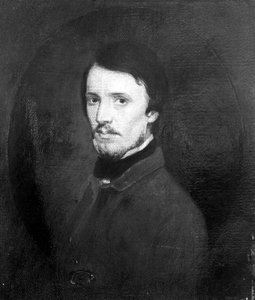
Sanford Robinson Gifford
1823 - 1880 , Egyesült Államok
A művészről röviden
- Artistic Movement Or Style: Luminizmus, Hudson River School
- Artists Or Movements Influenced By This Artist: ['Hudson River School']
- Artists Who Influenced This Artist: ['John Rubens Smith']
- Date Of Birth: 1823. 10. 10.
- Date Of Death: 1880. 8. 29.
- Full Name: Sanford Robinson Gifford
- Nationality: Amerikai
- Notable Artworks:
- Tivoli
- Mount Mansfield
- Place Of Birth: Greenfield, USA
Kapcsolódó cikkek

A Hudson River Iskola 10 Mesterműve: Tájképfestészet és Amerika Lelke – OriginalUniqueArt
Fedezze fel a Hudson River Iskola 10 legikonikusabb műalkotását! Frederic Church, Thomas Cole és más amerikai festők romantikus tájképei. Vászonkép másolatok, faliképek otthonába – OriginalUniqueArt.com kínálatából. Explore the full collection online!

The Sublime Landscape: Exploring the Hudson River School Movement
Explore the captivating world of the Hudson River School! Discover the history, artists, and defining characteristics of this iconic American art movement. Learn about Romanticism's influence & find inspiration for your collection.
Capturing the American Spirit: A Journey Through Iconic Landscapes and the Legacy of the Hudson River School
Explore the profound beauty of American art history. From the Hudson River School to iconic landscapes, discover a curated journey through the masterpieces that defined a nation's spirit and the enduring legacy of American Romanticism.
Robert Spencer: Luminism, Narrative & the American Landscape Tradition
Explore the captivating world of Luminism & the Hudson River School with our expert analysis. Discover the history, artists, and enduring beauty of 19th-century American landscape painting. Find museum-quality reproductions at OriginalUniqueArt.
Wild & Untamed: The High-Impact Energy of American Romanticism and the Hudson River School
Experience the raw power of American Romanticism. Explore the high-impact energy of the Hudson River School through premium, hand-painted oil reproductions that capture the sublime beauty and untamed spirit of the American wilderness for discerning collectors.



