Symbolism · 1904
Oannes (Odilon Redon, 1904)
Odilon Redon (1840–1916) megalkotta: Oannes. 1904-ből származik. A Symbolism irányzathoz tartozik. Oil On Canvas anyagból készült. Mérete 64 × 53 cm.
- 1904
- Oil On Canvas
- 64 × 53 cm

 Megtekintés

 Kézzel festett olajfestmény
 Küldés
 Megosztás
 Információs lap


 Letöltés
 Hasonló darabok
 X-ray felvétel
 Diavetítés
 Kérdések és válaszok

 Statisztika
Oannes röviden
- Cím
- Oannes
- Művész
- Odilon Redon (1840–1916)
- A művész születési helye
- Bordeaux, Franciaország
- Dátum
- 1904
- Műszaki adatok
- Oil On Canvas
- Méretek
- 64 × 53 cm
- Mozgalom
- Symbolism
- Időszak
- 19th Century
- Téma
- mythology, dreamlike, veiled figure, water, mysticism, symbolism
Mit ábrázol a Oannes?
Oannes: A Glimpse into Redon's Symbolist World
Odilon Redon’s "Oannes," painted in 1904, stands as a captivating example of Symbolist art, inviting viewers into a realm where reality and fantasy intertwine. Measuring 64 x 53 cm, this oil on canvas piece showcases Redon's unique ability to evoke profound emotions and explore the depths of the human psyche through dreamlike imagery.
Subject and Composition
"Oannes" depicts a central female figure with long hair, veiled in blue, seemingly suspended amidst swirling forms. The composition is dominated by this ethereal presence, creating a sense of isolation and introspection. Two additional figures are subtly integrated into the background—one at the top left and another near the bottom right—suggesting a larger narrative or scene beyond the immediate view. The figure's partially obscured face adds to the enigmatic nature of the piece, encouraging contemplation and interpretation.
Symbolism and Interpretation
The title "Oannes" itself carries significant weight, referencing an ancient Babylonian deity depicted as a fish-headed man who brought civilization to humanity. Redon’s painting likely draws upon this mythological figure, suggesting themes of knowledge, transformation, and the connection between the human and the divine. The swirling background can be interpreted as representing chaos or the subconscious mind, while the veiled woman embodies mystery and spiritual transcendence. Redon's use of symbolism is deeply rooted in literature, mythology, and his own personal explorations of the inner world.
Technique and Artistic Style
Redon’s technique in "Oannes" is characterized by expressive brushwork and a masterful blending of colors. The oil paint application creates a rich texture, with visible strokes that contribute to the painting's dynamic feel. The color palette primarily features cool tones—deep blues and purples—contrasted with warmer accents of pink and gold, enhancing the dreamlike atmosphere. This work exemplifies Redon’s Symbolist style, which prioritized conveying emotion and inner states over realistic representation. The flattened perspective further enhances the painting's otherworldly quality.
Historical Context and Legacy
Created during a period of significant artistic innovation, "Oannes" reflects the broader Symbolist movement's rejection of Realism in favor of exploring subjective experiences and spiritual themes. Redon’s work significantly influenced later art movements, including Surrealism, inspiring artists to delve into the subconscious mind and explore the power of dreams. The Musée des Beaux-Arts Bordeaux houses a substantial collection of Redon’s works, solidifying his place as a pivotal figure in modern art history.
- View more of Odilon Redon's paintings on OriginalUniqueArt.com
- Learn about the Symbolist movement on Wikipedia
- Discover other works by Odilon Redon at the Musée des Beaux-Arts Bordeaux
Oannes nagy felbontású képei

Felfüggesztett szerzői jogok: a művész 1916-ben halt meg.
Egyéb méretek, kivágások és idézetforrás →Odilon Redon, Oannes (1904). Felfüggeszthető jogforrás
Oannes kapcsán felmerülő kérdések megválaszolva
Melyik évben készült a „Oannes”, Odilon Redon alkotása?
A „Oannes”, Odilon Redon alkotása alkotásának éve 1904.
Milyen technikával készült a „Oannes”, Odilon Redon alkotása?
A "Oannes" alkotás Oil On Canvas technikával készült.
Mekkora méretű az eredeti "Oannes"?
A „Oannes”, Odilon Redon alkotása eredeti mérete 64 x 53 cm.
Mit ábrázol a „Oannes”, Odilon Redon alkotása?
A "Oannes" alkotás tárgyai: mythology, dreamlike, veiled figure, water, mysticism, symbolism, floating.
A „Oannes”, Odilon Redon alkotása jogtalanul védett (public domain)?
A „Oannes”, Odilon Redon alkotása szerzői jogi státusza: a mű közösségi tulajdon – a szerzői jog lejártt. Ez határozza meg, hogy a kép másolatai szabadon készíthetők-e.
Ki készítette a(t): "Oannes"?
A „Oannes” műtémét Odilon Redon alkotójának tulajdonítják.
Milyen stílusba tartozik a "Oannes"?
A "Oannes" a Symbolism egyik alkotása. A művészeti irány meghatározza azt a művészeti hagyományt, amelybe a mű beágyazódik.
A „Oannes” Odilon Redon pályájának mely szakaszát képviseli?
A "Oannes" Odilon Redon alkotói pályájának Late Period szakaszát képviseli.
Mennyi éves volt Odilon Redon, amikor 1904 évben megalkotta a "Oannes" alkotást?
Odilon Redon 64 éves volt, amikor 1904 évben megalkotta a "Oannes" alkotást. A korúsítás az alkotó születési évéből, 1840 fel основании került kiszámítva.
A művészről: Odilon Redon

1840–1916, Franciaország
Odilon Redon
A World Beyond the Visible: The Enigmatic Art of Odilon Redon Odilon Redon, valójában Bertrand-Jean Redon, született 1840-ban Bordeauxban, Franciaországban, egy művész volt, aki örökre elhivatott volt a láthatatlan világok elképzeléseinek és ábrázolásának. Művészi útja nem nagy ambíciókkal kezdődött, hanem csendes megfigyeléssel; mindössze tíz éves korában nyert rajzversenyt – ami előre jelezte a látványos érzékenységét, amely meghatározta életművtségének egészét. Bár kezdetben családi elvárások szerint építőmunkára irányították, Redon igazi hivatása máshol rejlett, melyet Jean-Léon Gérôme és, ami különösen fontos, Rodolphe Bresdin tanításai világítottak meg, akik bemutatták számára az etszést és a litográfiát – ezek a technikák lették korai feltárásainak alapja egy olyan világ számára, amely árnyalt alakokat és ambíviozott formákat tartalmazott, amelyek hamar elvarázsolták azonokat, akik alternatívát kerestek az akadémiai realitáshoz. A Franciaország és Németország közötti háború félbeszakítása Redont rövid ideig katonai szolgálatra vitt, de hazatérte után Párizsban a művészi látlése igazán összeállt.
Odilon Redon további művei
 A ciklop1914
 The Black Pegasus
 Woman and Centaur1900
 Saint Sebastian1900

Esszék a Oannes körül
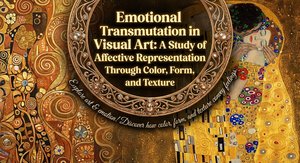 Érzelmi átalakulás a vizuális művészetben: Affektív reprezentáció tanulmánya szín, forma és textúra révénMélyreható elemzés az érzelmek ábrázolásáról a művészetben! Fedezze fel, hogyan használják a színek, formák és textúrák az alkotók az affek…
 Beyond Reality: A Sophisticated Guide to the Enigmatic World of Symbolist PaintingEmbark on a journey through the dreamlike realm of Symbolist painting. Discover the visionary works of Redon and Moreau, exploring themes o…
 The Pantheon on Canvas: Exploring the Divine Narratives of Greek Mythology through Iconic ArtworksExplore the divine power of Greek myths through iconic masterpieces and classical iconography. Dive into the legends today.