Color Field Painting · 1955
Untitled (Mark Rothko, 1955)
Mark Rothko (1903–1970) megalkotta: Untitled. 1955-ből származik. A Color Field Painting irányzathoz tartozik. Oil On Canvas anyagból készült. Mérete 268 × 236 cm.
- 1955
- Oil On Canvas
- 268 × 236 cm

 Megtekintés

 Kézzel festett olajfestmény
 Küldés
 Megosztás
 Útmutató


 Letöltés
 Hasonló darabok
 X-ray felvétel
 Diavetítés
 Kérdések és válaszok

 Statisztika
Untitled: alapvető információk
- Cím
- Untitled
- Művész
- Mark Rothko (1903–1970)
- A művész születési helye
- Daugavpils, Lettország
- Dátum
- 1955
- Műszaki adatok
- Oil On Canvas
- Méretek
- 268 × 236 cm
- Mozgalom
- Color Field Painting
- Időszak
- Modern
- Téma
- minimalism, color harmony, emotional depth, geometric form, existentialism, red square
Mit ábrázol a Untitled?
A Study in Somber Hue: The Emotional Depth of Rothko’s Untitled
Mark Rothko's "Untitled," completed in 1955, stands as a cornerstone of Color Field painting and embodies the anxieties of its time—a testament to both personal trauma and the broader existential concerns that gripped mid-century artistic discourse. Measuring an impressive 268 x 236 cm, this canvas immediately commands attention with its deceptively simple composition: a bold red square bisected by black borders. Yet, within this apparent minimalism lies a depth of emotion and intellectual rigor that continues to fascinate scholars and collectors alike. The painting presents a powerful encounter where the viewer is met with a striking visual drama, as the stark, deep black borders act as an infinite void, pushing the luminous red form toward the foreground.
The genesis of this work is deeply rooted in Rothko’s own history, shaped by the turbulent backdrop of his early life in Latvia and the subsequent cultural shifts following his relocation to Portland, Oregon. Witnessing firsthand the horrors of pogroms instilled within him an unwavering empathy for human suffering—a sensibility that would permeate his entire oeuvre. These experiences fueled a lifelong preoccupation with themes of mortality, trauma, and the elusive quest for meaning, finding eloquent expression in this rejection of traditional representational conventions. Through this piece, Rothko moves away from the figurative to seek instead a way to express universal human emotions through the potent language of color.
Technique, Symbolism, and the Language of Color
Rothko’s method was deliberately reductive, prioritizing color over form to achieve his signature effect. He achieved this through layering thin washes of pigment onto linen canvases, building up translucent blocks of color to create luminous rectangles that appear to bleed into one another. This technique—described by Rothko himself as “painting with feeling”—was painstakingly executed, demanding immense patience and precision. The black borders serve not merely as framing elements but as crucial components of the visual experience, intensifying the colors and creating a sense of enclosure that contributes to the painting’s contemplative atmosphere.
The deliberate choice of red and black is laden with profound symbolic significance. Rothko consistently employed these hues to convey intense emotional states—passion, grief, and despair—without resorting to explicit imagery. Red, often associated with vitality and primal instinct, represents the vibrancy of life’s energy, while simultaneously hinting at its vulnerability and eventual demise. Conversely, black embodies darkness, silence, and the inevitability of death. The juxtaposition of these colors within the square creates a dynamic tension that mirrors the complexities of human existence. For the discerning collector or interior designer, this artwork offers a captivating focal point; its ability to command attention through monochromatic intensity while maintaining a soft, inviting atmosphere makes it an ideal centerpiece for spaces designed for reflection, luxury, or quiet sophistication.
Untitled nagy felbontásban
Szerzői jogi védelem alatt áll: a kép csak illusztrációképpen látható.
További méretek, kivágások és idézetforrás →Mark Rothko, Untitled (1955).
Untitled kapcsán felmerülő kérdések
Mikor készült a(z) „Untitled”, Mark Rothko alkotása?
A „Untitled”, Mark Rothko alkotása alkotása 1955-ben készült.
Milyen színpalettát és milyen hangulatot ábrázol a "Untitled"?
A „Untitled”, Mark Rothko alkotása egy Dark színpalettát ötvöz a Reflective hangulatú tónussal.
Miért ajánlott ajándékként a „Untitled”, Mark Rothko alkotása?
A "Untitled" Reflective érzetet áraszt, ajándékként pedig Corporate Gift ajánljuk.
Milyen szín vezeti a „Untitled”, Mark Rothko alkotása kompozícióját?
A „Untitled”, Mark Rothko alkotása domináns színe a Driftwood (#a3784e).
Milyen hangulatot kölcsönözne a "Untitled" egy térnek?
A Calm hangulatával a "Untitled" című alkotás egy Living Room helyiségbe is javasolt.
Mely művészeti irányba tartozik a „Untitled”, Mark Rothko alkotása?
A „Untitled”, Mark Rothko alkotása a Color Field Painting irányzat része. Ez az irányzat adja a mű stilisztikai kontextusát.
A „Untitled” Mark Rothko pályájának mely szakaszát képviseli?
A "Untitled" Mark Rothko pályájának a Mature Period szakaszába tartozik. Ez a besorolás összekapcsolja a művet a művész fejlődésével.
Mennyire erős a kontraszt a(z) „Untitled”, Mark Rothko alkotása alkotásban?
A „Untitled”, Mark Rothko alkotása kontrasztját Gentle teszi.
Hogyan írják le „Untitled”, Mark Rothko alkotása színezetét?
A "Untitled" színei egy Dark palettát alkotnak. Ez a besorolás a domináns színek családjait írja le.
A művészről: Mark Rothko

1903–1970, Lettország
Mark Rothko
Korai Évek és a Művészi Látás Magvai Mark Rothko, eredeti nevén Markus Yakovlevich Rothkowitz 1903-ban született Dvinszkben (ma Daugavpils, Lettország), egy olyan érzéssel tele, amely mélyen formálta művészeti útját. Gyermekéveit a zsidó családok bizonytalansága jellemezte, melyekre a Települési Sáv árnyékai vetődtek, pogromokkal és politikai nyugtalanságokkal terhelve. Ez a légkör mély együttérzést ébresztett benne az emberi szenvedéssel szemben, egy olyan témával, amely egész életművén végigvonult. Az 1913-as Portlandbe (Oregon) való kivándorlás nem csupán földrajzi változást jelentett Rothkó számára, hanem kulturális felfordulást is.
Mark Rothko további művei
 Fehér Központ1950
 No.1
 61-es (Rozsda és kék)1953
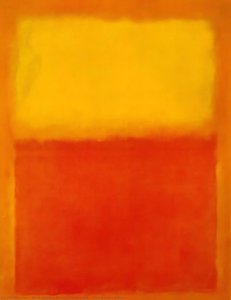 Narancz és sárga1956
Esszék a Untitled körül
 The Architecture of Emotion: A Connoisseur’s Guide to the Chromatic Sublimity of Mark RothkoExplore the profound emotional landscapes of Mark Rothko. An expert editorial on Color Field painting, decoding the spiritual depth, techni…
 Mark Rothko 25 Mesterműve: Érzelmek és Színek a Modern Művészetben | OriginalUniqueArtFedezze fel Mark Rothko 25 legikonikusabb művét! Ismerje meg az absztrakt expresszionizmus mesterének érzelmi világát, színeit és technikái…
 Color Fields of Calm: Transform Luxury Interiors with Minimalist Masterpiece ReproductionsElevate your luxury interiors with museum-quality Mark Rothko reproductions. Discover how hand-painted Color Field masterpieces bring profo…