Abstract Expressionism · 1947
Untitled (Mark Rothko, 1947)
Mark Rothko (1903–1970) megalkotta: Untitled. 1947-ből származik. A Abstract Expressionism irányzathoz tartozik. Acrylic On Canvas anyagból készült. Mérete 96 × 53 cm.
- 1947
- Acrylic On Canvas
- 96 × 53 cm

 Megtekintés

 Kézzel festett olajfestmény
 Küldés
 Megosztás
 Útmutató


 Letöltés
 Hasonló darabok
 X-ray felvétel
 Diavetítés
 Kérdések és válaszok

 Statisztika
Untitled: alapvető információk
- Cím
- Untitled
- Művész
- Mark Rothko (1903–1970)
- A művész születési helye
- Daugavpils, Lettország
- Dátum
- 1947
- Műszaki adatok
- Acrylic On Canvas
- Méretek
- 96 × 53 cm
- Mozgalom
- Abstract Expressionism
- Időszak
- Modern
- Téma
- abstract, color field, emotion, tranquility, depth, layered
Mit ábrázol a Untitled?
A Window into the Soul: Exploring Mark Rothko’s 1947 Untitled Painting
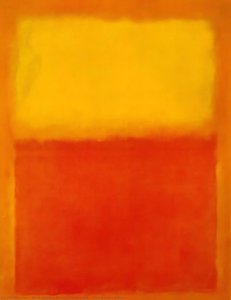
This captivating work by Mark Rothko, created in 1947, exemplifies a pivotal moment in the artist's transition towards his signature Color Field style. Measuring 96 x 53 cm, this painting isn’t about *what* it depicts, but rather *how* it makes you feel – a hallmark of Abstract Expressionism and Rothko’s enduring legacy.Style & Technique: Gestural Abstraction and the Birth of Color Fields
The artwork is deeply rooted in Abstract Expressionism, specifically leaning towards gestural abstraction. Unlike purely abstract works that might emphasize geometric forms, this piece showcases a fluidity and spontaneity achieved through loose brushstrokes and washes of color. Rothko masterfully employs a wet-on-wet blending technique, allowing hues to seamlessly merge and create atmospheric depth. While reminiscent of the later, more defined Color Field paintings – like his iconic series of stacked rectangles – this 1947 work retains a greater textural variation, hinting at the emotional turmoil and experimentation that characterized his artistic evolution. The layering of paint creates a sense of movement within the composition, drawing the eye upwards through subtle shifts in tone and saturation.Historical Context: Post-War Emotion & Artistic Innovation
Created immediately after World War II, this painting reflects the anxieties and existential questioning prevalent during that era. Abstract Expressionism emerged as a response to the horrors of war, rejecting traditional representational art in favor of expressing raw emotion and subjective experience. Rothko, having immigrated from Latvia as a child, carried with him a sense of displacement and cultural shift which profoundly influenced his artistic vision. This period saw American artists seeking new ways to articulate universal human experiences – grief, hope, spirituality – through non-figurative forms.Symbolism & Emotional Resonance
While Rothko resisted explicit interpretations of his work, the painting undeniably evokes a powerful emotional response. The muted tones and lack of defined shapes contribute to a sense of tranquility tinged with melancholy. The amorphous, organic forms suggest hidden depths and invite introspection. It’s not about recognizing *something* in the painting; it's about allowing the colors and textures to resonate within you, prompting personal reflection. Rothko aimed to create paintings that were almost like spiritual experiences – spaces for contemplation and emotional release.Interior Design & Collecting Considerations
This piece, or a high-quality reproduction, would serve as a striking focal point in a modern or minimalist interior. Its subdued palette lends itself well to spaces seeking calm and sophistication. The vertical orientation makes it ideal for hallways or above seating areas. As an early example of Rothko’s evolving style, this work represents a significant investment for collectors interested in the development of Abstract Expressionism. It offers a glimpse into the artist's formative years and foreshadows the iconic Color Field paintings that would define his career.- Dimensions: 96 x 53 cm
- Date: 1947
- Style: Abstract Expressionism, Gestural Abstraction, Color Field (Proto)
- Materials: Likely oil or acrylic on canvas.
Untitled nagy felbontásban
Szerzői jogi védelem alatt áll: a kép csak illusztrációképpen látható.
További méretek, kivágások és idézetforrás →Mark Rothko, Untitled (1947).
Untitled kapcsán felmerülő kérdések
Mikor készült a(z) „Untitled”, Mark Rothko alkotása?
A "Untitled" 1947-ban készült. Ez az időpont meghatározó jelentőséggel bír Mark Rothko pályájában és az adott korszak kontextusában is.
Milyen anyagból készült a "Untitled"?
Mark Rothko a Acrylic On Canvas technikát alkalmazta a "Untitled" alkotáshoz. A technika határozza meg az eredeti mű anyagösszetételt.
Mekkora méretű az eredeti "Untitled"?
A „Untitled”, Mark Rothko alkotása dokumentált méretei 96 x 53 cm. A reprodukciók más méretben is megrendelhetők, az eredeti arányok megtartásával.
Mit ábrázol a "Untitled"?
„Untitled”, Mark Rothko alkotása a következőket ábrázolja: abstract, color field, emotion, tranquility, depth, layered, atmospheric, rothko.
Szabadon reprodukálható-e a/az „Untitled”, Mark Rothko alkotása képe?
A „Untitled”, Mark Rothko alkotása szerzői jogi státusza: a mű még szerzői jog védi. Ez határozza meg, hogy a kép másolatai szabadon készíthetők-e.
Ki a "Untitled" mögött álló művész?
A „Untitled” műtémét Mark Rothko alkotójának tulajdonítják.
Milyen stílusba tartozik a "Untitled"?
A „Untitled”, Mark Rothko alkotása művészeti irányata a Abstract Expressionism. Ez a klasszifikáció a művet a kapcsolódó alkotók és alkotások közé sorolja.
Hová sorolható a Mark Rothko pályájának mely szakaszába a "Untitled"?
A "Untitled" Mark Rothko alkotói pályájának Mature Period szakaszát képviseli.
Hány éves volt Mark Rothko, amikor megalkotta a "Untitled" című alkotást?
Amikor a "Untitled" alkotása 1947-ben készült, Mark Rothko – aki 1903-ben született – 44 éves volt.
A művészről: Mark Rothko

1903–1970, Lettország
Mark Rothko
Korai Évek és a Művészi Látás Magvai Mark Rothko, eredeti nevén Markus Yakovlevich Rothkowitz 1903-ban született Dvinszkben (ma Daugavpils, Lettország), egy olyan érzéssel tele, amely mélyen formálta művészeti útját. Gyermekéveit a zsidó családok bizonytalansága jellemezte, melyekre a Települési Sáv árnyékai vetődtek, pogromokkal és politikai nyugtalanságokkal terhelve. Ez a légkör mély együttérzést ébresztett benne az emberi szenvedéssel szemben, egy olyan témával, amely egész életművén végigvonult. Az 1913-as Portlandbe (Oregon) való kivándorlás nem csupán földrajzi változást jelentett Rothkó számára, hanem kulturális felfordulást is.
Mark Rothko további művei
 Fehér Központ1950
 No.1
 61-es (Rozsda és kék)1953
 Narancssárga és sárga1956
Esszék a Untitled körül
 A Változatosság Színpadán: Hogyan Formálja a Választás Érzelmi Rezonanciánkat a MűvészetbenFedezze fel a kortárs művészet világát! Prémium minőségű reprodukciók, egyedi portrék és szakértői tanácsadás otthona számára. Befektessen …
 Mark Rothko 25 Mesterműve: Érzelmek és Színek a Modern Művészetben | OriginalUniqueArtFedezze fel Mark Rothko 25 legikonikusabb művét! Ismerje meg az absztrakt expresszionizmus mesterének érzelmi világát, színeit és technikái…
 The Architecture of Emotion: A Connoisseur’s Guide to the Chromatic Sublimity of Mark RothkoExplore the profound emotional landscapes of Mark Rothko. An expert editorial on Color Field painting, decoding the spiritual depth, techni…