Expressionism · 1915
Marching (Marc Chagall, 1915)
Marc Chagall (1887–1985) megalkotta: Marching. 1915-ből származik. A Expressionism irányzathoz tartozik. Acrylic On Canvas anyagból készült.
- 1915
- Acrylic On Canvas

 Megtekintés

 Kézzel festett olajfestmény
 Küldés
 Megosztás
 Útmutató


 Letöltés
 Hasonló darabok
 X-ray felvétel
 Diavetítés
 Kérdések és válaszok

 Statisztika
Marching: alapvető információk
- Cím
- Marching
- Művész
- Marc Chagall (1887–1985)
- A művész születési helye
- Vitebszk, Fehéroroszország
- Dátum
- 1915
- Műszaki adatok
- Acrylic On Canvas
- Mozgalom
- Expressionism
- Téma
- uniform, roof, sky, clock, figures, folklore
Mit ábrázol a Marching?
A Symphony of Color and Memory: Exploring Marc Chagall's "I Am Alone"
Marc Chagall’s “I Am Alone,” painted in 1915, isn’t merely a depiction of solitude; it’s an embodiment of existential angst rendered in the breathtaking language of Expressionism. Created during the turbulent years preceding World War I—a period marked by anxieties about national identity and impending conflict—the painting transcends its immediate historical context to speak to universal themes of isolation and longing. It's housed in the Musée d'Orsay, Paris, a testament to Chagall’s enduring influence on modern art.- Subject Matter: The canvas portrays a man standing alone on a rooftop amidst a swirling panorama of fantastical figures—a woman with outstretched arms, a child perched precariously on the edge of the roof, and several other stylized individuals drifting upwards into the heavens.
- Style: Chagall’s style is unmistakably Expressionist. Rejecting representational accuracy in favor of emotional intensity, he employs bold colors—primarily yellows, blues, and reds—to convey mood and feeling rather than to faithfully reproduce reality. The figures themselves are distorted and stylized, imbued with a dreamlike quality that defies logical interpretation.
Technique: Bold Brushstrokes and Layered Color
Chagall’s technique is characterized by thick, impasto brushstrokes—meaning the paint is applied in layers so thickly that it stands up prominently from the surface of the canvas. This textural approach contributes significantly to the painting's dramatic impact, creating a palpable sense of movement and conveying the artist’s emotional state directly onto the artwork. The colors are blended strategically to create luminous washes and vibrant accents, enhancing the overall visual richness.- Color Palette: The dominant hues—golden yellows symbolizing warmth and optimism juxtaposed with deep blues representing melancholy and uncertainty—are deliberately chosen to evoke specific emotions. Chagall’s masterful use of color underscores the painting's psychological depth.
- Composition: The rooftop setting serves as a focal point, anchoring the swirling figures and emphasizing the man’s isolation. The upward trajectory of the figures symbolizes aspiration but also hints at vulnerability—a yearning for connection amidst overwhelming circumstances.
Symbolism: Folklore and Existential Concerns
“I Am Alone” is replete with symbolic references drawn from Jewish folklore and Kabbalah—the mystical tradition of Judaism. The woman with outstretched arms represents compassion and maternal care, while the child symbolizes innocence and vulnerability. The swirling figures embody the chaotic forces of fate and the anxieties surrounding impending war. More broadly, the painting explores profound existential questions about human existence—questions concerning identity, purpose, and the inevitability of suffering.Ultimately, Chagall’s “I Am Alone” transcends its historical origins to resonate with viewers across generations. It's a hauntingly beautiful meditation on solitude, loss, and the enduring quest for meaning—a masterpiece that continues to inspire awe and provoke contemplation decades after its creation.
Marching nagy felbontásban

Szerzői jogi védelem alatt áll: a kép csak illusztrációképpen látható.
További méretek, kivágások és idézetforrás →Marc Chagall, Marching (1915).
Marching kapcsán felmerülő kérdések
Mekkora méretű nyomtatás Marching alkotást illene a szobámba?
A(z) „Marching”, Marc Chagall alkotása ajánlott párosítása: egy Large méretű nyomat egy Living Room-ban.
Ismertebb műalkotás a „Marching”, Marc Chagall alkotása?
A „Marching”, Marc Chagall alkotása népszerűségi szintje: Iconic.
Milyen tónus felé hajlik a "Marching"?
A Amber to Saffron árnyalat áthatárolja a „Marching”, Marc Chagall alkotása alkotást.
Milyen érzést közvetít a „Marching”, Marc Chagall alkotása?
A „Marching”, Marc Chagall alkotása egy Melancholic érzést közvetít, egy összonosan Romantic hangulatban.
Milyen stílusba tartozik a "Marching"?
A "Marching" a Expressionism egyik alkotása. A művészeti irány meghatározza azt a művészeti hagyományt, amelybe a mű beágyazódik.
Hogyan épül fel a „Marching”, Marc Chagall alkotása színes kompozíciója?
A "Marching" alkotásban egy Statement kontraszt párosul egy Discordant Palette harmóniával.
Melyik tér harmonizál a „Marching”, Marc Chagall alkotása színeivel?
A „Marching”, Marc Chagall alkotása Earthy színei tökéletesen illeszkednek a javasolt helyiséghez: egy Living Room.
Miért van az, hogy a "Marching" szerzői jogi állapota ilyen?
A „Marching”, Marc Chagall alkotása még szerzői jog védi állapotban van. A szerzői jogi védelem időtartama a művész halálától számítódik, amely 1985 évben történt.
Milyen viszonyban áll egymáshoz a "Marching" színei?
A „Marching”, Marc Chagall alkotása színei Discordant Palette harmóniát mutatnak be. A harmónia azt írja le, hogyan kapcsolódnak egymáshoz a színek.
A művészről: Marc Chagall
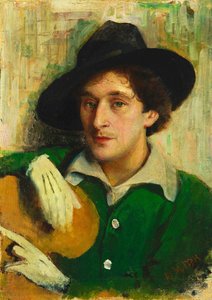
1887–1985, Fehéroroszország
Marc Chagall
Korai élet, család és oktatás Marc Chagall a világra 1887. július 7-én érkezett, Vitebskben, az Orosz Birodalomban, ahol Moishe Segal néven született. Egy szerény zsidó család első gyermeke volt, a kilenc testvér közül. Életét a munka és a kisüzemi kereskedelem ritmusai határozták meg.
Marc Chagall további művei
 Én és a Falu1911
 Fehér Keresztbesfeszítés1938
 A születésnap1915
 Felettünkött1918
Esszék a Marching körül
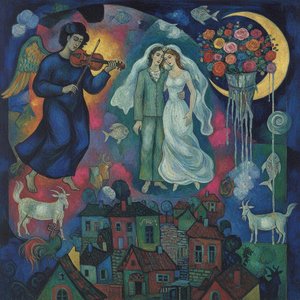 Marc Chagall’s Masterpieces: Exploring the Magic, Color, and Surrealist Legacy of a Modernist IconEmbark on a journey through the dreamlike masterpieces of Marc Chagall. Explore the profound symbolism and vibrant colors of this Surrealis…
 The Language of Brushstrokes: How Artistic Technique Expresses Emotion and EraExplore the profound connection between artistic technique and emotion. From the heavy impasto of Van Gogh to classical mastery, learn how …
 Dreaming in Color: The 25 Most Iconic Masterpieces by Marc ChagallStep into the dreamlike world of Marc Chagall. Explore 25 iconic masterpieces, from vibrant surrealist tales to soulful folklore. Find insp…