Northern Renaissance · 1515
Trinity (Id. Lucas Cranach, 1515)
Id. Lucas Cranach (1472–1553) megalkotta: Trinity. 1515-ből származik. A Northern Renaissance irányzathoz tartozik. Oil On Panel anyagból készült.
- 1515
- Oil On Panel

 Megtekintés

 Kézzel festett olajfestmény
 Küldés
 Megosztás
 Információs lap


 Letöltés
 Hasonló darabok
 X-ray felvétel
 Diavetítés
 Kérdések és válaszok

 Statisztika
Trinity röviden
- Cím
- Trinity
- Művész
- Id. Lucas Cranach (1472–1553)
- A művész születési helye
- Kronach, Németország
- Dátum
- 1515
- Műszaki adatok
- Oil On Panel
- Mozgalom
- Northern Renaissance
- Időszak
- Renaissance
- Téma
- religious art, jesus christ, angels, trinity, cross, northern renaissance
Mit ábrázol a Trinity?
A Vision of Divine Majesty: Exploring Lucas Cranach The Elder's Trinity
To stand before Lucas Cranach The Elder’s Trinity is to step across the threshold of time and into the very heart of Christian theology rendered in breathtaking pigment. This oil on panel, dating back to 1515, is far more than a mere depiction of sacred figures; it is a profound meditation on divinity, sacrifice, and eternal life. Cranach, a master artisan of the Northern Renaissance, did not simply paint a scene; he captured an overwhelming spiritual experience, inviting the viewer into a complex interplay of light, shadow, and divine narrative.
The Intricate Tapestry of Symbolism
The composition itself is a masterful puzzle woven with layers of meaning. At the core, we find the poignant image of Jesus Christ bearing the cross, simultaneously being elevated by celestial angels—a visual metaphor for resurrection and ascension. Flanking this central drama are other significant figures, including a majestic man crowned, whose presence suggests the embodiment of God the Father or another pivotal theological concept. Cranach populated this scene with meticulous detail; observe the background's mountainous landscape, dotted with distant trees, which grounds the ethereal event in a tangible, earthly realm. Every element, from the vibrant colors to the gestures of the surrounding figures, whispers secrets of Christian doctrine, inviting deep contemplation from any who gaze upon it.
Mastery of Northern Renaissance Technique
Cranach’s technical prowess is undeniable. Characteristic of the Northern Renaissance style, his work thrives on intricate detail and a rich application of color that gives the panel an almost luminous quality. The way light interacts with the robes and the faces speaks to an advanced understanding of oil painting techniques. His ability to render figures with such exquisite precision, while maintaining a sense of dramatic emotional weight, marks him as a pivotal figure in German art history. It is this marriage of technical brilliance and spiritual fervor that makes The Trinity so enduringly powerful.
An Echo for the Modern Collector
For the contemporary collector or designer seeking an anchor of profound beauty for their space, reproductions of this work offer a tangible connection to this golden age of art. Owning a piece inspired by The Trinity is not merely decorating; it is curating a focal point of contemplation. The drama, the depth, and the sheer artistry contained within Cranach’s original vision translate beautifully into high-quality reproductions, allowing you to bring the solemn majesty of this masterpiece into your modern life.
Trinity nagy felbontású képei

Felfüggesztett szerzői jogok: a művész 1553-ben halt meg.
Egyéb méretek, kivágások és idézetforrás →Id. Lucas Cranach, Trinity (1515). Felfüggeszthető jogforrás
Trinity kapcsán felmerülő kérdések megválaszolva
Mikor készült a "Trinity"?
A „Trinity”, Id. Lucas Cranach alkotása alkotása 1515-ben készült.
Milyen anyagból készült a "Trinity"?
Id. Lucas Cranach a Oil On Panel technikát alkalmazta a "Trinity" alkotáshoz. A technika határozza meg az eredeti mű anyagösszetételt.
Milyen témák jelennek meg a(z) „Trinity”, Id. Lucas Cranach alkotása alkotásban?
A "Trinity" alkotás tárgyai: religious art, jesus christ, angels, trinity, cross, northern renaissance, symbolism.
Szabadon reprodukálható-e a/az „Trinity”, Id. Lucas Cranach alkotása képe?
A szerzői jogokkal kapcsolatban a "Trinity" mű közösségi tulajdon – a szerzői jog lejártt.
Mely művészhez köthető a "Trinity"?
A "Trinity" alkotását Id. Lucas Cranach készítette. Az ezen az oldalon található információk Id. Lucas Cranach eredeti művészetét mutatják be.
Mely művészeti irány része a „Trinity”, Id. Lucas Cranach alkotása?
A „Trinity”, Id. Lucas Cranach alkotása művészeti irányata a Northern Renaissance. Ez a klasszifikáció a művet a kapcsolódó alkotók és alkotások közé sorolja.
A „Trinity” Id. Lucas Cranach pályájának mely szakaszát képviseli?
Id. Lucas Cranach pályaművében a „Trinity” a Early Career korszakba tartozik. Ez az időszak segít összehasonlíthatóvá tenni a művet a művész többi alkotásával.
Hány éves volt Id. Lucas Cranach, amikor megalkotta a "Trinity" című alkotást?
Id. Lucas Cranach 43 éves volt, amikor 1515 évben megalkotta a "Trinity" alkotást. A korúsítás az alkotó születési évéből, 1472 fel основании került kiszámítva.
A Id. Lucas Cranach alkotása, a "Trinity", a jogi szabadhasználatban (public domain) áll-e, és miért?
A „Trinity”, Id. Lucas Cranach alkotása közösségi tulajdon – a szerzői jog lejártt állapotban van. A szerzői jogi védelem időtartama a művész halálától számítódik, amely 1553 évben történt.
A művészről: Id. Lucas Cranach

1472–1553, Németország
Id. Lucas Cranach
A reformáció vizuális építésze A német reneszánsz megértéséhez túl kell tekintetnünk az absztrakt teológia mögé, és a Lucas Cranach Idős éles, határozott vonalaira. Ő nem csupán festő volt; egy vizuális stratégus. Miközben a protestáns reformáció felrótta Európát, Cranach biztosította azt a képi világot, amely meghatározta az új rendet. Martin Lutherrel való kapcsolata nem csupán egyszerű barátság volt, hanem egy olyan funkcionális partnerség, amely a vallási gondolatokat hordozható, reprodukálható művészetté formálta át.
Id. Lucas Cranach részletesen Id. Lucas Cranach legkiemelkedőbb művei
Id. Lucas Cranach további művei
 A fiatosság forrása1546
 Édenbe Ádám és Éva1531
 Judit és Holofernes fejezete1530
 Szegény Friedrich III királyi vadászata1529
Esszék a Trinity körül
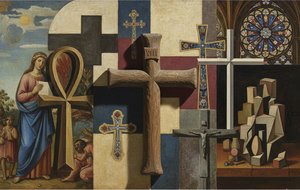 Sacred Symbols: Exploring the Power of Cross Imagery in Fine Art HistoryDelve into the profound symbolism of cross imagery in fine art history. From Renaissance masterpieces to sacred iconography, explore how re…
 25 Masterpieces by Rogier van der Weyden: The Pinnacle of Emotional ArtImmerse yourself in the profound emotion of Rogier van der Weyden’s greatest works. From Northern Renaissance mastery to exquisite textures…
 German Northern Renaissance paintersMasterpieces by Dürer and Holbein define the German Northern Renaissance. Explore the full collection online at OriginalUniqueArt.com.