Megtekintés
 Küldés
 Megosztás
 Részletek

 Letöltés
 Hasonló darabok
 X-ray felvétel
 Diavetítés
 Statisztika
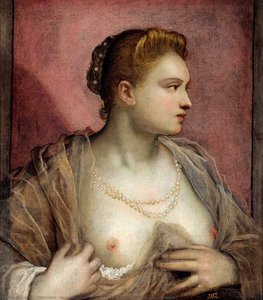
Susanna és az öregségek
 Olajfestmény vászonon
- Falfeliratok és faldekoráció
- Baroque Renaissance
 1557
1557- Reneszánsz
 147.0 x 194.0 cm
 Kunsthistorisches Museum
 Összes részlet megjelenítése
Kézzel készített olajfestmény reprodukció
Kézzel festett olajvastú vászon, az Ön által választott méretben és keretben, művészeink készítik meglévőre. ( Áttérés Nyomtatványra Áttérés digitális képre)




P118B $10

P118H $10

P118W $10

P438Z $10

P508JH $12

P508YH $12

P805H $10

P805Z $10

P919BZ $10

P919G $10

P919XJ $10

P959ZH $10

P968JZ $12

W106C $8

W218G $10

W218JH $8

W218Y $10

W307PJ $10

W316G $10

W316PJ $8

W316Y $10

W398PJ $8

W4111J $10

W500HY $15

W500JH $15

W692G $12

W849H $8

W940BG $15

W953PJ $8




Válasszon előre meghatározott méreteink közül, amelyek megfelelnek a műalkotás eredeti arányainak.

Ön megadhat saját méreteket egy adott kerethez vagy térhez igazításhoz. Ha a kiválasztott méret nem egyezik az eredeti kép arányával, akkor a műalkotást levágjuk, vagy további kézzel festett elemekkel meghosszabbítjuk a festményt. A gyártás megkezdése előtt küldünk Önnek egy digitális előnézetet jóváhagyásra.
Kérjük, vegye figyelembe, hogy a képernyőn megjelenő előnézet nem tükrözi a tényleges vágást vagy kiterjesztést. Csak az előnézet fog pontosan mutatni a végső kompozíciót.
Bár egyedi méretek állnak rendelkezésre, javasoljuk, hogy válasszon egy méretet az előre meghatározott listából az eredeti arányok megőrzése érdekében.
A rendelést követően a OriginalUniqueArt.com csapata e-mailt küld az ügyfélnek az instrukciókért, és biztosít egy előnézeti képet (mockup).
Világszerte elérhető szállítás () 3-4 hét alatt a szokásos 5 hét helyett. (10 szeptember). A minőség nem kérdőjelezhető.

Ingyenes globális expressz szállítás

Prémium minőségű len vászon

Teljes körű szállítási biztosítás

Vámvisszatérítési Garancia

Hiteles színpontosság garancia

100 napos visszaküldési lehetőség (csak hibás termékek esetén)

100% pénzvisszatérítési garancia

Több darab vásárlása esetén kedvezmény
 Az üvegkeretes opció csak 110 cm alatti méretben érhető el

Susanna és az öregségek
Reprodukciós technika
Reprodukció mérete
-


Összesített ár
$ 325
Lenyűgöző bibliai narratíva mesteri kompozícióban
Éld át ennek a kiváló olajfestmény intenzív történetmesélését és érzelmi mélységét, amely élesen ábrázolja a Susanna és az öregemberek bibliai jelenétét. A neves velencei mester, Jacopo Tintoretto 1557-es alkotása a sebezhetőség, a morális feszültség és az isteni igazság egy pillanatát örökíti meg. A jelen középpontjában Susanna áll, a hamis vád víctimaja; meztelen alakját lágy, realista bőrtónusok jellemzik, amelyek az ártatlanságot és a törékenységet idézik fel. Az öregemberek ragadozó tekintete élesen kontrasztál szégynevésségével, létrehozva egy olyan erőteljes vizuális narratívát, amely az erény, az integritás és a morális bátorság témáival rezonál.Tintoretto dinamikus stílusa és technikája
Ez a festmény példaként szolgál Tintoretto sajátos stílusára – amelyet a drámai chiaroscuro, a gyors ecsetvonások és egy vibráló paletta jellemz, ami fokozza az érzelmi hatást. A fény és árnyék mesteri kezelése fényes, szinte teatráli hangulatot teremt, hangsúlyozva a jelen feszültségét és azonnalaságát. A kompozíció diagonális vonalakat és organikus formákat alkalmaz, vezetve a néző szemét a figurákon és a természeti környezeten keresztül, melyet dús lombkorona, fák és egy nyugodt víz háttere alkot. A textúrák aprólékos figyelme – a Susanna bőrének simatásától a fák durva kérgén át – olyan taktiláris realizmust ad, amely közelebbi vizsgálásra hívja fel magunkra a figyelmet.Történelmi kontextus és művészeti jelentőség
A velencei reneszánsz idején készült alkotás tükrözi Tintoretto innovatív történetmesélési megközelítését és az emberi érzelmek iránti rajongását. A velencei iskola meghatározó alakjaként Tintoretto merész ecsetvezetéséről és dinamikus kompozícióiról ismert, amely elnyerte a „Il Furioso” becenevet. Képes volt a vallási témákat az azonnalaság és a dráma érzésével ötvözni, ami munkái kiemelkedővé tették a késő reneszánsz korszakban. Ez a festmény nemcsak technikai tudásának példája, hanem meghódítja azt a korszakot is, amely a lelki elköteleződésre és a morális önreflexióra helyezte a hangsúlyt.Szimbolizmus és érzelmi hatás
A narratíván túlmutatva a festmény gazdag szimbolikával büszkélkedhet. Susanna sebezhető póza és finom vonásai az ártatlanságot és a tisztaságot szimbolizálják, míg az öregemberek ragadozó álláspontja a morális korrupcióról figyelmeztet. A természeti környezet, dús zöldségeivel és tükröződő vizeivel a jelenetként szolgál, mint az erény és a gonosz mikrokosmosa. A drámai fényforrások fokozzák az érzelmi feszültséget, empátia, aggodalom és morális belső vizsgálat érzéseit keltve a nézőkben. Ez egy lenyűgöző alkotás, amely az igazságosság, az ártatlanság és a morális integritás erejére való gondolkodásra ösztönöz.Tökéletes gyűjteményekhez és belsőépítészethez
Ez a kiváló minőségű reprodukció kivételes lehetőséget kínál a művészetszeretőknek, gyűjtőknek és belsőépítészeknek egy időtlen remekmű beillesztésére a saját tereikbe. Robusztus mérete (147 x 194 cm) ideális fókuszponttá teszi egy kifinomult galériafal számára, vagy meghatározó díszként szolgálhat egy elegáns nappaliban vagy irodában. Legyen szó magángyűjteményről vagy kulturális térről, ennek a művészetnek drámai jelenléte és mély története lenyűgözi és magával ragad minden látogatót. Tintoretto zsenialitásának igazi bizonyítékaként ez a festmény befektetés mind a művészeti örökségbe, mind az esztétikai kiválóságba.A művész életrajza
A Venetian Master of Drama and Light
Jacopo Tintoretto, born Jacopo Robusti in Venice around 1518, remains one of the most compelling and enigmatic figures of the High Renaissance and early Baroque periods. His very nickname, “Tintoretto” – little dyer – speaks to his family’s trade, yet it belies the immense artistry that would distinguish him from all others. Unlike many artists who benefited from structured apprenticeships, Tintoretto's path was largely self-directed, fueled by an insatiable curiosity and a relentless drive for innovation. While accounts suggest a brief and unsuccessful stint under Titian, the acknowledged master of Venetian colorism, it seems the experience proved more contentious than formative. Titian’s alleged dismissal of the young Jacopo – whether due to jealousy or artistic disagreement – spurred Tintoretto toward an independent course, one characterized by audacious experimentation and a uniquely dynamic style. He immersed himself in anatomical study, reportedly through dissection, and honed his skills by meticulously copying classical sculpture and the works of other masters. This dedication laid the foundation for a career that would redefine Venetian painting.Forging a Distinctive Style: *Il Furioso*
Tintoretto’s artistic development was marked by an almost feverish energy, earning him another evocative nickname: *Il Furioso* – “the Furious One.” This moniker wasn't merely descriptive of his working pace but also captured the intensity and emotional charge that permeated his canvases. His early works already hinted at a departure from traditional Venetian conventions. While acknowledging Titian’s influence in color, Tintoretto gravitated towards Michelangelo’s powerful figures and dramatic compositions. He synthesized these influences into something entirely new: a style characterized by elongated forms, swirling draperies, and an innovative use of perspective that often created a sense of dizzying depth and movement. He abandoned the meticulous finish favored by his contemporaries, opting instead for a rapid, almost sketch-like brushstroke that conveyed immediacy and raw emotion. This technique, combined with his masterful manipulation of light and shadow – *chiaroscuro* – allowed him to create scenes of unparalleled drama and psychological intensity. He wasn’t simply depicting events; he was conveying their emotional core. His compositions were often asymmetrical and dynamic, filled with movement and a sense of urgency—a stark contrast to the balanced, static arrangements typical of earlier Renaissance painters.Monumental Achievements: San Rocco and Beyond
Tintoretto's prodigious output spanned decades, encompassing religious narratives, historical allegories, and portraits. However, his most significant achievement lies in the cycle of paintings he created for the Scuola Grande di San Rocco, a Venetian confraternity dedicated to Saint Roch. Over a period of more than fifty years, Tintoretto adorned the Scuola’s halls with over sixty canvases, transforming it into a breathtaking visual testament to faith and human experience. Works like “The Last Supper,” completed late in his life, demonstrate his continued experimentation with perspective and composition. Departing from traditional depictions, Tintoretto placed the scene in a dramatically lit, architecturally unstable space, emphasizing the emotional turmoil of Christ’s final meal with his disciples. Other notable works include “The Miracle of St Mark Freeing the Slave,” a powerful display of dynamic composition and foreshortening, and numerous paintings for Venetian churches and palaces that showcase his mastery of scale and narrative storytelling. These monumental projects cemented Tintoretto's reputation as one of Venice’s most important artists. He was not merely a painter; he was a visual storyteller who understood how to harness the power of art to evoke emotion and inspire awe.Influences and Artistic Connections
Tintoretto’s artistic journey reveals a complex interplay of influences. While deeply indebted to Titian's coloristic mastery, he also drew inspiration from Michelangelo’s dynamism and classical sculpture. The influence of Leonardo da Vinci is also evident in his meticulous anatomical studies and innovative use of perspective. However, Tintoretto was not simply imitating these masters; he was transforming their ideas into something uniquely his own. He actively sought out knowledge beyond the traditional art academies, studying anatomy through dissection – a practice considered controversial at the time – and immersing himself in classical literature and philosophy. His workshop became a hub for young artists eager to learn from his unconventional methods. His relationship with Paolo Veronese was particularly significant; they collaborated on several projects, exchanging ideas and techniques that further enriched Tintoretto’s artistic vocabulary.Legacy and Historical Significance
Jacopo Tintoretto died in Venice in 1594, leaving behind a vast and influential body of work. He bridged the gap between the High Renaissance and the Baroque period, anticipating many of the stylistic innovations that would define the latter. His dramatic compositions, expressive brushwork, and innovative use of light and shadow profoundly influenced artists such as Caravaggio, Rembrandt, and Delacroix. He wasn’t merely a painter; he was a visual storyteller who understood how to harness the power of art to evoke emotion and inspire awe. As one of the three great Venetian painters of the 16th century – alongside Titian and Paolo Veronese – Tintoretto played a crucial role in shaping the artistic landscape of Venice during its golden age. His work reflects not only the religious fervor and political tensions of his time but also a uniquely personal vision that continues to resonate with audiences today, solidifying his place as one of history’s most important and captivating artists. His legacy is a testament to the enduring power of artistic innovation and the transformative potential of human creativity.
Tintoretto
1518 - 1594 , Olaszország
A művészről röviden
- Artistic Movement Or Style: Reneszánszi, Mannerista
- Artists Or Movements Influenced By This Artist:
- Caravaggio
- Barokk
- Artists Who Influenced This Artist:
- Tiziano
- Michelangelo
- Date Of Birth: 1518
- Date Of Death: 1594
- Full Name: Jacopo Robusti
- Nationality: Olasz
- Notable Artworks:
- San Marco csodája
- Utolsó vacsora
- Place Of Birth: Velence, Olaszország
Kapcsolódó cikkek

Jacopo Palma il Giovane: A Venetian Master's Poetic Evolution
Explore the captivating world of Jacopo Palma il Giovane, a pivotal Venetian Renaissance master. Discover his unique style, influenced by Titian & Tintoretto, and learn about key works perfect for discerning collectors.

Jacopo Tintoretto 25 Mesterműve: A Velencei Dráma és Fény Világa | OriginalUniqueArt
Fedezze fel Jacopo Tintoretto 25 legpárásabb műalkotását! A velencei reneszánsz drámája és a barokk fények világa. Vásároljon luxus minőségű reprodukciókat, inspirálja otthonát OriginalUniqueArt-on. Explore the full collection online!

The Enduring Legacy of Oil on Canvas: Technique, History & Aesthetic Impact
Explore the rich history & techniques of oil painting – from Renaissance masters to Impressionism. Discover pigments, layering methods, and why this timeless medium endures. Expert insights for artists & art enthusiasts.

The Golden Light of Innovation: Exploring the Venetian Renaissance Art Movement (1430–1580)
Explore the Golden Age of Venetian art (1430–1580). Discover Giorgione, Titian & Tintoretto's techniques, the 'colorito' revolution, and lasting influence. Expert insights for collectors & enthusiasts.

The Enduring Power of Painting: A Historical & Contemporary Exploration of Form and Emotion
Explore the rich history & enduring techniques of oil painting with OriginalUniqueArt. Discover masterpieces, learn about art collecting, and find authentic handmade reproductions crafted by skilled artists.