Nyomat vásárlása Kép letöltése
 Megosztás
 Megosztás
 Részletek
 Kedvencekhez ad

 Letöltés
 Hasonló alkotások
 X-ray felvétel
 Diavetítés
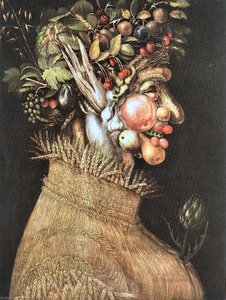
Nyár
 Akril vászonon
- Falfeliratok és faldekoráció
- Reneszánsz manierizmus
 1563
1563 508.0 x 670.0 cm
 Kunsthistorisches Museum
 Tovább olvasom
Kézzel készített olajfestmény reprodukció
Kézzel festett olajvastú vászon, az Ön által választott méretben és keretben, művészeink készítik meglévőre.




P118B $10

P118H $10

P118W $10

P438Z $10

P508JH $12

P508YH $12

P805H $10

P805Z $10

P919BZ $10

P919G $10

P919XJ $10

P959ZH $10

P968JZ $12

W106C $8

W218G $10

W218JH $8

W218Y $10

W307PJ $10

W316G $10

W316PJ $8

W316Y $10

W398PJ $8

W4111J $10

W500HY $15

W500JH $15

W692G $12

W849H $8

W940BG $15

W953PJ $8




Válasszon előre meghatározott méreteink közül, amelyek megfelelnek a műalkotás eredeti arányainak.

Ön megadhat saját méreteket egy adott kerethez vagy térhez igazításhoz. Ha a kiválasztott méret nem egyezik az eredeti kép arányával, akkor a műalkotást levágjuk, vagy további kézzel festett elemekkel meghosszabbítjuk a festményt. A gyártás megkezdése előtt küldünk Önnek egy digitális előnézetet jóváhagyásra.
Kérjük, vegye figyelembe, hogy a képernyőn megjelenő előnézet nem tükrözi a tényleges vágást vagy kiterjesztést. Csak az előnézet fog pontosan mutatni a végső kompozíciót.
Bár egyedi méretek állnak rendelkezésre, javasoljuk, hogy válasszon egy méretet az előre meghatározott listából az eredeti arányok megőrzése érdekében.
A rendelést követően a OriginalUniqueArt.com csapata e-mailt küld az ügyfélnek az instrukciókért, és biztosít egy előnézeti képet (mockup).
Világszerte elérhető szállítás () 3-4 hét alatt a szokásos 5 hét helyett. (21 július). A minőség nem kérdőjelezhető.

Ingyenes globális expressz szállítás

Prémium minőségű len vászon

Teljes szállítási biztosítás

Vámvisszatérítési Garancia

Tökéletes színpontosság garancia

60 napos visszaküldési lehetőség (csak gyártási hibák esetén)

100%-os pénzvisszatérítési garancia

Kedvezmény több termény esetén
 Az üvegkeretes opció csak 110 cm alatti méretben érhető el

Nyár
Reprodukciós technika
A reprodukció mérete
-


Összesített ár
-
A műalkotás leírása
Az évszakok portréja: Arcimboldo „Nyara” géniuszának feltárása
Giuseppe Arcimboldo 1563-ban festett „Nyara” nem csupán egy portré; egy magával ragadó, mélyen befogadó élmény. Milánóban született, családja művészeti hagyományai között nevelkedve – ősei között érsekek is voltak –, Arcimboldo megtörte a hagyományos portretisztaság szabályait, és helyette egy olyan egyedülálló stílust alkott, amely évszázadokkal később is lenyűgözésre és csodálatra készteti a nézőt. A bécsi Kunsthistorisches Museumban otthont nála lévő alkotás a vizuális alkímia mesterkurzusa, amely az emberi formát gyümölcsök, zöldségek és virágok vibráló, bőséges terményévé változtatja. Ez a mű művész innovatív megközelítésének bizonyítéka, és egyaránt ablak a reneszánsz intellektuális áramlataiba.
A festmény azonnal lenyűgöz bőségével. Arcimboldo aprólékosan rendez be egy hihetetlen választékú termést – a vörösre érő buja almákat, a melegséget áradó aranyló narancsokat, a mélylila szőlőfürtöket, a finom cseresznyéket, sőt, a brokkoli és a répa visszafogott zöldjét is – egy olyan alak arcára, akinek vonásai szándékosan el vannak takarva. Ez nem egy véletlenszerű gyűjtemény; minden egyes elem gondosan helyezkedik el, hogy felidézze a nyár lényegét: a hőt, a növekedést, a bőséget és az élet körforgását. A művész mesterien manipulálja a textúrákat és a színeket, mélység és térbeli érzéklet illúzióját keltve, amely magába vonja a nézőt ebbe az „ehető” tájformában.
Arisztotelészi visszhang: Harmónia a makrokosmoszban
Arcimboldo munkássága gyökerezik a reneszánsz filozófiában, különösen Arisztotelész gondkincseiben. Ő a mikrokosmosz (az apró) és a makrokosmosz (a nagy) közötti alapvető összefüggésekben hitt, azt sugallva, hogy minden dolog egymás tükre. A „Nyár” tehát nem csupán egy évszak ábrázolása; alegóriája a császári hatalomnak, amely tükrözi a természet termékenységét és vitalitását az ő uralma alatt. A gyümölcsök és zöldségek tűzforró vörösei és sárgái közvetlenül a tűzelemhez kapcsolódnak, képviselve az erőt, a szenvedélyt és a dominanciát. Az olyan elemek beemelése, mint a víz (amit a finom kék és zöld árnyalatok jelölnek), az egyensúlyról és a mértékletességről beszél, amelyek egy bölcs uralkodó elengedhetetlen tulajdonságai.
Ezt a szimbolikus szövetet tovább gazdagítja Giovanni Baptista Fonteo verse, amelyet II. Maximilián rendeltetett. Az 1569-ben írt versek kulcsfontosságú koncepcióként szolgáltak Arcimboldo projektjéhez. Ezek a sorok nemcsak a királyság feletti hatalmat ünnepelték, hanem a természet feletti uralkodást is – ami a isteni jog és az abszolút hatalom erőteljes metaforája volt. A művész ügyesen fordította ezeket a filozófiai gondolatokat egy olyan vizuális nyelvbe, amely egyszerre érthető és mélyen rezonált.
Az illúzió technikája: Egy összetett portré megalkotása
Arcimboldo technikája semmi más, mint csodálatos. Nem egyszerűen gyümölcsöket és zöldségeket festett egy arcra; egy egész fejet épített fel ezekből az elemekből, rétegezve őket a háromdimenziós hatás létrehozása érdekében. Minden egyes rész apró részletessége – egy levél egyedi erezete, egy narancs fényes csillogása – kimagasló festőmesteri tudását és a botanikai formák mély ismeretét demonstrálja. Az olajfesték használata lehetővé tette számára, hogy lenyűgöző realizmust érjen el ezen a fantasztikus kompozíción belül. Mesterlegességének igazolja, hogy a néző kezdetben a kompozíció tiszta szépsége miatt vonzódik hozzá, mielőtt felferné mögötte a tudatos művészi alkotást.
A díszleten túl: Egy maradandó örökség
A „Nyár” túlmutat egyszerű dekoratív darab státuszán; erőteljes kijelentés az emberiség és a természet, a hatalom és a felelősség közötti kapcsolatról. A 19. században újrafelfedezve, Arcimboldo munkássága generációk óta lenyűgözi a közönséget szellemi mélységével és találmányos szellemiségével. Ennek az ikonikus festménynek az ábrázolásai egyed Mul lehetőséget nyújtanak arra, hogy ezt a rendkívüli víziót behozzák otthonába vagy irodájába – vibráló emlékeztetőként a reneszánsz szépség iránti rajongására, szimbolikájára és a művészeti kifejezés határolatlanságára.
A művész életrajza
A World Reimagined: The Enigmatic Art of Giuseppe Arcimboldo
Giuseppe Arcimboldo, a name that conjures images both whimsical and profoundly strange, remains one of the most singular figures in Renaissance art. Born in Milan in 1527, his career unfolded against the backdrop of a Europe steeped in intellectual ferment, religious upheaval, and an insatiable curiosity about the natural world. While initially recognized for more conventional works – frescoes adorning cathedrals and portraits adhering to established courtly standards – Arcimboldo’s enduring legacy rests upon a series of composite heads constructed entirely from meticulously arranged objects: fruits, vegetables, flowers, books, even musical instruments. These weren't mere playful exercises in visual trickery; they were complex allegories, imbued with symbolism that resonated deeply within the Renaissance worldview and continue to fascinate audiences today. His father, Biagio Arcimboldo, was an artist himself, providing young Giuseppe with early artistic training and likely influencing his initial foray into design work for stained glass windows and frescoes at Milan Cathedral beginning around 1549. This foundational experience honed his technical skill and eye for detail—qualities that would become hallmarks of his later, more unconventional creations.Early Years and Artistic Foundations
Giuseppe Arcimboldo’s artistic journey began within a family steeped in the traditions of art. His father, Biagio Arcimboldo, was himself a painter, working primarily as a designer for stained glass windows and frescoes within the grand cathedral of Milan. This early exposure to craftsmanship and visual storytelling undoubtedly shaped young Giuseppe's developing skills. He received his initial training at the Duomo, learning the techniques of fresco painting and the intricacies of creating intricate designs for religious imagery. This period instilled in him a deep appreciation for detail, color theory, and the ability to translate complex ideas into visually compelling forms. It’s believed that this foundation in traditional artistic practices provided a crucial springboard for his later experimentation with more unconventional approaches. The influence of the Milanese art scene—a hub of creativity during the Renaissance—likely fostered a spirit of innovation and a willingness to challenge established norms, qualities that would ultimately define Arcimboldo's unique style.Courtly Commissions and the Rise of a Unique Style
Arcimboldo’s trajectory took a significant turn in 1562 when he was appointed court portraitist to Ferdinand I at the Habsburg court in Vienna. This marked the beginning of over two decades serving as an artistic polymath for three successive Habsburg rulers: Maximilian II and his son, Rudolf II. This appointment thrust him into the heart of European power, providing him with unparalleled access to imperial patronage and a stimulating environment for creative exploration. Beyond painting portraits – though even these often displayed subtle eccentricities – Arcimboldo’s duties encompassed costume design, festival decorations, and the organization of imperial collections. It was within this environment of refined taste and intellectual curiosity that his signature style began to blossom. The courtly demand for novelty and spectacle provided fertile ground for experimentation, allowing him to move beyond traditional portraiture towards the creation of his celebrated “composite heads.” These weren’t born from a sudden impulse but evolved gradually, building upon Renaissance fascination with puzzles, riddles, and the exploration of hidden meanings within seemingly ordinary objects. The influence of earlier artists who experimented with *trompe l'oeil* effects and distorted perspectives can be detected, yet Arcimboldo synthesized these elements into something entirely his own—a unique visual language that challenged conventional notions of representation.Decoding the Symbolism: More Than Meets the Eye
To dismiss Arcimboldo’s work as mere whimsicality is to overlook its profound intellectual depth. Each object within his composite portraits was carefully chosen, laden with symbolic meaning related to the sitter's character, profession, or social status. *The Librarian*, for example, isn’t simply a face constructed from books; it’s a subtle critique of scholarly pretension—a commentary on those who amass knowledge without truly engaging with its content. The animal tails forming the beard represent dusters, hinting at neglected volumes gathering dust on shelves. Similarly, his portraits of the seasons – particularly *Vertumnus*, depicting Emperor Rudolf II as the Roman god of gardens and change – are rich in botanical symbolism, reflecting the emperor’s patronage of science and natural history. These weren't intended to be immediately deciphered; they were designed to provoke contemplation, inviting viewers to unravel layers of meaning hidden within the seemingly playful arrangement of objects. The very act of constructing a human likeness from inanimate matter served as a meditation on the interconnectedness of all things—a reflection of Renaissance Neoplatonism’s belief in the underlying harmony of the universe.Legacy and Rediscovery: A Precursor to Surrealism
Despite his success during his lifetime, Arcimboldo's reputation waned in the centuries following his death in 1593. His work was often relegated to the realm of curiosities—appreciated for its technical skill but dismissed as lacking serious artistic merit. It wasn’t until the 20th century that a renewed appreciation for his art emerged, fueled by the rise of Surrealism. Artists like Salvador Dalí recognized in Arcimboldo a kindred spirit—a visionary who dared to challenge conventional perceptions and explore the subconscious through unexpected juxtapositions of imagery. The influence of Arcimboldo can be seen in Dalí’s own dreamlike compositions and his fascination with metamorphosis and illusion. Today, Arcimboldo is celebrated as a pivotal figure in art history—a precursor to Surrealism whose innovative use of symbolism and playful distortion continues to inspire artists and captivate audiences worldwide. His paintings are housed in prestigious museums such as the Kunsthistorisches Museum in Vienna and the Louvre in Paris, ensuring that his unique vision will continue to resonate for generations to come. His legacy is a testament to the enduring power of imagination and the ability of art to transform our understanding of the world around us.Key Achievements
* **Innovative Portraiture:** Arcimboldo revolutionized portrait painting by moving beyond traditional representations, creating composite heads that were both visually striking and intellectually stimulating. * **Symbolic Mastery:** His works are rich in symbolism, reflecting Renaissance philosophical ideas and offering layers of interpretation for viewers. * **Courtly Influence:** He served as a key artistic figure at the Habsburg court, shaping trends in design, decoration, and costume. * **Precursor to Surrealism:** His unconventional approach paved the way for later surrealist artists, demonstrating the power of dreamlike imagery and unexpected juxtapositions.
Arcimboldo
1527 - 1593 , Olaszország
Rövid tények
- Artistic Movement Or Style: Mannerizmus, Surrealizmus
- Artists Or Movements Influenced By This Artist: ['Salvador Dalí']
- Artists Who Influenced This Artist: ['Leonardo da Vinci']
- Date Of Birth: 1527. ápril 5.
- Date Of Death: 1593. július 11.
- Full Name: Giuseppe Arcimboldo
- Nationality: Olasz
- Notable Artworks:
- A négy évszak
- Könyvtár
- Vertumnus
- Place Of Birth: Milan, Olaszország
Kapcsolódó cikkek
Portrék világa: A 10 legikonikus műalkotás a lélek mélységeiről – OriginalUniqueArt.com
Fedezze fel a 10 legikonikus portré festményt! Ismerje meg Rembrandt, Leonardo da Vinci és más mesterek történetét. Klasszikus és modern műalkotások – OriginalUniqueArt.com minőségi reprodukciókkal. Otthoni dekoráció inspirációért tekintse meg a teljes gyűjteményünket!
A Reneszánsz 10 Legikonikusabb Műalkotása: Mesterművek a Falakon – OriginalUniqueArt.com
Fedezze fel a reneszánsz 10 legjelentősebb műalkotását! Leonardo da Vinci, Michelangelo és más mesterek remekművei – történetükkel, technikájukkal. Múzeumi minőségű reprodukciók otthonába a OriginalUniqueArt.com-on. Explore the full collection online!
A Reneszánsz Korai Gyöngyszemei: 10 Mestermű, Ami Megváltoztatta a Világot
Fedezze fel a korai reneszánsz 10 legikonikusabb műalkotását! Leonardo, Michelangelo és Botticelli remekművei elmesélnek egy új korszak történetét. Vászonképek, faliképek – inspirálódjon OriginalUniqueArt.com-on!
Botticelli Mesterművek: A 25 Leglenyűgözőbb Kép a Reneszánsz Gyöngyszemeiből | OriginalUniqueArt
Fedezze fel Sandro Botticelli 25 legpazarabb műalkotását! Merüljön el a reneszánsz festészet világában, ismerje meg a Primavera és Vénusz születése történetét. Museum-minőségű reprodukciók és inspiráló dekorációs ötletek a OriginalUniqueArt.com oldalon.
A Reneszánsz 10 Mesterműve: Festmények, Művészek és Otthoni Dekoráció Inspirációk
Fedezze fel a reneszánsz 10 legikonikusabb műalkotását! Leonardo da Vinci, Michelangelo és más mesterek festményeinek történeteit olvassa el. Inspirálódjon otthoni dekorációhoz – magas minőségű reprodukciók a OriginalUniqueArt.com-on!