

 Megtekintés
 Küldés
 Megosztás
 Részletek
 Útmutató

 Letöltés
 Hasonló darabok
 X-ray felvétel
 Diavetítés
 Statisztika
Boy Blowing Bubbles
 Acrylic On Canvas
- WallArt
- Dutch Golden Age
 1663
1663 184.0 x 257.0 cm
 Kunstpalast
 Összes részlet megjelenítése
Giclée / Műnyomat
Múzeumi minőségű giclée vagy vászonnyomat, gyors gyártással és rugalmas finomítási lehetőségekkel. ( Kézzel festett másolat rendelése Áttérés digitális képre)




P118B Ft10

P118H Ft10

P118W Ft10

P438Z Ft10

P508JH Ft12

P508YH Ft12

P805H Ft10

P805Z Ft10

P919BZ Ft10

P919G Ft10

P919XJ Ft10

P959ZH Ft10

P968JZ Ft12

W106C Ft8

W218G Ft10

W218JH Ft8

W218Y Ft10

W307PJ Ft10

W316G Ft10

W316PJ Ft8

W316Y Ft10

W398PJ Ft8

W4111J Ft10

W500HY Ft15

W500JH Ft15

W692G Ft12

W849H Ft8

W940BG Ft15

W953PJ Ft8




Válasszon előre meghatározott méreteink közül, amelyek megfelelnek a műalkotás eredeti arányainak.

Írja be a keretének vagy a falának megfelelő szélességet és magasságot. A nyomatot csak le lehet vágni, soha nem tehető nagyobbá, mint az eredeti kép, így egy eltérő alakú méretnél a kép egy része elveszik. Mielőtt bármit kinyatintanánk, küldünk egy digitális próbamodellt jóváhagyásra. Az oldalon látható kép nem tartalmazza a valós levágást — ezt csak a próbamodell mutatja meg.
Világszerte történő kiszállítás területére mindössze 2 hét alatt, a szokásos 4-5 hét helyett. (25 október)

Ingyenes globális expressz szállítás

Prémium minőségű len vászon

Teljes körű szállítási biztosítás

Vámvisszatérítési Garancia

Hiteles színarányosság garancia

100 napos visszaküldési lehetőség (csak hibás termékek esetén)

100% pénzvisszatérítési garancia

Több darab vásárlásakor kedvezmény
 Az üvegkeretes opció csak 110 cm alatti méretben érhető el

Boy Blowing Bubbles
Giclée / Műnyomat
Reprodukció mérete
-


Összesített ár
Ft 25642
A Moment Frozen in Time: Frans van Mieris’ ‘Boy Blowing Bubbles’
Frans van Mieris' “Boy Blowing Bubbles,” painted in 1663, isn’t merely a portrait; it’s a carefully constructed tableau of Dutch Golden Age life, brimming with subtle symbolism and an exquisite attention to detail that defines the artist’s signature style. Housed within the Mauritshuis in The Hague, this captivating scene invites us into a world where innocence dances alongside contemplation, and the ephemeral beauty of childhood is juxtaposed against deeper philosophical questions about mortality and the passage of time.
The ‘Fijnschilder’ Technique: A Masterclass in Illusion
Van Mieris was a leading figure in the “fijnschilder” movement, a group of Dutch painters known for their meticulous realism and mastery of illusionistic techniques. He achieved this through painstaking layering of glazes – incredibly thin washes of paint applied over dry layers – creating an astonishingly lifelike surface that seems to shimmer with depth and texture. Observe the delicate rendering of the boy’s skin, the subtle folds in his clothing, and the way the light catches on the bubbles themselves. Van Mieris didn't simply depict; he constructed a convincing illusion of reality, employing techniques borrowed from both painting and drawing – a testament to his rigorous training under Gerrit Dou.
Symbolism Woven into the Scene: A Tapestry of Meaning
The composition is rich with layered symbolism, reflecting the intellectual currents of 17th-century Holland. The boy, seemingly lost in a simple pleasure – blowing bubbles – represents fleeting joy and innocence. However, the artist subtly introduces an undercurrent of melancholy. The woman behind him, dressed in luxurious fabrics, holds a baby, suggesting motherhood and domesticity, yet her gaze is distant, hinting at the burdens of responsibility. The dog, a symbol of loyalty, stands attentively beside her, perhaps representing steadfastness amidst uncertainty. Even the objects within the room – the vases overflowing with flowers, the clock measuring the relentless march of time, and the window offering a glimpse to an unseen world – contribute to this complex web of meaning.
Contextualizing the Image: The ‘Paragone’ and the Illusion of Space
“Boy Blowing Bubbles” exists within the broader context of the “paragone,” a heated debate in 17th-century Europe concerning the relative merits of painting versus sculpture. Van Mieris, through his masterful manipulation of perspective and texture, powerfully demonstrated painting’s ability to create convincing illusions of space and depth – a skill that directly challenged the perceived superiority of three-dimensional sculpture. The window itself serves as a visual metaphor for this illusionistic prowess, inviting the viewer to step into the scene and contemplate its intricacies. The artist deliberately employs techniques reminiscent of Renaissance perspective, elevating painting’s status within the artistic hierarchy.
Beyond its technical brilliance and symbolic depth, “Boy Blowing Bubbles” evokes a profound sense of nostalgia for a bygone era – a poignant reminder of childhood's fleeting beauty and the inevitable passage of time. It is a work that continues to resonate with viewers today, offering a glimpse into the complexities of human experience and the enduring power of art to capture a single, unforgettable moment.
- Artist: Frans van Mieris the Elder
- Date: 1663
- Location: Mauritshuis, The Hague
- Medium: Oil on Panel
Learn more about the artwork at the Mauritshuis
Kérdések és válaszok
Mikor és milyen anyagokból készült a "Boy Blowing Bubbles"?
A "Boy Blowing Bubbles" 1663-ben készült, a Acrylic On Canvas technikáját alkalmazva. Az anyag és a dátum leírja, hogy az eredeti mű hogyan és mikor készült.
Elérhető diákok számára egy „Boy Blowing Bubbles”, Frans van Mieris alkotása információs adatlap?
A "Boy Blowing Bubbles" útmutatója a mű Útmutató oldala – egy kinyomtatható adatlap, amely bemutatja a művet a leírással, a szerzői megjegyzéssel és az azonosító táblázattal (művész, dátumok, technika, eredeti méret, gyűjtemény) együtt.
A „Boy Blowing Bubbles”, Frans van Mieris alkotása portré, tájékép vagy négyzet alakú kompozíció?
A „Boy Blowing Bubbles”, Frans van Mieris alkotása Portrait formátumú alkotás. A formátum a kompozíció arányait határozza meg.
A művész életrajza
A részletekbe merült élet: Idősebb van Mieris Frans világ
Idősebb van Mieris Frans, egy név, amely az aprólékos részletesség és a kifinomult művészet szinonimája, jelentős helyet foglalt el a holland aranykorban. 1635-ben Leidenben született, s élete az arcsú menet mellett az aranyásat, családi szakmát – amelyet apja, Jan Bastiaensz van Mieris gyakorolt – hagyta trásva a festészet lenyűgöző világának irányába. A rajzolás iránt mutatott korai hajlam megalapozta azt a karriert, amely meghatározta a „fijnschilder” stílust, és intim betekintést nyújtott a 17. századi holland társalomba. Abraham Toorenvliet alatt elsajátított kezdeti képzése, amelyet Gerrit Dou neves tanítása követett, olyan szilárd alapot teremtett, amelyre saját, egyedülálló művészi hangját építhette. Ezek a formálódó évek nemcsak technikai tudást impartáltak számára, hanem mély érzéket is fejlesztettek a narratív árnyalatok és a finom megfigyelések erejét illetően.A „fijnschilder” felemelkedése
Van Mieris hamarosan elismertté vált a fijnschilder – egy holland kifejezés, amely a „finom festészetet” jelenti – mestereként. Ezt a technikát az almost megszállott részletesség, a sima és polírozott ecsetvonások, valamint a kisebb méretű vásznak a preferálása határozta meg. Nem csupán a valóság másolásáról volt szó; a cél a valóság felemelése volt a kíméletlen precizitáson keresztül. Festményeiben a felületek úgy tűnik, mintha élettel csillognának: a szatén fényes ragyogása, a bársony finom textúrája, a fém csillanása – mindezt lenyűgöző pontossággal ábrázolta. Nem egyszerűen festett egy szobát; újraalkotta annak hangulatát is, meghívva a nézőt a családiasság és a jólét jeleneteibe. Témái gyakran a gazdagok életét forgatták körül: elegáns összejöveteleket, díszes belső tereket, portrékat ábrázolva, amelyek nemcsak a külső hasonlságot, hanem a karaktert is megörökítették. Az olyan ismétlődő motívumok, mint az osztrhagymás ebédek, az orvosok a betegek mellett, vagy a mindennapi feladatokban elmélyült nők, ablakokat nyitottak az felső osztály szokásai és társas rituáléi közé. Bár kezdetben erősen Gerrt Dou stílusától volt befolyásolva, van Mieris fokozatosan fejlesztette saját egyedi megközelítését. A túl 많 részletesség helyett a figurák közötti interakcióra és a kompozíciókban kibontakozó történetekre összpontosított. Későbbi művei néha sötétebb tónusokat mutatnak az korábbi, világosabb palettához képest, ami növekvő érettségét és művészi felfedződését tükrözi.Jelentős művek és maradandó örökség
Számos kulcsfontosságú alkotás áll van Mieris készségének és fejlődő stílusának bizonyítékaként. Az Orvos látogatása (1657), amely egyik korai és legfontosabb műve, bemutatja Dou befolyásától való feltörekvő függetlenségét. A festmény mesteri alkotás a medizin vizsgálat csendes feszültségének megörökítésében, lenyűgöző realizmusmal. Öntportré zitterrrel című műve éppoly lenyűgöző, demonstrálva képességét a pompás öltözet ábrázatására, miközben személyiséget és belső gondolkodást is közvetít. A Művész feleséjének, Cunera van der Cocknak készült portréja példaként szolgál portretisztaságának mesterességére, kiemelve a technikai tudást és a chiaroscuro – a fény és árnyék drámai játéka – értelmét. A műfajbeli jeleneteken és portrékon túl van Mieris allegorikus festményekbe is belemerült, például olyan bűnök ábrázolására, mint az ivás, a dohányzás vagy a szerencsejáték, bizonyítva művészi képességeinek szélességét. Idősebb van Mieris frans hatása messze túlmutatott saját élettartamán. Hatása visszhangzott családján belül is; fia, Willem van Mieris (1662–1747) és unoka внуja, Fiatalabb van Mieris Frans (1689–1763) is sikeres műfajfestők lettek, folytatva a művészeti hagyományt. Stílusának népszerűsége számos másolót is létrehozott, legkiemelkedebben A. D. Snaphaan, aki Lipében dolgozott és Anhalt-Dessau udvarának protektálásának részesült w.Tartós hozzájárulás a holland művészethez
Idősebb van Mieris kulcsszerepet játszott a holland aranykorú festészet fijnschilder mozgalmának kialakításában. Az aprólékos részletekhez való ragaszkodása, a mindennapi élet és az felső osztály társadalma realista ábrázolása, valamint technikai zsenialitása jelentős hozzájárulást nyújtott egy olyan korszakhoz, amely már önmagában is híres volt művészeti innovációjáról. Neves protektálói voltak, köztük Leopolde főherceg és III. Cosimo de' Medici, ami tehetségének nemzetközi elismertségét igazolja. Még ma is lenyűgözik a közönséget alkotásai, kiváló kézművességük és a 17. századi kultúra éleslátó ábrázolása miatt. Egy önportré ellopása a szydneyi New South Wales Művészeti Galériából fájdalmas emlékeztető művészetének tartós értékére és vonzerőre – egy olyan örökségre, amely ma is inspirálja és magával ragadja a gyűjtőket és a művészetszeretőket egyaránt. Festményei nem csupán történelmi relikviák; ablakokat nyitnak egy múltbéli korszakba, aprólékosan kidolgozva és időtlen szépséggel árasztva.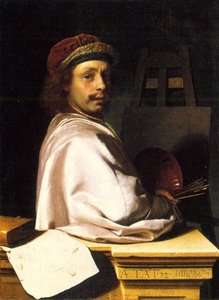
Frans van Mieris
1635 - 1681 , Holland
Rövid információk
- Artistic Movement Or Style: Fijnschilder
- Artists Or Movements Influenced By This Artist: ['Gerard Dou']
- Artists Who Influenced This Artist: ['Gerrit Dou']
- Date Of Birth: Leiden, 1635
- Date Of Death: Leiden, 1681
- Full Name: Frans Jansz. van Mieris
- Nationality: Nederlands
- Notable Artworks:
- A Man and a Woman with Two Dogs known as "Teasing the Pet"
- Doctor's Visit
- Place Of Birth: Holland
Kapcsolódó cikkek

Rembrandt legikonikusabb művei: 25 mestermű a vászonon – OriginalUniqueArt
Fedezze fel Rembrandt van Rijn 25 legikonikusabb művét! Barokk portrék, bibliai jelenetek és önarcképek a Holland aranykorból. Művészeti reprodukciók prémium minőségben – OriginalUniqueArt. Explore the full collection online!

Mastering Light & Shadow: A Journey Through the Dutch Golden Age's Luminous Legacy
Embark on a cultural journey through the Dutch Golden Age. Explore the masterful interplay of light and shadow in 17th-century masterpieces, from Rembrandt to Vermeer, and discover how this era of profound realism continues to inspire fine art collectors today.

A Hollandi Aranykor 10 Mesterműve: Festmények, Amelyek Megváltoztatták a Világot | OriginalUniqueArt.com
Fedezze fel a Hollandi Aranykor 10 legikonikusabb műalkotását! Rembrandt, Vermeer és más mesterek festményeinek történeteit olvassa el. Barokk stílus, klasszikus művészet – inspirálódjon otthon dekorációjához a OriginalUniqueArt.com-on! Fedezze fel a teljes gyűjteményt online.

Golden Light & Dutch Skies: The Timeless Magic of Dutch Golden Age Landscapes
Discover the breathtaking beauty of Dutch Golden Age landscapes. Explore the mastery of light, chiaroscuro, and 17th-century realism through an expert art history lens, celebrating the enduring legacy of the Dutch Masters for discerning collectors and art lovers.
Illuminating Innovation: Exploring the Dutch Golden Age of Painting
Explore the Dutch Golden Age of painting with OriginalUniqueArt. Discover Rembrandt, Vermeer & other Masters. Learn about key characteristics, iconic artworks, and lasting influence. Expert insights for collectors & enthusiasts.

