Cubism · 1924
Three Characters (Fernand Léger, 1924)
Three Characters művész Fernand Léger (1881–1955) alkotása. 1924-ből származik. A Cubism irányzat részeglye. Acrylic On Canvas anyagból készült.
- 1924
- Acrylic On Canvas

 Megtekintés

 Kézzel festett olajfestmény
 Küldés
 Megosztás
 Útmutató


 Letöltés
 Hasonló darabok
 X-ray felvétel
 Diavetítés
 Kérdések és válaszok

 Statisztika
Three Characters: alapvető információk
- Cím
- Three Characters
- Művész
- Fernand Léger (1881–1955)
- A művész születési helye
- Argentan, Franciaország
- Dátum
- 1924
- Műszerszínház
- Acrylic On Canvas
- Mozgalom
- Cubism
- Időszak
- Modern
- Téma
- geometric figures, modern composition, cubist style art, human interaction, bold color palette, everyday objects
Three Characters megtekintése
A Symphony of Form and Feeling: Exploring Fernand Léger’s “Three Characters”
Fernand Léger's 1924 painting, *“Three Characters,”* is a pivotal work exemplifying his distinctive contribution to Cubism – a style he uniquely evolved into what became known as ‘Tubism.’ More than just an exercise in geometric abstraction, this piece offers a compelling glimpse into the artist’s vision of modern life and human connection amidst industrialization.Deconstructing the Composition: Style & Technique
Léger masterfully employs simplified, cylindrical forms to depict three figures positioned closely together. This isn't about realistic representation; it’s a deliberate fragmentation and reassembly of reality through a Cubist lens. The painting eschews traditional perspective, presenting multiple viewpoints simultaneously within a flattened picture plane. The technique is characterized by smooth brushstrokes and carefully blended colors, creating a polished surface despite the angularity of the forms. This creates a sense of solidity and monumentality, grounding the abstracted figures.A Palette of Modernity: Color & Symbolism
While rooted in Cubism’s analytical approach, *“Three Characters”* distinguishes itself through its vibrant color palette. Léger moves beyond the muted tones often associated with early Cubism, embracing bold hues that inject energy and warmth into the composition. The inclusion of symbolic objects – a baseball bat and a book – adds layers of meaning. These aren’t merely decorative elements; they represent facets of everyday life, leisure, and intellectual pursuit, hinting at Léger's interest in portraying the modern individual within their environment. The figures themselves are not portraits but archetypes, representing universal aspects of human experience.Historical Context: Cubism & Beyond
Created in the aftermath of World War I, *“Three Characters”* reflects a broader cultural shift towards embracing modernity and industrialization. Léger, alongside Picasso and Braque, was at the forefront of the Cubist revolution, challenging traditional artistic conventions. However, he diverged from his peers by incorporating elements of machine aesthetics and popular culture into his work. His style evolved toward “Crystal Cubism,” emphasizing large, overlapping geometric planes and a strong focus on surface activity. This painting stands as a testament to that evolution, bridging the gap between abstract experimentation and representational form.Emotional Resonance & Lasting Influence
*“Three Characters”* evokes a sense of quiet contemplation and interconnectedness. Despite their abstracted forms, the figures possess a palpable presence, suggesting a shared experience or unspoken dialogue. The painting’s enduring appeal lies in its ability to resonate with viewers on an emotional level, prompting reflection on themes of identity, community, and the human condition. Léger's work profoundly influenced subsequent art movements, including Futurism, Abstract Art, and Surrealism, solidifying his legacy as a visionary artist who redefined the possibilities of painting in the 20th century.Collecting & Interior Design Considerations
- Style Compatibility: This artwork complements modern, minimalist, or Art Deco interiors. Its geometric forms and bold colors create a striking focal point.
- Color Palette Integration: The painting’s color scheme can be echoed in accent furniture, textiles, or wall colors to create a cohesive design aesthetic.
- Placement Suggestions: Ideal for living rooms, dining areas, or home offices. Consider pairing it with contemporary sculptures or abstract artwork.
- Investment Potential: As a seminal work by a highly influential artist, a high-quality reproduction of *“Three Characters”* represents not only an aesthetic addition but also a potential investment in art history.
Three Characters nagy felbontásban

Felfüggesztett szerzői jogok: a művész 1955-ben halt meg.
További méretek, kivágások és idézetforrás →Fernand Léger, Three Characters (1924). Public domain
Egy digitális szakértő az eredeti festménnyel összehasonlítja a színeket, majd a fájlt a művész vonalvezetésének hűen retusálja.
Megveszem a nagy felbontású képetThree Characters kapcsán felmerülő kérdések
Milyen nyomtatási méretet javasolunk a(z) „Three Characters”, Fernand Léger alkotása alkotáshoz?
A „Three Characters”, Fernand Léger alkotása ajánlott nyomtatási mérete: Large.
Mikor készült „Three Characters”, Fernand Léger alkotása, és milyen stílusú?
A "Three Characters" 1924-ben készült, a Cubism irányzat részeként.
Three Characters színei erőteljesnek vagy lágynak tűnnek?
A „Three Characters”, Fernand Léger alkotása színei Monochromatic intenzitásúak.
Miért van az, hogy a "Three Characters" szerzői jogi állapota ilyen?
A „Three Characters”, Fernand Léger alkotása közösségi tulajdon – a szerzői jog lejártt állapotban van. A szerzői jogi védelem időtartama a művész halálától számítódik, amely 1955 évben történt.
Milyen domináns alapszín jellemzi „Three Characters”, Fernand Léger alkotása alkotást?
A „Three Characters” egy Ochre to Sepia tónus felé hajlik.
Hol tudom letölteni a(t) „Three Characters”, Fernand Léger alkotása?
A „Three Characters”, Fernand Léger alkotása letölthető a mű Letöltés oldaláról, magas felbontású digitális kép letöltése formátumban.
Hová sorolható a "Three Characters" Fernand Léger ismétlődő témái közé?
Fernand Léger ismétlődő témái közé tartozik a exploration of flat planes, expansion of color usage, cubism's geometric forms, early 20th-century modernism, urban life & modernity, human connection & interaction; a „Three Characters” fókuszál a geometric figures, modern composition, cubist style art, human interaction, bold color palette, everyday objects, abstract forms témakörre.
Megtekinthetem a "Three Characters" alkotást részletesebben?
A „Three Characters”, Fernand Léger alkotása X-ray felvétel oldala egy interaktív nézegető, amely lehetővé teszi a mű alkotásának eleven optikai rétegei közötti görgetést, beleértve az röntgenszerű felvételt is.
Milyen helyet foglal el a művészettörténelemben a "Three Characters"?
Történelmileg a "Three Characters" a szélesebb körű Modern korszak Cubism alkotása.
A művészről: Fernand Léger

1881–1955, Franciaország
Fernand Léger
Fernand Léger életútja Fernand Léger története Argentan falujában kezdődik, amely az Alsó-Normandia Orne megyéjében található. 1881. február 4-én érkezett el erre a világra, egykori egykori egyke aszally. Korai éveket a francia vidék csendje és anyja, Marie-Adèle Daunou jelenléte formált, aki egy szentelett, s magvátozó természetű nő volt.
További művek: Fernand Léger
 A Város1919
 A Mechanikus1920
 Három nő1921
 Nők erdőben1910

Essays around Three Characters
 Fernand Léger Mesterművei: A 25 Legikonikusabb Kép a Modern Művészetben | OriginalUniqueArtFedezze fel Fernand Léger 25 legikonikusabb műalkotását! Ismerje meg a kubizmus, a tubizmus mesterét és a gépi kor lenyűgöző festményeit. M…
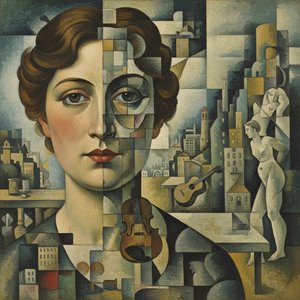 Deconstructing Reality: Cubism's Revolutionary Impact on 20th-Century ArtExplore the revolutionary world of Cubism with OriginalUniqueArt. Discover Picasso & Braque's groundbreaking techniques, its philosophical …
 Ipari hangulatú művészet: A 10 legikonikusabb alkotás a faladra | OriginalUniqueArtFedezze fel a 10 legikonikusabb ipari hangulatú műalkotást! Kandinsky, Léger és más mesterek festményeinek története. Szürke árnyalatok, gy…