Geometric Abstraction · 1954
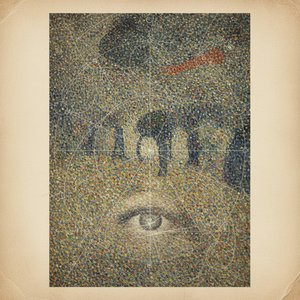
Study for the (Fernand Léger, 1954)
Fernand Léger (1881–1955) alkotása: Study for the 1954-ből származik. A Geometric Abstraction irányzathoz tartozik. Acrylic On Canvas anyagból készült. A műtárgyat a Caramulo, Portugália-i Museu do Caramulo-ben őrzik. Mérete 38 × 44 cm.
- 1954
- Acrylic On Canvas
- 38 × 44 cm
- Museu do Caramulo

 Megtekintés

 Kézzel festett olajfestmény
 Küldés
 Megosztás
 Információs lap


 Letöltés
 Hasonló darabok
 X-ray felvétel
 Diavetítés
 Kérdések és válaszok

 Statisztika
Study for the röviden
- Cím
- Study for the
- Művész
- Fernand Léger (1881–1955)
- A művész születési helye
- Argentan, Franciaország
- Dátum
- 1954
- Műszaki adatok
- Acrylic On Canvas
- Méretek
- 38 × 44 cm
- Megtekinthető helyszín
- Museu do Caramulo, Caramulo, Portugália
- Mozgalom
- Geometric Abstraction
- Téma
- musical performance, geometric forms, modern landscape, instrument ensemble, urban scene, animal presence
Mit ábrázol a Study for the ?
A Symphony of Form and Feeling: Exploring Fernand Léger’s “Study for Breakfast”
Fernand Léger's "Study for Breakfast," completed in 1954, transcends mere representation; it embodies the very spirit of Pointillism—a technique championed by Georges Seurat and embraced wholeheartedly by Léger as a means to convey dynamism and immediacy. This unassuming landscape isn’t simply depicted as it appears before our eyes; instead, Léger meticulously constructs it from countless tiny dots of pigment, creating an illusion of depth and texture that defies conventional painting methods. The resulting image pulsates with energy, mirroring the rhythms of daily life—a quiet morning scene rendered with astonishing precision. It's a masterful demonstration of how abstraction can serve as a conduit for emotion and observation simultaneously.- Style: Pointillism – Léger’s signature style prioritizes optical mixing over blending pigments on canvas, resulting in vibrant hues that shimmer and shift subtly under the light.
- Technique: Léger employed a painstaking process of applying dots of color—typically yellow, red, and blue—to build up layers of tonal variation. This method demanded immense patience and meticulous attention to detail, reflecting Léger’s unwavering commitment to his artistic vision.
Historical Context: Embracing Modernity Amidst Postwar Uncertainty
Created in the aftermath of World War II, “Study for Breakfast” speaks to a broader cultural preoccupation with rebuilding and redefining beauty after devastation. Léger’s stylistic choices—the geometric abstraction and the deliberate fragmentation of form—were deliberately antithetical to the prevailing artistic trends of his time, signaling a rejection of Impressionism's focus on fleeting sensations and an embrace of the machine age’s influence on visual perception. This bold stance positioned Léger as a pioneer of abstract expressionism, anticipating developments that would reshape the landscape of 20th-century art.Symbolic Resonance: The Quiet Power of Observation
Despite its apparent simplicity, “Study for Breakfast” is laden with symbolic significance. Léger’s use of dots—representing individual particles and conveying movement—suggests a fascination with scientific principles and an attempt to capture the underlying order of nature. The muted palette contributes to a mood of contemplative serenity, inviting viewers to contemplate the beauty found in everyday moments. It's a subtle reminder that even amidst turbulent times, art can offer solace and inspire wonder.Emotional Impact: Capturing Essence Through Precision
Ultimately, Léger’s “Study for Breakfast” succeeds in conveying an emotional resonance far exceeding its visual surface. The artist doesn’t aim to evoke sentimental feelings but rather to distill the essence of a scene—the feeling of warmth, light, and stillness—into a meticulously crafted composition. This achievement underscores Léger's profound understanding of how abstraction can communicate complex ideas and sensations with remarkable effectiveness. It remains an enduring testament to his artistic genius and a captivating example of Pointillist artistry.Melyik múzeumban található meg a Study for the ?
Museu do Caramulo
Caramulo, Portugália
Acél és lélek szimfóniája Portugália központjában, a Serra do Caramulo zöldellő, hullámzó dombjai között a Museu do Caramulo egy lélegzetelállító paradoxonként bukkan fel; oly olyan szentélyként, ahol a mechanika precizitása találkozik az emberi kreativitás mélységével. Ez nem csupán relikviák gyűjtőhelye, hanem egy élő párbeszéd két látszólag különálló világ között. A múzeumot az ármagyarító Abel és João de Lacerda testvérek alapították, akik alkotása egy olyan közös szenvedély bizonysága, amely nem ismer határokat a motor zúgása és az ecset vonás csendes eleganciája között.


Study for the nagy felbontású képei

Felfüggesztett szerzői jogok: a művész 1955-ben halt meg.
Egyéb méretek, kivágások és idézetforrás →Fernand Léger, Study for the (1954), Museu do Caramulo. Felfüggeszthető jogforrás
Study for the kapcsán felmerülő kérdések megválaszolva
Hol látható ma a(z) „Study for the”, Fernand Léger alkotása?
A „Study for the”, Fernand Léger alkotása eredeti darabja a Museu do Caramulo, Caramulo, Portugália gyűjteményében található. A reprodukció lehetővé teszi, hogy a mű otthonában is megjelenjen.
Mikor készült a "Study for the"?
A „Study for the”, Fernand Léger alkotása alkotásának éve 1954.
Milyen technikával készült a „Study for the”, Fernand Léger alkotása?
A „Study for the”, Fernand Léger alkotása technikája Acrylic On Canvas. A reprodukciók célja ezen technika megjelenítésének hiteles återadása.
Mekkora a mérete az eredeti „Study for the”, Fernand Léger alkotása alkotásnak?
A(z) "Study for the" eredeti mérete 38 x 44 cm. Az eredeti adatok hasznos referenciát nyújtanak a reprodukció méretének kiválasztásakor.
Mit ábrázol a "Study for the"?
A "Study for the" alkotás tárgyai: musical performance, geometric forms, modern landscape, instrument ensemble, urban scene, animal presence, domestic setting, pointillism technique.
A „Study for the” művészeti alkotás mentes a szerzői jogoktól?
A „Study for the”, Fernand Léger alkotása szerzői jogi státusza: a mű közösségi tulajdon – a szerzői jog lejártt. Ez határozza meg, hogy a kép másolatai szabadon készíthetők-e.
Ki a "Study for the" mögött álló művész?
A „Study for the” műtémét Fernand Léger alkotójának tulajdonítják.
Mely művészeti irány része a „Study for the”, Fernand Léger alkotása?
A „Study for the”, Fernand Léger alkotása a Geometric Abstraction irányzat része. Ez az irányzat adja a mű stilisztikai kontextusát.
Fernand Léger pályájának mely időszakához tartozik a „Study for the”?
A "Study for the" Fernand Léger pályájának a Mature Period szakaszába tartozik. Ez a besorolás összekapcsolja a művet a művész fejlődésével.
A művészről: Fernand Léger

1881–1955, Franciaország
Fernand Léger
Fernand Léger életútja Fernand Léger története Argentan falujában kezdődik, amely az Alsó-Normandia Orne megyéjében található. 1881. február 4-én érkezett el erre a világra, egykori egykori egyke aszally. Korai éveket a francia vidék csendje és anyja, Marie-Adèle Daunou jelenléte formált, aki egy szentelett, s magvátozó természetű nő volt.
Fernand Léger részletesen Fernand Léger legkiemelkedőbb művei
Fernand Léger további művei
 A Város1919
 A Mechanikus1920
 Három nő1921
 Nők erdőben1910

Study for the témában esszék
 Ipari hangulatú művészet: A 10 legikonikusabb alkotás a faladra | OriginalUniqueArtFedezze fel a 10 legikonikusabb ipari hangulatú műalkotást! Kandinsky, Léger és más mesterek festményeinek története. Szürke árnyalatok, gy…
 Georges Seurat: Pointillism, Perception & the Scientific Foundations of Modern ArtExplore the revolutionary art of Georges Seurat and the science behind Pointillism. Discover chromoluminarism, optical mixing, and the last…
 Mastering the Machine Age: The Top 25 Fernand Léger ArtworksImmerse yourself in the vibrant world of Fernand Léger. Explore 25 iconic masterpieces of Cubism and Tubism, from bold geometric forms to m…