Megtekintés
 Küldés
 Megosztás
 Részletek
 Útmutató

 Letöltés
 Hasonló darabok
 X-ray felvétel
 Diavetítés
 Statisztika
Tábla tanulmány
 Akril vászonon
- Falfeliratok és faldekoráció
- Swiss Symbolism
 1887
1887 30.0 x 19.0 cm
 Bosnia-Herzegovina Országos Galériája
 Összes részlet megjelenítése
Giclée / Műnyomat
Múzeumi minőségű giclée vagy vászonnyomat, gyors gyártással és rugalmas finomítási lehetőségekkel. ( Kézzel festett másolat rendelése Áttérés digitális képre)




P118B Ft10

P118H Ft10

P118W Ft10

P438Z Ft10

P508JH Ft12

P508YH Ft12

P805H Ft10

P805Z Ft10

P919BZ Ft10

P919G Ft10

P919XJ Ft10

P959ZH Ft10

P968JZ Ft12

W106C Ft8

W218G Ft10

W218JH Ft8

W218Y Ft10

W307PJ Ft10

W316G Ft10

W316PJ Ft8

W316Y Ft10

W398PJ Ft8

W4111J Ft10

W500HY Ft15

W500JH Ft15

W692G Ft12

W849H Ft8

W940BG Ft15

W953PJ Ft8




Válasszon előre meghatározott méreteink közül, amelyek megfelelnek a műalkotás eredeti arányainak.

Írja be a keretének vagy a falának megfelelő szélességet és magasságot. A nyomatot csak le lehet vágni, soha nem tehető nagyobbá, mint az eredeti kép, így egy eltérő alakú méretnél a kép egy része elveszik. Mielőtt bármit kinyatintanánk, küldünk egy digitális próbamodellt jóváhagyásra. Az oldalon látható kép nem tartalmazza a valós levágást — ezt csak a próbamodell mutatja meg.
Világszerte történő kiszállítás területére mindössze 2 hét alatt, a szokásos 4-5 hét helyett. (26 október)

Ingyenes globális expressz szállítás

Prémium minőségű len vászon

Teljes körű szállítási biztosítás

Vámvisszatérítési Garancia

Hiteles színarányosság garancia

100 napos visszaküldési lehetőség (csak hibás termékek esetén)

100% pénzvisszatérítési garancia

Több darab vásárlásakor kedvezmény
 Az üvegkeretes opció csak 110 cm alatti méretben érhető el

Tábla tanulmány
Giclée / Műnyomat
Reprodukció mérete
-


Összesített ár
Ft 25681
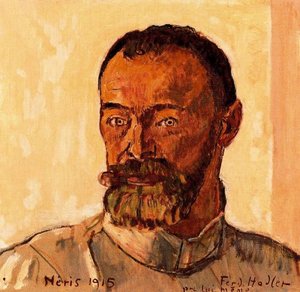
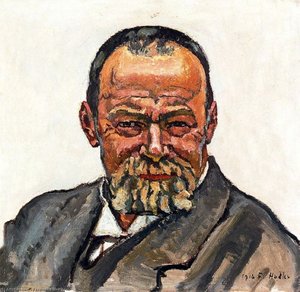
Ferdinand Hodler és az Ébresztő Szerződés Szimbolizmusának Nyoma
A svájci festészet története és szíve mélyén rejtező szimbolizmus hatalmas erővel szól minden művész lelkéhez, és Ferdinand Hodler alkotása bizonyítja ezt a tételt különösen jól. Az 1887-ben született Hodler nem csak egy kiváló művészi tehetség volt, hanem egy olyan ember is, aki mélyen foglalkozott az élet rövid időtartamával és halál nyugalmával – tapasztalatai pedig meghatározóan befolyásolták művészetét. Egy korai tragédia, amikor szülei és két fiatalabb ölével búcsúzott el még gyermekkorában, mély gondolatokat tanított el számára az örök élet és az idő múlását követő változásról. Ez a komplex érzés és megismerés jelentkezik Hodler művének minden egyes alkotásában, különösen pedig az Ébresztő Szerződés című művében. Ez a nagy előadású műalkotás egy férfi ül egy padon, kezét hátrahajló helyzetben tartja. Egy fehér ruhát visel és rövid nadrágot öltött fel. Hodler szigorúan következetesen alkalmazza az új irányzatokat és technikákat, melyeket akkoriban még csak ismertek voltak. Az Ébresztő Szerződés egy profi képet mutat be egy liikét végző férfinek, aki előkelő helyzetben ül és gondolatait vizsgálja le. Hodler műve nem egyszerű tájkép vagy életrajzi ábrázolás; hanem egy olyan művészi kifejezés módja, amely képes megközelíteni az emberi lélek mélyét és érzéseit. Az alkotó intenzív figyelme és érzékelése pedig minden egyes részletében jelenik meg, ami különösen nagy jelentőséget ad a művének. Hodler használ egy új technikát, melyet paralelizmusnak neveztek el – egy olyan módot, amely során az alkotó egyszerre több színt alkalmaz és különböző perspektívákat használ fel, hogy még erőteljesebb legyen az érzékiség és az építészet előadásának módja. A művészi irányzat szimbolizmusra helyezi át a hangsúlyt, mely egy olyan művészeti hagyomány része, amely nagyban befolyásolja Hodler alkotását és minden egyes részletét. Az Ébresztő Szerződés színeivel és fényével Hodler célja nem csak az öntudat és az érzelmek kifejezése; hanem egy olyan művészi megközelítés elősegítése, amely képes megérteni az élet szépségét és erőteljes voltát. Hodler műve egy időszak meghatározó alkotása, mely nagyban hozzájárul Szwajcia művészeti örökségéhez és egy új irányzat születéséhez – egy olyan művészi hagyományhoz, amely képes megközelíteni az emberi lélek mélyét és érzéseit. Hodler műve egy igazi klasszikusnak számít, mely minden egyes látókor számára különösen nagy élményt jelenthet és inspirációt adhat az otthon dekorálásához és művészeti alkotások megválasztásához. Egy kiváló színész előadásával Hodler művének szépsége és erőteljes volta még intenzívebbé válik, ami különösen nagy jelentőséget ad az alkotó számára és minden egyes látókor számára.- Ébresztő Szerződés – Ferdinand Hodler
- Képző művészet
- Szimbolizmus
- Paralelizmus
- Érzékiség és építészet előadása
Kérdések és válaszok
Milyen fényerő ébreszt fel „Tábla tanulmány”, Ferdinand Hodler alkotása alkotást?
Összességében a "Tábla tanulmány" alkotás ragyogó fényerőséget mutat. A tapasztalt fényerő azt írja le, hogy a mű mennyire tűnik világosnak vagy sötétnek.
Mely művészeti irányba és mely korszakba sorolható a „Tábla tanulmány”, Ferdinand Hodler alkotása?
A „Tábla tanulmány”, Ferdinand Hodler alkotása a Swiss Symbolism irányzat alkotása, mely alkotójának 19. század korszakából származik.
Melyik szín tűnik ki leginkább a(z) "Tábla tanulmány" alkotásból?
A(z) Sodródaruha (#a48766) a(z) „Tábla tanulmány”, Ferdinand Hodler alkotása domináns színe.
A művész életrajza
A Life Etched in Symbolism: The World of Ferdinand Hodler
Ferdinand Hodler, a name inextricably linked to the landscape of Swiss painting and the evocative language of symbolism, emerged from modest beginnings to become one of the most significant artists of the late 19th and early 20th centuries. Born in Bern, Switzerland, in 1853, his life was profoundly shaped by early loss – a recurring theme that would deeply inform his artistic vision. The untimely deaths of his father and two younger brothers before he reached adolescence cast a long shadow, instilling within him a contemplative awareness of mortality and the fleeting nature of existence. These experiences, interwoven with an acute sensitivity to the beauty and power of the natural world, became central tenets of his evolving oeuvre. Initially apprenticed to decorative painters, Hodler’s innate talent quickly transcended mere craftsmanship; he yearned for formal training and artistic exploration beyond the constraints of commercial work. This ambition led him to Geneva in 1871, where he immersed himself in study, attending science lectures alongside diligently copying masterpieces at the city's museum – a rigorous education that laid the foundation for his future innovations.From Realism to ‘Parallelism’: Forging a Unique Vision
Hodler’s artistic journey was characterized by constant evolution and an unwavering pursuit of expressive power. His early works reflected the prevailing realist style of the time – portraits, landscapes, and genre scenes executed with meticulous detail. However, he soon found himself constrained by these conventions, seeking a means to convey deeper emotional truths and philosophical ideas. This quest led him towards Symbolism, a movement that rejected naturalistic representation in favor of subjective experience and evocative imagery. Yet Hodler didn’t simply adopt the tenets of Symbolism; instead, he forged his own unique path, developing what he termed “parallelism.” This distinctive style involved arranging figures and forms in rhythmic, almost geometric patterns, creating a sense of both harmony and tension – a visual representation of interconnectedness. It was an attempt to depict not just *what* he saw, but *how* he felt – the underlying emotional currents that connected all things. The Night, completed in 1890, proved to be a pivotal work, marking his definitive turn towards symbolist imagery and sparking considerable controversy with its depiction of recumbent figures suggestive of death and repose. Despite initial criticism, the painting garnered attention in Paris, establishing Hodler’s reputation beyond Switzerland's borders and signaling the arrival of a truly original voice.Landmarks in Paint: Key Works and Their Significance
Throughout his prolific career, Hodler produced a remarkable body of work that continues to resonate with audiences today. The Day, completed in 1893, stands as one of his most ambitious and celebrated achievements – a monumental historical painting showcasing his mastery of composition and symbolism. Housed at the Kunsthaus Zürich, this artwork is a powerful meditation on life, death, and renewal, rendered with an arresting blend of realism and visionary intensity. The sheer scale and emotional weight of The Day cemented Hodler’s position as a leading figure in European art. Other notable works include numerous depictions of the Swiss Alps, imbued with a sense of awe-inspiring grandeur, and portraits that reveal his profound understanding of human psychology. He frequently revisited themes of loss and mourning, perhaps reflecting his own childhood traumas, but always infused them with a sense of dignity and resilience. His paintings weren’t merely representations; they were emotional landscapes, inviting viewers to contemplate the fundamental questions of existence. Works like Truth II (1897) demonstrate Hodler's ability to blend classical forms with modern sensibilities, creating images that are both timeless and strikingly contemporary – a testament to his innovative spirit.Influences and Historical Context
Hodler’s artistic development was shaped by a confluence of influences. His early training under Ferdinand Sommer instilled in him the fundamentals of landscape painting, while his study of works by Holbein, Titian, and Velázquez exposed him to classical techniques and compositional principles. However, it was his encounter with Symbolism that truly liberated his imagination. He drew inspiration from poets like Stéphane Mallarmé and Arthur Rimbaud, embracing their exploration of dreams, myths, and the subconscious. Hodler’s work also resonated with broader cultural currents of the late 19th and early 20th centuries – a period marked by rapid social change, scientific advancements, and a growing sense of existential anxiety. His paintings offered a visual language for grappling with these complex issues, providing solace and insight in an increasingly uncertain world. The rise of Expressionism in the early 20th century can be seen as a direct consequence of Hodler’s pioneering work in exploring subjective emotion and distorted forms.A Lasting Legacy
Ferdinand Hodler's influence extended far beyond the borders of Switzerland. His innovative use of symbolism and his development of “parallelism” paved the way for Expressionism, with its emphasis on subjective emotion and distorted forms. Artists who followed in his footsteps recognized him as a precursor to their own explorations of inner experience. Hodler’s work also resonated with broader cultural currents of the late 19th and early 20th centuries – a period marked by rapid social change, scientific advancements, and a growing sense of existential anxiety. His paintings offered a visual language for grappling with these complex issues, providing solace and insight in an increasingly uncertain world. Today, Hodler’s works are held in major museums across Europe and beyond, ensuring that his artistic vision continues to inspire and challenge generations of viewers. He remains a towering figure in Swiss art history, celebrated not only for his technical skill but also for his profound emotional depth and unwavering commitment to exploring the mysteries of the human condition.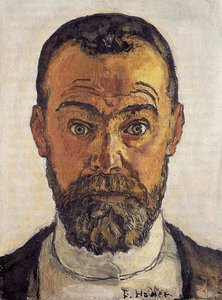
Ferdinand Hodler
1853 - 1918 , Svájc
Rövid információk
- Artistic Movement Or Style: Szimbolizmus, Parallélizmusa
- Artists Or Movements Influenced By This Artist: ['Expressionizmus']
- Artists Who Influenced This Artist:
- Courbet
- Gauguin
- Date Of Birth: 1853. március 14.
- Date Of Death: 1918. május 19.
- Full Name: Ferdinand Hodler
- Nationality: Svajci
- Notable Artworks:
- A Éjjel
- A Nap
- Igazság II
- Place Of Birth: Bern, Svájc
Kapcsolódó cikkek
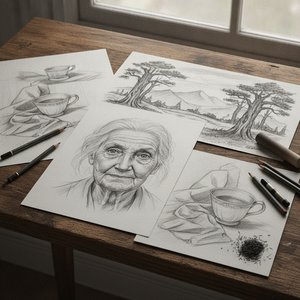
The Timeless Beauty of Pencil Sketches: Mastering the Art of Line, Shadow, and Tonal Depth
Explore the profound elegance of pencil and charcoal sketching. Discover how masters use line, shadow, and chiaroscuro to capture light and texture, bridging the gap between preparatory studies and timeless fine art masterpieces.
Leonardo da Vinci 25 Mesterműve: Festmények, Rajzok és a Reneszánsz Zsenije – OriginalUniqueArt.com
Fedezze fel Leonardo da Vinci 25 legikonikusabb művét! Ismerje meg a Mona Lisa, az Utolsó Vacsora és más reneszánsz remekművek történetét. Museum-minőségű reprodukciók és inspiráló otthon dekorációs ötletek – OriginalUniqueArt.com.

Ferdinand Hodler: Symbolism, Parallelism & the Quest for Universal Harmony
Explore the captivating world of Ferdinand Hodler, Swiss Symbolist painter renowned for his evocative landscapes & pioneering 'parallelism'. Discover his life, key works, and lasting influence on art history. Own a hand-painted reproduction today!
The Art of the Sketch: Capturing Raw Emotion and Movement through the Mastery of Line and Form
Explore the profound beauty of the sketch. Discover how masters use charcoal and graphite to capture raw emotion, anatomical precision, and fluid movement, bridging the gap between ephemeral marks and eternal oil masterpieces.
The Eloquent Line: Exploring the Artistic Significance of Sketches Across Movements and Media
Explore the profound artistic significance of sketches throughout history. From Renaissance masters to modern innovators like Van Gogh & Guston, discover how these foundational works reveal technique, emotion, and vision. Learn more at OriginalUniqueArt.