Academicism
Catch (Émile Munier)
Émile Munier (1840–1895) megalkotta: Catch. A Academicism irányzathoz tartozik.

 Megtekintés

 Kézzel festett olajfestmény
 Küldés
 Megosztás
 Információs lap


 Letöltés
 Hasonló darabok
 X-ray felvétel
 Diavetítés
 Kérdések és válaszok

 Statisztika
Catch röviden
- Cím
- Catch
- Művész
- Émile Munier (1840–1895)
- A művész születési helye
- Párizs, Franciaország
- Mozgalom
- Academicism
- Téma
- children
Catch nagy felbontású képei
Felfüggesztett szerzői jogok: a művész 1895-ben halt meg.
Émile Munier, Catch. Felfüggeszthető jogforrás
Catch kapcsán felmerülő kérdések megválaszolva
Mit ábrázol a "Catch"?
A „Catch”, Émile Munier alkotása alkotás témái közé tartozik a children. Ezek együtt foglalják össze a mű tárgyát.
A „Catch” művészeti alkotás mentes a szerzői jogoktól?
A szerzői jogokkal kapcsolatban a "Catch" mű közösségi tulajdon – a szerzői jog lejártt.
Ki készítette a(t): "Catch"?
A "Catch" alkotója Émile Munier. A mű Émile Munier nevére van katalógusozva.
Mely művészeti irány része a „Catch”, Émile Munier alkotása?
A "Catch" a Academicism egyik alkotása. A művészeti irány meghatározza azt a művészeti hagyományt, amelybe a mű beágyazódik.
Mi magyarázza a „Catch”, Émile Munier alkotása szerzői jogi helyzetét?
Émile Munier alkotása, a "Catch", közösségi tulajdon – a szerzői jog lejártt státuszban van. A szerzői jogi védelem a művész halálától számítod, Émile Munier pedig 1895 évben hunyt meg.
A művészről: Émile Munier

1840–1895, Franciaország
Émile Munier
Émile Munier: A Painter of Gentle Light and Timeless Innocence Émile Munier, a name perhaps less familiar than some of his contemporaries, nevertheless holds a significant place in the history of 19th-century French art. Born in the heart of Paris on June 2nd, 1840, he wasn’t merely an artist; he was a weaver of dreams, capturing fleeting moments of beauty and tenderness with a remarkable sensitivity that continues to resonate today. His life story is inextricably linked to artistic lineage – his father, Pierre François Munier, was a skilled upholsterer at the prestigious Gobelins Manufactory, a center for textile production renowned for its intricate designs and vibrant colors, while his mother, Marie Louise Carpentier, honed her craft polishing cashmere cloth. This familial connection to artistry instilled in young Émile, alongside his brothers François and Florimond, an innate inclination towards creative expression, a spark that would illuminate his entire career.
Émile Munier további művei
 A Tender Embrace1887
 the rescue1894
 Jesus
 Returning from the garden1875
Esszék a Catch körül
 Capturing a Vanishing World: The 25 Best Artworks by George CatlinExplore George Catlin's iconic Indian Gallery portraits. Discover these timeless Native American masterpieces on OriginalUniqueArt.com.
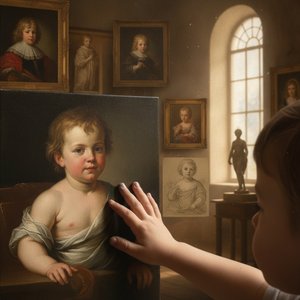 Capturing Innocence: An Art Historian's Guide to the World's Most Iconic Masterpieces of ChildhoodExplore the profound history of childhood through art's most iconic masterpieces. From Bruegel to Schiele, our expert guide delves into the…
 Academic Art: Tradition, Technique & the Pursuit of Ideal Form in the 19th CenturyExplore the world of Academic Art! Discover its history, key artists like Ingres & Bouguereau, defining techniques, and lasting influence o…