Contemporary Realism · 1928
Night Windows (Edward Hopper, 1928)
Edward Hopper (1882–1967) megalkotta: Night Windows. 1928-ből származik. A Contemporary Realism irányzathoz tartozik. Painting anyagból készült. A műtárgyat a New York, Amerikai Egyesült Államok-i MoMA - Museum of Modern Art-ben őrzik. Mérete 73 × 86 cm.
- 1928
- Painting
- 73 × 86 cm
- MoMA - Museum of Modern Art, New York

 Megtekintés

 Kézzel festett olajfestmény
 Küldés
 Megosztás
 Információs lap


 Letöltés
 Hasonló darabok
 X-ray felvétel
 Diavetítés
 Kérdések és válaszok

 Statisztika
Night Windows röviden
- Cím
- Night Windows
- Művész
- Edward Hopper (1882–1967)
- A művész születési helye
- Upper Nyack, Egyesült Államok
- Dátum
- 1928
- Műszaki adatok
- Painting
- Méretek
- 73 × 86 cm
- Megtekinthető helyszín
- MoMA - Museum of Modern Art, New York, Amerikai Egyesült Államok
- Mozgalom
- Contemporary Realism
- Időszak
- Modern
- Téma
- urban isolation, nocturne scene, window view, domestic interior, voyeurism, light darkness contrast
Mit ábrázol a Night Windows?
A Window Into Solitude: Exploring Edward Hopper’s Night Windows
Edward Hopper, a name synonymous with the quiet contemplation of modern existence, wasn't merely capturing landscapes; he was distilling the very essence of American urban life onto canvas. Born in Nyack, New York, in 1882, to parents steeped in Dutch heritage, his formative years instilled within him an unwavering dedication to observation and artistic expression—a passion evident from his earliest sketches meticulously documented and signed. Initially steered toward commercial illustration by his pragmatic family, Hopper’s artistic aspirations stubbornly clung to the realm of fine art, propelling him towards the New York School of Art where he honed his skills under William Merritt Chase and Robert Henri. These influential mentors fostered not only technical proficiency but also a profound appreciation for realism and a commitment to portraying the world as perceived through a discerning eye—a perspective that would define his oeuvre.- Subject Matter: Hopper’s ‘Night Windows,’ painted in 1928, presents a deceptively simple scene: a woman seated alone in a chair overlooking another room bathed in the muted glow of lamplight. This seemingly unremarkable tableau belies its significance as a cornerstone of Hopper's nocturne series and, crucially, embodies his masterful exploration of urban isolation.
- Style & Technique: Executed in stark black and white—a deliberate choice reflecting Hopper’s stylistic preference for tonal realism—the painting utilizes precise linework and subtle shading to create a palpable sense of atmosphere. The artist eschews dramatic lighting effects, favoring instead the diffused illumination characteristic of city nights, thereby amplifying the feeling of quiet detachment.
Historical Context & Influences
‘Night Windows’ resides firmly within the broader context of Hopper's artistic journey—a period marked by a fascination with American realism and an admiration for Impressionist masters like Degas. Hopper’s own stylistic sensibilities were profoundly shaped by these influences, mirroring Degas’s preoccupation with capturing fleeting moments of everyday life and conveying psychological nuance. The painting speaks to the anxieties and uncertainties prevalent in the Jazz Age, reflecting a societal shift toward individualism and questioning traditional social norms—themes that resonate powerfully even today.- Symbolism: Hopper’s masterful use of visual language transcends mere depiction; it communicates profound symbolic ideas. The woman's posture – slumped slightly, her gaze fixed on the distant figure – embodies a poignant stillness, mirroring the pervasive loneliness experienced by individuals navigating the complexities of urban life. Furthermore, the breeze rustling through the window serves as a subtle reminder of movement and connection—a counterpoint to the overarching sense of isolation.
- Reception & Significance: Contemporary critics recognized ‘Night Windows’ for its evocative power, describing it as “one of those glimpses into other lives which one suddenly catches from the window of a passing El,” capturing “that momentary sense of the mystery and intensity of the thousands of lives pressing close to each other.” This astute observation encapsulates Hopper's ability to distill the essence of New York City—a feat achieved through meticulous detail and understated emotional resonance.
Emotional Impact & Legacy
Ultimately, ‘Night Windows’ transcends its formal elements to deliver a deeply affecting experience for the viewer. It invites contemplation on themes of solitude, observation, and unspoken connection—questions that continue to intrigue audiences decades after its creation. Hopper's enduring legacy rests upon his unwavering commitment to portraying human experience with unflinching honesty and sensitivity—a testament to his artistic genius and his profound understanding of the human condition. Its timeless appeal ensures that ‘Night Windows’ will forever hold a place among the most celebrated images of 20th-century art.Melyik múzeumban található meg a Night Windows?
MoMA - Museum of Modern Art
New York, Amerikai Egyesült Államok
A Modernitás Szentélye: A New York-i Művészeti Múzeum Szellemének Feltárása New York Midtown Manhattan szívverése között a Művészeti Múzeum (MoMA) jóval több, mint egyszerű műkincsek tárháza; ez az emberi kifejezés kitartó lelke és állandó ereje iránti mély tisztelet megtestesítője. 1929-ben látványos filantrópok által alapított a múzeum nem csupán intézményként jelent meg, hanem egy határozott kijelentésként: egy olyan dedikált térként, mely kizárólag a radikális, kihívást jelentő és mélyen befolyásoló műveket fogadja be, melyek a jövőt formálják. A Heckscher épület szerény kezdeteitől a múzeum lenyűgöző építészeti remekművére és globálisan elismert mérföldkővé vált, meghívva látogatókat egy mélyenszántó utazásra több mint egy évszázadnyi művészi fejlődésen keresztül – egy folyamatos történetet szövődve a forradalmi mozgalmakból és az egyéni zsenialitásból.


Night Windows nagy felbontású képei

Protected by copyright: these files are for personal reference, not a licence to republish.
Edward Hopper, Night Windows (1928), MoMA - Museum of Modern Art.
Night Windows kapcsán felmerülő kérdések megválaszolva
Hol látható ma a(z) „Night Windows”, Edward Hopper alkotása?
A „Night Windows”, Edward Hopper alkotása kiállítva található a MoMA - Museum of Modern Art, New York, Amerikai Egyesült Államok-ben. A múzeumi hivatkozás az eredeti műre vonatkozik, nem a reprodukciókra.
Melyik évben készült a „Night Windows”, Edward Hopper alkotása?
A "Night Windows" 1928-ban készült. Ez az időpont meghatározó jelentőséggel bír Edward Hopper pályájában és az adott korszak kontextusában is.
Milyen technikával készült a(z) „Night Windows”, Edward Hopper alkotása?
A „Night Windows”, Edward Hopper alkotása technikája Painting. A reprodukciók célja ezen technika megjelenítésének hiteles återadása.
Mekkora méretű az eredeti "Night Windows"?
A(z) "Night Windows" eredeti mérete 86 x 73 cm. Az eredeti adatok hasznos referenciát nyújtanak a reprodukció méretének kiválasztásakor.
Mit ábrázol a "Night Windows"?
A "Night Windows" alkotás tárgyai: urban isolation, nocturne scene, window view, domestic interior, voyeurism, light darkness contrast, quiet contemplation, american realism.
Szabadon reprodukálható-e a/az „Night Windows”, Edward Hopper alkotása képe?
A „Night Windows”, Edward Hopper alkotása még szerzői jog védi státuszú mű. Ez a jogi státusz határozza meg, hogy a mű képmásolata hogyan reproduzható.
Ki készítette a(t): "Night Windows"?
A "Night Windows" alkotását Edward Hopper készítette. Az ezen az oldalon található információk Edward Hopper eredeti művészetét mutatják be.
Mely művészeti irányba tartozik a „Night Windows”, Edward Hopper alkotása?
A „Night Windows”, Edward Hopper alkotása művészeti irányata a Contemporary Realism. Ez a klasszifikáció a művet a kapcsolódó alkotók és alkotások közé sorolja.
Edward Hopper pályájának mely időszakához tartozik a „Night Windows”?
Edward Hopper pályaművében a „Night Windows” a Mature Period korszakba tartozik. Ez az időszak segít összehasonlíthatóvá tenni a művet a művész többi alkotásával.
A művészről: Edward Hopper
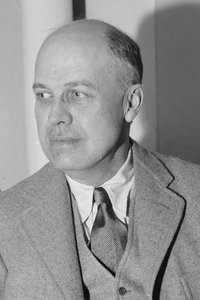
1882–1967, Egyesült Államok
Edward Hopper
Az amerikai táj csendje Edward Hopper az Egyesült Államokban, Upper Nyackban született. Korai éveit a világ megfigyelésével töltötte, folyamatos és megfigyelő tekintettel, egy olyan szokással, amely már gyermekkori vázlatokból indulva, pontos dátumokkal és aláírásokkal jegyzették meg. Bár szülei a grafikai ágazatban látott, praktikusabb utat javasoltak számára, ő a tiszta művészet felé helyezte el elméletét. A New York School of Art-on William Merritt Chase és Robert Henri alatt tanult.
Edward Hopper részletesen Edward Hopper legkiemelkedőbb művei
Edward Hopper további művei
 Edward Hopper1942
 Automat (kicsi)
 Ház a vasút mellett1925
 New York Movie1939
Esszék a Night Windows körül
 Mastering Solitude: The Top 25 Iconic Artworks by Edward HopperStep into the quiet world of American Realism with our curated guide to the top 25 Edward Hopper artworks. Explore the light, shadow, and s…
 10 Iconic Masterpieces That Defined American RealismJourney through the soul of American Realism. Explore 10 iconic masterpieces, from Edward Hopper to classic landscapes, and learn the stori…
 10 Iconic Masterpieces That Defined Contemporary RealismJourney through the soul of Contemporary Realism. Explore 10 iconic masterpieces, their legendary artists, and the breathtaking techniques …