

 Megtekintés
 Küldés
 Megosztás
 Részletek

 Letöltés
 Hasonló darabok
 X-ray felvétel
 Diavetítés
 Statisztika
Elijah in the Wilderness
 Oil
Oil- WallArt
- Pre-Raphaelite Academicism
 1878
1878- 19th Century
 210.0 x 235.0 cm
 Walker Art Gallery
 Összes részlet megjelenítése
Kézzel készített olajfestmény reprodukció
Kézzel festett olajvastú vászon, az Ön által választott méretben és keretben, művészeink készítik meglévőre. ( Áttérés Nyomtatványra Áttérés digitális képre)




P118B $10

P118H $10

P118W $10

P438Z $10

P508JH $12

P508YH $12

P805H $10

P805Z $10

P919BZ $10

P919G $10

P919XJ $10

P959ZH $10

P968JZ $12

W106C $8

W218G $10

W218JH $8

W218Y $10

W307PJ $10

W316G $10

W316PJ $8

W316Y $10

W398PJ $8

W4111J $10

W500HY $15

W500JH $15

W692G $12

W849H $8

W940BG $15

W953PJ $8




Válasszon előre meghatározott méreteink közül, amelyek megfelelnek a műalkotás eredeti arányainak.

Ön megadhat saját méreteket egy adott kerethez vagy térhez igazításhoz. Ha a kiválasztott méret nem egyezik az eredeti kép arányával, akkor a műalkotást levágjuk, vagy további kézzel festett elemekkel meghosszabbítjuk a festményt. A gyártás megkezdése előtt küldünk Önnek egy digitális előnézetet jóváhagyásra.
Kérjük, vegye figyelembe, hogy a képernyőn megjelenő előnézet nem tükrözi a tényleges vágást vagy kiterjesztést. Csak az előnézet fog pontosan mutatni a végső kompozíciót.
Bár egyedi méretek állnak rendelkezésre, javasoljuk, hogy válasszon egy méretet az előre meghatározott listából az eredeti arányok megőrzése érdekében.
A rendelést követően a OriginalUniqueArt.com csapata e-mailt küld az ügyfélnek az instrukciókért, és biztosít egy előnézeti képet (mockup).
Világszerte elérhető szállítás () 3-4 hét alatt a szokásos 5 hét helyett. (19 szeptember). A minőség nem kérdőjelezhető.

Ingyenes globális expressz szállítás

Prémium minőségű len vászon

Teljes körű szállítási biztosítás

Vámvisszatérítési Garancia

Hiteles színpontosság garancia

100 napos visszaküldési lehetőség (csak hibás termékek esetén)

100% pénzvisszatérítési garancia

Több darab vásárlása esetén kedvezmény
 Az üvegkeretes opció csak 110 cm alatti méretben érhető el

Elijah in the Wilderness
Reprodukciós technika
Reprodukció mérete
-


Összesített ár
$ 300
A Vision of Faith Amidst Desolation
In the vast, silent expanse of the biblical wilderness, where the heat of the sun meets the parched earth, Sir Frederic Lord Leighton captures a moment of profound spiritual intersection. Elijah in the Wilderness, completed in 1878, is far more than a mere illustration of scripture; it is a monumental exploration of human vulnerability and divine grace. The painting presents the prophet Elijah, exhausted after forty days of fasting and prayer, reclining upon a rugged, rocky outcrop. In this state of physical depletion, he becomes a vessel for the divine, as two celestial messengers descend from the heavens to offer sustenance and reassurance. Leighton masterfully weaves the tension between the harsh, desolate landscape and the ethereal presence of the angels, creating a scene that resonates with anyone who has ever sought strength in moments of profound isolation.
The emotional weight of the piece lies in its ability to evoke a sense of quietude and reverence. As the viewer gazes upon the weary figure of Elijah, there is an immediate connection to the universal experience of struggle and the subsequent hope found in unexpected mercy. The presence of the angels, bearing bread and grapes, serves as a powerful symbol of compassion, suggesting that even in our most desolate hours, we are not truly alone. For the collector or interior designer, this artwork offers a centerpiece of contemplative beauty, capable of anchoring a room with its solemn dignity and its ability to inspire deep reflection.
Mastery of Light and Texture
Technically, Leighton’s work is a triumph of the Victorian Pre-Raphaelite tradition, characterized by an extraordinary attention to detail and a luminous approach to color. The artist employs sfumato—a technique designed to soften edges and create atmospheric depth—to ensure that the transition between the earthly realm of stone and sand and the heavenly realm of the angels feels seamless and dreamlike. This subtle gradation of light allows the viewer to feel immersed in the very atmosphere of the wilderness, where the air seems heavy with both heat and holiness.
The tactile quality of the painting is equally remarkable. Leighton meticulously renders the contrasting textures that define the composition: the rough, unforgiving surface of the sun-scorched rocks stands in stark opposition to the smooth, flowing drapery of Elijah’s robes and the delicate, almost translucent skin of the celestial visitors. Through his expert use of oil on linen, he achieves a brilliance in the color palette—from the warm, earthy tones of the desert to the ethereal glow surrounding the divine figures—that breathes life into the canvas. This interplay of light and texture ensures that the reproduction remains a vibrant, captivating element in any high-end art collection.
A Legacy of Classical Grandeur
To understand the depth of Elijah in the Wilderness, one must consider the artist’s own journey. Sir Frederic Lord Leighton was a figure of immense prestige in the 19th-century art world, a man whose life was steeped in the classical traditions of Europe. His education and travels allowed him to blend academic precision with a romantic sensibility, making him a master of historical and biblical narratives. This painting stands as a cornerstone of his oeuvre, representing the pinnacle of his ability to elevate a religious narrative into a humanist emblem of moral fortitude.
For those seeking to adorn a space with art that speaks of history, intellect, and spiritual resilience, this work provides an unparalleled opportunity. It is a piece that transcends time, offering a window into the Victorian soul and a timeless reminder of the enduring power of faith. Whether placed in a grand library, a quiet study, or a sophisticated living area, Leighton’s masterpiece continues to command attention, inviting all who behold it to pause, breathe, and find peace within its magnificent, sun-drenched landscape.
A művész életrajza
A Life Bathed in Light: The World of Sir Frederic Leighton
Frederic Leighton, a name synonymous with Victorian elegance and classical grandeur, was born into a world of privilege in Scarborough, England, in 1830. His lineage—his grandfather serving as physician to the Russian Tsars—provided an unparalleled foundation for his artistic pursuits, a rarity in the often-challenging life of a 19th-century artist. This fortunate circumstance allowed him to embark on extensive travels across Europe – Italy, Germany, and France – immersing himself deeply within the currents of artistic innovation and classical study. These formative years were crucial; under masters like Eduard von Steinle and Giovanni Costa, he meticulously honed his distinctive style—a captivating blend of academic precision, Pre-Raphaelite sensuality, and a profound reverence for antiquity. A particularly memorable encounter occurred at seventeen when he met the notoriously reclusive philosopher Arthur Schopenhauer in Frankfurt, resulting in the only known full-length portrait of the thinker – an event hinting at the intellectual depth and philosophical inquiries that would consistently inform his art. Leighton’s work wasn't merely decorative; it was a deliberate exploration of human emotion, mythology, and the enduring power of beauty.The Painterly Embrace of Myth and History
Leighton’s artistic career flourished during an era deeply enamored with historical narratives, biblical tales, and classical mythology. He didn’t simply illustrate these subjects; he *inhabited* them, dedicating himself to exhaustive research into costumes, settings, and the subtle nuances of ancient life. His paintings weren't mere depictions—they were immersive experiences, transporting viewers to worlds populated by gods, heroes, and forgotten empires. Consider Clytie, perhaps his most celebrated work – a poignant portrayal of the nymph transformed into a sunflower, eternally yearning for Apollo’s gaze. The painting is far more than a beautiful image; it's an exploration of unrequited love, longing, and the transformative power of nature, rendered with breathtaking detail and a luminous quality that seems to emanate from within. Similarly, The Daphnephoria showcases his mastery of composition, color, and movement, depicting a procession honoring Apollo – a scene brimming with vibrant energy and meticulously researched details. Leighton’s approach was characterized by an almost obsessive attention to realism; he strived for an accuracy that bordered on photographic, yet always imbued his scenes with a sense of idealized beauty. He wasn't afraid to embrace opulent textures, rich fabrics, and dramatic lighting – elements that contributed significantly to the sheer visual splendor of his work.Beyond the Canvas: Sculpture and Architectural Vision
While primarily recognized as a painter, Leighton’s artistic ambitions extended far beyond the confines of two-dimensional canvas. He possessed considerable sculptural talent, and his Athlete Wrestling with a Python, completed between 1888 and 1891, stands as a pivotal work in British sculpture—often credited with initiating a renaissance in contemporary sculptural practice known as the “New Sculpture.” This magnificent piece, carved from pristine white marble, embodies both physical power and dramatic tension. The sculpture’s dynamic pose and realistic musculature were revolutionary for its time, moving away from the more static forms of earlier Victorian sculpture. However, Leighton's creative vision didn’t stop at sculpture; he was a passionate collector of art and artifacts, particularly those originating from the Near East. These treasures weren’t simply displayed—they were integrated into the very fabric of his home, Leighton House in Holland Park, London. Designed by George Aitchison, Leighton House is itself a masterpiece – a stunning example of Aestheticism that served as both a residence and a studio. The iconic Arab Hall, with its intricate tilework and soaring arches, stands as a testament to Leighton’s eclectic tastes and his desire to create a total work of art—an environment designed to inspire and nurture his creativity.Legacy and the Echoes of an Era
Leighton's influence on British art was immense. He served as President of the Royal Academy from 1878 until his death in 1896, a position he held with distinction, championing artistic excellence and fostering a vibrant creative community. His knighted status in 1878, followed by a baronetcy in 1886, and finally, an unprecedented hereditary peerage just days before his passing, underscored the immense respect he commanded within the art world and beyond. While his work experienced a period of relative obscurity after his death, eclipsed by the rise of modernism, there has been a significant resurgence of interest in Leighton’s art in recent decades. Today, his paintings and sculptures are celebrated for their technical brilliance, their evocative power, and their ability to transport viewers to worlds of beauty and wonder. His legacy is not merely one of aesthetic achievement but also of a life dedicated to the pursuit of beauty, knowledge, and artistic innovation – a truly remarkable figure in British art history.- His works continue to inspire artists and captivate audiences around the globe.
- Leighton House Museum stands as a lasting tribute to his artistic vision and remains a vital cultural landmark.
- He represents a fascinating intersection of Victorian ideals, classical influences, and Pre-Raphaelite sensibilities—a unique voice in the history of British art.

Leighton
1830 - 1896 , Egyesült Királyföld
A művészről röviden
- Artistic Movement Or Style: Akadémiai, Prerafaelista
- Artists Or Movements Influenced By This Artist: ['Új szobrászat']
- Artists Who Influenced This Artist:
- Steinle
- Costa
- Date Of Birth: 1830. december 3.
- Date Of Death: 1896. jan. 25.
- Full Name: Sir Frederic Lord Leighton
- Nationality: Angol
- Notable Artworks:
- Flaming June
- Clytie
- Athléta pythonnal
- Place Of Birth: Scarborough, Anglia
Kapcsolódó cikkek

Dante Gabriel Rossetti 25 Mesterműve: Szépség és Lelkiség a Vásznon – OriginalUniqueArt
Fedezze fel Dante Gabriel Rossetti 25 legszebb művészeti alkotását! Ismerje meg a prerafaeliták titkait, a viktoriánus festészet szépségét és a romantikus szimbolizmus mélységeit. Prémium minőségű art reprodukciók a OriginalUniqueArt-on – inspiráció otthonába!
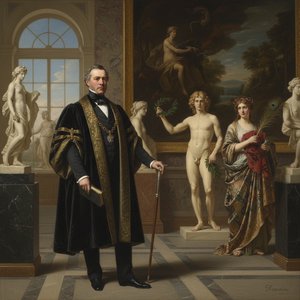
Sir Frederic Leighton: Aestheticism, Academic Mastery & Victorian Masculinity
Explore the life & art of Sir Frederic Leighton, a master of Victorian Aestheticism. Discover his academic training, sculptural innovations, and captivating depictions of beauty. Expert insights for collectors.

The Enduring Form: Exploring Themes & Techniques in Sculpture Across Historical Periods
Explore the rich history of sculpture from ancient masterpieces to contemporary innovations. Discover key techniques, influential artists & investment potential for discerning art collectors.

A művészettörténet 10 legikonikusabb bronzszobra – OriginalUniqueArt.com
Fedezze fel a művészettörténet 10 legikonikusabb bronzszobrát! Ismerje meg Rodint, Michelangelót és más mestereket. Luxus minőségű nyomatok otthonába – OriginalUniqueArt.com.

A művészettörténet 10 legikonikusabb bronzszobra – OriginalUniqueArt.com
Fedezze fel a művészettörténet 10 legikonikusabb bronzszobrát! Ismerje meg Rodin, Michelangelo és más mesterek alkotásait. Luxus minőségű reprodukciók otthonába – OriginalUniqueArt.com.