

 Előnézet
 Megosztás
 Megosztás
 Részletek
 Útmutató

 Letöltés
 Hasonló darabok
 X-ray felvétel
 Diavetítés
 Statisztika
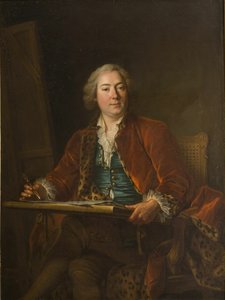
Self-Portrait
 Oil On Canvas
- WallArt
- Rococo
 1762
1762 88.0 x 72.0 cm
 Hermitázsmúzeum
 Tovább olvasom
Giclée / Műnyomat
Múzeumi minőségű giclée vagy vászonnyomat, gyors gyártással és rugalmas finomítási lehetőségekkel. ( Kézzel festett másolat vásárlása Áttérés digitális képre)




P118B Ft10

P118H Ft10

P118W Ft10

P438Z Ft10

P508JH Ft12

P508YH Ft12

P805H Ft10

P805Z Ft10

P919BZ Ft10

P919G Ft10

P919XJ Ft10

P959ZH Ft10

P968JZ Ft12

W106C Ft8

W218G Ft10

W218JH Ft8

W218Y Ft10

W307PJ Ft10

W316G Ft10

W316PJ Ft8

W316Y Ft10

W398PJ Ft8

W4111J Ft10

W500HY Ft15

W500JH Ft15

W692G Ft12

W849H Ft8

W940BG Ft15

W953PJ Ft8




Válasszon előre meghatározott méreteink közül, amelyek megfelelnek a műalkotás eredeti arányainak.

Írja be a keretének vagy a falának megfelelő szélességet és magasságot. A nyomatot csak le lehet vágni, soha nem tehető nagyobbá, mint az eredeti kép, így egy eltérő alakú méretnél a kép egy része elveszik. Mielőtt bármit kinyatintanánk, küldünk egy digitális próbamodellt jóváhagyásra. Az oldalon látható kép nem tartalmazza a valós levágást — ezt csak a próbamodell mutatja meg.
Világszerte történő kiszállítás területére mindössze 2 hét alatt, a szokásos 4-5 hét helyett. (17 október)

Ingyenes globális expressz szállítás

Prémium minőségű len vászon

Teljes körű szállítási biztosítás

Vámvisszatérítési Garancia

Tökéletes színarányosság garancia

100 napos visszaküldési garancia (csak gyártási hibás termékek esetén)

100% pénzvisszatérítési garancia

Több darab vásárlásakor kedvezmény
 Az üvegkeretes opció csak 110 cm alatti méretben érhető el

Self-Portrait
Giclée / Műnyomat
Reprodukció méretei
-


Összesített ár
Ft 25298
A Portrait of Inner Reflection: Charles-André van Loo’s “Self-Portrait”
The year 1762 witnessed a pivotal moment in the artistic landscape of France – the creation of Charles-André van Loo's "Self-Portrait." More than simply a likeness, this painting is a carefully constructed meditation on identity, status, and the burgeoning Rococo aesthetic. Van Loo, a key figure within his family’s esteemed dynasty of painters, presents himself not as a flamboyant courtier or a heroic warrior, but as a thoughtful observer, subtly imbued with an air of quiet contemplation. The portrait immediately draws the eye to the artist's direct gaze, a deliberate act of engagement that invites the viewer into a private moment.
Van Loo’s style is quintessential Rococo – characterized by its delicate brushwork, pastel hues, and an emphasis on elegant ornamentation. He employs a loose, almost impressionistic technique, favoring soft transitions between light and shadow to create a sense of atmospheric depth. The rich fabrics of his suit—a deep burgundy velvet accented with gold embroidery—speak volumes about his position within the French court, while the subtle details – the meticulously rendered lace collar, the gleaming sword on his side – reinforce this image of refined authority. Yet, it’s not merely a display of wealth; these elements are presented with an understated grace that suggests a considered awareness of their symbolic weight.
The Context of 18th-Century Portraiture
To fully appreciate “Self-Portrait,” one must understand the evolving context of portraiture during the mid-18th century. Following the grandeur of the Baroque period, artists began to shift towards a more intimate and psychologically nuanced approach. The rise of the middle class fueled demand for portraits, but royal patronage continued to shape artistic trends. Artists like Van Loo were tasked with capturing not just physical likenesses, but also conveying an individual’s character and social standing. Van Loo's self-portrait reflects this trend – it is a carefully crafted statement about his identity as both artist and member of the elite.
Interestingly, the portrait predates the widespread popularity of the self-portrait as a genre. While artists had occasionally depicted themselves in various roles throughout history, Van Loo’s work stands out for its directness and lack of theatricality. He avoids overtly dramatic poses or elaborate settings, opting instead for a simple, uncluttered composition that focuses entirely on his own image. This deliberate restraint speaks to the artist's confidence and self-awareness – he is not seeking to impress, but rather to present himself honestly.
Symbolism and Emotional Resonance
Beyond its technical merits, “Self-Portrait” is rich in symbolic detail. The sword, a traditional emblem of power and authority, suggests Van Loo’s role as a court painter – a position that demanded both artistic skill and political savvy. However, the sword is not brandished aggressively; it rests calmly on his hip, hinting at a measured approach to wielding influence. The background—a plain wall—further emphasizes the artist's focus on himself, creating an aura of introspection.
Perhaps most powerfully, the painting evokes a sense of quiet contemplation. Van Loo’s gaze is direct and unwavering, yet there is also a hint of melancholy in his expression. It’s as if he is reflecting on his own life, his work, and the complexities of his position within society. The subtle shading around his eyes and mouth contributes to this feeling of emotional depth, inviting the viewer to share in his private thoughts. The painting isn't merely a representation of a man; it’s an invitation into his inner world.
A Timeless Masterpiece: Reproduction Possibilities
Charles-André van Loo’s “Self-Portrait” remains a captivating work of art, offering a rare glimpse into the mind and soul of a prominent 18th-century artist. High-quality reproductions capture the delicate brushwork and nuanced color palette that define this masterpiece. Whether displayed in a formal salon or a contemporary living space, this portrait continues to resonate with viewers today, reminding us of the enduring power of self-reflection and artistic expression. OriginalUniqueArt offers meticulously crafted hand-painted reproductions, allowing you to bring this timeless work into your home.
Gyakran Ismételt Kérdések
Hogyan tudok nyomtatványt vásárolni a(z) „Self-Portrait”, Charles André van Loo alkotása alkotásból?
A „Self-Portrait”, Charles André van Loo alkotása nyomata megrendelhető közvetlenül a következő oldalon: minőségi giclée nyomat pamutvászonon vagy archiváló vászonpapíron, a Minőségi műalkotás nyomat kautta.
Milyen arányú „Self-Portrait”, Charles André van Loo alkotása, és milyen méretű?
A „Self-Portrait”, Charles André van Loo alkotása egy Portrait kompozíció, amely az eredeti méretét tekintve 88 x 72 cm-es.
Charles André van Loo pályájának mely időszakához tartozik a „Self-Portrait”?
A "Self-Portrait" Charles André van Loo alkotói pályájának Mature Period szakaszát képviseli.
A művész életrajza
Korai élet és képzés
- Született: 1705. február 15., Nice, Franciaország
- Csalháttér: Louis-Abraham van Loo fia és Jean-Baptiste van Loo fiatalabb testvére. Egy sikeres holland festődynasztia tagja.
- Kora tanulmányai: Első fokú képzés Torinóban, amelyet rózai tanulmányok követtek (1712), Benedetto Luti és Pierre Legros mesterek alatt.
- Párizsi tanulmányok: A Királyi Akadémián (Académie royale) vett részt, ahol 1723-ban első díjat nyert rajz témaiban, majd 1727-ben a történelmi festészet kategóriában is kitüntetve.
Művészeti karrier és meghatározó alkotások
- Stílus: Elsősorban a rokokó festészete miatt ismert, melynek alapját az elegancia, a finom kecsesség és a díszes részletgazdag kidolgozás adja.
- Témakörök: Rendkívül sokszínű repertoár, amely magában foglal portrékat, mitológiai jeleneteket, történelmi festményeket, allegóriákat és életképeket is.
- Jelentős alkotások:
- Vénusz és Amor (Kunsthalle Bremen) – A rokokó stílus mesteri tudását példázza.
- A vadászat megállása (The Metropolitan Museum of Art) – Az aristokrata életmód és tevékenységek megörökítése.
- Marie Leszczynska, Franciaország királynéja portréja – Egy kiemelkedő királyi portré.
- Jupiter és Antiope – Mitológiai motívumok mesteri ábrázolása.
- Önarckép – Mély betekintést nyújt a művész önmegítérésébe.
- Perzefusz és Androméda (több változatban) – A klasszikus mitológia ábrázolásának kiváló példája.
- Mademoiselle Clairon Medea szerepében (kisméretű változat) – Egy lenyűgöző, 1760-as rokokó portré.
Mecénások és királyi elismerések
- Királyi protekció: Madame de Pompadour és a francia udvar kedvezményét élvezte.
- <Udvari kinevezés: 1762-ben neveztek ki a király, XV. Lajos első festőjének, ami rendkívül tekintélyes pozíció volt.
- Szent Mihály-rend: Szent Mihály-renddel díszítették, ami a királyi kegyelem és elismerés szimbóluma volt.
Hatások és örökség
- Családi hatás: Életműve erőteljesen meghatározott apja és bátyja, akik mindketten tehetséges festők voltak.
- Rivalitás: Versenytárs volt François Boucher-val, egy másik meghatározó rokokó művészzel.
- Modern francia iskola: „Stílusának egyszerűsége és tervezeteinek pontossága” jelentős hatást gyakorolt a modern francia festészet iskolájára.
- Kritikai sors: Bár kritikusi rangja az idő течениеn változott, képességei és munkásságának szélessége általa elismert tiszteletet vált ki.
Múzeumi gyűjtemények és további felfedezés
- Múzeumi jelenlét: Alkotásai neves múzeumokban kaptak helyet, többek között a Louvre-ban (A Szűz házassága), a Kunsthalle Bremenben és a Metropolitan Múzeumban.
- További források:
- OriginalUniqueArt Charles-André van Loo oldal: https://www.OriginalUniqueArt.com/artists/charles-andre-van-loo/
- OriginalUniqueArt Örökké Legnagyobb Művészek oldala: https://www.OriginalUniqueArt.com/greatest-artists
- OriginalUniqueArt Virtuális Múzeum: https://www.OriginalUniqueArt.com/
- Wikipedia cikk: https://en.wikipedia.org/wiki/Charles-Andr%C3%A9_van_Loo
Charles André van Loo
1705 - 1765 , Francia
Gyors információk
- Artistic Movement Or Style: Rococo festmény
- Artists Who Influenced This Artist:
- Benedetto Luti
- Pierre Le Gros
- Date Of Birth: Februar 15., 1705.
- Full Name: Charles-André van Loo
- Nationality: Francia
- Notable Artworks:
- Venus és Amor
- Vadász megállapítása
- Mária Leszczynska portréja
- Jupiter és Antiope
- Öniség portréja
- Perseusz és Andromeda
- Place Of Birth: Nice, Francia
Kapcsolódó cikkek

A Rokoko Mesterek: 10 alkotás, mely meghatározta a művészetet | OriginalUniqueArt.com
Fedezze fel a Rokoko művészet 10 legikonikusabb remekművét! Ismerje meg Watteau, Boucher és Fragonard festményeinek történetét. Elegáns dekorációk inspirációja – OriginalUniqueArt.com kínálatában megtalálható minden művészi nyomat. Explore the full collection online!

A Korai Németalföldi Festészet 10 Mesterműve: A Reneszánsz Kezdete a Vásznon
Fedezze fel a korai németalföldi festészet 10 legikonikusabb műalkotását! Ismerje meg Jan van Eyck, Bosch és más mesterek történetét, technikáit. Múzeumi minőségű reprodukciók a OriginalUniqueArt.com-on – inspirálja otthonát klasszikus festményekkel!

Rembrandt legikonikusabb művei: 25 mestermű a vászonon – OriginalUniqueArt
Fedezze fel Rembrandt van Rijn 25 legikonikusabb művét! Barokk portrék, bibliai jelenetek és önarcképek a Holland aranykorból. Művészeti reprodukciók prémium minőségben – OriginalUniqueArt. Explore the full collection online!

Charles-André van Loo: A Study in Rococo Portraiture & the French Court's Artistic Dynamics
Explore the elegant world of Charles-André van Loo, a master of Rococo portraiture at the French court. Discover his life, techniques, and enduring influence on 18th-century art. Hand-painted reproductions available.

The Rococo Aesthetic: Opulence, Rebellion & the Pursuit of Pleasure in 18th-Century Art
Explore the opulent world of Rococo art! Discover its origins, key artists like Watteau & Boucher, and lasting influence on design. Expert insights for collectors & enthusiasts.


