Zaha Hadid portréja

Zaha Hadid festményei: A 20 leghíresebb alkotás, egy galéria szemével

Frissítve: október 2026 · rangsorolva népszerűségi pontszámunk alapján (minden mű keresései, látogatásai és megrendelései alapján) · 20 mű Zaha Hadid alkotása a katalógusunkban

Röviden

A galéria szerint Zaha Hadid leghíresebb festménye a Chanel Mobile Art Pavilion, Tokyo (2008), amelynek eredeti példája a Royal Institute of British Architects múzeumában található, London városában. Rheinhaufen Development: Isometric of the City Context (1993) és London 2066 (1991) kiegészítik azt a triót, amelyet minden szem felismer. A katalógusunkban szereplő 20 művész Zaha Hadid alkotásából a galéria az alábbi 20 leghíresebbet mutatja be, amelyek mind egyedi originális művek, a készítés évszámával, a múzeum megnevezésével és a különlegességük leírásával.

1950 – 2016, Bagdad A legtöbb mű: Serpentine Galleries

A galéria top 10 Zaha Hadid festménye

1
Chanel Mobile Art Pavilion, Tokyo (2008) szerzője Zaha Hadid

Chanel Mobile Art Pavilion, Tokyo

2008 · Acrylic · Royal Institute of British Architects, London

The image before you isn't merely a depiction of architecture; it’s an immersion into a fluid, almost hallucinatory space. Zaha Hadid’s design for the Chanel Mobile Art Pavilion in Tokyo is a testament to her revolutionary approach – a rejection of rigid geometry in favor of curves that seem to defy gravity and flow like water. This isn't just a building; it’s a sculpted experience, a shimmering mirage born from…

2
Rheinhaufen Development: Isometric of the City Context (1993) szerzője Zaha Hadid

Rheinhaufen Development: Isometric of the City Context

1993 · Acrylic On Paper · Serpentine Galleries, London

In the vast landscape of late 20th-century art, few works possess the structural poetry found in Dame Zaha Mohammad Hadid’s 1993 masterpiece, Rheinhaufen Development: Isometric of the City Context. This painting is far more than a mere architectural rendering; it is a profound conceptual exploration of how space, movement, and geometry dance together to create the pulse of urban life. Created during a pivotal era in Hadid’s career, the work…

3
London 2066 (1991) szerzője Zaha Hadid

London 2066

1991 · Acrylic On Paper · Serpentine Galleries, London

To gaze upon Zaha Hadid's "London 2066" is not merely to observe a painting; it is to step through a portal into a breathtaking, hyper-modern future. This masterful acrylic work captures the very essence of architectural audacity, presenting London not as it was, but as its visionary spirit dictates it should be decades hence. The canvas pulses with an energy that speaks of relentless progress and human ingenuity. One can…

4
Blue Slabs (1983) szerzője Zaha Hadid

Blue Slabs

1983 · Oil On Canvas · Serpentine Galleries, London

To stand before Blue Slabs is to be immersed in a vision of tomorrow—a breathtaking cartography of the built world as conceived by the mind of Dame Zaha Hadid herself. This monumental piece, dating from 1983, transcends mere depiction; it is an architectural manifesto rendered in paint. The viewer is immediately drawn into a high-angle descent, looking down upon a sprawling metropolis where the rigid logic of human endeavor meets…

5
Blue and Green Scrapers (1990) szerzője Zaha Hadid

Blue and Green Scrapers

1990 · Acrylic On Paper · Serpentine Galleries, London

A Vision of Fragmented Urbanity Blue and Green Scrapers is far more than a mere depiction of a cityscape; it is a profound architectural manifesto captured on paper. Created in 1990 by the legendary Dame Zaha Mohammad Hadid, this work serves as a pivotal moment in the evolution of deconstructivist thought. At its core, the painting explores the tension between stability and chaos, presenting a world where the rigid structures…

6
The Peak - Night (1983) szerzője Zaha Hadid

The Peak - Night

1983 · Acrylic On Canvas · Serpentine Galleries, London

In the quiet, monochromatic depths of The Peak - Night, we encounter a moment of profound architectural and artistic revelation. Painted in 1983, this work by the legendary Dame Zaha Mohammad Hadid is far more than a mere depiction of the Hong Kong skyline; it is a visceral exploration of fragmentation and geological force. The composition is dominated by jagged, crystalline structures that rise like shards of broken glass or…

7
Confetti Suprematist Snowstorm (1983) szerzője Zaha Hadid

Confetti Suprematist Snowstorm

1983 · Acrylic On Canvas · Serpentine Galleries, London

Dame Zaha Mohammad Hadid (1950-2016) stands as a titan amongst contemporary architects, reshaping our understanding of spatial design with her uncompromising vision. Her oeuvre transcends mere building; it embodies an audacious exploration of form and materiality—a pursuit that culminated in “Confetti Suprematist Snowstorm,” a monumental canvas completed in 1983.

8
Indoor Swimming Pool and Squash Courts (1983) szerzője Zaha Hadid

Indoor Swimming Pool and Squash Courts

1983 · Acrylic On Canvas · Serpentine Galleries, London

Indoor Swimming Pool and Squash Courts is a sculptural manifesto by Dame Zaha Mohammad Hadid. Completed in 1983, the work emerged from a period of radical experimentation that would define the artist's early career. It represents a departure from conventional architectural forms, favoring a language of fractured geometry and restless dynamism.

9
The World (89 degrees) (1983) szerzője Zaha Hadid

The World (89 degrees)

1983 · Acrylic On Canvas · Serpentine Galleries, London

Zaha Hadid’s “The World (89 degrees),” painted in 1983, isn't merely a cityscape; it’s a meticulously constructed projection of an architectural future, a fever dream rendered in acrylic and imbued with the restless energy that defined her groundbreaking career. Born from a student thesis at the Architectural Association School of Architecture in London, this painting represents a pivotal moment – Hadid’s deliberate rejection of conventional representation and embrace of abstraction…

10
Overall Isometric, Day View (1983) szerzője Zaha Hadid

Overall Isometric, Day View

1983 · Acrylic On Canvas · Serpentine Galleries, London

“Overall Isometric, Day View,” created in 1983 by the visionary architect Dame Zaha Hadid, isn’t merely a painting; it’s an architectural manifesto rendered in acrylic on cartridge paper. It immediately arrests the eye with its intensely geometric composition – a fragmented cityscape of interlocking triangles, rectangles, and trapezoids that feels both futuristic and strangely ancient. This work represents a pivotal moment in Hadid's artistic journey, showcasing her nascent exploration of…

Zaha Hadid festményei, 11. helyezéstől 20. helyezésig

Zaha Hadid híres festményei, korszakonként

A témák, amelyek Zaha Hadid figyelmét meghúzták

A négy leggyakorobban előforduló téma ebben az eredeti művekben, mindegyik a legkiválóbb példájával.

A műemlékek, amelyek Zaha Hadid eredeti műveit őrzik

A 3 olyan múzeum, amely a legtöbb ezen az oldalon szereplő festményet őrzi.

Múzeumok Város Zaha Hadid művei Ebből a listából származó festmények
Serpentine Galleries, LondonSerpentine Galleries London 18 Rheinhaufen Development: Isometric of the City Context, London 2066, Blue Slabs
Royal Institute of British Architects, LondonRoyal Institute of British Architects London 1 Chanel Mobile Art Pavilion, Tokyo
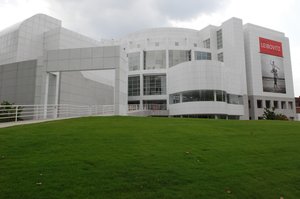
High Museum of Art, AtlantaHigh Museum of Art Atlanta 1 Tea and Coffee Towers

Zaha Hadid, egy aláírott festmény évtizedenként

Művek évtizedenként

Váassz ki egy évtizedet, hogy megnézhesd az azt meghatározó eredetiműveket.

Zaha Hadid festményei: a galéria válaszai

Melyik Zaha Hadid festmény a leghíresebb?Fedje fel a választ

Chanel Mobile Art Pavilion, Tokyo (2008), Royal Institute of British Architects, London. Ezután Rheinhaufen Development: Isometric of the City Context (1993) és London 2066 (1991) következik.

Hány éves volt Zaha Hadid, amikor elkészítette a(t): Chanel Mobile Art Pavilion, Tokyo?Fedje fel a választ

58 éves: Chanel Mobile Art Pavilion, Tokyo 2008-ből származik, Zaha Hadid pedig 1950-ben született.

Melyek Zaha Hadid top 10 festménye?Fedje fel a választ

Chanel Mobile Art Pavilion, Tokyo, Rheinhaufen Development: Isometric of the City Context, London 2066, Blue Slabs, Blue and Green Scrapers, The Peak - Night, Confetti Suprematist Snowstorm, Indoor Swimming Pool and Squash Courts, The World (89 degrees) és Overall Isometric, Day View. A fenti rangsor a művek évszamarát és a múzeumát jelzi.

Hány műve született Zaha Hadid nevére?Fedje fel a választ

Katalógusunkban 20 mű található Zaha Hadid alkotótól, 1977 és 2008 év közötti időszakból.

Hol találhatóak Zaha Hadid leghíresebb eredeti művei?Fedje fel a választ

Leginkább Serpentine Galleries (London), Royal Institute of British Architects (London) és High Museum of Art (Atlanta) található. A fenti múzeumi táblázatban mindegyik felsorolásra került.

Mikor festette Zaha Hadid le leghíresebb műveit?Fedje fel a választ

1990s alatt: a jelen laphonon található 20 műből 9 készült ebben az időszakban, köztük Rheinhaufen Development: Isometric of the City Context.

Melyek Zaha Hadid legkorábbi és legutóbbi híres művei?Fedje fel a választ

Ezen az oldalon a leghitelesebb Horizontal Tektonik (1977), a legutóbbi pedig Chanel Mobile Art Pavilion, Tokyo (2008).

Mely témakörökkel foglaltaszkodott a legtöbbször Zaha Hadid?Fedje fel a választ

Architecture (14), Cityscape (6) és Geometry (3), a jelen oldalon található 20 műművészeti alkotás között.

Melyik technikával foglalt leginkább Zaha Hadid?Fedje fel a választ

Acrylic On Canvas, a jelen oldalon található 20 műből 9 darab esetén.

Mely Zaha Hadid eredeti műveit őrzi a Serpentine Galleries?Fedje fel a választ

Rheinhaufen Development: Isometric of the City Context, London 2066 és Blue Slabs: a Serpentine Galleries, London 18 művet őrzi ezen az oldalon.

Zaha Hadid: a művész

Zaha Hadid (1950-2016): A Revolutionary Vision

Zaha Hadid, born in Baghdad, Iraq, on October 31st, 1950, was an Iraqi and British architect whose groundbreaking designs redefined architectural practice and captivated audiences worldwide. Her journey began not within the conventional confines of artistic upbringing but amidst a stimulating intellectual environment; her father, Mohammad al-Hajj Husayn Hadid, was a successful industrialist and politician, while her mother, Wajiha al-Sabunji, nurtured a passion for art. This unique blend of pragmatism and creativity would profoundly shape young Zaha’s worldview. Initially pursuing mathematics at the American University of Beirut, she soon discovered that her true calling lay in spatial design, leading her to London in 1972 and enrollment at the Architectural Association School of Architecture. It was here, under the tutelage of influential figures like Rem Koolhaas, Elia Zenghelis, and Bernard Tschumi, that Hadid’s radical architectural thinking began to take form. These mentors encouraged a questioning of established norms, fostering an environment where experimentation and innovation thrived—a foundation upon which she would build her extraordinary career.
  • Early Life & Education: Zaha Hadid's formative years were marked by exposure to diverse cultural influences and a dedication to intellectual pursuits. She studied mathematics at Beirut before pursuing architecture at the Architectural Association School of Architecture in London, where she honed her skills under visionary mentors who championed innovation and challenged conventional architectural approaches.
  • Style & Influences: Hadid’s distinctive style—characterized by deconstructivism—rejected rigid geometries and embraced fragmentation, dynamic curves, and fluid movement. Her aesthetic drew inspiration from Suprematism and the pioneering works of Kazimir Malevich, reflecting a commitment to abstract principles and non-rectilinear forms.
  • Painting as Design Tool: Crucially, Hadid didn’t simply design buildings; she sculpted experiences. She viewed painting as an integral component of her architectural process, allowing her to explore spatial concepts and visualize complex forms before they materialized in concrete and steel—a testament to her holistic approach to creativity.

Landmark Creations: Shaping Urban Landscapes Globally

Hadid established her own practice in London in 1979, but recognition didn’t come easily. Her early designs were often considered too radical for the prevailing architectural climate. However, she persevered, and gradually, her innovative approach began to gain traction. The Hong Kong Peak Club (1983) was an early showcase of her emerging style, hinting at the breathtaking structures that would follow. Over the ensuing decades, Hadid’s firm completed a series of landmark projects that redefined urban landscapes around the globe. These included the London Aquatics Centre for the 2012 Olympics, a testament to her ability to create spaces that inspire movement and athleticism; The Broad Art Museum in Michigan, USA, with its striking pleated stainless steel facade; MAXXI – National Museum of 21st Century Arts in Rome, Italy, a complex interplay of volumes and voids; The Guangzhou Opera House in China, resembling two smooth pebbles on the Pearl River; and The Heydar Aliyev Center in Baku, Azerbaijan, embodying her signature curvilinear aesthetic. These projects weren’t just buildings—they were cultural icons, pushing the boundaries of architectural possibility.
  • Iconic Projects: Notable achievements included the London Aquatics Centre for the 2012 Olympics, demonstrating Hadid's ability to blend aesthetics with functionality and create spaces that fostered athletic performance; The Broad Art Museum in Michigan showcased her innovative use of materials and form, establishing a new paradigm for museum design.
  • Global Recognition: Her projects garnered international acclaim, cementing Hadid’s position as one of the most influential architects of her time—a legacy that continues to inspire designers worldwide.

Recognition & Enduring Influence

The accolades bestowed upon Zaha Hadid throughout her career are a testament to her extraordinary talent and lasting impact. She received numerous awards, culminating in the Pritzker Architecture Prize in 2004—the highest honor in architecture—making her the first woman to receive this prestigious recognition individually. Further honors included the Stirling Prize (awarded twice), in 2010 and 2011, and TIME magazine including her in the ‘100 Most Influential People in the World’, naming her the world’s top thinker of 2010. Zaha Hadid was made a Dame Commander of the Order of the British Empire by Queen Elizabeth II in 2012, and in February 2016, she received the Royal Gold Medal from the RIBA. Her exploration of artistic mediums beyond architecture—such as works like “Tatlin Tower and Tectonic”—demonstrated a unique synergy between design expertise and artistic expression. Hadid’s buildings stand as enduring monuments to her innovative spirit, shaping the built environment for generations to come.

Beyond Buildings: A Lasting Artistic Legacy

Hadid's creative vision extended far beyond the realm of building design. She consistently explored artistic mediums such as painting and product design, viewing them not as separate disciplines but as interconnected expressions of her unique aesthetic sensibility. Her paintings, often characterized by dynamic compositions and abstract forms, served as conceptual explorations that directly informed her architectural projects. These works weren’t simply sketches or representations; they were integral to the development of her ideas, allowing her to experiment with spatial relationships and visual textures before translating them into three-dimensional structures. Hadid's legacy transcends architectural achievements—she remains an inspiration for aspiring designers worldwide.