Quentin Massys portréja

A 100 legnevezesebb Quentin Massys festmény, egy galériaválaszték

Frissítve: október 2026 · rangsorolva népszerűségi pontszámunk alapján (minden mű keresései, látogatásai és megrendelései alapján) · 147 mű Quentin Massys alkotása a katalógusunkban

Röviden

Quentin Massys hagyatékából a leghíresebb alkotás A pénzükemember és a felesége (1514). Röviddel ezután követik őket Portrait of Erasmus of Rotterdam (1517) és The Virgin Enthroned (1525). Katalógusunkban 147 mű található Quentin Massys alkotótól; a galéria megőrizte a világ által leginkább csodált 100 darabot, melyeket a dátummal, a múzeummal és a történetükkel együtt mutatunk be.

1466 – 1530, Leuven Northern renaissance A legtöbb mű: Gemäldegalerie

Quentin Massys legjobb 10 festménye: a galéria válogatása

1
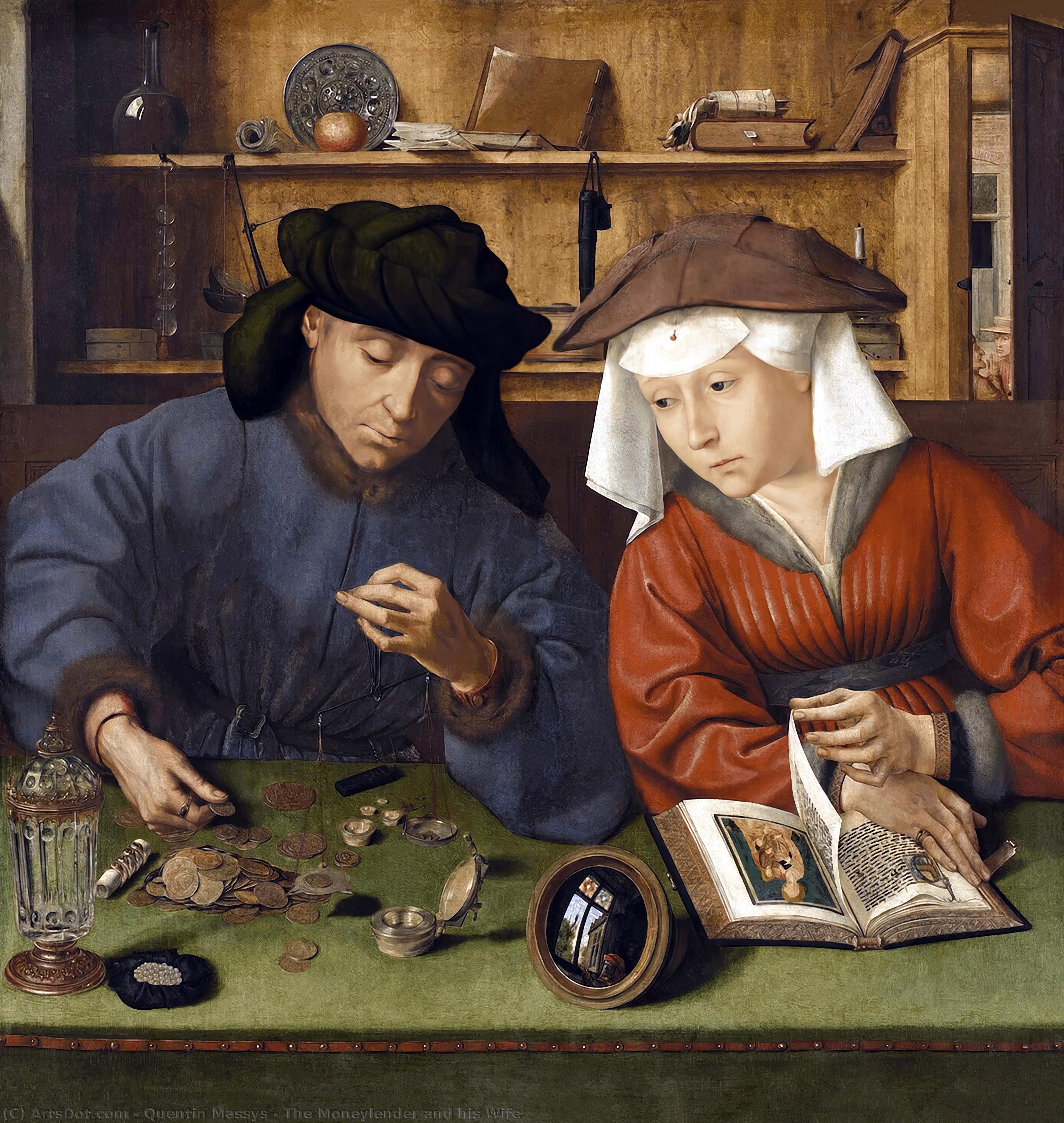
A pénzükemember és a felesége (1514) (1889) -ja Quentin Massys

A pénzükemember és a felesége

1514 · Olajfestmény panelen

In the quiet intimacy of Quentin Massys’s 1514 masterpiece, The Moneylender and his Wife, we are invited to step across the threshold of time and into a world of profound domesticity and silent narrative. This oil on panel work, currently preserved in the hallowed halls of the Musée du Sobornik in the Louvre, serves as a breathtaking exemplar of the Antwerp School’s mastery. At first glance, the scene presents a…

2
Portrait of Erasmus of Rotterdam (1517) (1889) -ja Quentin Massys

Portrait of Erasmus of Rotterdam

1517 · Oil On Canvas · Galleria Nazionale d'Arte Antica, Róma

To stand before this portrait is to step directly into the vibrant intellectual currents of the early sixteenth century. Quentin Massys has captured not merely a likeness, but an entire state of being—the profound concentration of a Renaissance mind at work. The subject, Erasmus of Rotterdam, radiates the quiet authority of scholarship. Dressed in the somber black attire typical of learned men of his era, he is seated amidst the…

3
The Virgin Enthroned (1525) (1889) -ja Quentin Massys

The Virgin Enthroned

1525 · Oil On Panel · Berlin Állami Múzeumai, Berlin

In the quiet, hallowed atmosphere of the Staatliche Museen Berlin, there exists a window into the spiritual heart of the sixteenth century. Quentin Massys’ “The Virgin Enthroned,” completed around 1525, is far more than a mere religious portrait; it is a profound meditation on grace and the intersection of the earthly and the divine. As a cornerstone of the Antwerp School, this masterpiece captures a pivotal moment in art history…

4
Christ as Salvator Mundi (1505) (1889) -ja Quentin Massys

Christ as Salvator Mundi

The portrait presents a frontal, bust-length view of Christ, positioned centrally against a dark, undifferentiated background. The subject's face is illuminated by a soft, diffused light that defines the contours of the nose, the jawline, and the orbital sockets. A golden halo, composed of fine, radiating lines, emanates from behind the head, creating a sharp contrast with the deep tones of the backdrop. The hair is rendered in long, wavy…

5
The Moneylender and his Wife (detail) (1514) (1889) -ja Quentin Massys

The Moneylender and his Wife (detail)

1514 · Oil On Panel · Louvre Múzeum, Párizs

To gaze upon this exquisite detail from Quentin Massys’s 1514 masterpiece, The Moneylender and His Wife, is to be invited across the threshold of a meticulously preserved moment in time. It is not merely a fragment of paint on panel; it is a concentrated jewel box of Northern Renaissance life, rich with unspoken narratives and dazzling technical mastery. The scene, captured from the legendary work housed at the Musée du…

6
The Moneylender and his Wife (detail) (1514) (1889) -ja Quentin Massys

The Moneylender and his Wife (detail)

1514 · Oil On Canvas · Louvre Múzeum, Párizs

To gaze upon this detail from Quentin Massys's The Moneylender and his Wife is to be invited across the threshold of a meticulously preserved moment in time. It is not merely a fragment of paint on panel; it is a concentrated jewel box of Northern Renaissance life, rich with unspoken narratives and dazzling technical mastery. The scene, captured from the masterpiece housed in the Musée du Louvre, draws the eye…

7
The Adoration of the Magi (1526) (1889) -ja Quentin Massys

The Adoration of the Magi

1526 · Tempera On Panel · Metropolitan Művészeti Múzeum, New York

To gaze upon this depiction of The Adoration of the Magi is to step directly into a moment suspended in time—a tableau vivant brimming with piety, wonder, and profound human connection. Quentin Massys has masterfully captured not merely an event from sacred scripture, but the very essence of devotion itself. Mary cradles the divine infant Jesus, the focal point around which all gazes converge. The composition is richly populated; a…

9
St Anne Altarpiece (left wing) (1507) (1889) -ja Quentin Massys

St Anne Altarpiece (left wing)

1507 · Oil On Panel · Musées Royaux des Beaux-Arts, Brüsszel

In the quiet, contemplative corner of the St Anne Altarpiece, specifically its left wing, we encounter a moment of profound spiritual intimacy that has captivated viewers for over five centuries. Painted in 1507 by the Flemish master Quentin Massys, this work serves as a breathtaking window into the soul of the Northern Renaissance. The scene is anchored by the figure of St Anne, depicted with a poignant realism that eschews…

10
The Moneylender and his Wife (detail) (1514) (1889) -ja Quentin Massys

The Moneylender and his Wife (detail)

1514 · Oil On Panel · Louvre Múzeum, Párizs

To gaze upon this exquisite detail from Quentin Massys's 1514 masterpiece, The Moneylender and his Wife, is to be invited across the threshold of a meticulously preserved moment in time. It is not merely a fragment of paint on panel; it is a concentrated jewel box of Northern Renaissance life, rich with unspoken narratives and dazzling technical mastery. In this intimate glimpse, we find ourselves seated at a table laden…

A Quentin Massys válogatás folytatódik: 11 – 100

11St Anne Altarpiece (1507) (1889) -ja Quentin MassysSt Anne Altarpiece1507 · Musées Royaux des Beaux-Arts 12St Anne Altarpiece (central panel) (1507) (1889) -ja Quentin MassysSt Anne Altarpiece (central panel)1507 · Musées Royaux des Beaux-Arts 13Diptych - Christ and the Virgin (1889) -ja Quentin MassysDiptych - Christ and the Virgin 14Saint Mary Magdalene (1515) (1889) -ja Quentin MassysSaint Mary Magdalene1515 · Philadelphia Művészeti Múzeum 15Saint John the Baptist (1511) (1889) -ja Quentin MassysSaint John the Baptist1511 · Antwerpeni Királyi Szépművészeti Múzeum 16Christ (1529) (1889) -ja Quentin MassysChrist1529 · Metropolitan Művészeti Múzeum 17The Deathbed of Saint Anne (1509) (1889) -ja Quentin MassysThe Deathbed of Saint Anne1509 · Belgiai Képzőművészeti Múzeumok 18Saint Mary of Egypt (1515) (1889) -ja Quentin MassysSaint Mary of Egypt1515 · Philadelphia Művészeti Múzeum 19Jacob Obrecht (1496) (1889) -ja Quentin MassysJacob Obrecht1496 · Kimbell Art Museum 20A Bagpiper (1513) (1889) -ja Quentin MassysA Bagpiper1513 · Yale University Art Gallery 21Christ the Saviour (1529) (1889) -ja Quentin MassysChrist the Saviour1529 · Museo del Prado 22Madonna and Child (1530) (1889) -ja Quentin MassysMadonna and Child1530 · Mauritshuis 23Virgin with the Child (1889) -ja Quentin MassysVirgin with the ChildRockox House 24Mary with Child (Copy after a lost original) (1512) (1889) -ja Quentin MassysMary with Child (Copy after a lost original)1512 · Bavári Állami Festırménygyűjtemények 25The Refusal of the Offering of Joachim (1509) (1889) -ja Quentin MassysThe Refusal of the Offering of Joachim1509 · Belgiai Képzőművészeti Múzeumok 26Jesus Among the Doctors (1509) (1889) -ja Quentin MassysJesus Among the Doctors1509 · Nemzeti Ókori Művészeti Múzeum 27Portrait of a man (1517) (1889) -ja Quentin MassysPortrait of a man1517 · Staatliche Kunsthalle Karlsruhe 28Saint John and the Women at the Tomb of Christ (1509) (1889) -ja Quentin MassysSaint John and the Women at the Tomb of Christ1509 · Nemzeti Ókori Művészeti Múzeum 29Virgin and Child (1520) (1889) -ja Quentin MassysVirgin and Child1520 · Museum Boijmans Van Beuningen 30Madonna and Child (1490) (1889) -ja Quentin MassysMadonna and Child1490 · Varsói Nemzeti Múzeum 31Portrait of Pieter Gillis (1517) (1889) -ja Quentin MassysPortrait of Pieter Gillis1517 · Galleria Nazionale d'Arte Antica 32Lamentation of Christ (1501) (1889) -ja Quentin MassysLamentation of Christ1501 · Varsói Nemzeti Múzeum 33Saint Jerome (1512) (1889) -ja Quentin MassysSaint Jerome1512 · Philadelphia Művészeti Múzeum 34The Virgin in prayer (1529) (1889) -ja Quentin MassysThe Virgin in prayer1529 · Museo del Prado 35Saint John (1511) (1889) -ja Quentin MassysSaint John1511 · Antwerpeni Királyi Szépművészeti Múzeum 36Head of a Mourning Woman (1500) (1889) -ja Quentin MassysHead of a Mourning Woman1500 · Gemäldegalerie 37Head of a Mourning Woman (1500) (1889) -ja Quentin MassysHead of a Mourning Woman1500 · Gemäldegalerie 38Man of Sorrows (1500) (1889) -ja Quentin MassysMan of Sorrows1500 · Bavári Állami Festırménygyűjtemények 39Virgin and Child Enthroned (1490) (1889) -ja Quentin MassysVirgin and Child Enthroned1490 · Kunsthandel P. de Boer 40Salome is given the head of John the Baptist (1511) (1889) -ja Quentin MassysSalome is given the head of John the Baptist1511 · Antwerpeni Királyi Szépművészeti Múzeum 41The Seven Sorrows of the Virgin (1500) (1889) -ja Quentin MassysThe Seven Sorrows of the Virgin1500 · Belgiai Képzőművészeti Múzeumok 42Rem Altar: Saint Roch with the Angel (Reverse: Saint Anne Selbdritt) (1518) (1889) -ja Quentin MassysRem Altar: Saint Roch with the Angel (Reverse: Saint Anne Selbdritt)1518 · Bavári Állami Festırménygyűjtemények 43Rem Altar: Holy Trinity ("Throne of Grace") (1518) (1889) -ja Quentin MassysRem Altar: Holy Trinity ("Throne of Grace")1518 · Bavári Állami Festırménygyűjtemények 44Rem Altarpiece: Martyrdom of Saint Sebastian (Reverse: Saint Luke) (1518) (1889) -ja Quentin MassysRem Altarpiece: Martyrdom of Saint Sebastian (Reverse: Saint Luke)1518 · Bavári Állami Festırménygyűjtemények 45Two Old Men in Prayer (1515) (1889) -ja Quentin MassysTwo Old Men in Prayer1515 46Presentation at the Temple (1509) (1889) -ja Quentin MassysPresentation at the Temple1509 · Nemzeti Ókori Művészeti Múzeum 47The Lamentation (1510) (1889) -ja Quentin MassysThe Lamentation1510 · Kanadai Nemzeti Galéria 48Salvator Mundi (Christ Blessing) (1512) (1889) -ja Quentin MassysSalvator Mundi (Christ Blessing)1512 · Szépművészeti Múzeum 49Dead Christ (1530) (1889) -ja Quentin MassysDead Christ1530 · Yale University Art Gallery 50The Rest on the Flight into Egypt (1513) (1889) -ja Quentin MassysThe Rest on the Flight into Egypt1513 · Worcester Art Museum 51Desiderius Erasmus (1466-1536) (1517) (1889) -ja Quentin MassysDesiderius Erasmus (1466-1536)1517 · Royal Collection 52The Virgin and Child (1512) (1889) -ja Quentin MassysThe Virgin and Child1512 · Ghent Művészeti Múzeum (MSK) 53Christ Salvator Mundi and Mary at Prayer (1505) (1889) -ja Quentin MassysChrist Salvator Mundi and Mary at Prayer1505 · Antwerpeni Királyi Szépművészeti Múzeum 54Portrait of an old woman (1510) (1889) -ja Quentin MassysPortrait of an old woman1510 55Portrait of Petrus Aegidius (1486-1533) (1514) (1889) -ja Quentin MassysPortrait of Petrus Aegidius (1486-1533)1514 56The Lamentation (1512) (1889) -ja Quentin MassysThe Lamentation1512 · Onze-Lieve Vrouwekathedraal 57Portrait of a man (1508) (1889) -ja Quentin MassysPortrait of a man1508 · Kunsthandel P. de Boer 58St Anne Altarpiece (1507) (1889) -ja Quentin MassysSt Anne Altarpiece1507 · Belgiai Képzőművészeti Múzeumok 59The purchase agreement (1510) (1889) -ja Quentin MassysThe purchase agreement1510 · Gemäldegalerie 60Madonna and Child with the lamb. (1513) (1889) -ja Quentin MassysMadonna and Child with the lamb.1513 · The National Museum in Poznań 61Portrait of a Humanist (1512) (1889) -ja Quentin MassysPortrait of a Humanist1512 · Musée Des Beaux 62Saint Elizabeth of Portugal (1524) (1889) -ja Quentin MassysSaint Elizabeth of Portugal1524 · Gemäldegalerie 63Portrait of Don Manuel de Menens (1530) (1889) -ja Quentin MassysPortrait of Don Manuel de Menens1530 64Saint Jerome in his cell (1524) (1889) -ja Quentin MassysSaint Jerome in his cell1524 · Kunsthistorisches Museum 65Christ Driving the Money-changers from the Temple (1520) (1889) -ja Quentin MassysChrist Driving the Money-changers from the Temple1520 · Antwerpeni Királyi Szépművészeti Múzeum 66Portrait of een geestelijke (twijfelachtig geïdentificeerd als Jean Carondelet) (1525) (1889) -ja Quentin MassysPortrait of een geestelijke (twijfelachtig geïdentificeerd als Jean Carondelet)1525 · Barber Institute of Fine Arts 67An Allegory of Folly (1528) (1889) -ja Quentin MassysAn Allegory of Folly1528 68The Two Tax Collectors (1530) (1889) -ja Quentin MassysThe Two Tax Collectors1530 · Gemäldegalerie 69Mourning Woman from a Lamentation (1520) (1889) -ja Quentin MassysMourning Woman from a Lamentation1520 · Gemäldegalerie 70Portrait of a man with a letter in his hand (1520) (1889) -ja Quentin MassysPortrait of a man with a letter in his hand1520 · Gemäldegalerie 71Virgin and Child with Saints Elizabeth and John the Baptist (1522) (1889) -ja Quentin MassysVirgin and Child with Saints Elizabeth and John the Baptist1522 72Portrait of An Old Man (1524) (1889) -ja Quentin MassysPortrait of An Old Man1524 73Crucifixion (1520) (1889) -ja Quentin MassysCrucifixion1520 · Kanadai Nemzeti Galéria 74Christ carrying the cross (1505) (1889) -ja Quentin MassysChrist carrying the cross1505 · Nemzeti Ókori Művészeti Múzeum 75Calvary (1505) (1889) -ja Quentin MassysCalvary1505 · Nemzeti Ókori Művészeti Múzeum 76Madonna and Child (1520) (1889) -ja Quentin MassysMadonna and Child1520 · Detroit Institute of Arts 77Portrait of a Canon (1510) (1889) -ja Quentin MassysPortrait of a Canon1510 · Liechtenstein Museum 78Man with Glasses (1523) (1889) -ja Quentin MassysMan with Glasses1523 · Städel Múzeum 79Anne and Joachim Present Their Goods to the Temple (1509) (1889) -ja Quentin MassysAnne and Joachim Present Their Goods to the Temple1509 · Belgiai Képzőművészeti Múzeumok 80Mary Magdalene (1505) (1889) -ja Quentin MassysMary Magdalene1505 · Detroit Institute of Arts 81John the Baptist and St Agnes (1520) (1889) -ja Quentin MassysJohn the Baptist and St Agnes1520 · Wallraf-Richartz Múzeum 82Ecce Homo (detail) (1526) (1889) -ja Quentin MassysEcce Homo (detail)1526 · Doge-palota 83The Crucifixion (1515) (1889) -ja Quentin MassysThe Crucifixion1515 · National Gallery 84Ecce Homo (detail) (1526) (1889) -ja Quentin MassysEcce Homo (detail)1526 · Doge-palota 85Ecce Homo (1526) (1889) -ja Quentin MassysEcce Homo1526 · Doge-palota 86Workshop of ) (1500) (1889) -ja Quentin MassysWorkshop of )1500 87Our Lady of Sorrows (1500) (1889) -ja Quentin MassysOur Lady of Sorrows1500 · Nemzeti Ókori Művészeti Múzeum 88St John Altarpiece (detail) (1507) (1889) -ja Quentin MassysSt John Altarpiece (detail)1507 · Koninklijk Museum voor Schone Kunsten 89St John Altarpiece (right wing) (1507) (1889) -ja Quentin MassysSt John Altarpiece (right wing)1507 · Koninklijk Museum voor Schone Kunsten 90St John Altarpiece (left wing) (1507) (1889) -ja Quentin MassysSt John Altarpiece (left wing)1507 · Koninklijk Museum voor Schone Kunsten 91Portrait of Cornelia Sandrin (1514) (1889) -ja Quentin MassysPortrait of Cornelia Sandrin1514 · Oldenburg State Museum for Art and Cultural History 92Christ on the Cross with Donors (detail) (1520) (1889) -ja Quentin MassysChrist on the Cross with Donors (detail)1520 · Museum Mayer van den Bergh 93Portrait of a Woman (1520) (1889) -ja Quentin MassysPortrait of a Woman1520 · Metropolitan Művészeti Múzeum 94Portrait Medal of Erasmus (1519) (1889) -ja Quentin MassysPortrait Medal of Erasmus1519 · Fitzwilliam Múzeum 95Madonna of the Cherries (1525) (1889) -ja Quentin MassysMadonna of the Cherries1525 96St Anne Altarpiece (closed) (1507) (1889) -ja Quentin MassysSt Anne Altarpiece (closed)1507 · Musées Royaux des Beaux-Arts 97Triptych of the Passion of Christ (1500) (1889) -ja Quentin MassysTriptych of the Passion of Christ1500 · Machado de Castro Nemzeti Múzeum 98Desiderius Erasmus (1889) -ja Quentin MassysDesiderius Erasmus 99St Anne Altarpiece (right wing, detail) (1507) (1889) -ja Quentin MassysSt Anne Altarpiece (right wing, detail)1507 · Musées Royaux des Beaux-Arts 100Christ on the Cross with Donors (1520) (1889) -ja Quentin MassysChrist on the Cross with Donors1520 · Museum Mayer van den Bergh

Quentin Massys híres festményei, korszakonként

A témák, amelyek Quentin Massys figyelmét meghúzták

A négy leggyakorobban előforduló téma ebben az eredeti művekben, mindegyik a legkiválóbb példájával.

A műemlékek, amelyek Quentin Massys eredeti műveit őrzik

A 8 olyan múzeum, amely a legtöbb ezen az oldalon szereplő festményet őrzi.

Múzeum Város Quentin Massys művei Ebből a listából származó festmények
Gemäldegalerie, BerlinGemäldegalerie Berlin 8 Head of a Mourning Woman, Head of a Mourning Woman, The purchase agreement
Antwerpeni Királyi Szépművészeti Múzeum, AntwerpenAntwerpeni Királyi Szépművészeti Múzeum Antwerpen 7 Christ as Salvator Mundi, Saint John the Baptist, Saint John
Musées Royaux des Beaux-Arts, BrüsszelMusées Royaux des Beaux-Arts Brüsszel 6 St Anne Altarpiece (detail), St Anne Altarpiece (left wing), St Anne Altarpiece
Nemzeti Ókori Művészeti Múzeum, LissabonNemzeti Ókori Művészeti Múzeum Lissabon 6 Jesus Among the Doctors, Saint John and the Women at the Tomb of Christ, Presentation at the Temple
Belgiai Képzőművészeti Múzeumok, BrüsszelBelgiai Képzőművészeti Múzeumok Brüsszel 6 The Deathbed of Saint Anne, The Refusal of the Offering of Joachim, The Seven Sorrows of the Virgin
Bavári Állami Festırménygyűjtemények, MunchenBavári Állami Festırménygyűjtemények Munchen 6 Mary with Child (Copy after a lost original), Man of Sorrows, Rem Altar: Saint Roch with the Angel (Reverse: Saint Anne Selbdritt)
Koninklijk Museum voor Schone Kunsten, AntalKoninklijk Museum voor Schone Kunsten Antal 7 St John Altarpiece (detail), St John Altarpiece (right wing), St John Altarpiece (left wing)
Louvre Múzeum, PárizsLouvre Múzeum Párizs 4 The Moneylender and his Wife (detail), The Moneylender and his Wife (detail), The Moneylender and his Wife (detail)

Quentin Massys évtizede folgtva: az eredeti művek, amelyek meghatározzák az egyes korzakot

Művek évtizedenként

Váassz ki egy évtizedet, hogy megnézhesd az azt meghatározó eredetiműveket.

Gyűjtői kérdések Quentin Massys festményeivel kapcsolatban

Melyik művel a(z) Quentin Massys a leghíresebb?Fedje fel a választ

A pénzükemember és a felesége (1514). Ezt követi Portrait of Erasmus of Rotterdam (1517) és The Virgin Enthroned (1525).

Hány éves volt Quentin Massys, amikor a A pénzükemember és a felesége készült?Fedje fel a választ

48 éves: A pénzükemember és a felesége 1514-ből származik, Quentin Massys pedig 1466-ben született.

Melyek a tíz leghíresebb Quentin Massys festmény?Fedje fel a választ

A pénzükemember és a felesége, Portrait of Erasmus of Rotterdam, The Virgin Enthroned, Christ as Salvator Mundi, The Moneylender and his Wife (detail), The Moneylender and his Wife (detail), The Adoration of the Magi, St Anne Altarpiece (detail), St Anne Altarpiece (left wing) és The Moneylender and his Wife (detail). A fenti rangsor a művek évszamarát és a múzeumát jelzi.

Hány festményet hagyott hátra Quentin Massys?Fedje fel a választ

Katalógusunkban 147 mű található Quentin Massys alkotótól, 1490 és 1530 év közötti időszakból.

Mely múzeumokban állnak Quentin Massys remekművei?Fedje fel a választ

Leginkább Gemäldegalerie (Berlin), Antwerpeni Királyi Szépművészeti Múzeum (Antwerpen) és Musées Royaux des Beaux-Arts (Brüsszel) található. A fenti múzeumi táblázatban mindegyik felsorolásra került.

Mely években festette Quentin Massys leghíresebb műveit?Fedje fel a választ

1510s alatt: a jelen laphonon található 100 műből 34 készült ebben az időszakban, köztük A pénzükemember és a felesége.

Mikszétek az első és az utolsó híres eredeti műve a(z) Quentin Massys alkotótól?Fedje fel a választ

Ezen az oldalon a leghitelesebb Madonna and Child (1490), a legutóbbi pedig Madonna and Child (1530).

Milyen témaköröket választott leggyakrabban Quentin Massys?Fedje fel a választ

Man (34), Woman (31) és Child (15), a jelen oldalon található 100 műművészeti alkotás között.

Melyik technikát alkalmazta leggyakrabban Quentin Massys?Fedje fel a választ

Oil On Panel, a jelen oldalon található 100 műből 53 darab esetén.

Mely művészeti irányba tartozik Quentin Massys?Fedje fel a választ

Northern renaissance, ezen az oldalon található eredetiek alapján.

Mely Quentin Massys művei láthatóak a Gemäldegalerie kiállتításán?Fedje fel a választ

Head of a Mourning Woman, Head of a Mourning Woman és The purchase agreement: a Gemäldegalerie, Berlin 7 művet őrzi ezen az oldalon.

Quentin Massys: életmű és életút

Az Antwerpeni Iskola Építésze

A XVI. századi Nyers-lórák vibráló, fejlődő tájában kevés név rézonál olyan alapvető fontosságúval, mint Quentin Massys. Gyakran az Antwerpeni Iskola úttörőjeként emlegetett festő volt, aki áthidalta a szakadékot az early Netherlandish hagyomány aprólékos, spirituális ádakozása és a Észak-reneszánsz fejlődő humanizmusa között. Belgium Leuvenében, körülbelül 1466-ban született, korai évei pedig a legenda és a történelmi töredékek szövetéből állnak. A művészettörténetben széles körben suttogják, hogy mielőtt valaha is finom ecsett fogott, kovácsként képeztek be – egy olyan részlet, amely mély, haptikus súlyt confers későbbi textúrák és anyagok mesteri uralmának. A fémöntési háttér valószínűleg egyedülálló tiszteletet ébresztett benne a fizikai világ iránt, lehetővé téve számára, hogy a selyem fényét, az érme hideg csillogását és az emberi bőr idősembedett textúráját páratlan pontossággal ábrázolja.

Amikor 1490 körül Leuven akadémikus légköréből áttért Antwerpen nyüzsgő kereskedelmi központjába, Massys saját egyedi szövetszálát kezdte beleálogosztatni a flamand művészet szövetébe. Korai képzése, amely valószínűleg Dirk Bouts irányítása alatt zajlott, összekötötte őt a mesterek vonalával, mint Hans Memling vagy Rogier van der Weyden. Ezen elődektől az verisimilitud – a reprezentációban való igazság keresését – örökölte. Massys azonban messze túlmutatott a puszta utánzáson. Bár megőrizte ősai jellemző, kifogástalan részletgazdaságát, műveit új, feltörekvő vitalitással töltötte meg, és hajlandóságot mutatott az emberi létezés összetettségének felfedésére, vallásos ágyazottságon keresztül is, legyen szó éppen szent ádakozásról vagy éles társadalmi kritikáról.

Az Ádakozás és a Szatira Mestere

Massys zsenialitása két, látszólag különálló világ navigálásának lenyűgöző képességében rejlik: a szentségben és a profánban. Egyik oldalról vallásos kompozíciói a hit mély meditációiként szolgálnak. Olyan művekben, mint a Krisztus a kereszten a donorokkal, megörökíti a keresztfűzés nyers, érzelmi súlyát, a High Renaissance érzékisétségét alkalmazva, hogy egy olyan jelenetet prezentáljon, amely egyszerre mélyen megható és technikailag tökéletes. Az isteni lényeg ábrázolása az emberi szenvedés lencséjén keresztül lehetővé tette vallásos témái számára, hogy viscerális intimitással szólaljanak meg, a szellemi tartalmat érezhetővé téve a néző számára.

Ezzel szemben Massys a szatirikus műfaj mestere volt, ecsettel tükröt tartva korának változó társadalmi moráljának arca elé. Éles szeme volt az emberi gyengeségek számára, gyakran olyan jeleneteket alkotva, amelyek ötvözték a realizmust egy finom, gúnyos witussal. Ez a dualizmus talán leginkább portréfestészetében és műfajművészetében mutatkozik meg, ahol képes volt áttérni a Szűz Mária és a Gyermek békés szépségétől a kortárs élet összetettebb, morálisan rétegzettebb ábrázolásai felé. Műve gyakran feszegette a kapzsiság, a hiúság, valamint a materiális gazdag vagyon és a spirituális tisztaság közötti feszültség témáit, előképe leszve a következő évszázadok nagyszerű műfajművészeinek.

Örökség és Művészeti Jelentőség

Quentin Massys történelmi jelentőségét nem lehet alulbecsülni; ő volt az Antwerpeni művészeti forradalom katalizátora. Új motívumokat és technikákat vezetve be, miközben gyökereit otthata szülőföldje gazdag hagyományai között, megteremtette az alapját egy olyan festésziskolának, amely a XVI. század során uralta Flandriát. Hatása végigkövethető az európai művészet fejlődésén keresztül, mivel utat nyitott egy kifejezőbb, megfigyelésre alapozott stílus számára, amely befogadta a modernizálódó világ összetettségét.

Ma nem csupán kézművesként emlékezünk Massysra, hanem olyan történetmesélőként, aki egy korszak lelkét fogta meg. Öröksége művei ábrázolásának tartós erejében él tovább:

  • Technikai innováció: A fémöntési precizitás és a reneszánsz olajfestészet folyékony eleganciájának zökkenőmentes integrációja.
  • Az Antwerpeni Iskola: Egy tartós művészeti mozgalom létrehozása, amely egyszerre részesített prioritást a realizmusnak és a morális narratívának.
  • Humanista perspektíva: Az egyedülálló képesség a vallási ikonok mély szentségének ötvözésére a társadalmi szatira éles, megfigyelő witussal.
Az ő kezei között a szellemi és a földi egyetlen, lélegzetelállító párbeszédbe került össze, biztosítva helyét az Észak-reneszánsz igazi mesterei között.