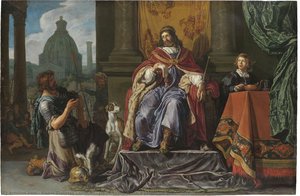
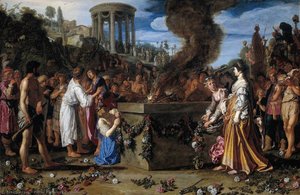
Pieter Lastman portréja

A 59 legnevezesebb Pieter Lastman festmény, egy galériaválaszték

Frissítve: november 2026 · rangsorolva népszerűségi pontszámunk alapján (minden mű keresései, látogatásai és megrendelései alapján) · 60 mű Pieter Lastman alkotása a katalógusunkban

Röviden

Pieter Lastman hagyatékából a leghíresebb alkotás The adoration of the kings (1608), amely a Szentpétervár városi Hermitaeus-múzeum gyűjteményében található. Röviddel ezután követik őket Abraham and the Three Angels (1623) és The Resurrection (1612). Katalógusunkban 60 mű található Pieter Lastman alkotótól; a galéria megőrizte a világ által leginkább csodált 59 darabot, melyeket a dátummal, a múzeummal és a történetükkel együtt mutatunk be.

1583 – 1633, Amszterdam Baroque A legtöbb mű: Hermitaeus-múzeum

Pieter Lastman legjobb 10 festménye: a galéria válogatása

1
The adoration of the kings (1608) (1889) -ja Pieter Lastman

The adoration of the kings

1608 · Oil On Canvas · Hermitaeus-múzeum, Szentpétervár

In 1608, Pieter Lastman painted The adoration of the kings, an oil work that captures a profound moment of religious significance. The scene depicts the biblical episode of the Adoration of the Magi, focusing on the intimate encounter between the divine and the earthly. Within this composition, the Virgin Mary and the Christ Child are the central figures, receiving the homage of the three kings: Melchior, Caspar, and Balthazar. It…

2
Abraham and the Three Angels (1623) (1889) -ja Pieter Lastman

Abraham and the Three Angels

1623 · Oil On Panel · Hermitaeus-múzeum, Szentpétervár

In this 1623 oil on panel, the biblical patriarch Abraham meets a divine presence through three celestial visitors. Pieter Lastman captures the moment of profound hospitality and revelation that defines this sacred encounter. The scene unfolds with a sense of immediate spiritual weight, as the elderly Abraham kneels in reverence before the visitors. This religious art focuses on the quiet intensity of the meeting, where the mortal realm brushes against…

3
The Resurrection (1612) (1889) -ja Pieter Lastman

The Resurrection

1612 · Oil On Canvas · J. Paul Getty Múzeum, Los Angeles

The Resurrection is a significant oil painting by Pieter Pietersz Lastman, created in 1612. This work captures a pivotal biblical scene, depicting the moment of Christ's Resurrection. The composition focuses on the triumph of the divine over the earthly realm, a theme central to Lastman's narrative approach to religious subjects.

4
The beheading of S. Paul (1601) (1889) -ja Pieter Lastman

The beheading of S. Paul

1601 · Oil On Panel · Museum Catharijneconvent, Utrecht

The tension in The beheading of S. Paul by Pieter Lastman hangs heavy in the air. Created about 1601, this work captures a moment of profound religious and visceral intensity. We find ourselves witnessing the martyrdom of Saint Paul, a scene where the spiritual weight of faith meets the brutal reality of physical sacrifice. The air seems to thicken with the gravity of the event as the executioner prepares to…

5
The Rest on the Flight to Egypt (1608) (1889) -ja Pieter Lastman

The Rest on the Flight to Egypt

1608 · Oil On Canvas · Gemäldegalerie, Berlin

The shadows of a dense, dark thicket press against the left side of the canvas. Within this cool, shaded sanctuary, three figures find a brief respite. The Virgin Mary, draped in deep blue and red, cradles the Christ Child, whose skin catches a soft, luminous light. Beside them, Saint Joseph sits in the stillness. The composition forms a steady triangle, anchoring the family against the ruggedness of the landscape. To…

6
The baptism of the eunuch (1608) (1889) -ja Pieter Lastman

The baptism of the eunuch

1608 · Oil On Panel · Gemäldegalerie, Berlin

The baptism of the eunuch is an oil on panel by Pieter Lastman. The artist, born in Amsterdam in 1583, captured this moment on a surface measuring 85 by 115 cm. A quiet weight resides in the wood, holding the figures within its grain. Lastman lived until 1633, leaving behind this specific window into a biblical encounter.

7
The Baptism of the Moorish Chamberlain (1620) (1889) -ja Pieter Lastman

The Baptism of the Moorish Chamberlain

The painting titled The Baptism of the Moorish Chamberlain is an oil work by the Dutch artist Pieter Lastman. This specific piece was executed about 1620. The artist, who was born in Amsterdam in 1583, utilized a painterly technique to render this biblical scene. The composition focuses on a group of figures gathered at a water's edge, involving both individuals on foot and those on horseback.

8
Joseph Selling Corn in Egypt (1612) (1889) -ja Pieter Lastman

Joseph Selling Corn in Egypt

1612 · Oil On Canvas · National Gallery of Ireland, Dublin

In this work, titled Joseph Selling Corn in Egypt, the artist Pieter Lastman presents a crowded, dramatic scene of commerce and abundance. The narrative draws from the Book of Genesis, focusing on the period when Joseph, having risen to power in Egypt, manages the distribution of grain during a time of famine. It is a moment of intense human activity, where the necessity of survival meets the organized structure of…

9
Balaam and his Ass (1622) (1889) -ja Pieter Lastman

Balaam and his Ass

1622 · Oil · Izraeli Múzeum, Jeruzsálem

In this work, titled Balaam and his Ass, Pieter Lastman captures a moment of divine interruption. Created about 1622, the painting presents a man on a donkey facing a winged angel. The scene is frozen in a state of sudden tension. A sword is held aloft, cutting through the stillness of the landscape. The figure of Balaam, draped in a deep crimson cloak, reacts to the celestial presence that blocks…

10
Entombment of Christ (1612) (1889) -ja Pieter Lastman

Entombment of Christ

1612 · Oil · Palais des Beaux-Arts de Lille, Lille

Pieter Lastman, born in Amsterdam in 1583, executed this oil painting titled Entombment of Christ. The work emerged during the Dutch Golden Age, a period in which Lastman established himself as a significant figure in historical and biblical narrative painting. His approach to religious subject matter focused on the psychological weight of the scene, utilizing the dramatic tension inherent in the moment of Christ's burial.

A Pieter Lastman válogatás folytatódik: 11 – 59

11Hippocrates and Democritus (1622) (1889) -ja Pieter LastmanHippocrates and Democritus1622 · Palais des Beaux-Arts de Lille 12King David Handing the Letter to Uriah (1611) (1889) -ja Pieter LastmanKing David Handing the Letter to Uriah1611 · Detroit Institute of Arts 13Saint Matthew (1613) (1889) -ja Pieter LastmanSaint Matthew1613 · Rhode Island School of Design Museum of Art 14Paris and Oenone (1619) (1889) -ja Pieter LastmanParis and Oenone1619 · Worcester Art Museum 15The Raising of Lazarus (1622) (1889) -ja Pieter LastmanThe Raising of Lazarus1622 · Mauritshuis 16Tobias catches the fish (1613) (1889) -ja Pieter LastmanTobias catches the fish1613 · Fries Museum 17Haman begging Esther for mercy (1618) (1889) -ja Pieter LastmanHaman begging Esther for mercy1618 · Varsói Nemzeti Múzeum 18Wedding Night of Tobias and Sarah (1611) (1889) -ja Pieter LastmanWedding Night of Tobias and Sarah1611 · Művészeti Múzeum, Boston 19Paul and Barnabas at Lystra (1617) (1889) -ja Pieter LastmanPaul and Barnabas at Lystra1617 · Amsterdam Museum 20Ecce Homo (1610) (1889) -ja Pieter LastmanEcce Homo1610 · Amsterdam Museum 21David in the temple (1618) (1889) -ja Pieter LastmanDavid in the temple1618 · Herzog Anton Ulrich Museum 22The meeting of Nausicaa and Ulysses: Ulysses, almost naked, comes out of the bushes; Nausicaa and her companions are startled at the sight (1609) (1889) -ja Pieter LastmanThe meeting of Nausicaa and Ulysses: Ulysses, almost naked, comes out of the bushes; Nausicaa and her companions are startled at the sight1609 · Herzog Anton Ulrich Museum 23The Annunciation of the birth of Samson to Manoah and his wife (Judges 13:2-3) (1617) (1889) -ja Pieter LastmanThe Annunciation of the birth of Samson to Manoah and his wife (Judges 13:2-3)1617 · Agnes Etherington Art Center 24The Good Samaritan tending the wounds of the traveller (1614) (1889) -ja Pieter LastmanThe Good Samaritan tending the wounds of the traveller1614 25Laban Searching for the Idols (1622) (1889) -ja Pieter LastmanLaban Searching for the Idols1622 · château-musée de Boulogne-sur-Mer 26The baptism of the Eunuch (1620) (1889) -ja Pieter LastmanThe baptism of the Eunuch1620 · Fondation Custodia 27St John the Baptist Preaching (1627) (1889) -ja Pieter LastmanSt John the Baptist Preaching1627 · Mauritshuis 28Hagar and the Angel in the Wilderness (1625) (1889) -ja Pieter LastmanHagar and the Angel in the Wilderness1625 · Izraeli Múzeum 29Athena and Odysseus (1625) (1889) -ja Pieter LastmanAthena and Odysseus1625 · Rembrandt Ház Múzeum 30Dido's Sacrifice to Juno (1630) (1889) -ja Pieter LastmanDido's Sacrifice to Juno1630 · Nationalmuseum 31The Baptism of the Eunuch (1623) (1889) -ja Pieter LastmanThe Baptism of the Eunuch1623 · Staatliche Kunsthalle Karlsruhe 32De gortenteller (1730) (1889) -ja Pieter LastmanDe gortenteller1730 · Amsterdam Museum 33Saint John on the Isle of Patmos (1613) (1889) -ja Pieter LastmanSaint John on the Isle of Patmos1613 · Museum Boijmans Van Beuningen 34The flight into Egypt (1608) (1889) -ja Pieter LastmanThe flight into Egypt1608 · Museum Boijmans Van Beuningen 35Jonah and the Whale (1621) (1889) -ja Pieter LastmanJonah and the Whale1621 · Kunstpalast 36The Angel and the Young Tobit with the Fish (1610) (1889) -ja Pieter LastmanThe Angel and the Young Tobit with the Fish1610 · Szépművészeti Múzeum 37The Baptism of Christ (1629) (1889) -ja Pieter LastmanThe Baptism of Christ1629 · Scottish National Gallery 38David Gives Uriah a Letter for Joab (1619) (1889) -ja Pieter LastmanDavid Gives Uriah a Letter for Joab1619 · The Leiden Collection 39LE SACRIFICE D'ABRAHAM (1889) -ja Pieter LastmanLE SACRIFICE D'ABRAHAMLouvre Múzeum 40Haman begging the mercy of Esther (Esther 7:6-7) (1889) -ja Pieter LastmanHaman begging the mercy of Esther (Esther 7:6-7)Varsói Nemzeti Múzeum 41The lamentation of abel (1889) -ja Pieter LastmanThe lamentation of abel 42Susanna And The Elders (1889) -ja Pieter LastmanSusanna And The EldersGemäldegalerie 43Christ And The Canaanite Woman (1889) -ja Pieter LastmanChrist And The Canaanite WomanRijksmuseum 44The Angel Raphael Takes Leave of Old Tobit and his Son Tobias (1618) (1889) -ja Pieter LastmanThe Angel Raphael Takes Leave of Old Tobit and his Son Tobias1618 · Dán Nemzeti Galéria 45The Battle of Constantine and Maxentius (1613) (1889) -ja Pieter LastmanThe Battle of Constantine and Maxentius1613 · Kunsthalle Bremen 46The Angel And Tobias With The Fish (1889) -ja Pieter LastmanThe Angel And Tobias With The Fish 47Juno Discovering Jupiter With Io (1889) -ja Pieter LastmanJuno Discovering Jupiter With Io 48The Triumph Of Mordecai (1889) -ja Pieter LastmanThe Triumph Of MordecaiRembrandt Ház Múzeum 49The Angel And Tobias With The Fish (detail) (1889) -ja Pieter LastmanThe Angel And Tobias With The Fish (detail) 50Hagar and the Angel (1889) -ja Pieter LastmanHagar and the AngelLos Angeles County Museum of Art 51Orestes And Pylades Disputing At The Altar (1889) -ja Pieter LastmanOrestes And Pylades Disputing At The AltarRijksmuseum 52The Angel Of The Lord Preventing Abraham From Sacrificing His Son Isaac (1889) -ja Pieter LastmanThe Angel Of The Lord Preventing Abraham From Sacrificing His Son IsaacPlantin-Moretus Múzeum 53The Sacrifice Of Abraham (1889) -ja Pieter LastmanThe Sacrifice Of AbrahamRijksmuseum 54The Rest on the Flight into Egypt (1889) -ja Pieter LastmanThe Rest on the Flight into EgyptNational Gallery 55Juno discovering Jupiter with Io (1618) (1889) -ja Pieter LastmanJuno discovering Jupiter with Io1618 · National Gallery 56Bathsheba at her Toilette (1619) (1889) -ja Pieter LastmanBathsheba at her Toilette1619 · Hermitaeus-múzeum 57Annunciation (1889) -ja Pieter LastmanAnnunciationHermitaeus-múzeum 58Odysseus And Nausicaa (1889) -ja Pieter LastmanOdysseus And NausicaaBavári Állami Festırménygyűjtemények 59Abraham's Journey To Canaan (1889) -ja Pieter LastmanAbraham's Journey To CanaanHermitaeus-múzeum

Pieter Lastman híres festményei, korszakonként

A témák, amelyek Pieter Lastman figyelmét meghúzták

A négy leggyakorobban előforduló téma ebben az eredeti művekben, mindegyik a legkiválóbb példájával.

A műemlékek, amelyek Pieter Lastman eredeti műveit őrzik

A 8 olyan múzeum, amely a legtöbb ezen az oldalon szereplő festményet őrzi.

Múzeum Város Pieter Lastman művei Ebből a listából származó festmények
Hermitaeus-múzeum, SzentpétervárHermitaeus-múzeum Szentpétervár 5 The adoration of the kings, Abraham and the Three Angels, Bathsheba at her Toilette
Gemäldegalerie, BerlinGemäldegalerie Berlin 3 The Rest on the Flight to Egypt, The baptism of the eunuch, Susanna And The Elders
Amsterdam Museum, AmsterdamAmsterdam Museum Amsterdam 3 Paul and Barnabas at Lystra, Ecce Homo, De gortenteller
Rijksmuseum, AmsterdamRijksmuseum Amsterdam 3 Christ And The Canaanite Woman, Orestes And Pylades Disputing At The Altar, The Sacrifice Of Abraham
Bavári Állami Festırménygyűjtemények, MunchenBavári Állami Festırménygyűjtemények Munchen 2 The Baptism of the Moorish Chamberlain, Odysseus And Nausicaa
Izraeli Múzeum, JeruzsálemIzraeli Múzeum Jeruzsálem 2 Balaam and his Ass, Hagar and the Angel in the Wilderness
Palais des Beaux-Arts de Lille, LillePalais des Beaux-Arts de Lille Lille 2 Entombment of Christ, Hippocrates and Democritus
Mauritshuis, HaagMauritshuis Haag 2 The Raising of Lazarus, St John the Baptist Preaching

Pieter Lastman évtizede folgtva: az eredeti művek, amelyek meghatározzák az egyes korzakot

Művek évtizedenként

Váassz ki egy évtizedet, hogy megnézhesd az azt meghatározó eredetiműveket.

Gyűjtői kérdések Pieter Lastman festményeivel kapcsolatban

Melyik művel a(z) Pieter Lastman a leghíresebb?Fedje fel a választ

The adoration of the kings (1608), Hermitaeus-múzeum, Szentpétervár. Ezután Abraham and the Three Angels (1623) és The Resurrection (1612) következik.

Hány éves volt Pieter Lastman, amikor a The adoration of the kings készült?Fedje fel a választ

25 éves: The adoration of the kings 1608-ből származik, Pieter Lastman pedig 1583-ben született.

Melyek a tíz leghíresebb Pieter Lastman festmény?Fedje fel a választ

The adoration of the kings, Abraham and the Three Angels, The Resurrection, The beheading of S. Paul, The Rest on the Flight to Egypt, The baptism of the eunuch, The Baptism of the Moorish Chamberlain, Joseph Selling Corn in Egypt, Balaam and his Ass és Entombment of Christ. A fenti rangsor a művek évszamarát és a múzeumát jelzi.

Hány festményet hagyott hátra Pieter Lastman?Fedje fel a választ

Katalógusunkban 60 mű található Pieter Lastman alkotótól, 1601 és 1630 év közötti időszakból.

Mely múzeumokban állnak Pieter Lastman remekművei?Fedje fel a választ

Leginkább Hermitaeus-múzeum (Szentpétervár), Gemäldegalerie (Berlin) és Amsterdam Museum (Amsterdam) található. A fenti múzeumi táblázatban mindegyik felsorolásra került.

Mely években festette Pieter Lastman leghíresebb műveit?Fedje fel a választ

1610s alatt: a jelen laphonon található 59 műből 21 készült ebben az időszakban, köztük The Resurrection.

Mikszétek az első és az utolsó híres eredeti műve a(z) Pieter Lastman alkotótól?Fedje fel a választ

Ezen az oldalon a leghitelesebb The beheading of S. Paul (1601), a legutóbbi pedig Dido's Sacrifice to Juno (1630).

Milyen témaköröket választott leggyakrabban Pieter Lastman?Fedje fel a választ

Man (20), Woman (16) és People (14), a jelen oldalon található 59 műművészeti alkotás között.

Melyik technikát alkalmazta leggyakrabban Pieter Lastman?Fedje fel a választ

Oil, a jelen oldalon található 59 műből 20 darab esetén.

Mely művészeti irányba tartozik Pieter Lastman?Fedje fel a választ

Baroque és Dutch golden age, ezen az oldalon található eredetiek alapján.

Mely Pieter Lastman művei láthatóak a Hermitaeus-múzeum kiállتításán?Fedje fel a választ

The adoration of the kings, Abraham and the Three Angels és Bathsheba at her Toilette: a Hermitaeus-múzeum, Szentpétervár 5 művet őrzi ezen az oldalon.

Pieter Lastman: életmű és életút

A hollandi narratív művészet úttörője: Pieter Lastman maradandó öröksége

Pieter Pietersz Lastman, aki 1583-ban született Amsterdamban, lenyűgöző és kulcsfontosságú helyet foglal el a holland aranykor festészetének történetében. Hosszú ideig híres tanítványának, Rembrandt van Rijn fényei mögé rejtőzve maradt, azonban Lastman nem csupán egy pedagógus volt, hanem önálló, úttörő művész – egy olyan reformátor, aki megújította a történelmi festészetet Hollandia területén, és laid az alapokat azoknak a drámai narratíváknak, amelyek később meghatározták az egész korszakot. Élete, bár viszonylag rövid volt, tele volt művészeti ambíciókkal, egy jelentős olaszországi tartózkodással és a mesélés iránti rendíthetetlen elkötelezettséggel, amelyet élénk képekkel váltott életre. Lastman korai évei béltenek termékeny talajt ambiciózus tehetségének; apja, Pieter Segersz, bár vallási meggyőződés miatt elvesztette városi kirendelt szolgálati pozícióját, polgári kötelességtudatot szülte belé, édesanyja, Barber Jacobsdr pedig, aki festményeket és értékes tárgyakat értékelett, éles szemet rendelkezett a művészet iránt. Ez a családi környezet mély elismerést dyrázott mind a vizuális művészetek iránt, mind a vászon mögötti világ iránt. Művészeti képzését Gerrit Pietersz Sweelinck alatt kezdte – a híres zeneszerző, Jan Pieterszoon Sweelinck testvére –, ahol szilárd technikai alapot szerezhetett, mielőtt 1erdő 1604 körül átalakító utazásra indult Italiába.

Az olasz hatás és az amsterdami visszatérés

Lastman olaszországi tartózkodása döntő fontosságúnak bizonyult művészeti víziója kialakításában. Róma vibráló művészeti életében merülve találkozott Caravaggio és Adam Elsheimer műveivel – olyan művészekkel, akik mélyrehatóan befolyásolták festési megközelítését. A korabeli manierista stílussal ellentétben Caravaggio naturalizmusa és a fény drámai használata mélyen meg резоnált Lastmanban, míg Elsheimer aprólékos részletessége és a történelmi témákra való fókuszítása új irányt mutatott saját narratív ambíciói számára. Felvette az olasz hagyományt is, melynek köszönhetően műveit „Pietro”-ként jegyezte, ezzel demonstrálva a helyi kulturális környezet befogadását. 1607-ben Amsterdamba való visszatérése után Lastman a város művészeti közösségének egyik vezető alakjává vált. Megállította magát a történelmi festészet mestereként – egy olyan műfajként, amely valamammig elhanyagoltt volt a holland művészetben –, és hamar elismertté vált innovatív kompozícióival és lenyűgöző történetvezetésével. Műterme hamar magánba vonzotta tehetséges tanítványokat, kiemelten Rembrandt van Rijnt, aki 1625-ben hat formálódó hónapot töltött Lastman oktatása alatt.

A bibliai narratívák mestere

Lastman festményeit drámai intenzitás, aprólékos részletesség és a témái mögötti éles pszichológiai betekintés jellemzi. A bibliai jeleneteket részesítette előnyben, gyakran olyan kevésbé ismert történeteket választva, amelyek lehetővé tették számára a hit, az árulás és az odkíváltatás összetett témáinak felfedezését. Olyan alkotások, mint a „Constantinus csatája”, példaként szolgálnak arra a képességére, hogy dinamikus, mozgással és érzelemmel teli kompozíciókat hozzon létre. A jelenet nem csupán történelmi események ábrázolása, hanem az emberi konfliktusok és a isteni beavatkozás erőteljes feltárása. Hasonlóképpen olyan festmények, mint a „Dávid levelet küld Uriássz, Joab számára”, Lastman hajlandóságát mutatják be a kihívást jelentő témák kezelésére – megjelenítve a morális ambiguitás és a pszichológiai feszültség pillanatait. Különös figyelmet szentelt alakjai arcainak, kezének és lábának, kifejező részletekkel dúsítva őket, amelyek belső viharjaikat közvetítették. Színhasználata merész és vibráló volt, ami tovább fokozta jelenetei érzelmi hatását.

Lastman öröksége: Egy generáció alakítása

Pieter Lastman befolyása messze túlmutatott saját művészeti alkotásain. Tanárként kulcsszerepet játszott a következő holland festőgeneráció alakításában. Rembrandt van Rijn, aki kétségtelenül leghíresebb tanítványa volt, magába szívta Lastman számos technikáját és narratív megközelítését – különösen a fény és árnyék drámai használatát, a pszichológiai realizmusra való fókuszálást és a bibliai témák iránti vonzalmát. Jan Lievens is profitált Lastman irányításából, hasonló stílust fejlesztve ki, amelyet intenzív érzelmek és dinamikus kompozíciók jellemeztek. Ezen neves alakokon túl Lastman számos más művészt mentorált, akik hozzájárultak az aranykor holland festészetének virágzásához. Alapozó szerepet járt Amsterdam történelmi festészet központjává való alakításában, utat nyitva a 17. századot meghatározó művészeti innovációk előtt. Bár 1633-ban viszonylag fiatalon meghalt, hatása a holland művészetre mély marad – tanúsága víziójának, készségének és a festékkel való mesélés iránti rendíthetetlen elkötelezettségének.

Lastman újrafedezése: Növekvő elismerés

Értéke centuries során Pieter Lastman hozzájárulásai gyakran overshadowed voltak Rembrandt fényességétől. Azonban a közelmúlt kutatásai megkezdtek egyensúlyt teremtni, elismerve őt a holland művészettörténet kulcsfontosságú alakjaként. Ahogy egyre nagyobb figyelmet fordítanak egyéni műveire és más művészekre gyakorolt hatására, egy teljesebb elismerés születik egyedi tehetségét illetően. A világ múzeumaai újrag évaluálják gyűjteményeiket, Lastman festményeit tanítványai alkotásaival egymás mellett mutatva, lehetővé téve a nézők számára, hogy értékeljék a közvetlen kapcsolatot műve és az azt követő mesterművek között. Lastman újrafedezése nem csupán egy akadémiai feladat, hanem létfontosságú lépés a holland aranykor festészetének összetett evolúciójának megértésében – elismerése egy valódi úttörő munkájának, aki az egyik legünnepeltebb korszak alapjait fektette le a művészettörténetben.