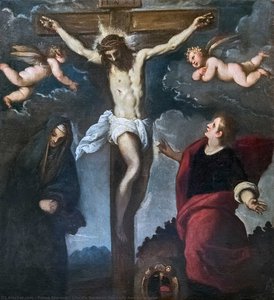
Palma il Giovane portréja

A 100 legnevezesebb Palma il Giovane festmény, egy galériaválaszték

Frissítve: november 2026 · rangsorolva népszerűségi pontszámunk alapján (minden mű keresései, látogatásai és megrendelései alapján) · 161 mű Palma il Giovane alkotása a katalógusunkban

Röviden

Palma il Giovane hagyatékából a leghíresebb alkotás The Crucifixion of St Peter (1614), amely a Velence városi Gallerie dell'Accademia di Venezia gyűjteményében található. Röviddel ezután követik őket Pietà with Angels (1620) és Paolo Veronese (1600). Katalógusunkban 161 mű található Palma il Giovane alkotótól; a galéria megőrizte a világ által leginkább csodált 100 darabot, melyeket a dátummal, a múzeummal és a történetükkel együtt mutatunk be.

1550 – 1628, Velence Baroque A legtöbb mű: Bavári Állami Festırménygyűjtemények

Palma il Giovane legjobb 10 festménye: a galéria válogatása

1
The Crucifixion of St Peter (1614) (1889) -ja Palma il Giovane

The Crucifixion of St Peter

1614 · Oil On Canvas · Gallerie dell'Accademia di Venezia, Velence

Michelangelo Palma il Giovane’s “The Crucifixion of St Peter,” painted in 1614, is not merely a depiction of a pivotal moment in Christian history; it's a profound exploration of suffering, faith, and the raw emotion of martyrdom. This monumental canvas, measuring 170 x 135 cm, transports the viewer directly into the heart of the scene – a chaotic yet deeply moving tableau unfolding outdoors beneath a dramatic, stormy sky. Palma,…

2
Pietà with Angels (1620) (1889) -ja Palma il Giovane

Pietà with Angels

1620 · Oil · Kunsthistorisches Museum, Bécs

A heavy, limp body rests across the lap of the Virgin Mary. The pale skin of Christ contrasts against the deep red of her tunic and the dark blue of her mantle. Shadows swallow the background, pushing the figures forward into a sharp, theatrical light. Two large angels flank the upper scene, their faces etched with grief. Below, small cherubs support the weight of the limbs, one near the arm…
3
Paolo Veronese (1600) (1889) -ja Palma il Giovane

Paolo Veronese

1600 · Oil · Galleria degli Uffizi, Taruna

A dark, shadow-filled void recedes behind the subject, stripping away the distractions of the physical world. This absence of background detail pushes the figure forward, creating a sudden sense of depth. The man emerges from this gloom, his presence anchored by a crisp white collar that catches the light. His gaze is direct, meeting the viewer with an unwavering eye contact that bridges the gap between the painted space and…

4
The Conversion of Saint Paul (1590) (1889) -ja Palma il Giovane

The Conversion of Saint Paul

1590 · Oil · Museo del Prado, Madrid

The air thickens with sudden, celestial violence as the scene erupts in a chaotic swirl of motion. Saul, once a persecutor of the faithful, is caught in a moment of profound physical and spiritual disorientation. He is thrown from his horse, a heavy, muscular form tumbling toward the earth, while the animal recoils in a tangle of limbs and frantic energy. Above this earthly commotion, a brilliant, piercing light breaks…

5
The Crucifixion (1596) (1889) -ja Palma il Giovane

The Crucifixion

1596 · Oil On Canvas · Metropolitan Művészeti Múzeum, New York

The composition reflects the transition from the High Renaissance to the burgeoning drama of the Baroque. The style is characterized by intense emotional weight and dynamic movement typical of the late Renaissance or Mannerist period. The texture appears smooth yet painterly, capturing the anatomical detail of Christ's torso and the heavy fabric of the mourning figures. Through the use of light as a narrative tool, the composition guides the eye…

6
Venus and Mars (1605) (1889) -ja Palma il Giovane

Venus and Mars

1605 · Oil On Canvas · J. Paul Getty Múzeum, Los Angeles

The oil on canvas work titled Venus and Mars presents a mythological encounter between the personification of love and the god of war. Painted by Palma il Giovane, the scene captures these lovers in a moment of intimate proximity. The figures of Venus and Mars respond to one another through anticipatory gestures, their bodies arranged in a way that suggests a shared, private space. A small Cupid occupies the lower…

7
The prophet Nathan admonishes King David (1600) (1889) -ja Palma il Giovane

The prophet Nathan admonishes King David

1600 · Oil On Canvas · Kunsthistorisches Museum, Bécs

The oil painting The prophet Nathan admonishes King David presents an emotionally charged biblical scene set within a shallow, stage-like space. The composition centers on two primary figures engaged in an intense interaction. On the left, King David is depicted sitting in a large, ornate golden throne. He wears a red velvet robe trimmed with thick white ermine fur and a prominent gold crown, his posture heavy and dejected with…

8
Portrait of a Sculptor (1605) (1889) -ja Palma il Giovane

Portrait of a Sculptor

1605 · Oil On Canvas · Kunsthistorisches Museum, Bécs

The room falls into a heavy, quiet stillness as we gaze upon an elderly man, his face etched with the deep lines of a life spent in focused labor. He sits in a three-quarter view, caught in a moment of profound introspection. A sharp, directional light enters from the upper left, carving his features out of the surrounding darkness. This intense chiaroscuro pulls his weathered forehead and greyish-white beard into…

9
Lamentation with angels (1612) (1889) -ja Palma il Giovane

Lamentation with angels

1612 · Oil · Kunsthistorisches Museum, Bécs

In this 1612 oil painting, we find ourselves drawn into the immediate, heavy atmosphere of the Lamentation. The composition centers on the pale, lifeless body of Christ, which lies horizontally across the lower half of the frame. There is a stillness here that feels almost physical, a quietude that contrasts with the intense emotional weight of the scene. To the left, a figure draped in deep red robes holds a…

10
Judith Placing the Head of Holofernes onto a Cloth Held by Another Female Figure, the Foreshortened Body of Holofernes Gushes with Blood from the Neck (1628) (1889) -ja Palma il Giovane

Judith Placing the Head of Holofernes onto a Cloth Held by Another Female Figure, the Foreshortened Body of Holofernes Gushes with Blood from the Neck

1628 · Etching

In this etching print, we find ourselves witnessing a scene of profound, sudden movement. The composition centers on the aftermath of a decisive act: Judith is captured in the precise, heavy moment of placing the severed head of Holofernes onto a cloth. Another female figure assists, her hands steadying the fabric to catch the weight of the deed. There is a certain anatomical tension here, particularly in the foreshortened body…

A Palma il Giovane válogatás folytatódik: 11 – 100

11Portrait of Niccolo da Ponte (1491-1585), Doge of Venice (1580) (1889) -ja Palma il GiovanePortrait of Niccolo da Ponte (1491-1585), Doge of Venice1580 · Kunsthistorisches Museum 12The Pope allows Otto to go to his father to negotiate peace (1582) (1889) -ja Palma il GiovaneThe Pope allows Otto to go to his father to negotiate peace1582 · Doge-palota 13Pietá (1611) (1889) -ja Palma il GiovanePietá1611 · Museo del Prado 14David with Goliath's Head (1590) (1889) -ja Palma il GiovaneDavid with Goliath's Head1590 · Museo del Prado 15Salomé with the Head of John the Baptist (1599) (1889) -ja Palma il GiovaneSalomé with the Head of John the Baptist1599 · Kunsthistorisches Museum 16Moses Brings the Tablets of the Law (1586) (1889) -ja Palma il GiovaneMoses Brings the Tablets of the Law1586 · Bavári Állami Festırménygyűjtemények 17St Sebastian (1590) (1889) -ja Palma il GiovaneSt Sebastian1590 · Hermitaeus-múzeum 18Dead Christ Supported by an Angel (1612) (1889) -ja Palma il GiovaneDead Christ Supported by an Angel1612 · Kunsthistorisches Museum 19Adoration of the Shepherds (1575) (1889) -ja Palma il GiovaneAdoration of the Shepherds1575 · Bavári Állami Festırménygyűjtemények 20Flagellation of Christ (1586) (1889) -ja Palma il GiovaneFlagellation of Christ1586 · Bavári Állami Festırménygyűjtemények 21Christ calling Zacchaeus (1575) (1889) -ja Palma il GiovaneChrist calling Zacchaeus1575 · Fitzwilliam Museum 22Elijah and the Angel (1575) (1889) -ja Palma il GiovaneElijah and the Angel1575 · Fitzwilliam Museum 23Portrait of a Gentleman (1590) (1889) -ja Palma il GiovanePortrait of a Gentleman1590 · Art Institute of Chicago 24Fighting soldiers (1569) (1889) -ja Palma il GiovaneFighting soldiers1569 25soldiers on horseback (1569) (1889) -ja Palma il Giovanesoldiers on horseback1569 26Soldiers on horseback (1569) (1889) -ja Palma il GiovaneSoldiers on horseback1569 27supraporte: fighting soldiers (1569) (1889) -ja Palma il Giovanesupraporte: fighting soldiers1569 28fighting soldiers (1569) (1889) -ja Palma il Giovanefighting soldiers1569 29Battle - scene in landscape with town (1569) (1889) -ja Palma il GiovaneBattle - scene in landscape with town1569 30soldiers on horseback (1569) (1889) -ja Palma il Giovanesoldiers on horseback1569 31soldiers on horseback (1569) (1889) -ja Palma il Giovanesoldiers on horseback1569 32six citizens after war scene (1569) (1889) -ja Palma il Giovanesix citizens after war scene1569 33Gentlemen on horse - back (1569) (1889) -ja Palma il GiovaneGentlemen on horse - back1569 34Victory of Francesco Bembo over Filippo Maria Visconti (1578) (1889) -ja Palma il GiovaneVictory of Francesco Bembo over Filippo Maria Visconti1578 · Doge-palota 35The Descent of Manna (1575) (1889) -ja Palma il GiovaneThe Descent of Manna1575 36Christ Deposed In The Sepulchre (1575) (1889) -ja Palma il GiovaneChrist Deposed In The Sepulchre1575 37Crucifix Between Our Lady And Saint John (1575) (1889) -ja Palma il GiovaneCrucifix Between Our Lady And Saint John1575 38The Paschal Lamb (1575) (1889) -ja Palma il GiovaneThe Paschal Lamb1575 39St Lawrence Giving the Wealth to the Poor (1575) (1889) -ja Palma il GiovaneSt Lawrence Giving the Wealth to the Poor1575 40Lamentation of Christ (1586) (1889) -ja Palma il GiovaneLamentation of Christ1586 · Bavári Állami Festırménygyűjtemények 41Lamentation of Christ (1586) (1889) -ja Palma il GiovaneLamentation of Christ1586 · Bavári Állami Festırménygyűjtemények 42Thetis on the Sea (1586) (1889) -ja Palma il GiovaneThetis on the Sea1586 · Bavári Állami Festırménygyűjtemények 43Lamentation of Christ (1586) (1889) -ja Palma il GiovaneLamentation of Christ1586 · Bavári Állami Festırménygyűjtemények 44Annunciation of Mary (1585) (1889) -ja Palma il GiovaneAnnunciation of Mary1585 · Bavári Állami Festırménygyűjtemények 45Christ and the Samaritan Woman (1586) (1889) -ja Palma il GiovaneChrist and the Samaritan Woman1586 · Bavári Állami Festırménygyűjtemények 46Saint Sebastian (1586) (1889) -ja Palma il GiovaneSaint Sebastian1586 · Bavári Állami Festırménygyűjtemények 47Ecce homo (1586) (1889) -ja Palma il GiovaneEcce homo1586 · Bavári Állami Festırménygyűjtemények 48The Expulsion of the Vices of the Church (1582) (1889) -ja Palma il GiovaneThe Expulsion of the Vices of the Church1582 · Royal Collection 49Venus and Cupid (1590) (1889) -ja Palma il GiovaneVenus and Cupid1590 · Royal Collection 50Prometheus Chained to the Caucasus (1589) (1889) -ja Palma il GiovanePrometheus Chained to the Caucasus1589 · Royal Collection 51Massacre of the Inhabitants of Hippo (1593) (1889) -ja Palma il GiovaneMassacre of the Inhabitants of Hippo1593 · Musée Fabre 52Scene from the History of Joseph (1587) (1889) -ja Palma il GiovaneScene from the History of Joseph1587 · Isabella Stewart Gardner Museum 53Scene from the History of Joseph (1587) (1889) -ja Palma il GiovaneScene from the History of Joseph1587 · Isabella Stewart Gardner Museum 54Judas Cyriacus (1593) (1889) -ja Palma il GiovaneJudas Cyriacus1593 55Sant'elena Ritrova La Vera Croce (1593) (1889) -ja Palma il GiovaneSant'elena Ritrova La Vera Croce1593 56L'imperatore Eraclio Riporta La Croce Al Calvario (1593) (1889) -ja Palma il GiovaneL'imperatore Eraclio Riporta La Croce Al Calvario1593 57Pius II (1593) (1889) -ja Palma il GiovanePius II1593 58Judith and Holofernes (1600) (1889) -ja Palma il GiovaneJudith and Holofernes1600 59The Virgin and Child, Saint Luke and a Donor (1602) (1889) -ja Palma il GiovaneThe Virgin and Child, Saint Luke and a Donor1602 · Royal Collection 60The Penitent Magdalene (1600) (1889) -ja Palma il GiovaneThe Penitent Magdalene1600 · Royal Collection 61Return of the Prodigal Son (1595) (1889) -ja Palma il GiovaneReturn of the Prodigal Son1595 · Gallerie dell'Accademia di Venezia 62The Virgin and Child with Saints and Angels (1620) (1889) -ja Palma il GiovaneThe Virgin and Child with Saints and Angels1620 · National Gallery of Ireland 63Lamentation of Christ (1620) (1889) -ja Palma il GiovaneLamentation of Christ1620 · Bavári Állami Festırménygyűjtemények 64Self Portrait (1614) (1889) -ja Palma il GiovaneSelf Portrait1614 65Studies of an Arm, and of the Heads of an Old Man and Young Woman (1628) (1889) -ja Palma il GiovaneStudies of an Arm, and of the Heads of an Old Man and Young Woman1628 66Seated Female Holding a Book, Two Heads of Bearded Men, Seated Male Nude, and Four Sketches for Christ Judging (recto); Studies for Cain Slaying Abel (verso) (1628) (1889) -ja Palma il GiovaneSeated Female Holding a Book, Two Heads of Bearded Men, Seated Male Nude, and Four Sketches for Christ Judging (recto); Studies for Cain Slaying Abel (verso)1628 67Apostles at the Virgin's Tomb (1582) (1889) -ja Palma il GiovaneApostles at the Virgin's Tomb1582 · Hermitaeus-múzeum 68Cain and Abel (1603) (1889) -ja Palma il GiovaneCain and Abel1603 · Kunsthistorisches Museum 69Annunciation (1600) (1889) -ja Palma il GiovaneAnnunciation1600 · Madonna dell'Orto 70Martirio Di San Giovanni Battista Tra San Lanfranco Beccari E San Liberio (1593) (1889) -ja Palma il GiovaneMartirio Di San Giovanni Battista Tra San Lanfranco Beccari E San Liberio1593 71Washing of the Feet (1591) (1889) -ja Palma il GiovaneWashing of the Feet1591 · San Giovanni in Bragora 72Lamentation (1620) (1889) -ja Palma il GiovaneLamentation1620 · National Gallery of Art 73Joseph and Potiphar's Wife (1889) -ja Palma il GiovaneJoseph and Potiphar's WifeStatens Museum for Kunst 74Allegory of the Victory over the League of Cambrai (detail) (1590) (1889) -ja Palma il GiovaneAllegory of the Victory over the League of Cambrai (detail)1590 · Doge-palota 75The Dead Christ Supported by An Angel with Two Putti Each Supporting a Cero (1575) (1889) -ja Palma il GiovaneThe Dead Christ Supported by An Angel with Two Putti Each Supporting a Cero1575 76The Paschal Lamb (1575) (1889) -ja Palma il GiovaneThe Paschal Lamb1575 77Eucharist Worshipped By The Four Evangelists (1575) (1889) -ja Palma il GiovaneEucharist Worshipped By The Four Evangelists1575 78Elia Cibato From angel (1575) (1889) -ja Palma il GiovaneElia Cibato From angel1575 79The Parish Priest Da Ponte in front of the Virgin, Saint Mark, Saint Sylvester and Saint James (1575) (1889) -ja Palma il GiovaneThe Parish Priest Da Ponte in front of the Virgin, Saint Mark, Saint Sylvester and Saint James1575 80Red Sea Passage (1575) (1889) -ja Palma il GiovaneRed Sea Passage1575 81The Flagellation (1889) -ja Palma il GiovaneThe FlagellationMuseo del Prado 82Papa Cleto (1593) (1889) -ja Palma il GiovanePapa Cleto1593 83Elia nutrito dall'angelo (1593) (1889) -ja Palma il GiovaneElia nutrito dall'angelo1593 84Lanfranco Beccari (1593) (1889) -ja Palma il GiovaneLanfranco Beccari1593 85David riceve dal sacerdote Achimelec i pani offerti nel santuario (1593) (1889) -ja Palma il GiovaneDavid riceve dal sacerdote Achimelec i pani offerti nel santuario1593 86Saint Helena (1593) (1889) -ja Palma il GiovaneSaint Helena1593 87Il Serpente Di Bronzo (1593) (1889) -ja Palma il GiovaneIl Serpente Di Bronzo1593 88Alexander III confirms the Crucifixes and gives them the rule (1593) (1889) -ja Palma il GiovaneAlexander III confirms the Crucifixes and gives them the rule1593 89Pope San Cleto Founds the Order of the Crucifer - St. Cyril's Bishop of Jerusalem Reaffirms the Order (1593) (1889) -ja Palma il GiovanePope San Cleto Founds the Order of the Crucifer - St. Cyril's Bishop of Jerusalem Reaffirms the Order1593 90David and Achimelech (1590) (1889) -ja Palma il GiovaneDavid and Achimelech1590 · Santissimo Redentore 91The Pool (1592) (1889) -ja Palma il GiovaneThe Pool1592 · Collezione Molinari Pradelli 92The Martyrdom of St Lawrence (1581) (1889) -ja Palma il GiovaneThe Martyrdom of St Lawrence1581 · San Giacomo dall'Orio 93Sketch for An Entablature (1628) (1889) -ja Palma il GiovaneSketch for An Entablature1628 94The Arrest of Christ, Christ and the Canaanite Woman, Seated Male Figures, and Head of a Child (1628) (1889) -ja Palma il GiovaneThe Arrest of Christ, Christ and the Canaanite Woman, Seated Male Figures, and Head of a Child1628 95Studies of Horsemen and Study of a Figure for a Deposition (1628) (1889) -ja Palma il GiovaneStudies of Horsemen and Study of a Figure for a Deposition1628 96Seated Female Holding a Book, Two Heads of Bearded Men, Seated Male Nude, and Four Sketches for Christ Judging (recto); Studies for Cain Slaying Abel (verso) (1628) (1889) -ja Palma il GiovaneSeated Female Holding a Book, Two Heads of Bearded Men, Seated Male Nude, and Four Sketches for Christ Judging (recto); Studies for Cain Slaying Abel (verso)1628 97Sheet of Studies with St. Jerome, Seated at Right and Resting His Right Forearm on a Book, at Left An Ecclesiastical Figure Wearing a Cope and Miter, and at Bottom Two Putti (1628) (1889) -ja Palma il GiovaneSheet of Studies with St. Jerome, Seated at Right and Resting His Right Forearm on a Book, at Left An Ecclesiastical Figure Wearing a Cope and Miter, and at Bottom Two Putti1628 98A Venetian Senator (1889) -ja Palma il GiovaneA Venetian SenatorMuseo del Prado 99Amusements of the Prodigal Son (1595) (1889) -ja Palma il GiovaneAmusements of the Prodigal Son1595 · Gallerie dell'Accademia di Venezia 100Christ as Teacher (1889) -ja Palma il GiovaneChrist as TeacherBavári Állami Festırménygyűjtemények

Palma il Giovane híres festményei, korszakonként

A témák, amelyek Palma il Giovane figyelmét meghúzták

A négy leggyakorobban előforduló téma ebben az eredeti művekben, mindegyik a legkiválóbb példájával.

A műemlékek, amelyek Palma il Giovane eredeti műveit őrzik

A 8 olyan múzeum, amely a legtöbb ezen az oldalon szereplő festményet őrzi.

Múzeum Város Palma il Giovane művei Ebből a listából származó festmények
Bavári Állami Festırménygyűjtemények, MunchenBavári Állami Festırménygyűjtemények Munchen 14 Moses Brings the Tablets of the Law, Adoration of the Shepherds, Flagellation of Christ
Kunsthistorisches Museum, BécsKunsthistorisches Museum Bécs 8 Pietà with Angels, The prophet Nathan admonishes King David, Portrait of a Sculptor
Museo del Prado, MadridMuseo del Prado Madrid 5 The Conversion of Saint Paul, Pietá, David with Goliath's Head
Royal Collection, LondonRoyal Collection London 5 The Expulsion of the Vices of the Church, Venus and Cupid, Prometheus Chained to the Caucasus
Doge-palota, VelenceDoge-palota Velence 4 The Pope allows Otto to go to his father to negotiate peace, Victory of Francesco Bembo over Filippo Maria Visconti, Allegory of the Victory over the League of Cambrai (detail)
Gallerie dell'Accademia di Venezia, VelenceGallerie dell'Accademia di Venezia Velence 3 The Crucifixion of St Peter, Return of the Prodigal Son, Amusements of the Prodigal Son
Hermitaeus-múzeum, SzentpétervárHermitaeus-múzeum Szentpétervár 2 St Sebastian, Apostles at the Virgin's Tomb
Fitzwilliam MuseumFitzwilliam Museum 2 Christ calling Zacchaeus, Elijah and the Angel

Palma il Giovane évtizede folgtva: az eredeti művek, amelyek meghatározzák az egyes korzakot

Művek évtizedenként

Váassz ki egy évtizedet, hogy megnézhesd az azt meghatározó eredetiműveket.

Gyűjtői kérdések Palma il Giovane festményeivel kapcsolatban

Melyik művel a(z) Palma il Giovane a leghíresebb?Fedje fel a választ

The Crucifixion of St Peter (1614), Gallerie dell'Accademia di Venezia, Velence. Ezután Pietà with Angels (1620) és Paolo Veronese (1600) következik.

Hány éves volt Palma il Giovane, amikor a The Crucifixion of St Peter készült?Fedje fel a választ

64 éves: The Crucifixion of St Peter 1614-ből származik, Palma il Giovane pedig 1550-ben született.

Melyek a tíz leghíresebb Palma il Giovane festmény?Fedje fel a választ

The Crucifixion of St Peter, Pietà with Angels, Paolo Veronese, The Conversion of Saint Paul, The Crucifixion, Venus and Mars, The prophet Nathan admonishes King David, Portrait of a Sculptor, Lamentation with angels és Judith Placing the Head of Holofernes onto a Cloth Held by Another Female Figure, the Foreshortened Body of Holofernes Gushes with Blood from the Neck. A fenti rangsor a művek évszamarát és a múzeumát jelzi.

Hány festményet hagyott hátra Palma il Giovane?Fedje fel a választ

Katalógusunkban 161 mű található Palma il Giovane alkotótól, 1569 és 1628 év közötti időszakból.

Mely múzeumokban állnak Palma il Giovane remekművei?Fedje fel a választ

Leginkább Bavári Állami Festırménygyűjtemények (Munchen), Kunsthistorisches Museum (Bécs) és Museo del Prado (Madrid) található. A fenti múzeumi táblázatban mindegyik felsorolásra került.

Mely években festette Palma il Giovane leghíresebb műveit?Fedje fel a választ

1590s alatt: a jelen laphonon található 100 műből 27 készült ebben az időszakban, köztük The Conversion of Saint Paul.

Mikszétek az első és az utolsó híres eredeti műve a(z) Palma il Giovane alkotótól?Fedje fel a választ

Ezen az oldalon a leghitelesebb Fighting soldiers (1569), a legutóbbi pedig Judith Placing the Head of Holofernes onto a Cloth Held by Another Female Figure, the Foreshortened Body of Holofernes Gushes with Blood from the Neck (1628).

Milyen témaköröket választott leggyakrabban Palma il Giovane?Fedje fel a választ

Man (38), People (24) és Woman (23), a jelen oldalon található 100 műművészeti alkotás között.

Melyik technikát alkalmazta leggyakrabban Palma il Giovane?Fedje fel a választ

Oil, a jelen oldalon található 100 műből 43 darab esetén.

Mely művészeti irányba tartozik Palma il Giovane?Fedje fel a választ

Baroque és Renaissance, ezen az oldalon található eredetiek alapján.

Mely Palma il Giovane művei láthatóak a Bavári Állami Festırménygyűjtemények kiállتításán?Fedje fel a választ

Moses Brings the Tablets of the Law, Adoration of the Shepherds és Flagellation of Christ: a Bavári Állami Festırménygyűjtemények, Munchen 13 művet őrzi ezen az oldalon.

Palma il Giovane: életmű és életút

Jacopo Palma il Giovane ragyogó öröksége

A velencei reneszánsz aranynapjainak alkonyán, egy olyan korszakban, amelyet a szín és a fény páratlan mesterművészete határozott meg, egy olyan festő bukkott fel, akinek ecsetvonala áthidalta a szakadékot a magasan fejlődött reneszánsz és a barokk feltörekvő drámája között. Jacopo Palma il Giovane, született nevén Iacopo Negretti, körülbelül 1548-ban, nem csupán a nagy mesterek örököse volt, hanem a velencei iskola folytonosságának létfontosságú láncszeme is. A híres Palma Vecchio nagybátyja révén olyan művészi kiválóságból született, amelyből mély ismeretet örökölt át a velencei hagyomány meghatározó kromatikus gazdagszágából. Élete és munkássága egy zökkenőmentes átmenetet képvisel, hordozva elődei fényűző eleganciáját az érzelmi intenzitás és a teátrális pompájú új korszakba.

Palma művészetének alapjait Velence műhelyeiben fektették, ahol a levegőt Tizian és Tintoretto öröksége áradta. Bár a történelmi feljegyzések arra utalnak, hogy technikáját Tizian lélegzetelállító színpalettáinak tanulmányozásával csiszolhatta, valójában Tintoretto dinamikus energiája formálta leginkább érett látásmódját. Tintoretto 1594-es halála után Palma il Giovane kiemelkedő helyzetbe került, és Velence domináns művészeti erejévé vált. Ritka képességgel rendelkezett e két különálló hatás szintézisére: Tiziantól a fény és az ábrázolt bőrtonusok kifinomult uralmát vette át; Tintorettótól pedig a mozgásérzetet, a drámai chiaroscúrót és azt a narratív sürgetést sajátította magának, amely mélyen rezonált a motívumok vallásos lelkesedésével a motívumok reformáció idején.

A narratíva és az érzelmek mestere

Palma il Giovane életműve tanúbizonyság arra, hogy képes volt a bibliai és mitológiai témákat is kéthetlen emberi tapasztalatokká alakítani. Festményei ritkán statikusak; élettel teli mozgás áramlik bennük, amely a nézőt a dráma szívébe vonja. Legyen szó egy vallásos mártírtan szertartásának solemnitásáról vagy egy kocsma jelenete vidám káoszáról, művészete a fényt narratív eszközként használja, vezetve a tekintetet a komplex kompozíciókon keresztül a történet érzelmi magváig. Mesterműve különösen jól látható az olyan alkotásokban, mint a Szent Katalin mártírtan, ahol az árnyék és a fény játéka fokozza a isteni küzdelem érzetét, vagy az apostolok Szűz Mária sírja előtt, amely a hatalmas, energikus ecsetvonások révén örökíti meg a kollektív gyász mély pillanatát.

Vallásos megrendelésein túlmutatva Palma sokoldalúsága lehetővé tette számára, hogy a témák széles skáláját felfedezze. Az emberi szellem megörökítésének tehetsége talán legintimebben látható az Önarcképét című alkotásában, amely lelki önreflexiót és olyan technikai tudást mutat, amely képes az arckifejezések finom árnyalatait is megjeleníத்தினை. Még a világiabb vagy anekdotikus jelenetekben is, mint például a A hazértőtt fiú szórakozásai, megőrzi azt a vibráló, ritmikus minőséget, amely ünnepeli a velencei élet textúráit és színeit. Ez a képesség, amely képes ingadozni a mély és a játékos között, biztosította számára a relevancia fennmaradását a különböző megbízók körében, a velencei egyházi hatóságoktól egészen Közép-Európa császári udvaraiig.

Történelmi jelentőség és maradandó hatás

Jacopo Palma il Giovane történelmi fontossága messze túlmutat a Velencei Köztársaság határain. Hatása kifolyta elérte Bergamot és Prága császári udvarát is, Rudolf II-es császárnál, ezzel nemzetközi szintű művészt igazolva. Ő nem csupán másolt a múltból; továbbfejlesztette azt, előkészítve a talajt az 17. századot meghatározó érzelmesebb és drámaibb stílusok számára. Mentorálódással a következő generációkat, beleértve azokat a művészeket is, akik tovább finomították a velencei esztétikát, biztosította, hogy családi öröksége hagyományai vibrálóak és transzformatívak maradjanak.

Napjainkban Palma il Giovane olyan kulcsfontosságú alakként ismerjük, akinek munkássága hidat képez az korszakok között. Öröksége a következőben található:

  • A stílusok szintézise: Tizian színistic brillanciájának és Tintoretto drámai dinamizmusának zökkenőmentes integrációja.
  • A motívumok vallásos ereje: Erőteljes képi világ használata a katolikus egyház által megkövetelt spirituális intenzitás közvetítésére a mély vallási változások idején.
  • <A velencei iskola folytatása: Velence globális művészeti központként való fennmaradása széles körű megbízásai és pedagógiai hatása révén.

Expresszív ecsetjével és a fény mesteri használatával Palma il Giovane egy változó világ lényegét fogta meg, olyan művészetet hagyva hátra, amely ma is varázsolja és meghatja a modern megfigyelőt.