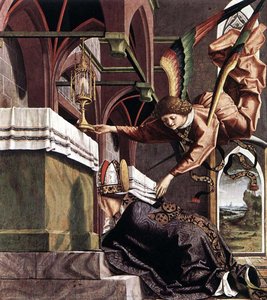
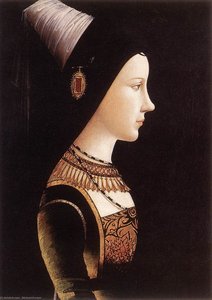
Michael Pacher portréja

A 43 legnevezesebb Michael Pacher festmény, egy galériaválaszték

Frissítve: november 2026 · rangsorolva népszerűségi pontszámunk alapján (minden mű keresései, látogatásai és megrendelései alapján) · 44 mű Michael Pacher alkotása a katalógusunkban

Röviden

Michael Pacher hagyatékából a leghíresebb alkotás Altarpiece of the Church Fathers: St Jerome (1483), amely a München városi Alte Pinakothek gyűjteményében található. Röviddel ezután követik őket Altarpiece of the Church Fathers: St Augustine and St Gregory (1483) és St Wolfgang Altarpiece: Resurrection of Lazarus (1479). Katalógusunkban 44 mű található Michael Pacher alkotótól; a galéria megőrizte a világ által leginkább csodált 43 darabot, melyeket a dátummal, a múzeummal és a történetükkel együtt mutatunk be.

1435 – 1498, Falzes Northern renaissance A legtöbb mű: Parish Church

Michael Pacher legjobb 10 festménye: a galéria válogatása

1
Altarpiece of the Church Fathers: St Jerome (1483) (1889) -ja Michael Pacher

Altarpiece of the Church Fathers: St Jerome

1483 · Acrylic On Canvas · Alte Pinakothek, München

Michael Pacher’s Altarpiece of the Church Fathers: St. Jerome, completed in 1483, isn't merely a painting; it’s an immersive theatrical experience rendered in oil on wood panel. Created during a pivotal moment in European art – bridging the Gothic and burgeoning Renaissance – this altarpiece transcends its religious function to become a profound meditation on faith, suffering, and the very nature of divine inspiration. Pacher, a Tyrolean artist born amidst…

2
Altarpiece of the Church Fathers: St Augustine and St Gregory (1483) (1889) -ja Michael Pacher

Altarpiece of the Church Fathers: St Augustine and St Gregory

1483 · Oil On Panel · Alte Pinakothek, München

In this 1483 work, Michael Pacher captures a profound moment of theological dialogue through the figures of St. Augustine and St. Gregory. The composition brings together the weight of Gothic tradition with the emerging clarity of Renaissance spatial awareness. You can see it in the way the figures occupy the space, appearing to emerge from their architectural niches with a physical presence that feels almost tangible. The scene is set…

3
St Wolfgang Altarpiece: Resurrection of Lazarus (1479) (1889) -ja Michael Pacher

St Wolfgang Altarpiece: Resurrection of Lazarus

1479 · Oil On Panel · Parish Church, St. Wolfgang

The air in the scene feels heavy with the scent of damp earth and ancient stone. At the center, a figure of divine authority reaches into the darkness of a tomb to pull a man back from the silence of death. Lazarus emerges, his body a pale contrast against the muted tones of the surrounding architecture. Around him, a crowd of thirteen souls gathers, their faces etched with the sudden,…

4
Mary of Burgundy (1490) (1889) -ja Michael Pacher

Mary of Burgundy

1490 · Oil On Panel · Heinz Kisters Collection, Kreuzlingen

A woman gazes directly at the viewer, her presence defined by a stark, monochromatic palette. She wears a dark dress that absorbs the light, contrasted by a gold necklace that catches a subtle glint. Her long hair falls around a face marked by a steady, unblinking stare. Behind her, a clock hangs upon the wall, a quiet marker of time within the composition. The work utilizes a black and white…

5
Saint Ambrose from Milan (1480) (1889) -ja Michael Pacher

Saint Ambrose from Milan

1480 · Tempera On Panel · Bavári Állami Festırménygyűjtemények, Munchen

The panel known as Saint Ambrose from Milan emerges from the intricate layers of the Altarpiece of the Church Fathers. Painted by Michael Pacher, this work captures a moment of profound spiritual connection. It exists as one of the four sections of a larger, complex structure designed to honor the great Doctors of the Western Church. The saint appears caught in a state of divine inspiration, a scene that breathes…

6
Saint Lawrence before Emperor Decius (1465) (1889) -ja Michael Pacher

Saint Lawrence before Emperor Decius

1465 · Oil On Panel

The panel titled Saint Lawrence before Emperor Decius is a work by the artist Michael Pacher. Created about 1465, this oil painting on a wooden panel captures a moment of profound religious tension. It functions as a specific component of the larger St. Lawrence Altarpiece, a complex structure designed to unfold its sacred narrative through various configurations.

7
Laurentius Altar: The Death of Mary (1462) (1889) -ja Michael Pacher

Laurentius Altar: The Death of Mary

1462 · Tempera On Panel · Bavári Állami Festırménygyűjtemények, Munchen

The Laurentius Altar: The Death of Mary by Michael Pacher captures a moment of heavy stillness. Created about 1462, the work centers on the Dormition of the Virgin. She lies at the heart of the scene, a figure of quiet transition. Around her, the apostles gather in a dense, crowded assembly. Their presence forms a ring of mourning, each face etched with the weight of the passing. The air in…

8
St. Peter (1465) (1889) -ja Michael Pacher

St. Peter

1465 · Tempera On Panel

This solemn religious portrait, titled St. Peter, presents a medium close-up of the saint's bust and head against an ornate, flat background. The composition is defined by a rich palette of opulent gold leaf, which serves as a backdrop for the figure. St. Peter is depicted wearing a deep teal or blue outer robe, and he holds a vibrant red book. A fine, etched halo of lines encircles his head,…

9
Pope Sixtus II. bids farewell to St. Lawrence (1465) (1889) -ja Michael Pacher

Pope Sixtus II. bids farewell to St. Lawrence

1465 · Oil On Panel

Created in 1465, this work reflects the stylistic shifts occurring in the mid-15th century. It bridges the expressive forms of Northern Gothic art with the emerging principles of Renaissance spatial composition. The even lighting emphasizes the sculptural quality of the figures, creating a sense of immediacy within the crowded, highly detailed panel. This precision in depicting light and shadow lends a palpable presence to the figures, making the historical encounter…

10
St. Paul (1465) (1889) -ja Michael Pacher

St. Paul

1465 · Tempera On Panel

In this 1465 portrait, we encounter St. Paul not as a distant figure of dogma, but as a man of profound weight and texture. The composition focuses on the saint from the chest up, positioned slightly off-center to allow the heavy, upright sword in his right hand to command the space. There is a quiet intensity in his gaze, framed by a beard of intricate, meticulously rendered curls that catch…

A Michael Pacher válogatás folytatódik: 11 – 43

11Church Fathers Altar, Outer Wing: Disputation of Saint Augustine with the Heretics (1480) (1889) -ja Michael PacherChurch Fathers Altar, Outer Wing: Disputation of Saint Augustine with the Heretics1480 · Bavári Állami Festırménygyűjtemények 12Church Fathers Altar: Saint Augustine (1480) (1889) -ja Michael PacherChurch Fathers Altar: Saint Augustine1480 · Bavári Állami Festırménygyűjtemények 13Scene on the right: Saint Gregory (1471) (1889) -ja Michael PacherScene on the right: Saint Gregory1471 · Bavári Állami Festırménygyűjtemények 14St. Barbara (1485) (1889) -ja Michael PacherSt. Barbara1485 15Joseph is trown into a well (1474) (1889) -ja Michael PacherJoseph is trown into a well1474 16Coronation of the Virgin (1471) (1889) -ja Michael PacherCoronation of the Virgin1471 · Parish Church 17The Engagement of Virgin (1495) (1889) -ja Michael PacherThe Engagement of Virgin1495 · Österreichische Galerie 18Annunciation (1465) (1889) -ja Michael PacherAnnunciation1465 · Alte Pinakothek 19St Catherine (1465) (1889) -ja Michael PacherSt Catherine1465 · Tiroler Landesmuseum Ferdinandeum 20Altarpiece of the Church Fathers: St Augustine Liberating a Prisoner (1483) (1889) -ja Michael PacherAltarpiece of the Church Fathers: St Augustine Liberating a Prisoner1483 · Alte Pinakothek 21St Wolfgang Altarpiece: Circumcision (1479) (1889) -ja Michael PacherSt Wolfgang Altarpiece: Circumcision1479 · Parish Church 22Altarpiece of the Church Fathers: Vision of St Sigisbert (1483) (1889) -ja Michael PacherAltarpiece of the Church Fathers: Vision of St Sigisbert1483 · Alte Pinakothek 23Follower of ) (1400) (1889) -ja Michael PacherFollower of )1400 24Altarpiece of the Church Fathers (1483) (1889) -ja Michael PacherAltarpiece of the Church Fathers1483 · Alte Pinakothek 25St Wolfgang Altarpiece: The Miracle of the Bread (1479) (1889) -ja Michael PacherSt Wolfgang Altarpiece: The Miracle of the Bread1479 · Parish Church 26Coronation of the Virgin between St Wolfgang and St Benedict (1479) (1889) -ja Michael PacherCoronation of the Virgin between St Wolfgang and St Benedict1479 · Parish Church 27St Wolfgang Altarpiece: Temptation of Christ (1479) (1889) -ja Michael PacherSt Wolfgang Altarpiece: Temptation of Christ1479 · Parish Church 28St Wolfgang Altarpiece: The Attempt to Stone Christ (1479) (1889) -ja Michael PacherSt Wolfgang Altarpiece: The Attempt to Stone Christ1479 · Parish Church 29St Wolfgang Altarpiece: Nativity (1479) (1889) -ja Michael PacherSt Wolfgang Altarpiece: Nativity1479 · Parish Church 30St Wolfgang Altarpiece: Purification of the Temple (1479) (1889) -ja Michael PacherSt Wolfgang Altarpiece: Purification of the Temple1479 · Parish Church 31St Wolfgang Altarpiece: Scenes from the Life of Christ (1479) (1889) -ja Michael PacherSt Wolfgang Altarpiece: Scenes from the Life of Christ1479 · Parish Church 32Flagellation (1495) (1889) -ja Michael PacherFlagellation1495 · Österreichische Galerie 33St Lawrence Distributing the Alms (1465) (1889) -ja Michael PacherSt Lawrence Distributing the Alms1465 · Alte Pinakothek 34St. Barbara (1889) -ja Michael PacherSt. Barbara 35st wolfgang altarpiece (1889) -ja Michael Pacherst wolfgang altarpiece 36Temptation of Christ (1889) -ja Michael PacherTemptation of Christ 37Marriage at Cana (1889) -ja Michael PacherMarriage at Cana 38Baptism of Christ (1889) -ja Michael PacherBaptism of Christ 39Christ and the Adulteress (1889) -ja Michael PacherChrist and the Adulteress 40St Augustine and St Gregory (1889) -ja Michael PacherSt Augustine and St GregoryBavári Állami Festırménygyűjtemények 41St augustine freeing a prisoner (1889) -ja Michael PacherSt augustine freeing a prisoner 42Scenes from the Life of Christ (1889) -ja Michael PacherScenes from the Life of Christ 43The Virgin and Child Enthroned with Angels and Saints (1889) -ja Michael PacherThe Virgin and Child Enthroned with Angels and SaintsNational Gallery

Michael Pacher híres festményei, korszakonként

A témák, amelyek Michael Pacher figyelmét meghúzták

A négy leggyakorobban előforduló téma ebben az eredeti művekben, mindegyik a legkiválóbb példájával.

A műemlékek, amelyek Michael Pacher eredeti műveit őrzik

A 7 olyan múzeum, amely a legtöbb ezen az oldalon szereplő festményet őrzi.

Múzeum Város Michael Pacher művei Ebből a listából származó festmények
Parish Church, St. WolfgangParish Church St. Wolfgang 10 St Wolfgang Altarpiece: Resurrection of Lazarus, Coronation of the Virgin, St Wolfgang Altarpiece: Circumcision
Alte Pinakothek, MünchenAlte Pinakothek München 7 Altarpiece of the Church Fathers: St Jerome, Altarpiece of the Church Fathers: St Augustine and St Gregory, Annunciation
Bavári Állami Festırménygyűjtemények, MunchenBavári Állami Festırménygyűjtemények Munchen 6 Saint Ambrose from Milan, Laurentius Altar: The Death of Mary, Church Fathers Altar, Outer Wing: Disputation of Saint Augustine with the Heretics
Österreichische Galerie, BécsÖsterreichische Galerie Bécs 2 The Engagement of Virgin, Flagellation
Heinz Kisters Collection, KreuzlingenHeinz Kisters Collection Kreuzlingen 1 Mary of Burgundy
Tiroler Landesmuseum Ferdinandeum, InnsbruckTiroler Landesmuseum Ferdinandeum Innsbruck 1 St Catherine
National Gallery, LondonNational Gallery London 1 The Virgin and Child Enthroned with Angels and Saints

Michael Pacher évtizede folgtva: az eredeti művek, amelyek meghatározzák az egyes korzakot

Művek évtizedenként

Váassz ki egy évtizedet, hogy megnézhesd az azt meghatározó eredetiműveket.

Gyűjtői kérdések Michael Pacher festményeivel kapcsolatban

Melyik művel a(z) Michael Pacher a leghíresebb?Fedje fel a választ

Altarpiece of the Church Fathers: St Jerome (1483), Alte Pinakothek, München. Ezután Altarpiece of the Church Fathers: St Augustine and St Gregory (1483) és St Wolfgang Altarpiece: Resurrection of Lazarus (1479) következik.

Hány éves volt Michael Pacher, amikor a Altarpiece of the Church Fathers: St Jerome készült?Fedje fel a választ

48 éves: Altarpiece of the Church Fathers: St Jerome 1483-ből származik, Michael Pacher pedig 1435-ben született.

Melyek a tíz leghíresebb Michael Pacher festmény?Fedje fel a választ

Altarpiece of the Church Fathers: St Jerome, Altarpiece of the Church Fathers: St Augustine and St Gregory, St Wolfgang Altarpiece: Resurrection of Lazarus, Mary of Burgundy, Saint Ambrose from Milan, Saint Lawrence before Emperor Decius, Laurentius Altar: The Death of Mary, St. Peter, Pope Sixtus II. bids farewell to St. Lawrence és St. Paul. A fenti rangsor a művek évszamarát és a múzeumát jelzi.

Hány festményet hagyott hátra Michael Pacher?Fedje fel a választ

Katalógusunkban 44 mű található Michael Pacher alkotótól, 1462 és 1495 év közötti időszakból.

Mely múzeumokban állnak Michael Pacher remekművei?Fedje fel a választ

Leginkább Parish Church (St. Wolfgang), Alte Pinakothek (München) és Bavári Állami Festırménygyűjtemények (Munchen) található. A fenti múzeumi táblázatban mindegyik felsorolásra került.

Mely években festette Michael Pacher leghíresebb műveit?Fedje fel a választ

1470s alatt: a jelen laphonon található 43 műből 12 készült ebben az időszakban, köztük St Wolfgang Altarpiece: Resurrection of Lazarus.

Mikszétek az első és az utolsó híres eredeti műve a(z) Michael Pacher alkotótól?Fedje fel a választ

Ezen az oldalon a leghitelesebb Laurentius Altar: The Death of Mary (1462), a legutóbbi pedig The Engagement of Virgin (1495).

Milyen témaköröket választott leggyakrabban Michael Pacher?Fedje fel a választ

Altarpiece (9), Saints (7) és Christianity (7), a jelen oldalon található 43 műművészeti alkotás között.

Melyik technikát alkalmazta leggyakrabban Michael Pacher?Fedje fel a választ

Oil On Panel, a jelen oldalon található 43 műből 13 darab esetén.

Mely művészeti irányba tartozik Michael Pacher?Fedje fel a választ

Northern renaissance, ezen az oldalon található eredetiek alapján.

Mely Michael Pacher művei láthatóak a Parish Church kiállتításán?Fedje fel a választ

St Wolfgang Altarpiece: Resurrection of Lazarus, Coronation of the Virgin és St Wolfgang Altarpiece: Circumcision: a Parish Church, St. Wolfgang 10 művet őrzi ezen az oldalon.

Michael Pacher: életmű és életút

Tyrolói híd két világ között

Michael Pacher, ki körülbelül 1435-ben született Bolzano alpesi tájában, meghatározó alakként áll a német nyelvű területeken a gótikus művészet és a feltörekvő reneszánsz szellem közötti átmenetben. Nem csupán egy művész volt; igazi mester, aki zökkenőmentesen ötvözte a festészetet a szobrászattal, az építészetet a legfinomabb részletekkel, olyan oltárockat erschorbva, amelyek nem csupán vallási tárgyak voltak, hanem hit és történetmesélés olyan magával ragadó világai, amelyekbe a néző teljesen belemerülhet. Bár korai évei még vonják a titok szálai – kezdeti képzése kapcsán kevés részlet áll rendelkezésre –, egyértelmű, hogy Pacher birtokában volt az a veleszületett tehetség, amelyet a 15. század közepe Tyrolánán áramló művészeti áramlatok öltözöttem. Utazása döntő fordulatot vett, amikor ellátogatott az olिशा Padová városába, ahol Andrea Mantegna forradalmi freskóival találkozott. Ez a tapasztalat átalakító erejű volt, új értelmezést impartálva munkásságának a perspektíva és a térkompozíció tekintetében – olyan elemeket, amelyek megkülönböztették őt kortársai nagy részétől.

A Szent Wolfgang-oltár: Felfedezett remekmű

Pacher hírnevét leginkább a csodálatos Szent Wolfgang-oltár tartja fenn, amelyet 1471 és 1481 között készítettek az osztrákországi zaránoktemplom számára. Ez nem csupán egy festmény; egy bonyolult poliptichum, egy többpanelű remekmű, amelyet úgy terveztek, hogy szent történetként nyíljon ki a néző előtt. Az oltár zseniális kialakítása három különböző megjelenítési módot tesz lehetővé: egyet a mindennapi istentisztekhez, egy díszesebbet a vasárnapokra, és egy teljesen kinyitott változatot, amelyet csak a különleges ünnepi napokra fenntartanak. Minden egyes konfiguráció Jézus és Szűz Mária életéből különböző jeleneteket tár fel, amelyek a lenyűgöző központi panelben csúcsolódnak ki: az Égi Királynőként való koronázást ábrázolja – egy olyan szobrászművészi alkotást, amely isteni fenségtől árad. A külső szárnyakon Szent Wolfgang életének epizódjai láthatóak, a zaránokok és a kézművesek zaštpatronja. A kutatók azt sugallják, hogy testvére, Friedrich Pacher is hozzájárult néhány külső panel megfestéséhez, ami a műhelyben fennálló együttműködő szellemet tükrözi. Amit ezt a művet valóban különlegessé teszt, az annak hatalmas mérete, összetettsége, valamint a festett elemekben és a finoman faragott alakzatokban megjelenő megdöbbentő részletgazdag kidolgozottság. Ez Pacher képességének bizonyítéka, hogy képes volt egyszerre több művészeti ágazatot is magabiztosan irányítani.

Művészágak összefonódása: Festészet, szobrászat és építészeti vízió

A Szent Wolfgang-oltáron túlvezetően Pacher egyedülálló művészeti szintézisét olyan alkotásokban is demonstrálta, mint a Egyházatyák oltára, amelyet körülbelül 1483-ban készítettek a Neustift Apátság számára. Itt mesteri módon torlaszolta össze a festészet és a szobrászat határait, egységes művészeti élményt teremtve. Az Egyházatyák monumentális alakjai úgy tűnnek, mintha kiemelkednének niszheikből, érezhető jelenléggel áradva. Pacher fény- és árnyékmanipulációs készsége tovább fokozza ezt a hatást, mélységet és realizmust kölcsönözve a kompozíciónak. Ő nem csupán ábrázolta a teret; maga *alkotta meg* azt az oltár szerkezeti keretein belül. Ez az innovatív megközelítés jelentős befolyást gyakorolt Észak-Európa későbbi generációi művészeire is, akik törekedtek arra, hogy utánozzák képességét, mely képes volt különböző művészeti technikákat egy összefüggő egésszé integrálni.

Örökség és maradandó hatás

1467-re Pacher már létrehozott egy virágzó műhelyt Bruneckben, és meghatározó alakká vált a tyroli művészet színterén. Különböző vallási rendszerek is megrendeléseket adtak neki, köztük a salzburgi franciskánok körülbelül 1484-ben. Sajnos számos alkotása elveszett vagy sérült az idő során a konfliktusok és természeti katasztrófák miatt – ami a művészeti örökség törékenységének fájdalmas emlékeztetője. Ennek ellenére a túlélő remekművek Pacher kivételes tehetségének és innovatív szellemének tartós bizonyítékai maradnak. Igazi úttörő volt, aki sikeresen áthidalta a szakadékot a észak-európai gótikus művészet kifejező formái és az olasz reneszánsz festészet megjelenő elvei között. Öröksége nemcsak alkotásai szépségében és technikai brillanciájában rejlik, hanem abban a képességében is, mely képes volt egy olyan egyedülálló, személyes stílust kialakítani, amely évszázadokkal később is lenyűgözi és inspirálja a nézőket. Pacher munkássága döntő pillanatot képvisel a művészettörténetben – egy olyan időszakot, amikor a hagyomány és az innováció találkozott, új művészeti lehetőségek születésének helyszínévé válva.