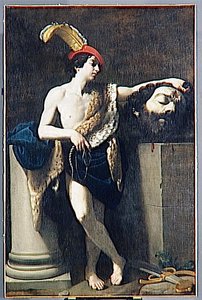
Guido Reni portréja

A 100 legnevesebbebb Guido Reni festmény, mindegyik egyedistens

Frissítve: november 2026 · rangsorolva népszerűségi pontszámunk alapján (minden mű keresései, látogatásai és megrendelései alapján) · 357 mű Guido Reni alkotása a katalógusunkban

Röviden

Az ártatlanok meggyilkolása (1611) az a Guido Reni festmény, amely a legtöbb tekintetet felvonja; az eredeti mű a Pinacoteca Nazionale gyűjteményében található, Bologna. Ezután a tekintet Ecce Homo (1639) és St Filippo Neri in Ecstasy (1614) elemre irányul. A Guido Reni 357 műve közül a katalógusunkban megtalálható 100 legnépesebb alkotás, melyeket az év, a múzeum és az örökévalóságának okai kísérnek.

1575 – 1642, Bologna Baroque A legtöbb mű: Bavári Állami Festırménygyűjtemények

A galéria szemével: Guido Reni legjobb 10 festménye

1
Az ártatlanok meggyilkolása (1611) (1889) -ja Guido Reni

Az ártatlanok meggyilkolása

1611 · Olajfestmény vászonon · Pinacoteca Nazionale, Bologna

Guido Reni 1611-ben készített „Az ártatlanok meggyilkolása” című remekműve nem csupán egy bibliai tragédia ábrázolása; ez a szenvedelmesség, az elvesztett ártatolság és a gátoltatlan hatalom borzalmas következéseiről szóló, mélyen megindítóak meditáció. A bolognai iskola intenzív vallási lelkesedésének és művészeti innovációjának korszakában született alkotás túlép a történelmi kontextuson, hogy tartós érzelmi igazsággal szólaljon meg. A 268 x 170 cm-es méretű mű a látogatót azonnal a jelenet szívébe taszítja, megragyogtatva a narratívában…

2
Ecce Homo (1639) (1889) -ja Guido Reni

Ecce Homo

1639 · Olajfestmény vászonon · Louvre Múzeum, Párizs

In the profound stillness of Guido Reni’s Ecce Homo, viewers are invited into a moment of unparalleled spiritual intensity. Completed around 1639 to 1640, this Baroque masterpiece captures the pivotal biblical instant when Jesus Christ is presented by Pontius Pilate to a hostile crowd. The painting transcends mere historical illustration, serving instead as a window into the very soul of Christian iconography. Reni presents a figure of striking realism; Christ’s…

3
St Filippo Neri in Ecstasy (1614) (1889) -ja Guido Reni

St Filippo Neri in Ecstasy

1614 · Oil On Canvas · Chiesa di Santa Maria in Vallicella, Róma

Guido Reni’s “St. Filippo Neri in Ecstasy,” painted in 1614, is more than just a depiction of a religious scene; it's a profound meditation on faith, humility, and the transformative power of divine grace. Executed during the height of the Baroque period, this work exemplifies Reni’s signature style – a masterful blend of classical restraint and deeply felt emotion. Measuring 180 x 110 cm, the painting invites viewers into a…

4
Saint Roch (1617) (1889) -ja Guido Reni

Saint Roch

1617 · Oil On Canvas

To gaze upon this magnificent Baroque canvas is to step directly into a moment suspended between earthly suffering and heavenly grace. Depicting the saint, Saint Roch, the scene unfolds with an almost palpable sense of quietude, yet it pulses with profound spiritual energy. The central figure lies reclined, his posture suggesting both vulnerability and ultimate repose. His head, gently supported by his hand, directs our gaze outward, inviting contemplation on…

5
Assumption (1617) (1889) -ja Guido Reni

Assumption

1617 · Oil On Canvas

In the grand tapestry of the Baroque era, few images capture the profound intersection of human devotion and divine glory as exquisitely as Guido Reni’s Assumption. Painted in 1617, this monumental oil on canvas serves as a breathtaking window into the heavens, transporting the viewer from the earthly realm to a state of spiritual transcendence. The composition centers on the Virgin Mary, caught in the miraculous moment of her ascent.…

6
Saint Jerome (1625) (1889) -ja Guido Reni

Saint Jerome

1625 · Oil On Canvas · National Gallery, London

A single beam of light strikes from the upper left, carving an elderly man out of the heavy shadows. This is Saint Jerome, caught in a moment of intense religious penitence. His weathered face and long, flowing white beard emerge from the dark, illuminated by a directional glow that highlights the muscular tension in his shoulder. A deep, crimson-red cloak wraps around his torso, providing a sharp contrast to the…

7
Judith Beheads Holofernes (1608) (1889) -ja Guido Reni

Judith Beheads Holofernes

The composition is defined by a violent, diagonal movement that pulls the viewer into the immediate struggle between Judith and Holofernes. Light emerges from the upper left, casting deep shadows across the scene and highlighting the pale skin of the protagonists against an indistinct, dark background. This chiaroscuro effect emphasizes the physical strain in the figures, particularly the musculature of the bodies caught in the act of decapitation. The brushstrokes…

9
St Jerome (1635) (1889) -ja Guido Reni

St Jerome

1635 · Oil On Canvas · Kunsthistorisches Museum, Bécs

Guido Reni's "St. Jerome," painted around 1635, is more than just a depiction of a revered biblical figure; it’s an immersive experience in solemnity and profound introspection. Rendered with the meticulous detail characteristic of the Baroque period, this oil on canvas work transports the viewer into the heart of St. Jerome's solitary existence – a life dedicated to prayer, translation, and wrestling with the weighty questions of faith and mortality.…

10
Ecce Homo (1639) (1889) -ja Guido Reni

Ecce Homo

1639 · Oil On Canvas · Städel Múzeum, Frankfurt

Ecce Homo is an oil on canvas painting by the artist Guido Reni. The work is dated 1639 and focuses on religious iconography. The composition centers on the Christ figure, presenting a depiction of the crucifixion of Jesus. This specific subject matter places the work within the tradition of biblical narrative painting.

Guido Reni híres festményei, 11 és 100 között

11The Four Seasons (1617) (1889) -ja Guido ReniThe Four Seasons1617 · Museo di Capodimonte 12St. Peter Penitent (1600) (1889) -ja Guido ReniSt. Peter Penitent1600 13The circumcision of the Child Jesus (1640) (1889) -ja Guido ReniThe circumcision of the Child Jesus1640 14Saint Paul (1634) (1889) -ja Guido ReniSaint Paul1634 · Museo del Prado 15St Mary Magdalene (1633) (1889) -ja Guido ReniSt Mary Magdalene1633 · Galleria Nazionale d'Arte Antica 16Self Portrait (1604) (1889) -ja Guido ReniSelf Portrait1604 17David with the Head of Goliath (1605) (1889) -ja Guido ReniDavid with the Head of Goliath1605 · Galleria degli Uffizi 18Moses with the Tables of the Law (detail) (1624) (1889) -ja Guido ReniMoses with the Tables of the Law (detail)1624 · Galleria Borghese 19Salome with the Head of Saint John the Baptist (1639) (1889) -ja Guido ReniSalome with the Head of Saint John the Baptist1639 · Art Institute of Chicago 20DAVID VAINQUEUR DE GOLIATH (1889) -ja Guido ReniDAVID VAINQUEUR DE GOLIATHLouvre Múzeum 21Assumption (1600) (1889) -ja Guido ReniAssumption1600 22David with the head of Goliath (1606) (1889) -ja Guido ReniDavid with the head of Goliath1606 23Lucretia (1626) (1889) -ja Guido ReniLucretia1626 24David with the Head of Goliath (1605) (1889) -ja Guido ReniDavid with the Head of Goliath1605 · Louvre Múzeum 25The Glory of St Dominic (1613) (1889) -ja Guido ReniThe Glory of St Dominic1613 · San Domenico Bazilikája 26Martyrdom of Saint Catherine of Alexandria (1607) (1889) -ja Guido ReniMartyrdom of Saint Catherine of Alexandria1607 27The Madonna Sewing (1611) (1889) -ja Guido ReniThe Madonna Sewing1611 · Quirinale Palota 28Assumption of the Virgin (1590) (1889) -ja Guido ReniAssumption of the Virgin1590 · Städel Múzeum 29Atalanta and Hippomenes (1612) (1889) -ja Guido ReniAtalanta and Hippomenes1612 · Museo del Prado 30The Sleeping Christ Child (1700) (1889) -ja Guido ReniThe Sleeping Christ Child1700 · Bavári Állami Festırménygyűjtemények 31Apollo Flays Marsyas (1608) (1889) -ja Guido ReniApollo Flays Marsyas1608 · Bavári Állami Festırménygyűjtemények 32Venus and Cupid (1626) (1889) -ja Guido ReniVenus and Cupid1626 · Toledo Művészeti Múzeum 33Saint Ursula (1642) (1889) -ja Guido ReniSaint Ursula1642 · Saltram House 34Saint Jerome (1634) (1889) -ja Guido ReniSaint Jerome1634 · Kunsthistorisches Museum 35Aurora (1614) (1889) -ja Guido ReniAurora1614 36David (1620) (1889) -ja Guido ReniDavid1620 · Kunsthistorisches Museum 37Maria Magdalena (1637) (1889) -ja Guido ReniMaria Magdalena1637 · Kunsthistorisches Museum 38Massacre of the Innocents in Bethlehem (1608) (1889) -ja Guido ReniMassacre of the Innocents in Bethlehem1608 · Bavári Állami Festırménygyűjtemények 39Christ at the Column (1604) (1889) -ja Guido ReniChrist at the Column1604 · Städel Múzeum 40Self-portrait (1635) (1889) -ja Guido ReniSelf-portrait1635 · Galleria degli Uffizi 41Saint John (1621) (1889) -ja Guido ReniSaint John1621 42Saint Matthew (1621) (1889) -ja Guido ReniSaint Matthew1621 43Lucretia Killing Herself (1601) (1889) -ja Guido ReniLucretia Killing Herself1601 · Museo del Prado 44Head of Christ Crowned with Thorns (1620) (1889) -ja Guido ReniHead of Christ Crowned with Thorns1620 · Detroit Institute of Arts 45Drinking Bacchus (1623) (1889) -ja Guido ReniDrinking Bacchus1623 · Gemäldegalerie Alte Meister 46Portrait of a Woman (1638) (1889) -ja Guido ReniPortrait of a Woman1638 · Birmingham Museum and Art Gallery 47The Coronation of the Virgin (1607) (1889) -ja Guido ReniThe Coronation of the Virgin1607 · National Gallery 48Bust of a Woman Wearing a Turban (1640) (1889) -ja Guido ReniBust of a Woman Wearing a Turban1640 · Minneapolis Institute of Art 49The death of Lucretia (1638) (1889) -ja Guido ReniThe death of Lucretia1638 · Galleria Sabauda 50Saint Jerome (1608) (1889) -ja Guido ReniSaint Jerome1608 · Bavári Állami Festırménygyűjtemények 51Saint Jerome (1608) (1889) -ja Guido ReniSaint Jerome1608 · Bavári Állami Festırménygyűjtemények 52Christ embracing Saint John the Baptist (1600) (1889) -ja Guido ReniChrist embracing Saint John the Baptist1600 · National Gallery 53The Union of Drawing and Color (1620) (1889) -ja Guido ReniThe Union of Drawing and Color1620 · Städel Múzeum 54Saint Jerome (1636) (1889) -ja Guido ReniSaint Jerome1636 · Staatliche Kunstsammlungen Dresden 55The Madonna (1616) (1889) -ja Guido ReniThe Madonna1616 · Statens Museum for Kunst 56The Rape of Helen (1631) (1889) -ja Guido ReniThe Rape of Helen1631 57Madonna with St. Lucia and St. Mary Magdalene (1889) -ja Guido ReniMadonna with St. Lucia and St. Mary Magdalene 58Mary with Child (1608) (1889) -ja Guido ReniMary with Child1608 · Bavári Állami Festırménygyűjtemények 59Hercules as a Child (1608) (1889) -ja Guido ReniHercules as a Child1608 · Bavári Állami Festırménygyűjtemények 60The Penitent Saint Peter (1608) (1889) -ja Guido ReniThe Penitent Saint Peter1608 · Bavári Állami Festırménygyűjtemények 61Flight into Egypt (1608) (1889) -ja Guido ReniFlight into Egypt1608 · Bavári Állami Festırménygyűjtemények 62Bacchus as Child (1608) (1889) -ja Guido ReniBacchus as Child1608 · Bavári Állami Festırménygyűjtemények 63Sleeping Christ Child (oval) (1608) (1889) -ja Guido ReniSleeping Christ Child (oval)1608 · Bavári Állami Festırménygyűjtemények 64Sorrowful Madonna (1608) (1889) -ja Guido ReniSorrowful Madonna1608 · Bavári Állami Festırménygyűjtemények 65Child with Goldfinch (1608) (1889) -ja Guido ReniChild with Goldfinch1608 · Bavári Állami Festırménygyűjtemények 66Saint Magdalene (1608) (1889) -ja Guido ReniSaint Magdalene1608 · Bavári Állami Festırménygyűjtemények 67Saint Margaret (1606) (1889) -ja Guido ReniSaint Margaret1606 · Westfälisches Landesmuseum 68The Separation of Night from Day (1598) (1889) -ja Guido ReniThe Separation of Night from Day1598 · Kingston Lacy 69Christ appearing to the Virgin (1608) (1889) -ja Guido ReniChrist appearing to the Virgin1608 · Fitzwilliam Museum 70Madonna and Child with St. John the Baptist (1606) (1889) -ja Guido ReniMadonna and Child with St. John the Baptist1606 71Medallions Depicting the Life and Passion of Jesus (1597) (1889) -ja Guido ReniMedallions Depicting the Life and Passion of Jesus1597 72St. Margarete (1600) (1889) -ja Guido ReniSt. Margarete1600 73Death of Cleopatra (1598) (1889) -ja Guido ReniDeath of Cleopatra1598 74St. Sebastian (1615) (1889) -ja Guido ReniSt. Sebastian1615 · Rhode Island School of Design Museum of Art 75Madonna in Estasi (1610) (1889) -ja Guido ReniMadonna in Estasi1610 76The Penitent Mary Magdalene (1616) (1889) -ja Guido ReniThe Penitent Mary Magdalene1616 · Statens Museum for Kunst 77Troen. Allegorisk kvindefigur (1616) (1889) -ja Guido ReniTroen. Allegorisk kvindefigur1616 · Statens Museum for Kunst 78Portrait of Pope Gregory XV (1622) (1889) -ja Guido ReniPortrait of Pope Gregory XV1622 · Corsham Court 79The hermits Paul and Antonius in the desert (1620) (1889) -ja Guido ReniThe hermits Paul and Antonius in the desert1620 · Gemäldegalerie 80Crucifixion (1619) (1889) -ja Guido ReniCrucifixion1619 81Jesus Christ Crucified between St. Catherine of Alexandria and St. Julius, (1622) (1889) -ja Guido ReniJesus Christ Crucified between St. Catherine of Alexandria and St. Julius,1622 82Mary and angels (1611) (1889) -ja Guido ReniMary and angels1611 83Sibylle (1636) (1889) -ja Guido ReniSibylle1636 84Ninus Delivers His Crown to Semiramis (1625) (1889) -ja Guido ReniNinus Delivers His Crown to Semiramis1625 · Staatliche Kunstsammlungen Dresden 85Madonna and Child with angels (1631) (1889) -ja Guido ReniMadonna and Child with angels1631 · Musée Condé 86Lucretia (1625) (1889) -ja Guido ReniLucretia1625 · Rhode Island School of Design Museum of Art 87The Penitent Magdalene (1635) (1889) -ja Guido ReniThe Penitent Magdalene1635 · Walters Art Museum 88Dido and Aeneas (1630) (1889) -ja Guido ReniDido and Aeneas1630 89The Coronation of the Virgin (1626) (1889) -ja Guido ReniThe Coronation of the Virgin1626 90Self-portrait (1635) (1889) -ja Guido ReniSelf-portrait1635 91Portrait of Cardinal Bernardino Spada (1631) (1889) -ja Guido ReniPortrait of Cardinal Bernardino Spada1631 92Crowned love and profane Love (1623) (1889) -ja Guido ReniCrowned love and profane Love1623 93Adoration of the Magi (1642) (1889) -ja Guido ReniAdoration of the Magi1642 · Cleveland Museum of Art 94Ecce Homo (1639) (1889) -ja Guido ReniEcce Homo1639 · Fitzwilliam Museum 95Blessed Soul (1640) (1889) -ja Guido ReniBlessed Soul1640 · Capitoline-múzeumok 96The infant Jesus and St. John (1640) (1889) -ja Guido ReniThe infant Jesus and St. John1640 · Capitoline-múzeumok 97Saint John the Baptist in the Desert (1638) (1889) -ja Guido ReniSaint John the Baptist in the Desert1638 · Royal Collection 98The Mourning Virgin (1608) (1889) -ja Guido ReniThe Mourning Virgin1608 · Walters Art Museum 99Judith (1620) (1889) -ja Guido ReniJudith1620 · Birmingham Museum of Art 100Mary Magdalene Between Two Angels (1600) (1889) -ja Guido ReniMary Magdalene Between Two Angels1600 · Dayton Art Institute

Guido Reni híres festményei, korszakonként

A témák, amelyek Guido Reni figyelmét meghúzták

A négy leggyakorobban előforduló téma ebben az eredeti művekben, mindegyik a legkiválóbb példájával.

A műemlékek, amelyek Guido Reni eredeti műveit őrzik

A 8 olyan múzeum, amely a legtöbb ezen az oldalon szereplő festményet őrzi.

Múzeum Város Guido Reni művei Ebből a listából származó festmények
Bavári Állami Festırménygyűjtemények, MunchenBavári Állami Festırménygyűjtemények Munchen 24 Judith Beheads Holofernes, David, The Sleeping Christ Child
Kunsthistorisches Museum, BécsKunsthistorisches Museum Bécs 9 St Jerome, Saint Jerome, David
Städel Múzeum, FrankfurtStädel Múzeum Frankfurt 4 Ecce Homo, Assumption of the Virgin, Christ at the Column
Louvre Múzeum, PárizsLouvre Múzeum Párizs 19 Ecce Homo, DAVID VAINQUEUR DE GOLIATH, David with the Head of Goliath
Museo del Prado, MadridMuseo del Prado Madrid 17 Saint Paul, Atalanta and Hippomenes, Lucretia Killing Herself
National Gallery, LondonNational Gallery London 8 Saint Jerome, The Coronation of the Virgin, Christ embracing Saint John the Baptist
Statens Museum for Kunst, KoppenhágaStatens Museum for Kunst Koppenhága 6 The Madonna, The Penitent Mary Magdalene, Troen. Allegorisk kvindefigur
Capitoline-múzeumok, RómaCapitoline-múzeumok Róma 8 Blessed Soul, The infant Jesus and St. John

Guido Reni évtizedekig: egy egyedi eredeti mű minden évtizedben

Művek évtizedenként

Váassz ki egy évtizedet, hogy megnézhesd az azt meghatározó eredetiműveket.

Guido Reni festményei: kérdések a galériának

Mi a leghíresebb műve Guido Reninek?Fedje fel a választ

Az ártatlanok meggyilkolása (1611), Pinacoteca Nazionale, Bologna. Ezután Ecce Homo (1639) és St Filippo Neri in Ecstasy (1614) következik.

Milyen életkorában alkotta meg Guido Reni a(z) Az ártatlanok meggyilkolása műszt?Fedje fel a választ

36 éves: Az ártatlanok meggyilkolása 1611-ből származik, Guido Reni pedig 1575-ben született.

Melyik tíz festménye Guido Reni a leghíresebb?Fedje fel a választ

Az ártatlanok meggyilkolása, Ecce Homo, St Filippo Neri in Ecstasy, Saint Roch, Assumption, Saint Jerome, Judith Beheads Holofernes, David, St Jerome és Ecce Homo. A fenti rangsor a művek évszamarát és a múzeumát jelzi.

Hány mű alkotása ismert Guido Reni nevében?Fedje fel a választ

Katalógusunkban 357 mű található Guido Reni alkotótól, 1590 és 1642 év közötti időszakból.

Hol tekinthetők meg a leghíresebb Guido Reni eredetijeit?Fedje fel a választ

Leginkább Bavári Állami Festırménygyűjtemények (Munchen), Kunsthistorisches Museum (Bécs) és Städel Múzeum (Frankfurt) található. A fenti múzeumi táblázatban mindegyik felsorolásra került.

Melyik időszakban alkotta Guido Reni a leghíresebb festményeit?Fedje fel a választ

1600s alatt: a jelen laphonon található 100 műből 32 készült ebben az időszakban, köztük Judith Beheads Holofernes.

Melyik híres Guido Reni festmény a legkorábbi, és melyik a legutóbb készült?Fedje fel a választ

Ezen az oldalon a leghitelesebb Assumption of the Virgin (1590), a legutóbbi pedig Saint Ursula (1642).

Milyen témakörket kedvelt Guido Reni?Fedje fel a választ

Woman (38), Man (32) és Drapery (28), a jelen oldalon található 100 műművészeti alkotás között.

Milyen anyagokkal festett leggyakrabban Guido Reni?Fedje fel a választ

Oil On Canvas, a jelen oldalon található 100 műből 70 darab esetén.

Mely művészeti irányba tartozik Guido Reni műve?Fedje fel a választ

Baroque, ezen az oldalon található eredetiek alapján.

Milyen Guido Reni eredeti műveket láthatok a Bavári Állami Festırménygyűjtemények kiállításaiban?Fedje fel a választ

Judith Beheads Holofernes, David és The Sleeping Christ Child: a Bavári Állami Festırménygyűjtemények, Munchen 16 művet őrzi ezen az oldalon.

Guido Reni: a művész portréja

Guido Reni (Le Guide): Élete és öröksége

Guido Reni, becéző nevén Le Guide, 1575-ben született Bolognában, Olaszországban. Daniele Reni zenész és Ginevra Pozzi, szintén zenei családból származó nő fia volt. Ez a környezet mély érzékét ébresztette benne a harmóniával és a formával kapcsolatban, ami később jelentősen befolyásolta művészi stílusát. Már kilencéves korában elkezdett tanulni Denis Calvaert flamand festőnél Bolognában. Albani és Domenichino társaságában képezte magát, megalapozva klasszikus elveket követő tudását.

Művészi pályafutása és fejlődése

Reni művészi karrierje több olasz várost is átfogott, beleértve Rómát, Nápolyt és szülővárosát, Bolognát. Korai munkái Calvaert és a Carracci testvérek hatását mutatják, hangsúlyozva az anatómiai pontosságot és a drámai kompozíciót. Azonban Reni hamarosan egyedi stílust alakított ki, amelyet elegáns klasszicizmus, kifinomult technika és érzelmi intenzitás jellemezett. A Bolognai Iskola meghatározó alakjává vált, amely az akadémiai képzésre és az idealizált formákra helyezte a hangsúlyt.

Főbb hatások

  • Denis Calvaert: Reni első tanára erős alapot adott neki a flamand festészeti technikákban.
  • A Carracci család (Annibale, Agostino, Ludovico): Klasszikus művészetre és anatómiai tanulmányokra való hangsúlyuk mélyen befolyásolta művészi fejlődését.
  • Raphael: Reni nagyra becsülte Raphael kecsességét és harmonikus kompozícióit, amelyek számos munkájában megfigyelhetők.

Főbb művei és művészeti stílusa

Reni életműve széles tárgykört ölel fel, beleértve vallási jeleneteket, mitológiai történeteket és allegorikus ábrázolásokat. Legünnepeltebb alkotásai közé tartoznak:

  • Apolló a nap szekerén (Albertina, Bécs): Egy dinamikus rajz, amely Reni barokk stílusának mesterségét mutatja be.
  • Szent Jakab nagyobb: Képezi képességének bizonyítékát vallási hevület és emberi érzelmek megragadásában.
  • Atalanta és Hippomenes (Capodimonte Palota, Nápoly): Mitológiai festményeinek példája, amelyet kecses alakok és drámai történetmesélés jellemez.
  • Szent Jeromos: Tanúbizonyság Reni képességéről a kompozíciót az érzelmi mélységgel egyensúlyozni.
  • Tarantella (Capodimonte Palota, Nápoly): Illusztrálja hatását az olasz néptánckultúrára.

Reni stílusát gyakran eklektikus klasszicizmusként írják le. Ötvözte a klasszikus művészet pontosságát a barokk korszak dinamizmussal és érzelmeivel. Alakjai tipikusan idealizáltak, békés szépséggel és kecses mozgással rendelkeznek.

Történelmi jelentősége és öröksége

Guido Reni kulcsfontosságú szerepet játszott az olasz magas barokk stílus formálásában. Több generációt inspirált kifinomult technikájával, elegáns kompozícióival és érzelmi mélységével. Művei a világ számos neves múzeumában találhatók meg, beleértve a nápolyi Capodimonte Palotát is. Reni öröksége a festészeten túlmutat; kora tiszteletreméltő költője és intellektuális alakja volt.

Művészete ma is inspirálja az alkotókat és a művészet szerelmeseit, megerősítve helyét a 17. század egyik legfontosabb festőjeként. Hatása megfigyelhető a későbbi barokk művészeknél, akik kecsességét és érzelmi erejét kívánták utánozni.

Halála

Guido Reni 1642-ben halt meg Bolognában, gazdag művészeti örökséget hagyva maga után, amely a mai napig lenyűgözi a közönséget.