George Bellows portréja

A 100 legnevezesebb George Bellows festmény, egy galériaválaszték

Frissítve: november 2026 · rangsorolva népszerűségi pontszámunk alapján (minden mű keresései, látogatásai és megrendelései alapján) · 318 mű George Bellows alkotása a katalógusunkban

Röviden

George Bellows hagyatékából a leghíresebb alkotás Men of the Docks (1912), amely a London városi National Gallery gyűjteményében található. Röviddel ezután követik őket Ringside Seats (1924) és Forty-Two Kids (1907). Katalógusunkban 318 mű található George Bellows alkotótól; a galéria megőrizte a világ által leginkább csodált 100 darabot, melyeket a dátummal, a múzeummal és a történetükkel együtt mutatunk be.

1882 – 1925, Columbus Realism A legtöbb mű: National Gallery of Art

George Bellows legjobb 10 festménye: a galéria válogatása

1
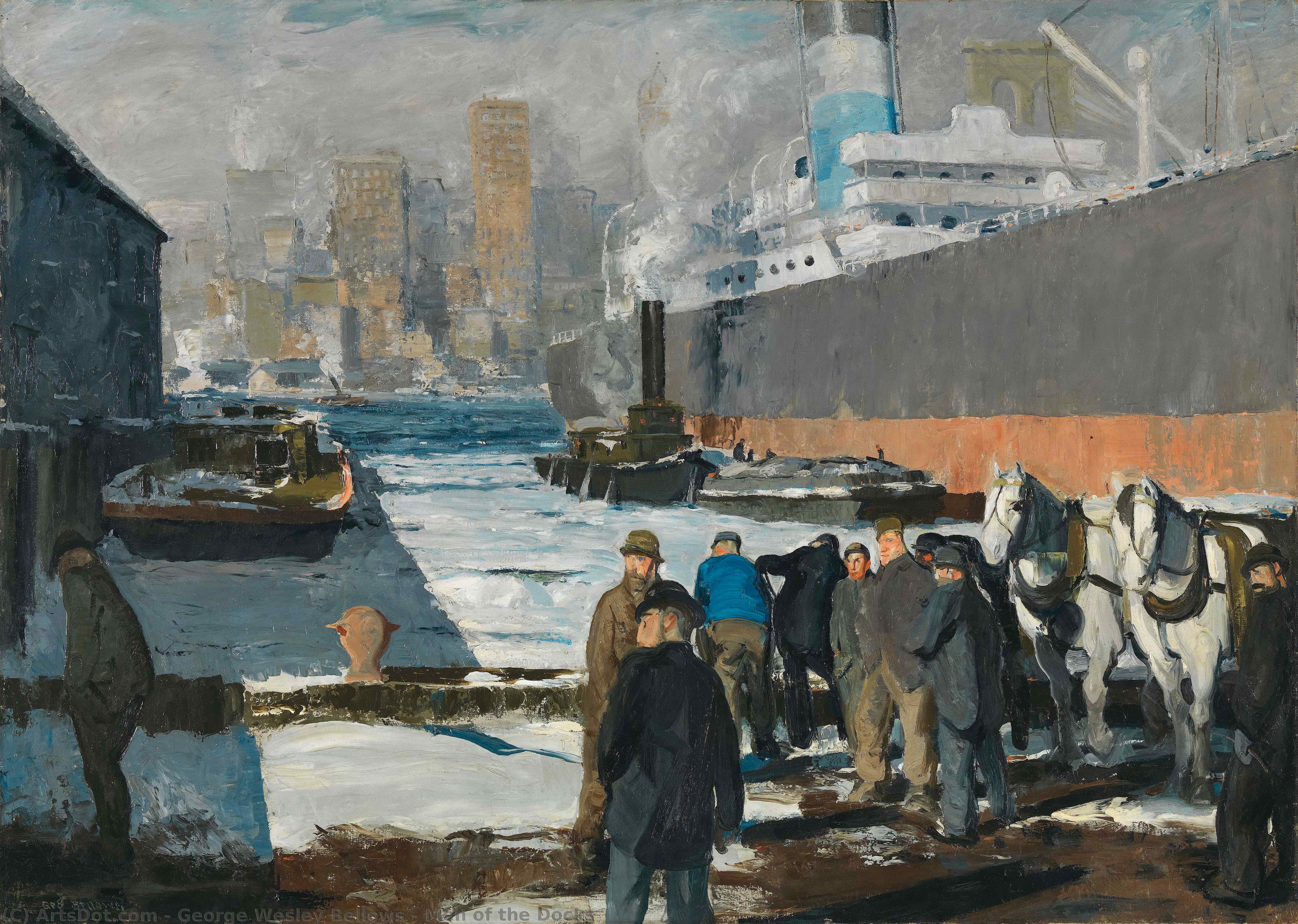
Men of the Docks (1912) (1889) -ja George Bellows

Men of the Docks

1912 · Olajfestmény vászonon · National Gallery, London

Az városi ipar lenyűgöző tengerparti jelenete Merüljön el a 20. század eleji kiköti élet élénk ábrázolásában, ahol az emberi tevékenység és az ipari fejlődés találkozik. Ez a dinamikus jelenet egy nyüzsgő kikötőt örökít meg, amely tele van kikötőmunkásokkal, hajókkal és a környező városképi elemekkel, lenyűgöző betekintést nyújtva a városi munka kemény valóságába. A visszafogott tónusokban öltözött alakok a munkásság erejét és küzdelmét testesítik meg, miközben a hatalmas hajók és az…

2
Ringside Seats (1924) (1889) -ja George Bellows

Ringside Seats

1924 · Oil On Canvas

In the heart of the early twentieth century, amidst the grit and burgeoning energy of New York City, George Wesley Bellows captured a moment of pure, unadulterated tension in his 1924 masterpiece, Ringside Seats. This dramatic oil painting serves as more than just a depiction of a boxing match; it is a visceral window into the soul of the Ashcan School. The composition pulls the viewer directly into the fray,…

3
Forty-Two Kids (1907) (1889) -ja George Bellows

Forty-Two Kids

1907 · Oil On Canvas · National Gallery of Art, Washington

In the heart of 1907, George Wesley Bellows captured a fleeting moment of raw, uninhibited energy in his masterpiece, Forty-Two Kids. This large-scale oil on canvas serves as a breathtaking window into a bygone era of urban leisure, transporting the viewer to the edge of a dilapidated wharf jutting out over New York City’s East River. The scene is teeming with life, presenting a band of nude and partially clothed…

4
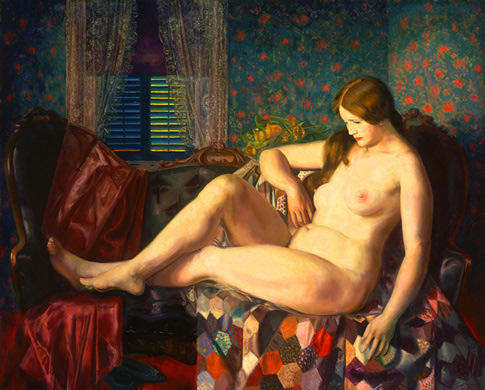
Nude with Hexagonal Quilt (1924) (1889) -ja George Bellows

Nude with Hexagonal Quilt

1924 · Acrylic On Canvas · National Gallery of Art, Washington

George Wesley Bellows’s “Nude with Hexagonal Quilt,” painted in 1924, is more than just a depiction of a reclining woman; it's a carefully constructed tableau that encapsulates the burgeoning complexities of American life at the cusp of the 20th century. Emerging from the heart of the Ashcan School movement, Bellows masterfully blends realism with a subtle undercurrent of social commentary and psychological depth, all within a remarkably intimate domestic setting.…

5
The Germans Arrive (1918) (1889) -ja George Bellows

The Germans Arrive

1918 · Acrylic On Canvas · National Gallery of Art, Washington

The Raw Edge of War: Bellows’ “The Germans Arrive” George Wesley Bellows' "The Germans Arrive," painted in 1918, isn’t merely a depiction of a battlefield; it’s a visceral plunge into the heart of World War I’s brutal reality. Captured during a period of immense national upheaval and fueled by the anxieties of a rapidly changing world, the painting confronts viewers with an unsettling honesty rarely found in historical art. Bellows,…

6
The Sea (1911) (1889) -ja George Bellows

The Sea

1911 · Oil On Canvas · Hirshhorn Museum and Sculpture Garden, Washington, D.C.

George Wesley Bellows’ “The Sea,” painted in 1911, isn't merely a depiction of an ocean scene; it’s a visceral experience. This oil on canvas, now residing within the Hirshhorn Museum and Sculpture Garden in Washington D.C., captures a pivotal moment – the raw, untamed power of nature colliding with the steadfast solidity of land. The painting immediately draws the viewer into a world of turbulent energy: colossal waves relentlessly assault…

7
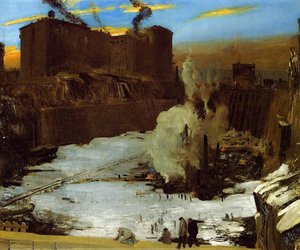
Pennsylvania Station Excavation (1909) (1889) -ja George Bellows

Pennsylvania Station Excavation

1909 · Oil On Canvas · Brooklyn Museum, New York

George Wesley Bellows’ “Pennsylvania Station Excavation,” painted in 1909, is more than just a depiction of a landscape; it's a vibrant snapshot of America on the cusp of profound change. This large-scale oil on canvas captures a fleeting moment – a group of figures exploring an industrial site, a castle-like structure billowing with smoke, and a solitary horse adding an unexpected layer to the scene. Bellows, a key figure in…

8
Little Girl in White (also known as Queenie Barnett) (1907) (1889) -ja George Bellows

Little Girl in White (also known as Queenie Barnett)

1907 · Oil On Canvas · National Gallery of Art, Washington

George Wesley Bellows' “Little Girl in White,” more commonly known as “Queenie Barnett,” is far more than a simple portrait of a young girl. Painted in 1907, this work stands as a poignant window into the realities of early 20th-century New York City – a city grappling with rapid industrialization and the struggles of its working class. Bellows, a pivotal figure in American realism, wasn’t interested in romanticizing poverty; instead,…

9
Hudson at Saugerties (1920) (1889) -ja George Bellows

Hudson at Saugerties

1920 · Oil On Canvas · Columbia Museum of Art, Columbus

George Wesley Bellows' "Hudson at Saugerties," painted in 1920, isn't merely a depiction of a river landscape; it’s a carefully constructed tableau of light, atmosphere, and the quiet dignity of rural life. Housed originally within the Columbia Museum of Art in Columbus, Ohio, this oil on canvas transports the viewer to the heart of the Hudson River Valley, capturing a fleeting moment of tranquility amidst the burgeoning energy of early…

10
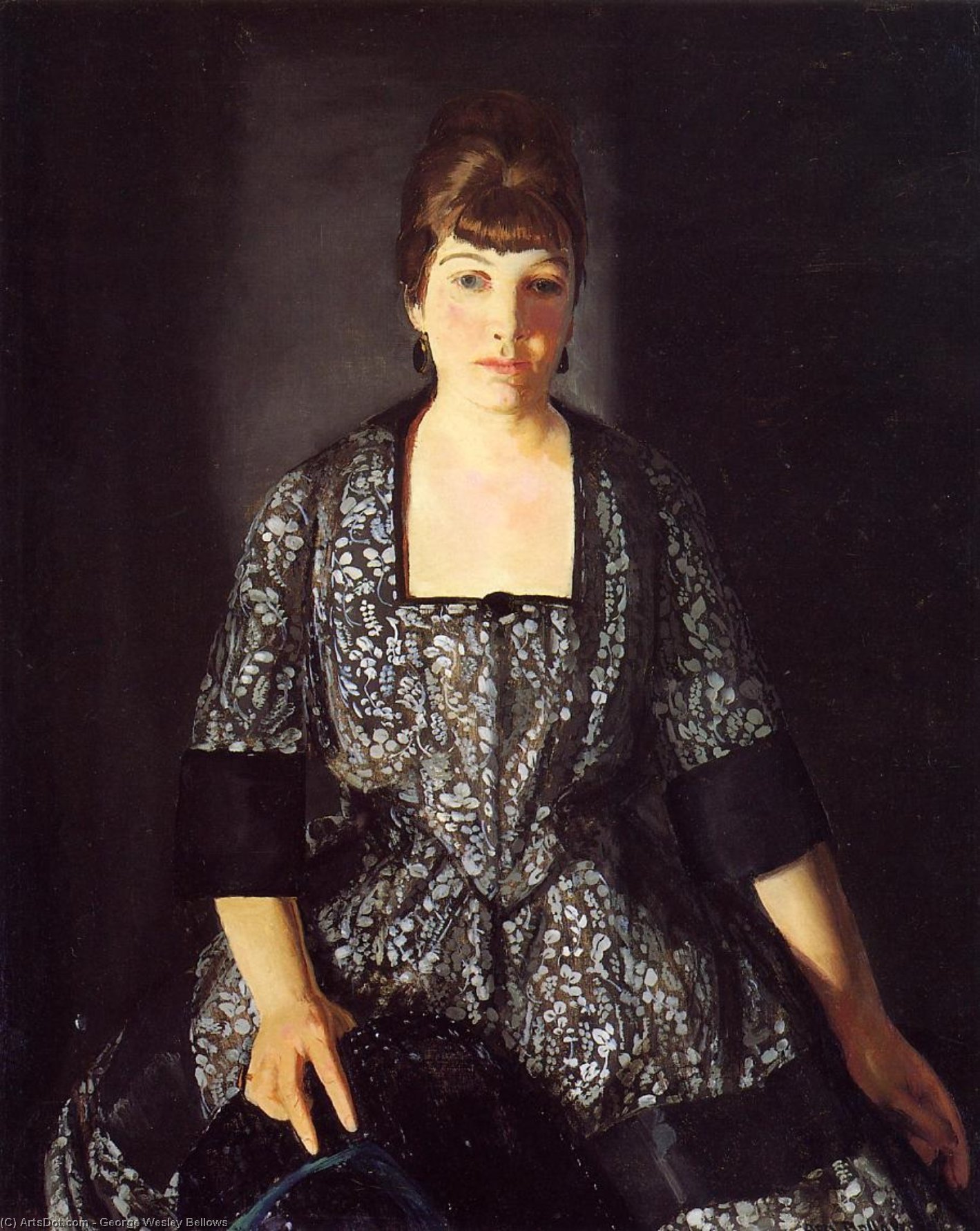
Emma in the Black Print (1919) (1889) -ja George Bellows

Emma in the Black Print

1919 · Oil On Canvas · Művészeti Múzeum, Boston, Boston

Emma sits in a stillness that feels heavy, a moment caught between breaths. She is positioned before a mirror, her gaze meeting the viewer from a place of deep, internal thought. The dark background pushes her figure forward, making the pale skin of her face and the curve of her spine the focal points of the canvas. There is a sense of weight in her posture, a quietude that suggests…

A George Bellows válogatás folytatódik: 11 – 100

11The Sawdust Trail (1916) (1889) -ja George BellowsThe Sawdust Trail1916 12A Grandmother (1914) (1889) -ja George BellowsA Grandmother1914 · Thyssen-Bornemisza Múzeum 13Katherine Rosen (1921) (1889) -ja George BellowsKatherine Rosen1921 · Yale University Art Gallery 14River Rats (1906) (1889) -ja George BellowsRiver Rats1906 15Horses, Carmel (1917) (1889) -ja George BellowsHorses, Carmel1917 16Mrs. T. in Cream Silk, No.2 (1920) (1889) -ja George BellowsMrs. T. in Cream Silk, No.21920 · Minneapolis Institute of Art 17Mrs. Chester Dale (1919) (1889) -ja George BellowsMrs. Chester Dale1919 · Metropolitan Művészeti Múzeum 18Love of Winter (1914) (1889) -ja George BellowsLove of Winter1914 · Art Institute of Chicago 19Children and Summer among the Shrubs (1919) (1889) -ja George BellowsChildren and Summer among the Shrubs1919 20Evening Group (1914) (1889) -ja George BellowsEvening Group1914 21Frankie the Organ Boy (1907) (1889) -ja George BellowsFrankie the Organ Boy1907 · Nelson-Atkins Múzeum 22Tennis Tournament (1920) (1889) -ja George BellowsTennis Tournament1920 · National Gallery of Art 23Cross-Eyed Boy (1906) (1889) -ja George BellowsCross-Eyed Boy1906 24The Newsboy (1908) (1889) -ja George BellowsThe Newsboy1908 · Brooklyn Museum 25Portrait of Prosper Invernizzi (1907) (1889) -ja George BellowsPortrait of Prosper Invernizzi1907 26Docks in Winter (1911) (1889) -ja George BellowsDocks in Winter1911 27Kids (1906) (1889) -ja George BellowsKids1906 28Portrait of Walter Littlefield (1915) (1889) -ja George BellowsPortrait of Walter Littlefield1915 · Rhode Island School of Design Museum of Art 29Boy in a Blue Coat (1915) (1889) -ja George BellowsBoy in a Blue Coat1915 · Cleveland Museum of Art 30The Sand Cart (1917) (1889) -ja George BellowsThe Sand Cart1917 · Brooklyn Museum 31Portrait of Florence Budd (1914) (1889) -ja George BellowsPortrait of Florence Budd1914 32Portrait of Geraldine Lee, No. 1 (1914) (1889) -ja George BellowsPortrait of Geraldine Lee, No. 11914 · Mildred Lane Kemper Art Museum 33Padre (1917) (1889) -ja George BellowsPadre1917 · Metropolitan Művészeti Múzeum 34Nude with Red Hair (1920) (1889) -ja George BellowsNude with Red Hair1920 · National Gallery of Art 35Portrait of Dr. Walter Quincy Scott (1912) (1889) -ja George BellowsPortrait of Dr. Walter Quincy Scott1912 36Portrait of a Boy (1921) (1889) -ja George BellowsPortrait of a Boy1921 · Indianapolis Művészeti Múzeum 37The Cigarette (1918) (1889) -ja George BellowsThe Cigarette1918 38Samuel Knopf (1922) (1889) -ja George BellowsSamuel Knopf1922 · Metropolitan Művészeti Múzeum 39Tennis at Newport (1920) (1889) -ja George BellowsTennis at Newport1920 40Portrait of My Mother (1920) (1889) -ja George BellowsPortrait of My Mother1920 41Portrait of Elizabeth Alexander (1924) (1889) -ja George BellowsPortrait of Elizabeth Alexander1924 42The Fish Wharf, Matinicus Island (1916) (1889) -ja George BellowsThe Fish Wharf, Matinicus Island1916 43The Circus (1912) (1889) -ja George BellowsThe Circus1912 · Addison Gallery of American Art 44Waldo Peirce (1920) (1889) -ja George BellowsWaldo Peirce1920 · Fine Arts Museums of San Francisco 45Emma at the Piano (1914) (1889) -ja George BellowsEmma at the Piano1914 46Iron Coast, Monhegan (1913) (1889) -ja George BellowsIron Coast, Monhegan1913 47Snow-Capped River (1911) (1889) -ja George BellowsSnow-Capped River1911 48Portrait of My Father (1906) (1889) -ja George BellowsPortrait of My Father1906 49The Teamster (1916) (1889) -ja George BellowsThe Teamster1916 50Vine Clad Shore - Monhegan Island (1913) (1889) -ja George BellowsVine Clad Shore - Monhegan Island1913 · Smithsonian American Art Museum 51Garaldine Lee, No. 2 (1916) (1889) -ja George BellowsGaraldine Lee, No. 21916 52Pueblo Tesuque, No. 2 (1917) (1889) -ja George BellowsPueblo Tesuque, No. 21917 · The Nelson-Atkins Museum of Art 53The Palisades (1909) (1889) -ja George BellowsThe Palisades1909 54The Rope (also known as Builders of Ships) (1916) (1889) -ja George BellowsThe Rope (also known as Builders of Ships)1916 · Yale University Art Gallery 55Golf Course - California (1917) (1889) -ja George BellowsGolf Course - California1917 · Cincinnati Art Museum 56A Morning Snow - Hudson River (1910) (1889) -ja George BellowsA Morning Snow - Hudson River1910 · Brooklyn Museum 57Shipyard Society (1916) (1889) -ja George BellowsShipyard Society1916 · Virginia Museum of Fine Arts 58Rain on the River (1908) (1889) -ja George BellowsRain on the River1908 · Rhode Island School of Design Museum of Art 59The Big Dory (1889) -ja George BellowsThe Big DoryNew Britain Museum of American Art 60Club Night (also known as Stag at Sharkey's) (1907) (1889) -ja George BellowsClub Night (also known as Stag at Sharkey's)1907 · National Gallery of Art 61Monhegan Island (1913) (1889) -ja George BellowsMonhegan Island1913 · Worcester Art Museum 62The Village Houses (1920) (1889) -ja George BellowsThe Village Houses1920 · Art Institute of Chicago 63Blue Snow, the Battery (1889) -ja George BellowsBlue Snow, the Battery 64Blue Morning (1909) (1889) -ja George BellowsBlue Morning1909 · National Gallery of Art 65Pueblo, Tesuque, Number One (1913) (1889) -ja George BellowsPueblo, Tesuque, Number One1913 66Ox Team, Wharf at Matinicus (1916) (1889) -ja George BellowsOx Team, Wharf at Matinicus1916 · Metropolitan Művészeti Múzeum 67The Harbor, Monhegan Coast, Maine (1913) (1889) -ja George BellowsThe Harbor, Monhegan Coast, Maine1913 · Minneapolis Institute of Art 68Clouds and Meadow (1919) (1889) -ja George BellowsClouds and Meadow1919 69The Picnic (1924) (1889) -ja George BellowsThe Picnic1924 · Baltimore Művészeti Múzeum 70Snow Dumpers (1911) (1889) -ja George BellowsSnow Dumpers1911 71Portrait of Anne (1915) (1889) -ja George BellowsPortrait of Anne1915 · High Museum of Art 72The White Horse (1922) (1889) -ja George BellowsThe White Horse1922 · Worcester Art Museum 73Robin (also known as Portrait of Clifton Webb) (1905) (1889) -ja George BellowsRobin (also known as Portrait of Clifton Webb)1905 74Central Park (1905) (1889) -ja George BellowsCentral Park1905 75Bethesda Fountain (Fountain in Central Park) (1905) (1889) -ja George BellowsBethesda Fountain (Fountain in Central Park)1905 76Haystacks and Barn (1909) (1889) -ja George BellowsHaystacks and Barn1909 · Museum of Fine Arts, Houston 77The Grove — Monhegan (1911) (1889) -ja George BellowsThe Grove — Monhegan1911 · Museum of Fine Arts, Houston 78Dempsey Through the Ropes (1889) -ja George BellowsDempsey Through the Ropes 79Standing Nude (1889) -ja George BellowsStanding Nude 80The Football Game (1889) -ja George BellowsThe Football Game 81In The Park (1889) -ja George BellowsIn The Park 82Splinter Beach (1889) -ja George BellowsSplinter Beach 83Sketch for ''Samuel Knopf'' (1889) -ja George BellowsSketch for ''Samuel Knopf'' 84Artists' Evening (1889) -ja George BellowsArtists' Evening 85Benediction in Georgia (1889) -ja George BellowsBenediction in Georgia 86Business-Men's Bath (1889) -ja George BellowsBusiness-Men's Bath 87Standing Nude Bending Forward (1889) -ja George BellowsStanding Nude Bending Forward 88We wish you a Happy New Year (1889) -ja George BellowsWe wish you a Happy New YearSzlovák Nemzeti Galéria 89Emma in a Purple Dress (1889) -ja George BellowsEmma in a Purple DressDallas Museum of Art 90Business-Men's Class (1889) -ja George BellowsBusiness-Men's Class 91Marjorie, Emma and Elsie (1889) -ja George BellowsMarjorie, Emma and Elsie 92Dance in a Madhouse (1889) -ja George BellowsDance in a Madhouse 93Drawing for ''The Black Hand'' (1889) -ja George BellowsDrawing for ''The Black Hand'' 94Artist's Judging Works of Art (1889) -ja George BellowsArtist's Judging Works of Art 95Initiation into the Frat (1889) -ja George BellowsInitiation into the Frat 96The Ghost of Sergeant Kelly (1889) -ja George BellowsThe Ghost of Sergeant Kelly 97Blue Morning (1889) -ja George BellowsBlue Morning 98Evening Swell (1911) (1889) -ja George BellowsEvening Swell1911 99Gull Rock and Whitehead (1911) (1889) -ja George BellowsGull Rock and Whitehead1911 100Agitators (1889) -ja George BellowsAgitators

George Bellows híres festményei, korszakonként

A témák, amelyek George Bellows figyelmét meghúzták

A négy leggyakorobban előforduló téma ebben az eredeti művekben, mindegyik a legkiválóbb példájával.

A műemlékek, amelyek George Bellows eredeti műveit őrzik

A 8 olyan múzeum, amely a legtöbb ezen az oldalon szereplő festményet őrzi.

Múzeum Város George Bellows művei Ebből a listából származó festmények
National Gallery of Art, WashingtonNational Gallery of Art Washington 21 Forty-Two Kids, Nude with Hexagonal Quilt, The Germans Arrive
Metropolitan Művészeti Múzeum, New YorkMetropolitan Művészeti Múzeum New York 11 Mrs. Chester Dale, Padre, Samuel Knopf
Museum of Fine Arts, Houston, HoustonMuseum of Fine Arts, Houston Houston 4 Haystacks and Barn, The Grove — Monhegan
Yale University Art Gallery, HartfordYale University Art Gallery Hartford 3 Katherine Rosen, The Rope (also known as Builders of Ships)
Art Institute of Chicago, ChicagoArt Institute of Chicago Chicago 3 Love of Winter, The Village Houses
Rhode Island School of Design Museum of Art, ProvidenceRhode Island School of Design Museum of Art Providence 3 Portrait of Walter Littlefield, Rain on the River
Brooklyn Museum, New YorkBrooklyn Museum New York 2 Pennsylvania Station Excavation, A Morning Snow - Hudson River
Minneapolis Institute of Art, MinneapolisMinneapolis Institute of Art Minneapolis 2 Mrs. T. in Cream Silk, No.2, The Harbor, Monhegan Coast, Maine

George Bellows évtizede folgtva: az eredeti művek, amelyek meghatározzák az egyes korzakot

Művek évtizedenként

Váassz ki egy évtizedet, hogy megnézhesd az azt meghatározó eredetiműveket.

Gyűjtői kérdések George Bellows festményeivel kapcsolatban

Melyik művel a(z) George Bellows a leghíresebb?Fedje fel a választ

Men of the Docks (1912), National Gallery, London. Ezután Ringside Seats (1924) és Forty-Two Kids (1907) következik.

Hány éves volt George Bellows, amikor a Men of the Docks készült?Fedje fel a választ

30 éves: Men of the Docks 1912-ből származik, George Bellows pedig 1882-ben született.

Melyek a tíz leghíresebb George Bellows festmény?Fedje fel a választ

Men of the Docks, Ringside Seats, Forty-Two Kids, Nude with Hexagonal Quilt, The Germans Arrive, The Sea, Pennsylvania Station Excavation, Little Girl in White (also known as Queenie Barnett), Hudson at Saugerties és Emma in the Black Print. A fenti rangsor a művek évszamarát és a múzeumát jelzi.

Hány festményet hagyott hátra George Bellows?Fedje fel a választ

Katalógusunkban 318 mű található George Bellows alkotótól, 1905 és 1924 év közötti időszakból.

Mely múzeumokban állnak George Bellows remekművei?Fedje fel a választ

Leginkább National Gallery of Art (Washington), Metropolitan Művészeti Múzeum (New York) és Museum of Fine Arts, Houston (Houston) található. A fenti múzeumi táblázatban mindegyik felsorolásra került.

Mely években festette George Bellows leghíresebb műveit?Fedje fel a választ

1910s alatt: a jelen laphonon található 100 műből 43 készült ebben az időszakban, köztük Men of the Docks.

Mikszétek az első és az utolsó híres eredeti műve a(z) George Bellows alkotótól?Fedje fel a választ

Ezen az oldalon a leghitelesebb Robin (also known as Portrait of Clifton Webb) (1905), a legutóbbi pedig Ringside Seats (1924).

Milyen témaköröket választott leggyakrabban George Bellows?Fedje fel a választ

American art (14), Portrait (11) és People (11), a jelen oldalon található 100 műművészeti alkotás között.

Melyik technikát alkalmazta leggyakrabban George Bellows?Fedje fel a választ

Oil On Canvas, a jelen oldalon található 100 műből 36 darab esetén.

Mely művészeti irányba tartozik George Bellows?Fedje fel a választ

Realism, ezen az oldalon található eredetiek alapján.

Mely George Bellows művei láthatóak a National Gallery of Art kiállتításán?Fedje fel a választ

Forty-Two Kids, Nude with Hexagonal Quilt és The Germans Arrive: a National Gallery of Art, Washington 8 művet őrzi ezen az oldalon.

George Bellows: életmű és életút

A Bold Vision of American Life: The World of George Bellows

George Wesley Bellows, a névszava, mely szinte azonnal összeköti az amerikai korai 20. századi élet dinamikus energiáját és modernitását. Születése 1882. augusztus 12-én vagy 19-én Columbusban, Ohióban, utazása a sportolói ígéretekből művészi hírnevekig egy kitartó szenvedély és becsületesség bizonyítéka. Már fiatalon, még a hivatalos tanulás előtt, George rendelkezett természetes tehetszéggel rajzolva, melynek jegyzetei árulkodtak az observant szemléd és a fejlődő készség belső világában. Szülei nemcsak művészetre összpontosítottak; kiválóan teljesítettek sportban is, baseballban és kosárlabdában járták be Ohio State Egyetemet – egy dualitás, mely mélyen befolyásolta művészi perspektíváját, belefogva a munkába vetett energiát és fizikai jelenlétet. Ez a sportos háttér nemcsak diszciplinát tanított, hanem az emberi test mozgását is értékelte, egy olyan témát teremtve, amely meghatározta legismertebb festményeinek központját. Egyetemről elhagyta a tanulást, vonzva őt New York City felé, és a művészi képzés ígérete iránt.

Forgatás: Az Ashcan School és Ezt Követően

1904-ben érkezett New Yorkba, ahol Robert Henri, az Ashcan School vezető alakja mentora lett. Ez a művészeti csoport – John Sloan, William Glackens és George Luks között – elhatárolódott az akadémiai konvencióktól, ehelyett a városi élet durvaszájú valóságát ábrázolta: zsúfolt lakótelepeket, forrongó utcákat és munkások mindennapi küzdelmeit. Bellows lelkesen fogadta ezt az etoszot, eleinte Henri laza festészeti stílusának és a társadalmi realizmus elköteleződésének tükröződik. Azonban nem akart csupán tanárával szimpatizálni; egyeduralkodó művészi hangot szeretett volna kialakítani. 1906-ban nyitotta meg saját műhelyét Edward Keefe társaságában, ami a termékeny kísérletezés kezdetét jelentette. Korai munkái, például 1908-ban bemutatott képei, keverék reakciókat váltottak ki – néhány kritikus őket durván találta, míg mások felismerhették merész bátorságukat és innovációs szellemüket. Bellows témái gyakran vitatósak voltak az időben, kihívva a kor dönöttes nézeteit arról, hogy mit tekintenek művészi alkotásnak. Nem riett el a város durvasági aspektusainak ábrázolásától, a szegények, munkások és szabadidő-szórakozók életét hitelesen megörökítve.

Az Élet Arénája: Boxozás és Városi Spekták

Bellows művészetének széles skáláján túl ő volt legismertebb a boxoló mérkőzések képviselőjeként. Ezek nem csupán sportesemények voltak számára; emberi dráma microcosmusai, amelyek harcot, kitartást és az emberi lélekben rejlő ösztönöket tükröznek. Rendszeresen járt a dohányos box klubokban, alaposan tanulva a birkózók mozgását, tekintetük intenzitását és a tömeg energiáját. Képei, mint *Both Members of This Club* (1909) és *Stag at Sharkey’s* (1909), mesteri módon ábrázolják ezt az atmoszférát, dramatikus világításokat, dinamikus kompozíciókat és a mozgás érzését használva. A boxoló jelenetek nem csupán a sportról szóltak; társadalmi darwinizmust tüköztek, ami az amerikai társadalomban uralkodott az időben. Számos más városi esemény inspirálta – ünnepségeket, cirkuszokat és zsúfolt utcákat – mindezek lehetőséget kínált a mozgás, energia és a közösségi tapasztalat témáinak kifejezésére.

Evolució Stílusa és Öröksége

Bellows művészi karrierje során stílusa finoman, de jelentősen fejlődött. Bár elszánt maradt a korai évek laza festészeti stílusára, távozott a kompozíciók egyszerűbb vonásaitól, és egy stílusosabb esztétikát vett fel, melyben simább vonalak, monumentális formák és fokozott dráma szerepel. Ez a változás feltűnő a későbbi műveikben, mint például *Dempsey and Firpo* (1924), egy monumentális vászon, amely a legendás birkózók mérkőzésének csúcspontját lenyűgözően ábrázolja. Kísérletezett a litográfia terén is, ahol egyedülálló technikát alkalmazott, és számos vonzó nyomatot készített. Életét megelőző évben együttműködött a mester nyomtatón Bolton Brownnal, akik együtt alkottak több mint száz litographiát. Bellows halála 1925-ben, 42 éves korában, szövredült vastaggyulladás miatt történt.

Fontosabb Művei és Elismerések

  • *Both Members of This Club* (1909) – Egy kiemelkedő munka a box klubok atmoszférájának ábrázolásával.
  • *Stag at Sharkey’s* (1909) – Egy másik ikonikus boxoló mérkőzés jelenete, melynek dramatikus világításai és kompozíciói kiemelkednek.
  • *Men of the Docks* (1912) – Egy erőteljes ábrázolás munkások életéről, Bellows képességét mutatja be a fizikai megjelenés és textúra ábrázolásában.
  • *The Germans Arrive* (1918) – Litográfia sorozatok, melyek az első világháború során elkövetett atrocitásokról szólnak, mutatók a művész társadalmi és politikai foglalkozásáról.
  • *Dempsey and Firpo* (1924) – Egy monumentális vászon a legendás birkózók mérkőzésének csúcspontját ábrázolja.
Bellows művei megtalálhatók jelentős múzeumi gyűjteményekben az Egyesült Államokban, többek között a MoMA-ban (New York), a Nemzeti Kézműves Múzeumban (Washington D.C.), a Smithsonian American Art Museum-ban és a Whitney Museum of American Art-ban. Festményei ma is kiállításon vannak és tanulmányozzák művészettörténészek és rajongók egyaránt, megerősítve Bellows helyét az amerikai művészet alapvető alakjaként.