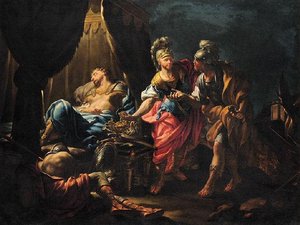
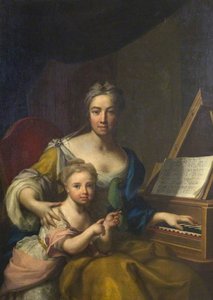
Francesco Trevisani portréja

Francesco Trevisani festményei: A 61 leghíresebb alkotás, egy galéria szemével

Frissítve: november 2026 · rangsorolva népszerűségi pontszámunk alapján (minden mű keresései, látogatásai és megrendelései alapján) · 63 mű Francesco Trevisani alkotása a katalógusunkban

Röviden

A galéria szerint Francesco Trevisani leghíresebb festménye a The Madonna and Child (1700). Study for 'The Massacre of the Innocents' (1710) és Christ Supported by Angels (1720) kiegészítik azt a triót, amelyet minden szem felismer. A katalógusunkban szereplő 63 művész Francesco Trevisani alkotásából a galéria az alábbi 61 leghíresebbet mutatja be, amelyek mind egyedi originális művek, a készítés évszámával, a múzeum megnevezésével és a különlegességük leírásával.

1656 – 1746, Koper Baroque A legtöbb mű: Bavári Állami Festırménygyűjtemények

A galéria top 10 Francesco Trevisani festménye

1
The Madonna and Child (1700) (1889) -ja Francesco Trevisani

The Madonna and Child

1700 · Oil On Copper

The Virgin Mary cradles her sleeping child in a moment of profound stillness. She sits with a gentle weight, her form draped in soft fabrics that catch the light. A veil rests upon her head, and a single strand of pearls encircles her neck, catching a glint of the room's soft illumination. Behind them, the silhouette of a chair anchors the composition, providing a sense of domestic depth to this…

2
Study for 'The Massacre of the Innocents' (1710) (1889) -ja Francesco Trevisani

Study for 'The Massacre of the Innocents'

1710 · Oil On Canvas · Fitzwilliam Múzeum, Cambridge

A man hangs upside down, his legs grasping the air, while a hand tightens around his throat. The scene unfolds before a structure of cold, pale columns. Shadows stretch across the ground where figures sit and stand in a state of sudden, jarring motion. In the periphery, two dogs watch the unfolding chaos, their presence grounding the frantic energy of the central struggle. A single infant is visible, a small…

3
Christ Supported by Angels (1720) (1889) -ja Francesco Trevisani

Christ Supported by Angels

1720 · Oil On Canvas · Bristol Museum - Art Gallery, Bristol

In this oil on canvas, Francesco Trevisani presents Christ Supported by Angels. The work is a profound meditation on religious sacrifice and grief. It captures a moment of quiet, heavy sorrow through its focused subject matter. The composition centers on the physical and spiritual weight of the scene.

4
The Agony in the Garden (1740) (1889) -ja Francesco Trevisani

The Agony in the Garden

1740 · Oil On Copper

The night air hangs heavy over the garden, a dark landscape that presses against the central figures. In the center of this gloom, a man in red robes and a blue cloak bends forward, his body heavy with the weight of prayer. He is in a state of distress, his posture a silent cry for strength. Behind him, a woman reaches out, her hand gently cradling his head in a…

5
The Crucifixion (1717) (1889) -ja Francesco Trevisani

The Crucifixion

1717 · Oil On Canvas · Yale University Art Gallery, New Haven

The canvas presents a vertical arrangement centered on the figure of Christ upon a wooden cross. The lighting follows a chiaroscuro method, casting deep shadows in the background while illuminating the pale skin of the central figure and the faces of those gathered below. The color palette relies on dark tones, including blacks, browns, and umber, which contrast with the red and blue fabrics worn by the mourning figures. The…

6
The Prophet Baruch (1718) (1889) -ja Francesco Trevisani

The Prophet Baruch

1718 · Oil On Canvas · Kunstpalast, Düsseldorf

The painting, titled The Prophet Baruch, immediately draws the viewer into an atmosphere of profound stillness. We encounter a figure seated upon the ground, his posture speaking volumes without uttering a single word. With his head bowed into his hands, he embodies a moment of deep introspection or perhaps prayer. The subject is rendered with such palpable humanity that one feels they are witnessing a private communion between man and…

7
L'Enfant Jésus endormi (1695) (1889) -ja Francesco Trevisani

L'Enfant Jésus endormi

1695 · Oil On Canvas · Musée Fabre, Montpellier

L'Enfant Jésus endormi is a religious oil painting by Francesco Trevisani. Created circa 1695, the work focuses on the Infant Jesus in a state of repose. This composition belongs to the genre of the nativity scene, capturing a moment of sacred stillness.

8
Penitent Mary Magdalene (1710) (1889) -ja Francesco Trevisani

Penitent Mary Magdalene

1710 · Oil · Kunsthistorisches Museum, Bécs

In this oil painting from 1710, a woman identified as Mary Magdalene is depicted in profile, her body oriented toward the right side of the frame. She is shown in a moment of religious reflection, with her gaze directed upward. Her hands are clasped near her chest, and her long, auburn hair falls in wavy textures over her shoulders. She wears a white chemise and a garment with subtle pink…

9
Dead Christ Supported by Angels (1710) (1889) -ja Francesco Trevisani

Dead Christ Supported by Angels

1710 · Oil On Canvas · Metropolitan Művészeti Múzeum, New York

In this quiet corner of the late Baroque, we find ourselves face to face with a profound moment of grief and divinity. The composition is tightly focused, drawing us into an intimate encounter with the lifeless body of Christ. He rests upon a winding-sheet, his pale, limp form emerging from a deep, heavy shadow that swallows much of the background. Two angels attend to him, their presence providing both physical…

10
LE SOMMEIL DE L'ENFANT JESUS (1889) -ja Francesco Trevisani

LE SOMMEIL DE L'ENFANT JESUS

Oil On Canvas · Louvre Múzeum, Párizs

In the quietude of Francesco Trevisani’s “Le Sommeil de l'Enfant Jésus”, the viewer is invited into a moment of profound celestial intimacy. Painted during the first decade of the eighteenth century, this masterpiece serves as a breathtaking window into the Venetian Baroque, a period defined by its ability to marry dramatic tension with tender devotion. The scene captures the Holy Family in a state of sacred repose, where the weight…

Francesco Trevisani festményei, 11. helyezéstől 61. helyezésig

11Lucretia (1687) (1889) -ja Francesco TrevisaniLucretia1687 12Lucretia (1681) (1889) -ja Francesco TrevisaniLucretia1681 13Body of Christ, held by angels (1707) (1889) -ja Francesco TrevisaniBody of Christ, held by angels1707 · Kunsthistorisches Museum 14The Holy Family (1701) (1889) -ja Francesco TrevisaniThe Holy Family1701 · Bavári Állami Festırménygyűjtemények 15Christ with the Disciples on the Way to Emmaus (1701) (1889) -ja Francesco TrevisaniChrist with the Disciples on the Way to Emmaus1701 · Bavári Állami Festırménygyűjtemények 16Archangel Michael (1701) (1889) -ja Francesco TrevisaniArchangel Michael1701 · Bavári Állami Festırménygyűjtemények 17Saint Sebastian (1701) (1889) -ja Francesco TrevisaniSaint Sebastian1701 · Bavári Állami Festırménygyűjtemények 18Christ at Emmaus (1701) (1889) -ja Francesco TrevisaniChrist at Emmaus1701 · Bavári Állami Festırménygyűjtemények 19Hl. Sebastian (1701) (1889) -ja Francesco TrevisaniHl. Sebastian1701 · Bavári Állami Festırménygyűjtemények 20The Infant Jesus Sleeping (1709) (1889) -ja Francesco TrevisaniThe Infant Jesus Sleeping1709 21The Infant Jesus Pointing Out the Flowers of the Passion to the Virgin (1701) (1889) -ja Francesco TrevisaniThe Infant Jesus Pointing Out the Flowers of the Passion to the Virgin1701 22Christ Before Caiaphas (1707) (1889) -ja Francesco TrevisaniChrist Before Caiaphas1707 23Tobias Curing His Father's Blindness (1712) (1889) -ja Francesco TrevisaniTobias Curing His Father's Blindness1712 · Museum Boijmans Van Beuningen 24Prince James Francis Edward Stuart (1688-1766) (1719) (1889) -ja Francesco TrevisaniPrince James Francis Edward Stuart (1688-1766)1719 · Royal Collection 25Portrait of Thomas Coke, 1st Earl of Leicester, 1697-1759 (fifth creation). (1717) (1889) -ja Francesco TrevisaniPortrait of Thomas Coke, 1st Earl of Leicester, 1697-1759 (fifth creation).1717 · Holkham Hall 26Presentation Sketch for "The Holy Family with Saints Anne, Joachim, and John the Baptist" (for Santa Maria in Via Lata, Roma) (1729) (1889) -ja Francesco TrevisaniPresentation Sketch for "The Holy Family with Saints Anne, Joachim, and John the Baptist" (for Santa Maria in Via Lata, Roma)1729 · Cleveland Museum of Art 27The Ecstasy of Saint Francis (1725) (1889) -ja Francesco TrevisaniThe Ecstasy of Saint Francis1725 · Staatliche Kunstsammlungen Dresden 28Elector Clemens August (1750) (1889) -ja Francesco TrevisaniElector Clemens August1750 · Bavári Állami Festırménygyűjtemények 29Crucifixion of Saint Andrew (1746) (1889) -ja Francesco TrevisaniCrucifixion of Saint Andrew1746 · Musée Des Beaux 30Christ on the Cross (1746) (1889) -ja Francesco TrevisaniChrist on the Cross1746 · Musée Des Beaux 31A Nun (1889) -ja Francesco TrevisaniA NunNationalmuseum 32The Virgin and Child (1709) (1889) -ja Francesco TrevisaniThe Virgin and Child1709 · Museo del Prado 33Diana and Endymion (1889) -ja Francesco TrevisaniDiana and EndymionGemäldegalerie Alte Meister im Schloss Wilhelmshöhe 34Philippe de Vendome (1700) (1889) -ja Francesco TrevisaniPhilippe de Vendome1700 35The Martyrdom of the Seven Sons of Saint Felicity, Francesco Trevisani, 1709 (1709) (1889) -ja Francesco TrevisaniThe Martyrdom of the Seven Sons of Saint Felicity, Francesco Trevisani, 17091709 · Rijksmuseum 36Prince James Francis Edward Stuart (1688–1766), Son of James VII and II (1720) (1889) -ja Francesco TrevisaniPrince James Francis Edward Stuart (1688–1766), Son of James VII and II1720 · Scottish National Portrait Gallery 37St. Francis in Penitence (1700) (1889) -ja Francesco TrevisaniSt. Francis in Penitence1700 · Patrick and Beatrice Haggerty Museum of Art 38Christ mort porté par des anges (1889) -ja Francesco TrevisaniChrist mort porté par des angesLouvre Múzeum 39The Agony in the Garden (1889) -ja Francesco TrevisaniThe Agony in the GardenFitzwilliam Museum 40Portrait of Captain Daniel Pain of Welford (1889) -ja Francesco TrevisaniPortrait of Captain Daniel Pain of Welford 41The Madonna and Child with the infant Saint John the Baptist (1889) -ja Francesco TrevisaniThe Madonna and Child with the infant Saint John the Baptist 42The Appearance of the Virgin to St. Maurice (1889) -ja Francesco TrevisaniThe Appearance of the Virgin to St. MauriceTe Whare O Rehua Sarjeant Gallery 43Pity (1889) -ja Francesco TrevisaniPity 44La Mort d'Alexandre le Grand (1889) -ja Francesco TrevisaniLa Mort d'Alexandre le Grand 45Sainte Geneviève (1889) -ja Francesco TrevisaniSainte Geneviève 46Annonciation (1889) -ja Francesco TrevisaniAnnonciation 47L'ENFANT JESUS DESIGNANT A LA VIERGE LES FLEURS DE LA PASSION (1889) -ja Francesco TrevisaniL'ENFANT JESUS DESIGNANT A LA VIERGE LES FLEURS DE LA PASSIONLouvre Múzeum 48La famille de Darius aux pieds d'Alexandre (1889) -ja Francesco TrevisaniLa famille de Darius aux pieds d'AlexandreLouvre Múzeum 49A Szüz Mária és Gyermek megjelenítése Szent Antónénél (1730) (1889) -ja Francesco TrevisaniA Szüz Mária és Gyermek megjelenítése Szent Antónénél1730 · Palace of Mafra 50Apollo and Daphne (1889) -ja Francesco TrevisaniApollo and DaphneHermitaeus-múzeum 51Latona and the Frogs (1889) -ja Francesco TrevisaniLatona and the Frogs 52Portrait of Cardinal Pietro Ottoboni (1889) -ja Francesco TrevisaniPortrait of Cardinal Pietro Ottoboni 53Portrait of Maria Clementina Sobieska. (1889) -ja Francesco TrevisaniPortrait of Maria Clementina Sobieska.Scottish National Portrait Gallery 54penitent Magdalen (1889) -ja Francesco Trevisanipenitent Magdalen 55The Raising of Lazarus (1889) -ja Francesco TrevisaniThe Raising of Lazarus 56Madonna and Child with Infant St. John the Baptist and St. Joseph (1889) -ja Francesco TrevisaniMadonna and Child with Infant St. John the Baptist and St. JosephArt Institute of Chicago 57Dead Christ Supported by Angels (1889) -ja Francesco TrevisaniDead Christ Supported by Angels 58Frances, Wife of John, 6th Earl of Mar, Daughter of Evelyn, 1st Duke of Kingston (1889) -ja Francesco TrevisaniFrances, Wife of John, 6th Earl of Mar, Daughter of Evelyn, 1st Duke of KingstonNational Trust For Scotland 59An Angel Holding the Column (1889) -ja Francesco TrevisaniAn Angel Holding the ColumnNational Trust 60Angels carrying the corpse of Christ (1889) -ja Francesco TrevisaniAngels carrying the corpse of Christ 61An Angel Holding Veronica's Veil (1889) -ja Francesco TrevisaniAn Angel Holding Veronica's VeilNational Trust

Francesco Trevisani híres festményei, korszakonként

A témák, amelyek Francesco Trevisani figyelmét meghúzták

A négy leggyakorobban előforduló téma ebben az eredeti művekben, mindegyik a legkiválóbb példájával.

A műemlékek, amelyek Francesco Trevisani eredeti műveit őrzik

A 8 olyan múzeum, amely a legtöbb ezen az oldalon szereplő festményet őrzi.

Múzeum Város Francesco Trevisani művei Ebből a listából származó festmények
Bavári Állami Festırménygyűjtemények, MunchenBavári Állami Festırménygyűjtemények Munchen 7 The Holy Family, Christ with the Disciples on the Way to Emmaus, Archangel Michael
Louvre Múzeum, PárizsLouvre Múzeum Párizs 4 LE SOMMEIL DE L'ENFANT JESUS, Christ mort porté par des anges, L'ENFANT JESUS DESIGNANT A LA VIERGE LES FLEURS DE LA PASSION
Kunsthistorisches Museum, BécsKunsthistorisches Museum Bécs 2 Penitent Mary Magdalene, Body of Christ, held by angels
Musée Des Beaux, StrasbourgMusée Des Beaux Strasbourg 2 Crucifixion of Saint Andrew, Christ on the Cross
Scottish National Portrait Gallery, EdinburghScottish National Portrait Gallery Edinburgh 2 Prince James Francis Edward Stuart (1688–1766), Son of James VII and II, Portrait of Maria Clementina Sobieska.
National Trust, GuildfordNational Trust Guildford 2 An Angel Holding the Column, An Angel Holding Veronica's Veil
Fitzwilliam Múzeum, CambridgeFitzwilliam Múzeum Cambridge 1 Study for 'The Massacre of the Innocents'
Bristol Museum - Art Gallery, BristolBristol Museum - Art Gallery Bristol 1 Christ Supported by Angels

Francesco Trevisani, egy aláírott festmény évtizedenként

Művek évtizedenként

Váassz ki egy évtizedet, hogy megnézhesd az azt meghatározó eredetiműveket.

Francesco Trevisani festményei: a galéria válaszai

Melyik Francesco Trevisani festmény a leghíresebb?Fedje fel a választ

The Madonna and Child (1700). Ezt követi Study for 'The Massacre of the Innocents' (1710) és Christ Supported by Angels (1720).

Hány éves volt Francesco Trevisani, amikor elkészítette a(t): The Madonna and Child?Fedje fel a választ

44 éves: The Madonna and Child 1700-ből származik, Francesco Trevisani pedig 1656-ben született.

Melyek Francesco Trevisani top 10 festménye?Fedje fel a választ

The Madonna and Child, Study for 'The Massacre of the Innocents', Christ Supported by Angels, The Agony in the Garden, The Crucifixion, The Prophet Baruch, L'Enfant Jésus endormi, Penitent Mary Magdalene, Dead Christ Supported by Angels és LE SOMMEIL DE L'ENFANT JESUS. A fenti rangsor a művek évszamarát és a múzeumát jelzi.

Hány műve született Francesco Trevisani nevére?Fedje fel a választ

Katalógusunkban 63 mű található Francesco Trevisani alkotótól, 1681 és 1746 év közötti időszakból.

Hol találhatóak Francesco Trevisani leghíresebb eredeti művei?Fedje fel a választ

Leginkább Bavári Állami Festırménygyűjtemények (Munchen), Louvre Múzeum (Párizs) és Kunsthistorisches Museum (Bécs) található. A fenti múzeumi táblázatban mindegyik felsorolásra került.

Mikor festette Francesco Trevisani le leghíresebb műveit?Fedje fel a választ

1700s alatt: a jelen laphonon található 61 műből 15 készült ebben az időszakban, köztük The Madonna and Child.

Melyek Francesco Trevisani legkorábbi és legutóbbi híres művei?Fedje fel a választ

Ezen az oldalon a leghitelesebb Lucretia (1681), a legutóbbi pedig Crucifixion of Saint Andrew (1746).

Mely témakörökkel foglaltaszkodott a legtöbbször Francesco Trevisani?Fedje fel a választ

Woman (14), Man (13) és Drapery (9), a jelen oldalon található 61 műművészeti alkotás között.

Melyik technikával foglalt leginkább Francesco Trevisani?Fedje fel a választ

Oil On Canvas, a jelen oldalon található 61 műből 26 darab esetén.

Mely művészeti irányhoz tartozik Francesco Trevisani?Fedje fel a választ

Baroque, ezen az oldalon található eredetiek alapján.

Mely Francesco Trevisani eredeti műveit őrzi a Bavári Állami Festırménygyűjtemények?Fedje fel a választ

The Holy Family, Christ with the Disciples on the Way to Emmaus és Archangel Michael: a Bavári Állami Festırménygyűjtemények, Munchen 7 művet őrzi ezen az oldalon.

Francesco Trevisani: a művész

A barocchetto eleganciája

Francesco Trevisani ragyogó alakként áll a késő barokk drámai intenzitása és a kezdeti rokokó feltöredő eleganciája közötti átmenetben, egy olyan korszakban, amelyet gyakran barocchettoként is neveznek. Capodistria, Istria területén született, művészeti útja pedig Velence és Róma gazdag hagyományai formálták. Egy építész fiaként a tervezés alapvető elveit először apja, Antonio Trevisani irányítása alatt tanulta meg. A szerkezet és a kompozíció ebben a korai alapozásban rejlő tudása később lehetővé tette számára, hogy mesterévé váljon azoknak a komplex, teátrális elrendezéseknek, amelyek legünnepélyebb műveit meghatározzák.

Képzése mélyen gyökerezett korát meghatározó mestereiben; olyan alakok alatt tanult, mint Antonio Zanchi és Joseph Heintz ifjabb. Ezek a hatások olyan technikai repertoárt örökölték át erre, amely az energikus mozgást ötvözte a kifinomult érzékenységgel. Ahogy végigjárta Velence és Róma művészeti központjait, Trevisani olyan stílust fejlesztett ki, amely képes volt egyszerre megörökíteni a vallásos mártírtan mély szomorúságát és a isteni találkozások gyengéd, égi kegyeskedését. Az érzelmi szélsőségek ilyen virtuóz kezelése tette őt keresett festővé jelentős egyházi és magánrendelésekhez.

Az érzelmek és a fény mesterléte

Trevisani műveit a rendíthetetlen elkötelezettség az érzelmi mélység iránt, valamint a fény lélegzetelállító használata jellemzi. Vallásos kompozícióiban a földi és a szent határok gyakran feloldódni semblent. Ezt a szent jelenetek ábrázolásában is megfigyelhetjük, ahol egy pillanat súlyos, szent csendje szinte érezhető. Legyen szó Krisztus élettelen testéről, amelyet angyalok visznek, vagy az szentek megható ágodalmáról, Trevisani olyan palettát és ecsetvezetésre alkalmazott, amely a kor szellemi lelkesedését hangsúlyozta.

Technikai tudásának kiválósága különösen jól mutatkozik meg textúrák és hangulat kialakításában. Olyan alkotásokban, mint a Szent Felicitás hét fiának mártírtana, összeköti a komplex narratívákat, amelyek római császárokat, pogány szobrokat és égi hírnököket vonnak bele. Aprólékos részletességgel vezeti a néző tekintetét a vászonon keresztül, a fényt használva felvilágítva a mártírok kínálatát és az égi koronák által kínált reményt. A narratív festészet ezen mesterléte lehetővé tette számára, hogy olyan műveket hozzon létre, amelyek nem csupán dekoratívak voltak, hanem mélyen vallásos devóciós eszközként is szolgáltak.