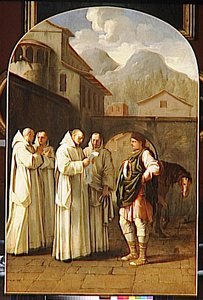
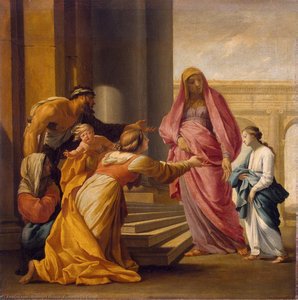
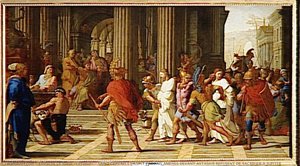
Eustache Le Sueur portréja

Eustache Le Sueur festményei: A 100 leghíresebb alkotás, egy galéria szemével

Frissítve: november 2026 · rangsorolva népszerűségi pontszámunk alapján (minden mű keresései, látogatásai és megrendelései alapján) · 113 mű Eustache Le Sueur alkotása a katalógusunkban

Röviden

A galéria szerint Eustache Le Sueur leghíresebb festménye a MORT DE RAYMOND DIOCRES, amelynek eredeti példája a Louvre Múzeum múzeumában található, Párizs városában. Christ Healing the Blind Man és Ludwig IX. der Heilige (1635) kiegészítik azt a triót, amelyet minden szem felismer. A katalógusunkban szereplő 113 művész Eustache Le Sueur alkotásából a galéria az alábbi 100 leghíresebbet mutatja be, amelyek mind egyedi originális művek, a készítés évszámával, a múzeum megnevezésével és a különlegességük leírásával.

1616 – 1655, Párizs Baroque A legtöbb mű: Louvre Múzeum

A galéria top 10 Eustache Le Sueur festménye

1
MORT DE RAYMOND DIOCRES (1889) -ja Eustache Le Sueur

MORT DE RAYMOND DIOCRES

Oil On Canvas · Louvre Múzeum, Párizs

A single bed occupies the center of a quiet, dim room. Upon it lies Raymond Diocres, his body surrendered to the stillness of death. The air in the chamber feels heavy, thick with the scent of old wood and the weight of passing time. Around the bed, figures gather like shadows caught in a sudden beam of light. They lean in, their faces etched with the quiet gravity of those…

2
Christ Healing the Blind Man (1889) -ja Eustache Le Sueur

Christ Healing the Blind Man

Oil On Canvas

In this work, titled Christ Healing the Blind Man, Eustache Le Sueur presents a profound moment of divine intervention. The subject matter is drawn directly from the Bible, capturing the specific instance where Christ restores sight to a man. It is a quiet, focused encounter that centers on the act of healing. Through this narrative, the painting conveys a message of hope and redemption.

3
Ludwig IX. der Heilige (1635) (1889) -ja Eustache Le Sueur

Ludwig IX. der Heilige

1635 · Oil On Canvas · Bavári Állami Festırménygyűjtemények, Munchen

This oil painting, dated 1635, presents a religious scene rendered in a grayscale, monochromatic palette. The composition is contained within an oval format, creating a vignette effect that centers the viewer's attention on a group of figures within an architectural interior. The setting appears to be a cathedral or a chapel, defined by receding arches that establish a sense of depth. Light enters from the upper right, creating a high-contrast…

4
The Sacrifice of Manoah (1626) (1889) -ja Eustache Le Sueur

The Sacrifice of Manoah

1626 · Oil On Canvas · Musée des Augustins, Toulouse

The Sacrifice of Manoah by Eustache Le Sueur captures a singular moment of spiritual revelation. The scene centers on a divine communication that interrupts the earthly ritual of a sacrifice. From the rising grey smoke of the altar, an angel emerges to meet the gaze of the faithful. This celestial presence breaks the silence of the landscape, turning a simple offering into a profound encounter between the mortal and the…

5
Raymond Diocrès Responds After His Death (1646) (1889) -ja Eustache Le Sueur

Raymond Diocrès Responds After His Death

1646 · Oil On Canvas

Raymond Diocrès Responds After His Death is a painting by Eustache Le Sueur. The canvas captures the figure of Raymond Diocrès, a professor at the Sorbonne, in a moment of spiritual transition. This work belongs to a larger cycle of twenty-two paintings depicting the life of Saint Bruno. These images were created between 1645 and 1648 for the small cloister of the Chartreuse de Paris.

6
Cupid, Reprimanded by His Mother, Takes Refuge in the Arms of Ceres (1646) (1889) -ja Eustache Le Sueur

Cupid, Reprimanded by His Mother, Takes Refuge in the Arms of Ceres

1646 · Oil On Canvas

This large-scale, horizontal oil painting from 1646 presents a mythological scene unfolding within a sky of voluminous, pale clouds. The composition is organized into three distinct groups of figures set against an atmospheric background of grays and whites. On the left, a woman draped in a deep blue mantle reclines upon dark clouds, her hand extended in a gesture toward the center of the frame. In the middle ground, a…

7
Pope Victor III Confirms the Institution of the Carthusians (1646) (1889) -ja Eustache Le Sueur

Pope Victor III Confirms the Institution of the Carthusians

1646 · Oil On Canvas

The oil on canvas titled Pope Victor III Confirms the Institution of the Carthusians was painted by Eustache Le Sueur. Created about 1646, the work captures a moment of religious interaction and monastic life. It centers on a papal portrait within a formal monastic setting, documenting a significant historical figure and the establishment of the Carthusian order.

8
Saint Bruno in Prayer (1646) (1889) -ja Eustache Le Sueur

Saint Bruno in Prayer

1646 · Oil

In a dense, shadowy woodland, three monks occupy a space defined by deep browns, muted greens, and ochre. The composition is organized through layers of depth within the dark forest. In the foreground left, a monk in white robes kneels, leaning forward with hands clasped near his face, holding a tool resembling a pickaxe. To the lower right, another monk in a similar white habit kneels, using a shovel to…

9
Ascension of the Lord, (1646) (1889) -ja Eustache Le Sueur

Ascension of the Lord,

1646 · Oil · Groninger Museum, Groningen

The Ascension of the Lord, by Eustache Le Sueur, is a vertically oriented oil painting created about 1646. The composition directs the viewer's gaze upward from a group of terrestrial figures toward the ascending figure of Christ. This upward movement is reinforced by the use of perspective, which establishes a sense of ascension from the grounded figures at the bottom toward the nebulous, cloud-filled sky above. The arrangement of the…

10
Meeting of Saint Bruno and Count Roger of Sicily (1646) (1889) -ja Eustache Le Sueur

Meeting of Saint Bruno and Count Roger of Sicily

1646 · Oil On Canvas

The forest breathes in shades of sepia and cream. A large white horse, its muscular flank catching a soft light from the upper left, anchors the composition. Beside it, a man kneels in the dirt, his arm raised in a sudden gesture of reverence or perhaps startled recognition. He is met by a standing figure dressed in monastic habit, a presence of quiet authority amidst the dense, dark foliage. A…

Eustache Le Sueur festményei, 11. helyezéstől 100. helyezésig

11The Ark of the Covenant (Procession from the Temple) (1642) (1889) -ja Eustache Le SueurThe Ark of the Covenant (Procession from the Temple)1642 12Bacchus and Ariadne (1640) (1889) -ja Eustache Le SueurBacchus and Ariadne1640 · Művészeti Múzeum, Boston 13Marine Gods Paying Homage to Love (1636) (1889) -ja Eustache Le SueurMarine Gods Paying Homage to Love1636 · J. Paul Getty Múzeum 14The Rape of Tamar (1640) (1889) -ja Eustache Le SueurThe Rape of Tamar1640 · Metropolitan Művészeti Múzeum 15Cupid Ordering Mercury to Announce his Power to the Universe (1647) (1889) -ja Eustache Le SueurCupid Ordering Mercury to Announce his Power to the Universe1647 · Louvre Múzeum 16Saint Bruno and His Companions Distributing Their Goods to the Poor (1655) (1889) -ja Eustache Le SueurSaint Bruno and His Companions Distributing Their Goods to the Poor1655 17Jacob Sending His Son Joseph to Seek His Brothers at Sichem (1650) (1889) -ja Eustache Le SueurJacob Sending His Son Joseph to Seek His Brothers at Sichem1650 18Portrait of a Man (1650) (1889) -ja Eustache Le SueurPortrait of a Man1650 19Hercules fighting Cacus (1653) (1889) -ja Eustache Le SueurHercules fighting Cacus1653 · Muzeum Palacu Króla Jana Iii w Wilanowie 20The Annunciation (1650) (1889) -ja Eustache Le SueurThe Annunciation1650 · Toledo Művészeti Múzeum 21Allegory of Magnificence (1654) (1889) -ja Eustache Le SueurAllegory of Magnificence1654 · Dayton Art Institute 22Christ in the House of Mary and Martha (1650) (1889) -ja Eustache Le SueurChrist in the House of Mary and Martha1650 · Bavári Állami Festırménygyűjtemények 23St. Bruno in Prayer (1650) (1889) -ja Eustache Le SueurSt. Bruno in Prayer1650 · Gemäldegalerie 24Sleeping Venus (1639) (1889) -ja Eustache Le SueurSleeping Venus1639 · Legion of Honor 25St. Gervase and St. Protase Brought before Anastasius (1652) (1889) -ja Eustache Le SueurSt. Gervase and St. Protase Brought before Anastasius1652 · Louvre Múzeum 26The Birth of Cupid (1647) (1889) -ja Eustache Le SueurThe Birth of Cupid1647 · Louvre Múzeum 27Saint Paul preaching at Ephesus (1649) (1889) -ja Eustache Le SueurSaint Paul preaching at Ephesus1649 · National Gallery 28TERPSICHORE (1889) -ja Eustache Le SueurTERPSICHORELouvre Múzeum 29SAINT BRUNO EN PRIERE DANS SON ORATOIRE (1889) -ja Eustache Le SueurSAINT BRUNO EN PRIERE DANS SON ORATOIRELouvre Múzeum 30PHAETON DEMANDE A APOLLON LA CONDUITE DU CHAR DU SOLEIL (1889) -ja Eustache Le SueurPHAETON DEMANDE A APOLLON LA CONDUITE DU CHAR DU SOLEILLouvre Múzeum 31Portrait of a Young Man (1640) (1889) -ja Eustache Le SueurPortrait of a Young Man1640 · Wadsworth Atheneum Museum of Art 32L'AMOUR DEROBE LA FOUDRE A JUPITER (1889) -ja Eustache Le SueurL'AMOUR DEROBE LA FOUDRE A JUPITERLouvre Múzeum 33Christ on the Cross with the Magdalen, the Virgin Mary and Saint John the Evangelist (1643) (1889) -ja Eustache Le SueurChrist on the Cross with the Magdalen, the Virgin Mary and Saint John the Evangelist1643 · National Gallery 34Solomon and the Queen of Sheba (1650) (1889) -ja Eustache Le SueurSolomon and the Queen of Sheba1650 · The Barber Institute of Fine Arts 35Christ on the Cross with the Virgin and Saints (1889) -ja Eustache Le SueurChrist on the Cross with the Virgin and Saints 36SONGE DE SAINT BRUNO (1889) -ja Eustache Le SueurSONGE DE SAINT BRUNOLouvre Múzeum 37ARRIVEE DE SAINT BRUNO A ROME (1889) -ja Eustache Le SueurARRIVEE DE SAINT BRUNO A ROMELouvre Múzeum 38LA SALUTATION ANGELIQUE (1889) -ja Eustache Le SueurLA SALUTATION ANGELIQUELouvre Múzeum 39Casrmelite in extasy (1889) -ja Eustache Le SueurCasrmelite in extasy 40Alms (1889) -ja Eustache Le SueurAlmsMusée d'art et d'histoire de Narbonne 41The Madonna and Child (1889) -ja Eustache Le SueurThe Madonna and Child 42Marriage of Tobias and Sarah (1889) -ja Eustache Le SueurMarriage of Tobias and SarahVarsói Nemzeti Múzeum 43LA NAISSANCE DE L'AMOUR (1889) -ja Eustache Le SueurLA NAISSANCE DE L'AMOURLouvre Múzeum 44URANIE (1889) -ja Eustache Le SueurURANIELouvre Múzeum 45Le Christ sur la Croix (1889) -ja Eustache Le SueurLe Christ sur la Croix 46ARRIVEE DE SAINT BRUNO A GRENOBLE, CHEZ SAINT HUGUES (1889) -ja Eustache Le SueurARRIVEE DE SAINT BRUNO A GRENOBLE, CHEZ SAINT HUGUESLouvre Múzeum 47L'AMOUR, REPRIMANDE PAR SA MERE, SE REFUGIE DANS LES BRAS DE CERES (1889) -ja Eustache Le SueurL'AMOUR, REPRIMANDE PAR SA MERE, SE REFUGIE DANS LES BRAS DE CERESLouvre Múzeum 48VOYAGE A LA CHARTREUSE (1889) -ja Eustache Le SueurVOYAGE A LA CHARTREUSELouvre Múzeum 49VENUS PRESENTE L'AMOUR A JUPITER (1889) -ja Eustache Le SueurVENUS PRESENTE L'AMOUR A JUPITERLouvre Múzeum 50L'AMOUR ORDONNE A MERCURE D'ANNONCER SON POUVOIR A L'UNIVERS (1889) -ja Eustache Le SueurL'AMOUR ORDONNE A MERCURE D'ANNONCER SON POUVOIR A L'UNIVERSLouvre Múzeum 51SAINT BRUNO PREND L'HABIT MONASTIQUE (1889) -ja Eustache Le SueurSAINT BRUNO PREND L'HABIT MONASTIQUELouvre Múzeum 52SAINT BRUNO EST ENLEVE AU CIEL (1889) -ja Eustache Le SueurSAINT BRUNO EST ENLEVE AU CIELLouvre Múzeum 53LE RETOUR DE TOBIE (1889) -ja Eustache Le SueurLE RETOUR DE TOBIELouvre Múzeum 54VENUS PRESENTE L'AMOUR A JUPITER, JUNON, NEPTUNE ET AMPHITRITE (1889) -ja Eustache Le SueurVENUS PRESENTE L'AMOUR A JUPITER, JUNON, NEPTUNE ET AMPHITRITELouvre Múzeum 55SAINT BRUNO EN PRIERE (1889) -ja Eustache Le SueurSAINT BRUNO EN PRIERELouvre Múzeum 56RAYMOND DIOCRES REPOND APRES SA MORT (1889) -ja Eustache Le SueurRAYMOND DIOCRES REPOND APRES SA MORTLouvre Múzeum 57PLAN DE LA CHARTREUSE DE PARIS PORTE PAR DEUX ANGES (1889) -ja Eustache Le SueurPLAN DE LA CHARTREUSE DE PARIS PORTE PAR DEUX ANGESLouvre Múzeum 58SAINT BRUNO ASSISTE AU SERMON DE RAYMOND DIOCRES (1889) -ja Eustache Le SueurSAINT BRUNO ASSISTE AU SERMON DE RAYMOND DIOCRESLouvre Múzeum 59SAINT BRUNO REFUSE L'ARCHEVEQUE DE REGGIO QUE LUI OFFRE URBAIN II (1889) -ja Eustache Le SueurSAINT BRUNO REFUSE L'ARCHEVEQUE DE REGGIO QUE LUI OFFRE URBAIN IILouvre Múzeum 60JESUS PORTANT SA CROIX (1889) -ja Eustache Le SueurJESUS PORTANT SA CROIXLouvre Múzeum 61LE PAPE VICTOR III CONFIRME L'INSTITUTION DES CHARTREUX (1889) -ja Eustache Le SueurLE PAPE VICTOR III CONFIRME L'INSTITUTION DES CHARTREUXLouvre Múzeum 62SAINT BRUNO EXAMINE UN DESSIN DES THERMES DE DIOCLETIN, EMPLACEMENT DE LA FUTURE CHARTREUSE DE ROME (1889) -ja Eustache Le SueurSAINT BRUNO EXAMINE UN DESSIN DES THERMES DE DIOCLETIN, EMPLACEMENT DE LA FUTURE CHARTREUSE DE ROMELouvre Múzeum 63Clio, Euterpe et Thalie (1889) -ja Eustache Le SueurClio, Euterpe et ThalieLouvre Múzeum 64Poliphile s'agenouille devant la reine Eleutherilide (1889) -ja Eustache Le SueurPoliphile s'agenouille devant la reine Eleutherilide 65GANYMEDE ENLEVE PAR JUPITER (1889) -ja Eustache Le SueurGANYMEDE ENLEVE PAR JUPITERLouvre Múzeum 66L'AMOUR RECOIT LES DONS DE DIANE, D'APOLLON ET DE MERCURE (1889) -ja Eustache Le SueurL'AMOUR RECOIT LES DONS DE DIANE, D'APOLLON ET DE MERCURELouvre Múzeum 67Agar et l'ange (1889) -ja Eustache Le SueurAgar et l'angeMusée des Beaux-Arts 68DEDICACE D'UNE EGLISE DE CHARTREUX (1889) -ja Eustache Le SueurDEDICACE D'UNE EGLISE DE CHARTREUXLouvre Múzeum 69L'AMOUR RECOIT L'HOMMAGE DE DIANE, D'APOLLON ET DE MERCURE (1889) -ja Eustache Le SueurL'AMOUR RECOIT L'HOMMAGE DE DIANE, D'APOLLON ET DE MERCURELouvre Múzeum 70Sainte Marie Madeleine en prière (1889) -ja Eustache Le SueurSainte Marie Madeleine en prièrePalais des Beaux-Arts de Lille 71KRÉSZÉS LEJÁRSA (1889) -ja Eustache Le SueurKRÉSZÉS LEJÁRSALouvre Múzeum 72Saint Bruno reçoit un message du pape (1889) -ja Eustache Le SueurSaint Bruno reçoit un message du papeLouvre Múzeum 73JESUS APPARAIT A LA MADELEINE (1889) -ja Eustache Le SueurJESUS APPARAIT A LA MADELEINELouvre Múzeum 74The Muse Terpsichore (1652) (1889) -ja Eustache Le SueurThe Muse Terpsichore1652 · Louvre Múzeum 75SAINT BRUNO FAIT CONSTRUIRE LE MONASTERE (1889) -ja Eustache Le SueurSAINT BRUNO FAIT CONSTRUIRE LE MONASTERELouvre Múzeum 76MELPOMENE, ERATO ET POLYMNIE (1889) -ja Eustache Le SueurMELPOMENE, ERATO ET POLYMNIELouvre Múzeum 77Presentation of the Virgin (1641) (1889) -ja Eustache Le SueurPresentation of the Virgin1641 · Hermitaeus-múzeum 78CALLIOPE (1889) -ja Eustache Le SueurCALLIOPELouvre Múzeum 79SAINT BRUNO DONNE L'HABIT A PLUSIEURS PERSONNES (1889) -ja Eustache Le SueurSAINT BRUNO DONNE L'HABIT A PLUSIEURS PERSONNESLouvre Múzeum 80SAINT GERVAIS ET SAINT PROTAIS AMENES DEVANT ASTASIUS REFUSENT DE SACRIFIER A JUPITER (1889) -ja Eustache Le SueurSAINT GERVAIS ET SAINT PROTAIS AMENES DEVANT ASTASIUS REFUSENT DE SACRIFIER A JUPITERLouvre Múzeum 81St Bruno Appearing to Comte Roger (1645) (1889) -ja Eustache Le SueurSt Bruno Appearing to Comte Roger1645 · Louvre Múzeum 82A Gathering Of Friends (1889) -ja Eustache Le SueurA Gathering Of Friends 83L'AMOUR, ENTOURE DE LA JEUNESSE ET DE LA BEAUTE, ORDONNE A MERCURE D'ANNONCER SON POUVOIR A L'UNIVERS (1889) -ja Eustache Le SueurL'AMOUR, ENTOURE DE LA JEUNESSE ET DE LA BEAUTE, ORDONNE A MERCURE D'ANNONCER SON POUVOIR A L'UNIVERSLouvre Múzeum 84Caligula Depositing The Ashes Of His Mother And Brother In The Tomb Of His Ancestors (1889) -ja Eustache Le SueurCaligula Depositing The Ashes Of His Mother And Brother In The Tomb Of His AncestorsRoyal Collection 85L'Ange Raphaël révèle sa véritable nature à Tobie et à sa famille et s'élève au ciel La famille de Tobie remerciant Dieu après le départ de l'ange Raphaël (Ancien titre) (1889) -ja Eustache Le SueurL'Ange Raphaël révèle sa véritable nature à Tobie et à sa famille et s'élève au ciel La famille de Tobie remerciant Dieu après le départ de l'ange Raphaël (Ancien titre) 86SAINT BRUNO ENGAGE SES DISCIPLES ET SES AMIS A QUITTER LE MONDE (1889) -ja Eustache Le SueurSAINT BRUNO ENGAGE SES DISCIPLES ET SES AMIS A QUITTER LE MONDELouvre Múzeum 87Poliphile au bain avec les nymphes (1889) -ja Eustache Le SueurPoliphile au bain avec les nymphesMusée National Magnin 88Diane découvrant la grossesse de Callisto (1889) -ja Eustache Le SueurDiane découvrant la grossesse de CallistoMusée National Magnin 89SAINT BRUNO ET SES COMPAGNONS, AVANT DE PARTIR POUR GRENOBLE, DISTRIBUENT TOUS LEURS BIENS AUX PAUVRES (1889) -ja Eustache Le SueurSAINT BRUNO ET SES COMPAGNONS, AVANT DE PARTIR POUR GRENOBLE, DISTRIBUENT TOUS LEURS BIENS AUX PAUVRESLouvre Múzeum 90Alexander and his Doctor (1889) -ja Eustache Le SueurAlexander and his Doctor 91APPARITION DE LA VIERGE ACCOMPAGNEE DE SAINTE AGNES ET DE SAINTE THECLE A SAINT MARTIN DIT AUTREFOIS APPARITION DE SAINTE SCHOLASTIQUE A SAINT BENOIT (1889) -ja Eustache Le SueurAPPARITION DE LA VIERGE ACCOMPAGNEE DE SAINTE AGNES ET DE SAINTE THECLE A SAINT MARTIN DIT AUTREFOIS APPARITION DE SAINTE SCHOLASTIQUE A SAINT BENOITLouvre Múzeum 92Alexander and his Doctor (1889) -ja Eustache Le SueurAlexander and his DoctorNational Gallery 93The Preaching of St. Paul at Ephesus (1649) (1889) -ja Eustache Le SueurThe Preaching of St. Paul at Ephesus1649 · Louvre Múzeum 94MORT DE SAINT BRUNO LE 6 OCTOBRE 1101 (1889) -ja Eustache Le SueurMORT DE SAINT BRUNO LE 6 OCTOBRE 1101Louvre Múzeum 95A Gathering of Friends (1889) -ja Eustache Le SueurA Gathering of FriendsLouvre Múzeum 96Melpomene, Erato and Polyhymnia (1889) -ja Eustache Le SueurMelpomene, Erato and Polyhymnia 97Madonna and Child with Saint John the Baptist (1635) (1889) -ja Eustache Le SueurMadonna and Child with Saint John the Baptist1635 98Justice (1650) (1889) -ja Eustache Le SueurJustice1650 · Musée Des Beaux 99Meekness (Douceur or Mansuétude) (1650) (1889) -ja Eustache Le SueurMeekness (Douceur or Mansuétude)1650 · Art Institute of Chicago 100The Muses: Clio, Euterpe and Thalia (1652) (1889) -ja Eustache Le SueurThe Muses: Clio, Euterpe and Thalia1652 · Louvre Múzeum

Eustache Le Sueur híres festményei, korszakonként

A témák, amelyek Eustache Le Sueur figyelmét meghúzták

A négy leggyakorobban előforduló téma ebben az eredeti művekben, mindegyik a legkiválóbb példájával.

A műemlékek, amelyek Eustache Le Sueur eredeti műveit őrzik

A 8 olyan múzeum, amely a legtöbb ezen az oldalon szereplő festményet őrzi.

Múzeum Város Eustache Le Sueur művei Ebből a listából származó festmények
Louvre Múzeum, PárizsLouvre Múzeum Párizs 56 MORT DE RAYMOND DIOCRES, Cupid Ordering Mercury to Announce his Power to the Universe, St. Gervase and St. Protase Brought before Anastasius
National Gallery, LondonNational Gallery London 3 Saint Paul preaching at Ephesus, Christ on the Cross with the Magdalen, the Virgin Mary and Saint John the Evangelist, Alexander and his Doctor
Bavári Állami Festırménygyűjtemények, MunchenBavári Állami Festırménygyűjtemények Munchen 2 Ludwig IX. der Heilige, Christ in the House of Mary and Martha
Musée National Magnin, DijonMusée National Magnin Dijon 2 Poliphile au bain avec les nymphes, Diane découvrant la grossesse de Callisto
Musée des Augustins, ToulouseMusée des Augustins Toulouse 1 The Sacrifice of Manoah
Groninger Museum, GroningenGroninger Museum Groningen 1 Ascension of the Lord,
Művészeti Múzeum, Boston, BostonMűvészeti Múzeum, Boston Boston 1 Bacchus and Ariadne
J. Paul Getty Múzeum, Los AngelesJ. Paul Getty Múzeum Los Angeles 1 Marine Gods Paying Homage to Love

Eustache Le Sueur, egy aláírott festmény évtizedenként

Művek évtizedenként

Váassz ki egy évtizedet, hogy megnézhesd az azt meghatározó eredetiműveket.

Eustache Le Sueur festményei: a galéria válaszai

Melyik Eustache Le Sueur festmény a leghíresebb?Fedje fel a választ

MORT DE RAYMOND DIOCRES, Louvre Múzeum, Párizs. Ezután Christ Healing the Blind Man és Ludwig IX. der Heilige (1635) következik.

Melyek Eustache Le Sueur top 10 festménye?Fedje fel a választ

MORT DE RAYMOND DIOCRES, Christ Healing the Blind Man, Ludwig IX. der Heilige, The Sacrifice of Manoah, Raymond Diocrès Responds After His Death, Cupid, Reprimanded by His Mother, Takes Refuge in the Arms of Ceres, Pope Victor III Confirms the Institution of the Carthusians, Saint Bruno in Prayer, Ascension of the Lord, és Meeting of Saint Bruno and Count Roger of Sicily. A fenti rangsor a művek évszamarát és a múzeumát jelzi.

Hány műve született Eustache Le Sueur nevére?Fedje fel a választ

Katalógusunkban 113 mű található Eustache Le Sueur alkotótól, 1626 és 1655 év közötti időszakból.

Hol találhatóak Eustache Le Sueur leghíresebb eredeti művei?Fedje fel a választ

Leginkább Louvre Múzeum (Párizs), National Gallery (London) és Bavári Állami Festırménygyűjtemények (Munchen) található. A fenti múzeumi táblázatban mindegyik felsorolásra került.

Mikor festette Eustache Le Sueur le leghíresebb műveit?Fedje fel a választ

1640s alatt: a jelen laphonon található 100 műből 17 készült ebben az időszakban, köztük Raymond Diocrès Responds After His Death.

Melyek Eustache Le Sueur legkorábbi és legutóbbi híres művei?Fedje fel a választ

Ezen az oldalon a leghitelesebb The Sacrifice of Manoah (1626), a legutóbbi pedig Saint Bruno and His Companions Distributing Their Goods to the Poor (1655).

Mely témakörökkel foglaltaszkodott a legtöbbször Eustache Le Sueur?Fedje fel a választ

Man (11), Woman (11) és People (10), a jelen oldalon található 100 műművészeti alkotás között.

Melyik technikával foglalt leginkább Eustache Le Sueur?Fedje fel a választ

Oil On Canvas, a jelen oldalon található 100 műből 32 darab esetén.

Mely művészeti irányhoz tartozik Eustache Le Sueur?Fedje fel a választ

Baroque, ezen az oldalon található eredetiek alapján.

Mely Eustache Le Sueur eredeti műveit őrzi a Louvre Múzeum?Fedje fel a választ

MORT DE RAYMOND DIOCRES, Cupid Ordering Mercury to Announce his Power to the Universe és St. Gervase and St. Protase Brought before Anastasius: a Louvre Múzeum, Párizs 53 művet őrzi ezen az oldalon.

Eustache Le Sueur: a művész

A istencsnek szentelt élet: Eustache Le Sueur világa

Eustache Le Sueur neve a 17. századi francia barokk festészet lelkesedésével és kifinomultságával visszhangzik, mint a nemzet művészeti fejlődésének kulcsfontosságú alakja. 1617. november 19-én született Párizsban, és ugyanazon város falai között távozott incorá, 1655. április 30-án. Le Sueur életét vallásos narratívák egyre inkább neoklasszikus érzékiséggel való megörökítésének szentelte. Utazásai nem voltak kiterjedtek, és élete sem tele였 drámai személyes viaszokkal; inkább a párizsi művészeti világban végбudított, fókuszált emelkedésről volt szó, amely a Francia Festő- és Szobrászművészeti Akadémia alapító tagjává válásával ért csúcspontját. Apja, Cathelin Le Sueur, ügyes fordító és faágyúró, korán felismerte fiúja feltörekvő tehetségét, és Simon Vouet, a francia festészet akkori domináns alakja mellé szegelte tan lärványként. Ez az alapvető képzés döntő fontosságúnak bizonyult, hiszen fiatal Eustache kezében átadta a rajzi pontosság és a kompozíció mesteri uralmát, amely egész pályafutását meghatározatta.

Korai sikerek és királyi megbízások> Le Sueur gyorsan kiemelkedett Vouet stúdiójában, és hamar helyet nyert a festőmesterek céhésében. Korai művei, különösen azok, amelyek az Hypnerotomachia Poliphili allegorikus romantikus regényének jeleneteit ábrázolták, kezdeti elismerést hoztak számára. Azonban nem a történeteket, hanem Lambert de Thorigny kúriájának díszítésére vállalt sorozatát tekinthetjük hírnevének valódi alapkövének. Bár ezeket a projekteket gyakran megszakította más kötelezettségek, Le Sueur képes volt dinamikus kompozíciókat alkotni és alakjaiba drámai jelenléttel ábrázolt éltetni. Maga a Louvre is pályafutása vászonává vált, hiszen számos festményt készített a királyi lakok díszítésére – ezek a művek sajnos elvesztek az idő során, de a korabeli inwentárok dokumentálták őket. Ezek a megbízások a francia társadalom legmagasabb rétegeiben kapott elismerést jeleztek, utat nyitva további lehetőségek előtt, és megszilárdítva helyét keresett művészként. Nem csupán dekoratív terveket valósított meg; hozzájárult ahhoz a hatalom és az isténesség vizuális nyelvéhez, amely Louis XIII, majd később Louis XIV udvarát meghatározta.

Az Akadémia alapítása és a neoklasszikus fordulat

Le Sueur pályafutásának meghatározó pillanata 1648-ban érkezett el, amikor megalakult a Francia Királyi Festő- és Szobrászművészeti Akadémia. Az egyik eredeti tizenkét idős (elder) közé választották, feladatul is vállalta az intézmény fejlődésének irányítását és a művészi kiválóság szabványainak meghatározását. Ez a szerepkör nem csupán adminisztratív volt; Le Sueur esztétikai érzékisécének szélesebb körű változását tükrözte. Egyre inkább vonzotta a neoklasszikus stílus, amelyet az alakok tisztasága, a visszafogott érzelmek és az idealizált szépség iránti törekvés jellemezett – ez egy jelentős eltérés volt a korai barokk festészet flamboyant tendenciáitól. Ezt a stílust, amelyet később párizsi atticismusnak neveztek, az intellektuális szigor és a klasszikus alapelvekhez való visszatérés jellemezte, ami nemcsak saját munkásságára gyakorolt hatást, hanem generációkon át formálta a francia művészet irányát.
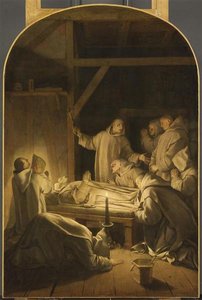
Szent Bruno élete: Az áldozatkészség mesterműve

Le Sueur legmaradandó öröksége talán az az alkotássor, amely Szent Bruno életét ábrázolja, a Chartreux kolostor cskündje számára készült. Ezek a festmények, amelyek eredetileg az abbáty falait díszítették, művészeti víziójának és technikai tudásának csúcspontját jelentik. Nemcsak narratív erejük miatt lenyűgözőek, hanem mély spirituális minőségük miatt is. Le Sueur alakjai csendes méltóságot és mély áldozatkészséget sugároznak, a karpuszta rend asceita ideáljait meggyőző erővel közvetítve. A chiaroscuro – a fény és az árnyék drámai játéka – fokozza az egyes jelenetek érzelmi hatását, a nézőt Szent Bruno és követői világába magával ragasztva. Annak ellenére, hogy az idő során károk érintették és restaurálásra szorultak, ezek a művek megőriztek eredeti szépségük jelentős részét, bepillantást engedve Le Sueur kompozíciós mesterségességébe, színezetének tudatosságába és pszichológiai érzékérzékenységébe.

Örökség és történelmi jelentőség

Eustache Le Sueur befolyása túlmutatott saját festményein. Számos tanítványt nevelt fel, köztük felesége testvérét, Theodore Goussét, és több testvérét is, egy olyan műhelyt építve, amely fenntartotta stílusát és technikáit. Rajzai, amelyek közül sokat a Louvre Rajkműveleti Gyűjteménye (Cabinet des Dessins) őriz, kivételes rajzi tudását bizonyítják, és értékes betekintést nyújtanak alkotói folyamatába. Bár egyes kritikusok konvencionálisnak találták munkásságát – egyfajta hajlamot mutatva a már kialakult típusok használatára –, tagadhatatlan, hogy Le Sue𝗹 kulcsszerepet játszott a 17. századi Franciaország esztétikai tájformálásában. Áthidalta a szakadékot a korai barokk exuberanciája és a visszafogott klasszicizmus között, amely később Louis XIV alatt határozta meg a francia művészetet, és olyan alkotások halmazát hagyta hátra, amely ma is csodálatra késztető. Vallásos témák iránti elkötelezettsége, technikai brillanciájával és a művészi kiválóság iránti elkötelezettségével biztosítja helyét korának egyik legfontosabb festőjeként.