David Wilkie portréja

David Wilkie festményei: A 100 leghíresebb alkotás, egy galéria szemével

Frissítve: november 2026 · rangsorolva népszerűségi pontszámunk alapján (minden mű keresései, látogatásai és megrendelései alapján) · 214 mű David Wilkie alkotása a katalógusunkban

Röviden

A galéria szerint David Wilkie leghíresebb festménye a Queen victoria. The First Council of Queen Victoria (1838) és Augustus, Duke of Sussex (1773-1843) (1833) kiegészítik azt a triót, amelyet minden szem felismer. A katalógusunkban szereplő 214 művész David Wilkie alkotásából a galéria az alábbi 100 leghíresebbet mutatja be, amelyek mind egyedi originális művek, a készítés évszámával, a múzeum megnevezésével és a különlegességük leírásával.

1785 – 1841, Fife Romanticism A legtöbb mű: Scottish National Gallery

A galéria top 10 David Wilkie festménye

1
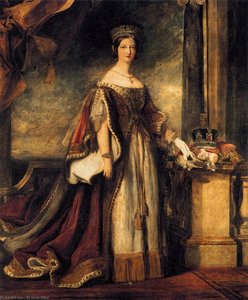
Queen victoria (1889) -ja David Wilkie

Queen victoria

Oil On Canvas

A bust-length portrait captures the monarch in a moment of composed dignity. Positioned slightly off-center, she gazes directly at the viewer, her expression steady and solemn. The composition relies on a dark, somber palette of browns and blacks, which pushes the figure forward through subtle shifts in light. Accents of gold, cream, and pale blue emerge from her attire, providing a sharp contrast against the shadowed background. This lighting, descending…

2
The First Council of Queen Victoria (1838) (1889) -ja David Wilkie

The First Council of Queen Victoria

1838 · Oil On Canvas · Royal Collection, London

In this 1838 oil painting, we find ourselves within the Red Saloon at Kensington Palace, witnessing a quiet yet monumental shift in British history. The scene captures the very first meeting of the Privy Council following the death of King William IV and the subsequent accession of his eighteen-year-old niece, Victoria. There is a palpable sense of gravity in the room, as senior politicians from both the Whig and Tory…

3
Augustus, Duke of Sussex (1773-1843) (1833) (1889) -ja David Wilkie

Augustus, Duke of Sussex (1773-1843)

1833 · Oil On Canvas · Buckingham-palota, London

Augustus, Duke of Sussex, is presented in a full-length portrait that emphasizes his stature through a vertical composition. He stands in the center-right foreground, draped in a deep crimson cloak that flows around his figure. Beneath the cloak, he wears a red tartan kilt, a deliberate choice of traditional Scottish Highland dress. To his left, a large hunting dog rests, grounding the subject within a rugged, natural landscape. The background…

5
The Holy Family with Saint Elizabeth and Saint John the Baptist (1841) (1889) -ja David Wilkie

The Holy Family with Saint Elizabeth and Saint John the Baptist

1841 · Oil On Canvas · National Gallery of Art, Washington

The Holy Family with Saint Elizabeth and Saint John the Baptist emerges from the shadows of 1841, a quiet moment captured by the Scottish artist David Wilkie. In this intimate scene, the figures gather closely, their attention drawn to the shared focus of an open book. The composition pulls the viewer into a tight, triangular arrangement where light seems to emanate from the very pages being read, illuminating faces and…

6
The Pedlar (1814) (1889) -ja David Wilkie

The Pedlar

1814 · Oil On Panel · Yale Center for British Art, New Haven

is a genre painting by the British artist David Wilkie, executed in 1814. The oil on panel work captures a Scottish pedlar visiting an English cottage to sell his wares, specifically bonnets and various textiles. The scene focuses on a domestic transaction where a man in the window reaches reluctantly into his pocket to pay for the cloth his wife desires to buy.

8
A Woody Landscape (1822) (1889) -ja David Wilkie

A Woody Landscape

1822 · Oil On Canvas

In the quietude of A Woody Landscape, painted in 1822, we are invited to step into a world where time seems to slow to the rhythm of nature itself. Sir David Wilkie, a master of capturing the profound beauty found in the everyday, presents us with a serene rural scene that transcends mere topography. The composition is anchored by dense, majestic trees that flank a central clearing, acting as natural…

9
Washington Irving in the Archives of Seville (1829) (1889) -ja David Wilkie

Washington Irving in the Archives of Seville

1829 · Oil On Canvas · New Walk Museum - Art Gallery, Leicester

The painting depicts two men within a library setting. One man is shown reading from a book while the other man looks on, appearing to be engaged in discussing or sharing information with him. The room contains several books scattered throughout the scene, with some placed on shelves and others lying open on tables. In addition to the books, there are two cups visible, one near the left side of…

10
Nelson sealing the Copenhagen letter (1835) (1889) -ja David Wilkie

Nelson sealing the Copenhagen letter

1835 · Oil On Canvas · The Ashmolean Museum of Art and Archaeology, Oxford

This captivating scene, titled "Nelson sealing the Copenhagen letter," transports us directly into the charged atmosphere of early nineteenth-century diplomatic life. At its heart lies a portrait moment imbued with palpable significance. We observe a gentleman, likely a figure of considerable military or political standing, engaged in the solemn act of affixing a seal to an important correspondence. The setting is intimate yet formal—a gathering around a substantial dining table…

David Wilkie festményei, 11. helyezéstől 100. helyezésig

11Maria Arabella, Marchioness of Lansdowne and her Page (1809) (1889) -ja David WilkieMaria Arabella, Marchioness of Lansdowne and her Page1809 · National Gallery of Ireland 12The blind violinist (1807) (1889) -ja David WilkieThe blind violinist1807 · Gemäldegalerie 13Hartley Coleridge (1796–1849), as a Boy (1806) (1889) -ja David WilkieHartley Coleridge (1796–1849), as a Boy1806 14Sir David Wilkie (1813) (1889) -ja David WilkieSir David Wilkie1813 · National Portrait Gallery 15Chelsea Pensioners Receiving the Gazette Announcing the Battle of Waterloo (1819) (1889) -ja David WilkieChelsea Pensioners Receiving the Gazette Announcing the Battle of Waterloo1819 · Yale Center for British Art 16Sketch for 'The Reading of a Will' (1820) (1889) -ja David WilkieSketch for 'The Reading of a Will'1820 · Yale Center for British Art 17Reading a Tract (1820) (1889) -ja David WilkieReading a Tract1820 18The Gypsy Mother (1817) (1889) -ja David WilkieThe Gypsy Mother1817 19Distraining for Rent (1815) (1889) -ja David WilkieDistraining for Rent1815 · Scottish National Gallery 20Study of a Head for 'The Rabbit on the Wall' (1815) (1889) -ja David WilkieStudy of a Head for 'The Rabbit on the Wall'1815 21Portrait of a Young Man (1830) (1889) -ja David WilkiePortrait of a Young Man1830 · Szlovák Nemzeti Galéria 22Prince Charles of Leiningen (1804-1856) (1827) (1889) -ja David WilkiePrince Charles of Leiningen (1804-1856)1827 · Royal Collection 23A Roman Princess Washing the Feet of Pilgrims (1827) (1889) -ja David WilkieA Roman Princess Washing the Feet of Pilgrims1827 · Royal Collection 24Sir Alexander Keith (1830) (1889) -ja David WilkieSir Alexander Keith1830 25The Gentle Shepherd (1823) (1889) -ja David WilkieThe Gentle Shepherd1823 26Portrait of Daniel O'Connell as Governor of the National Bank (1838) (1889) -ja David WilkiePortrait of Daniel O'Connell as Governor of the National Bank1838 · National Gallery of Ireland 27Study for 'The First Council of Queen Victoria' (1837) (1889) -ja David WilkieStudy for 'The First Council of Queen Victoria'1837 · Royal Collection 28Sir William Knighton (1776-1836) (1834) (1889) -ja David WilkieSir William Knighton (1776-1836)1834 · Royal Collection 29Matthias Prime Lucas, Lord Mayor of London (1827) (1838) (1889) -ja David WilkieMatthias Prime Lucas, Lord Mayor of London (1827)1838 · Guildhall Art Gallery 30King William IV (1837) (1889) -ja David WilkieKing William IV1837 31Queen Victoria (1819–1901), in Robes of State (1840) (1889) -ja David WilkieQueen Victoria (1819–1901), in Robes of State1840 32Josephine and the Fortune Teller (1837) (1889) -ja David WilkieJosephine and the Fortune Teller1837 · Scottish National Gallery 33Chelsea Pensioners Reading the Waterloo Dispatch (detail) (1818) (1889) -ja David WilkieChelsea Pensioners Reading the Waterloo Dispatch (detail)1818 · Wellington Museum 34General Sir David Baird (1757–1829), Soldier (study for Sir David Baird Discovering the Body of Tippoo Sahib) (1838) (1889) -ja David WilkieGeneral Sir David Baird (1757–1829), Soldier (study for Sir David Baird Discovering the Body of Tippoo Sahib)1838 · Scottish National Portrait Gallery 35George IV (1762–1830) (1830) (1889) -ja David WilkieGeorge IV (1762–1830)1830 · English Heritage 36A Highland Family (1823) (1889) -ja David WilkieA Highland Family1823 · Nottingham Castle Museum And Art Gallery 37The Rev Edward Irving When a Young Man (1889) -ja David WilkieThe Rev Edward Irving When a Young ManAuckland Art Gallery Toi o Tāmaki 38The Letter of Introduction (1813) (1889) -ja David WilkieThe Letter of Introduction1813 · Scottish National Gallery 39The Burial of the Scottish Regalia (1836) (1889) -ja David WilkieThe Burial of the Scottish Regalia1836 · Fitzwilliam Múzeum 40The Bride at her Toilet on the Day of her Wedding (1838) (1889) -ja David WilkieThe Bride at her Toilet on the Day of her Wedding1838 41An Incident in the Life of Queen Elizabeth I (1889) -ja David WilkieAn Incident in the Life of Queen Elizabeth IWolverhampton Art Gallery 42Portrait of the Artist's Brother, Captain James Wilkie (1784 - 1824) (1889) -ja David WilkiePortrait of the Artist's Brother, Captain James Wilkie (1784 - 1824)Scottish National Gallery 43William Chalmers Bethune (1744–1807), his Wife Isobel Morison (1760–1850) and their Daughter Isabella Maxwell Morison (1795–1818) (1804) (1889) -ja David WilkieWilliam Chalmers Bethune (1744–1807), his Wife Isobel Morison (1760–1850) and their Daughter Isabella Maxwell Morison (1795–1818)1804 · Scottish National Gallery 44The Bag Piper (1813) (1889) -ja David WilkieThe Bag Piper1813 45Sir Robert Liston (1742–1836), Diplomat (1811) (1889) -ja David WilkieSir Robert Liston (1742–1836), Diplomat1811 · Scottish National Portrait Gallery 46Study for 'Blind Man's Buff' (1811) (1889) -ja David WilkieStudy for 'Blind Man's Buff'1811 47The Soldier's Grave (1813) (1889) -ja David WilkieThe Soldier's Grave1813 · Nottingham Castle Museum And Art Gallery 48A Head and Two Hands (sketch) (1806) (1889) -ja David WilkieA Head and Two Hands (sketch)1806 49The Jew's Harp (1808) (1889) -ja David WilkieThe Jew's Harp1808 50A Book Case (sketch for 'The Letter of Introduction') (1813) (1889) -ja David WilkieA Book Case (sketch for 'The Letter of Introduction')1813 51Sir David Wilkie (1785–1841), Artist, Self Portrait (1805) (1889) -ja David WilkieSir David Wilkie (1785–1841), Artist, Self Portrait1805 · Scottish National Gallery 52The Refusal (1814) (1889) -ja David WilkieThe Refusal1814 53Boys Digging for Rats (1812) (1889) -ja David WilkieBoys Digging for Rats1812 54The Artist's Parents, the Reverend David Wilkie (1738–1812) and his Wife Isabella Lister (1763–1824) (1813) (1889) -ja David WilkieThe Artist's Parents, the Reverend David Wilkie (1738–1812) and his Wife Isabella Lister (1763–1824)1813 · Scottish National Gallery 55Portrait of Andrew Geddes (1816) (1889) -ja David WilkiePortrait of Andrew Geddes1816 · Scottish National Portrait Gallery 56The Flemish Mother (1820) (1889) -ja David WilkieThe Flemish Mother1820 57A Wooded Landscape (1815) (1889) -ja David WilkieA Wooded Landscape1815 58The Nursey Family in a Park (1816) (1889) -ja David WilkieThe Nursey Family in a Park1816 · The Hunterian Museum and Art Gallery 59A Picnic (1822) (1889) -ja David WilkieA Picnic1822 60Reading the News (1820) (1889) -ja David WilkieReading the News1820 · Laing Art Gallery 61Interior of Pitlessie Mill with a Man Sieving Corn (1818) (1889) -ja David WilkieInterior of Pitlessie Mill with a Man Sieving Corn1818 · Yale Center for British Art 62Bathsheba at the Bath (1817) (1889) -ja David WilkieBathsheba at the Bath1817 · Walker Art Gallery 63The Abbotsford Family (1817) (1889) -ja David WilkieThe Abbotsford Family1817 · Scottish National Portrait Gallery 64The Daughters of Sir Walter Scott (1817) (1889) -ja David WilkieThe Daughters of Sir Walter Scott1817 65The Broken Jar (1816) (1889) -ja David WilkieThe Broken Jar1816 66Abraham Raimbach (1818) (1889) -ja David WilkieAbraham Raimbach1818 · National Portrait Gallery 67Billy Waters (c.1778–1823) (1815) (1889) -ja David WilkieBilly Waters (c.1778–1823)1815 · National Maritime Museum 68Sketch of a Head for 'The Rabbit on the Wall' (1816) (1889) -ja David WilkieSketch of a Head for 'The Rabbit on the Wall'1816 69Robert Saunders Dundas (1771–1851), 2nd Viscount Melville (1831) (1889) -ja David WilkieRobert Saunders Dundas (1771–1851), 2nd Viscount Melville1831 70The Highland Family (1824) (1889) -ja David WilkieThe Highland Family1824 71Thomas Erskine (c.1745–1828), 9th Earl of Kellie (1828) (1889) -ja David WilkieThomas Erskine (c.1745–1828), 9th Earl of Kellie1828 · Cupar County Buildings 72The Guerilla's Departure (1828) (1889) -ja David WilkieThe Guerilla's Departure1828 · Royal Collection 73Blind Man's Bluff (1830) (1889) -ja David WilkieBlind Man's Bluff1830 74Sotiri, Dragoman of Mr Colquhoun (1840) (1889) -ja David WilkieSotiri, Dragoman of Mr Colquhoun1840 · Ashmolean Museum 75The Artist's Sister, Helen Wilkie (1793–1870), Later Mrs William Hunter (1823) (1889) -ja David WilkieThe Artist's Sister, Helen Wilkie (1793–1870), Later Mrs William Hunter1823 · Scottish National Gallery 76The Artist's Niece, Sophia Wilkie, Later Mrs James Winfield (1829) (1889) -ja David WilkieThe Artist's Niece, Sophia Wilkie, Later Mrs James Winfield1829 · Scottish National Gallery 77John Knox Preaching before the Lords of the Congregation, 10 June 1559 (1827) (1889) -ja David WilkieJohn Knox Preaching before the Lords of the Congregation, 10 June 15591827 · Petworth House 78Cardinals, Priests and Roman Citizens Washing the Pilgrims' Feet (1827) (1889) -ja David WilkieCardinals, Priests and Roman Citizens Washing the Pilgrims' Feet1827 79The Entrance of George IV at the Palace of Holyroodhouse (1828) (1889) -ja David WilkieThe Entrance of George IV at the Palace of Holyroodhouse1828 80Grace before Meat (1839) (1889) -ja David WilkieGrace before Meat1839 · Birmingham Museum and Art Gallery 81Miss Julia Emily Gordon (1833) (1889) -ja David WilkieMiss Julia Emily Gordon1833 82King William IV (1765–1837) (1838) (1889) -ja David WilkieKing William IV (1765–1837)1838 · Birmingham Museum and Art Gallery 83The Duke of Wellington Writing Dispatches (1836) (1889) -ja David WilkieThe Duke of Wellington Writing Dispatches1836 84Queen Adelaide (1792–1849) (1838) (1889) -ja David WilkieQueen Adelaide (1792–1849)1838 · Examination Schools 85Thomas Daniell, RA (1838) (1889) -ja David WilkieThomas Daniell, RA1838 86William IV (1765–1837) (1838) (1889) -ja David WilkieWilliam IV (1765–1837)1838 · Examination Schools 87The First Ear Ring (1835) (1889) -ja David WilkieThe First Ear Ring1835 88The Preaching of Knox before the Lords of the Congregation, 10th June 1559 (1832) (1889) -ja David WilkieThe Preaching of Knox before the Lords of the Congregation, 10th June 15591832 89William IV (1765–1837), Reigned 1830–1837 (1837) (1889) -ja David WilkieWilliam IV (1765–1837), Reigned 1830–18371837 · Scottish National Portrait Gallery 90The Cottar's Saturday Night (1837) (1889) -ja David WilkieThe Cottar's Saturday Night1837 91Queen Adelaide (1792–1849), Princess Adelaide Louisa Theresa Caroline Amelia of Saxe Meiningen, Queen of William IV (1833) (1889) -ja David WilkieQueen Adelaide (1792–1849), Princess Adelaide Louisa Theresa Caroline Amelia of Saxe Meiningen, Queen of William IV1833 · Scottish National Portrait Gallery 92His Imperial Majesty the Sultan Abdul Meedgid (1841) (1889) -ja David WilkieHis Imperial Majesty the Sultan Abdul Meedgid1841 93Queen Victoria (detail) (1840) (1889) -ja David WilkieQueen Victoria (detail)1840 94Jews at the Wailing Wall (1841) (1889) -ja David WilkieJews at the Wailing Wall1841 · University of Dundee 95The Village Festival (1842) (1889) -ja David WilkieThe Village Festival1842 96The Turkish Letter Writer (1840) (1889) -ja David WilkieThe Turkish Letter Writer1840 97Maria, Lady Callcott (1840) (1889) -ja David WilkieMaria, Lady Callcott1840 98The Irish Whiskey Still (1840) (1889) -ja David WilkieThe Irish Whiskey Still1840 · Scottish National Gallery 99Duncan Gray (1819) (1889) -ja David WilkieDuncan Gray1819 · Scottish National Gallery 100Henry VIII and Anne Boleyn (1865) (1889) -ja David WilkieHenry VIII and Anne Boleyn1865

David Wilkie híres festményei, korszakonként

A témák, amelyek David Wilkie figyelmét meghúzták

A négy leggyakorobban előforduló téma ebben az eredeti művekben, mindegyik a legkiválóbb példájával.

A műemlékek, amelyek David Wilkie eredeti műveit őrzik

A 8 olyan múzeum, amely a legtöbb ezen az oldalon szereplő festményet őrzi.

Múzeum Város David Wilkie művei Ebből a listából származó festmények
Scottish National Gallery, EdinburghScottish National Gallery Edinburgh 25 Distraining for Rent, Josephine and the Fortune Teller, The Letter of Introduction
Royal Collection, LondonRoyal Collection London 15 The First Council of Queen Victoria, Prince Charles of Leiningen (1804-1856), A Roman Princess Washing the Feet of Pilgrims
Scottish National Portrait Gallery, EdinburghScottish National Portrait Gallery Edinburgh 8 General Sir David Baird (1757–1829), Soldier (study for Sir David Baird Discovering the Body of Tippoo Sahib), Sir Robert Liston (1742–1836), Diplomat, Portrait of Andrew Geddes
Yale Center for British Art, New HavenYale Center for British Art New Haven 7 Self-Portrait, The Pedlar, Chelsea Pensioners Receiving the Gazette Announcing the Battle of Waterloo
National Gallery of Ireland, DublinNational Gallery of Ireland Dublin 3 Maria Arabella, Marchioness of Lansdowne and her Page, Portrait of Daniel O'Connell as Governor of the National Bank
National Portrait Gallery, LondonNational Portrait Gallery London 3 Sir David Wilkie, Abraham Raimbach
Auckland Art Gallery Toi o Tāmaki, AucklandAuckland Art Gallery Toi o Tāmaki Auckland 2 Ceres in search of Proserpine, The Rev Edward Irving When a Young Man
Nottingham Castle Museum And Art Gallery, NottinghamNottingham Castle Museum And Art Gallery Nottingham 2 A Highland Family, The Soldier's Grave

David Wilkie, egy aláírott festmény évtizedenként

Művek évtizedenként

Váassz ki egy évtizedet, hogy megnézhesd az azt meghatározó eredetiműveket.

David Wilkie festményei: a galéria válaszai

Melyik David Wilkie festmény a leghíresebb?Fedje fel a választ

Queen victoria. Ezt követi The First Council of Queen Victoria (1838) és Augustus, Duke of Sussex (1773-1843) (1833).

Melyek David Wilkie top 10 festménye?Fedje fel a választ

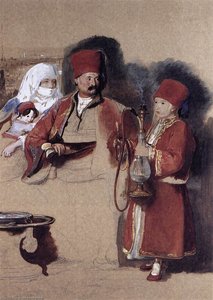
Queen victoria, The First Council of Queen Victoria, Augustus, Duke of Sussex (1773-1843), Self-Portrait, The Holy Family with Saint Elizabeth and Saint John the Baptist, The Pedlar, Ceres in search of Proserpine, A Woody Landscape, Washington Irving in the Archives of Seville és Nelson sealing the Copenhagen letter. A fenti rangsor a művek évszamarát és a múzeumát jelzi.

Hány műve született David Wilkie nevére?Fedje fel a választ

Katalógusunkban 214 mű található David Wilkie alkotótól, 1803 és 1841 év közötti időszakból.

Hol találhatóak David Wilkie leghíresebb eredeti művei?Fedje fel a választ

Leginkább Scottish National Gallery (Edinburgh), Royal Collection (London) és Scottish National Portrait Gallery (Edinburgh) található. A fenti múzeumi táblázatban mindegyik felsorolásra került.

Mikor festette David Wilkie le leghíresebb műveit?Fedje fel a választ

1830s alatt: a jelen laphonon található 100 műből 29 készült ebben az időszakban, köztük The First Council of Queen Victoria.

Melyek David Wilkie legkorábbi és legutóbbi híres művei?Fedje fel a választ

Ezen az oldalon a leghitelesebb Ceres in search of Proserpine (1803), a legutóbbi pedig The Holy Family with Saint Elizabeth and Saint John the Baptist (1841).

Mely témakörökkel foglaltaszkodott a legtöbbször David Wilkie?Fedje fel a választ

Portrait (12), Woman (11) és Man (11), a jelen oldalon található 100 műművészeti alkotás között.

Melyik technikával foglalt leginkább David Wilkie?Fedje fel a választ

Oil On Canvas, a jelen oldalon található 100 műből 25 darab esetén.

Mely művészeti irányhoz tartozik David Wilkie?Fedje fel a választ

Romanticism, ezen az oldalon található eredetiek alapján.

Mely David Wilkie eredeti műveit őrzi a Scottish National Gallery?Fedje fel a választ

Distraining for Rent, Josephine and the Fortune Teller és The Letter of Introduction: a Scottish National Gallery, Edinburgh 11 művet őrzi ezen az oldalon.

David Wilkie: a művész

A nép festője: A skót genre lélekzettség

A XIX. századi brit művészet monumentális szövetében kevés szál ragyog olyan melegséggel és emberi empátiával, mint amilyenokat Sir David Wilkie szőtt. A fifei Pitlessie szerény falujában született művész a vidéki Skótország csendes méltóságában merült fel. Egy egyházi lelkész fiaként útját nem hagyta előre hagyomány, mégis művészet iránti feltörekvő szenvedélye megkérdőjelezhetetlen erőnek bizonyult. Az edinburgi Trustees’ Academy-en elsajátított korai eğitimi, John Graham irányítása alatt, szigorú alapokat biztosított számára, de az igazi látásmódját a vástermitések, vásárcsokrák és boltok rendszeres látogatása formálta. A mindennapi élet múló, jellegzetes pillanatait megörökítve olyan mély képessé vált, hogy egy jelenet szellemiségét képes volt átvinni rajztárnyába, rendkívüli szépséget felfedezve a legzordabb hétköznapokban is.

Wilkie művészeti utazását rendíthetetlen kitartás és az a különleges képesség jellemezte, amellyel a hétköznapi elemeket emelte a magas művészet szintjére. Miközben kortársai többsége a hatalmas történelmi narratívákban vagy mitológiai alegóriákban kereste a dicsőséget, Wilkie tekintetét az egyszerű ember felé fordította. A genre festészet mesterévé vált, társadalmi mikrokosmokat hozva létre olyan művekben, amelyek tele voltak karakterekkel és anekdotikus részletekkel. Korai tanulmányait mélyen befolyásolták olyan alkotók, mint Alexander Carse és David Allan, akik a szerény élet jeleneteire összpontúzott figyelme visszhangzott saját érzékenységében is. A realizmus iránti elkötelezettsége lehetővé tette számára, hogy az emberi tapasztalás finomságait örökítse meg: az érzelmek szubtilis kifejezését, az egyének közötti intimebb interakciókat és azokat a hangulatot árasztó részleteket, amelyek életet lehelnek minden egyes vászonba.

A fény és a narratív részlet öröksége

Ahogy hírneve Skótiából kitágult a londoni nyüzsgő művészeti világ felé, Wilkie stílusa csodálatos fejlődésen ment keresztül. Korai alkotásai éles, precíz és lelkes érintést mutattak, melyeket gyakran tompább színek és egy ezüstös-szürke tónus jellemzett, emlékeztetve a holland genre festőket, például Tenierset vagy Ostadét. Azonban művészi érettségében ecsetvonásai szélesebbé, palettája pedig fényesebbé vált; a tónusok gazdagsága és a színek erőteljes használata már a fejlődő romantikus mozgalmat tükrözte. Ez a váltás lehetővé tette számára, hogy még monumentálisabb témákat is kezeljen anélkül, hogy elveszítené saját jellegzetességét jelentő pszichológiai mélységet. IV. Vilmos király és Viktória királynő főzőfestőjeként való kinevezése e felülmúlhatatlan készségének bizonyítékaként áll, amely számos rangos megbízást biztosított számára királyi portrék és történelmi jelenetek ábrázolására.

Wilkie életművének kiterjedése valóban lenyűgöző, az intimitástól az epikus nagyságig terjed. Remekműve, a The Chelsea Pensioners Reading the Waterloo Dispatch, az egyik legünnepeltebb alkotása marad, amely magával ragadó ábrázolást nyújt a bajtársiasságról és a közös aggodalomról, mely ma is lenyűgöző módon hat az Apsley House közönségére. Ezen narratív triumfuson túl kiváló volt a történelmi festményekben is, mint például a Sir David Baird Discovering the Body of Sultan Tipoo Sahib, s képes volt az intellektuális tevékenységek tudományos hangulatát is megörökíteni olyan művekben, mint a Washington Irving in the Archives of Seville. Legyen szó egy nyüzsgő falusi ünnepségről vagy egy tekintélyes királyi alakról, Wilkie munkássága mindig skót érzékiségre és az élet lényegének hiteles megörökítésére épülő elkötelezettségre épül.